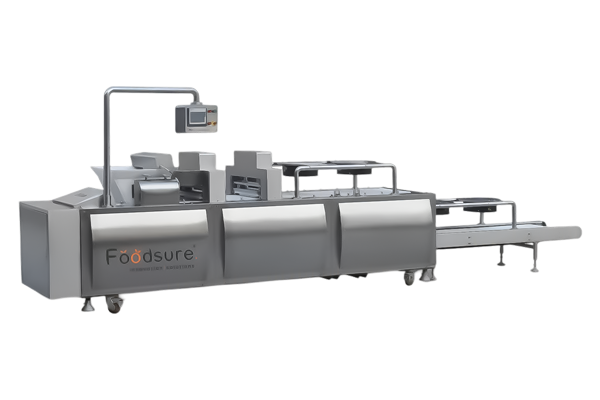
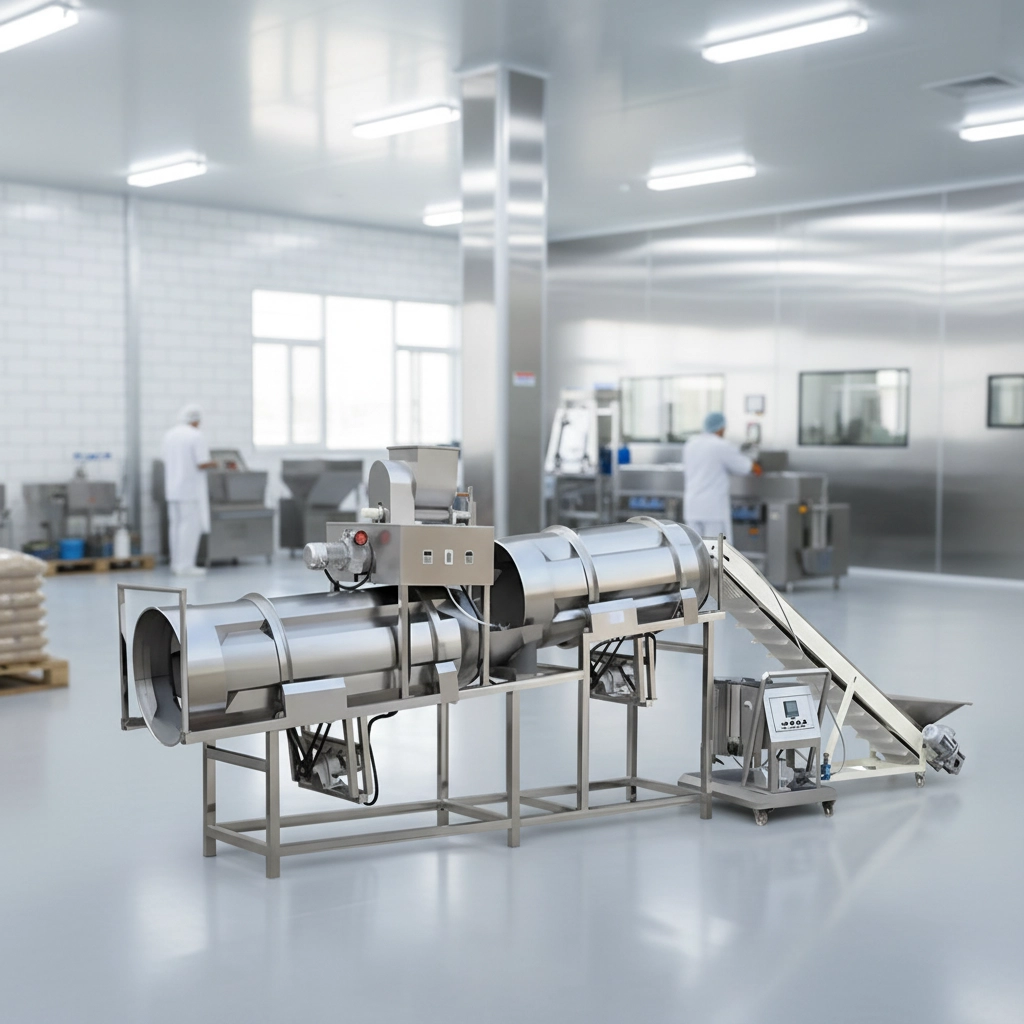
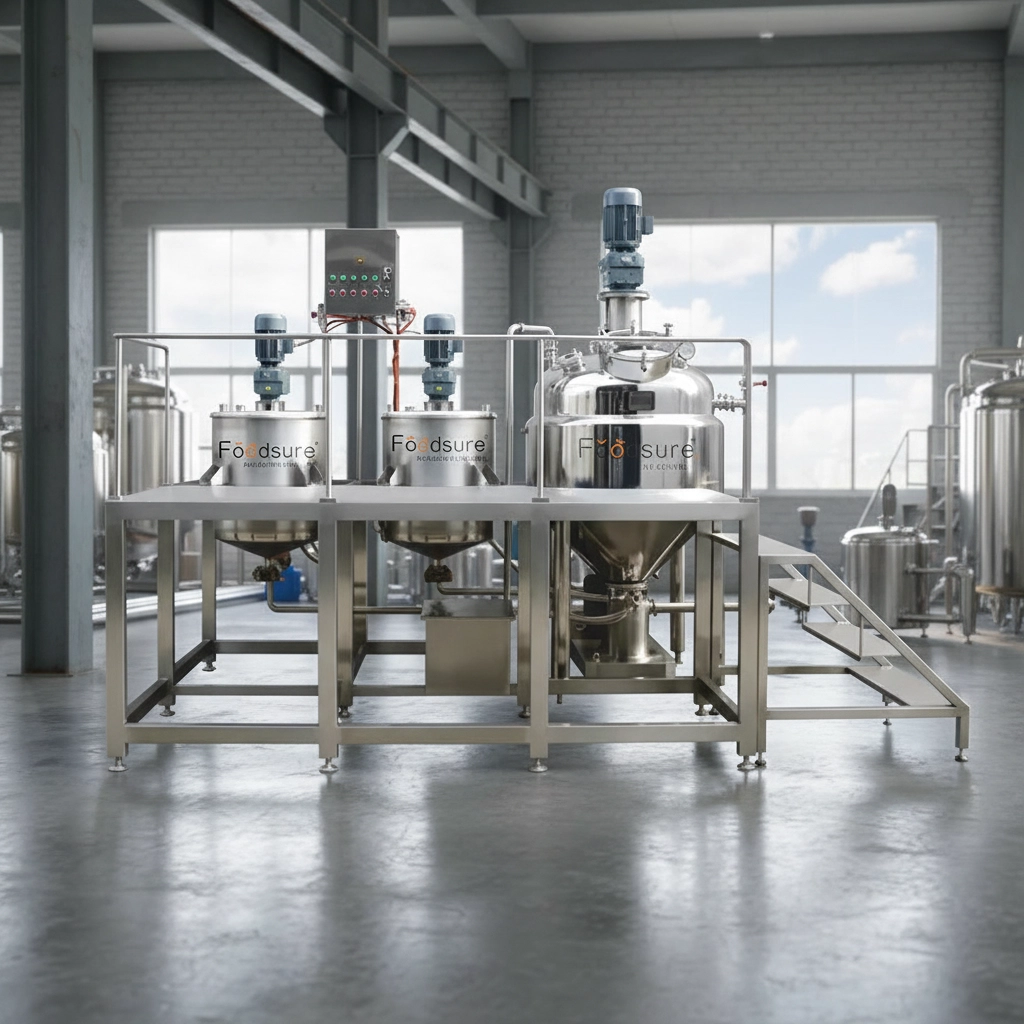
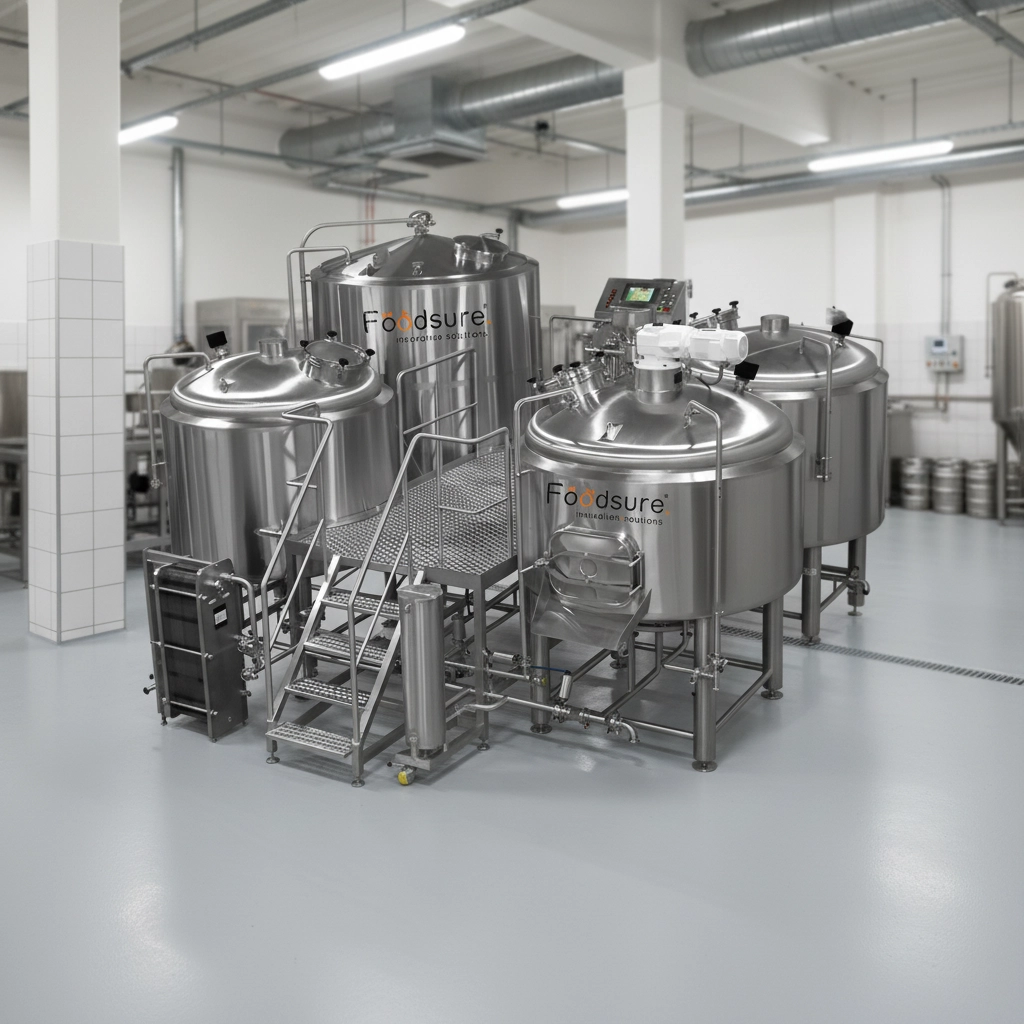
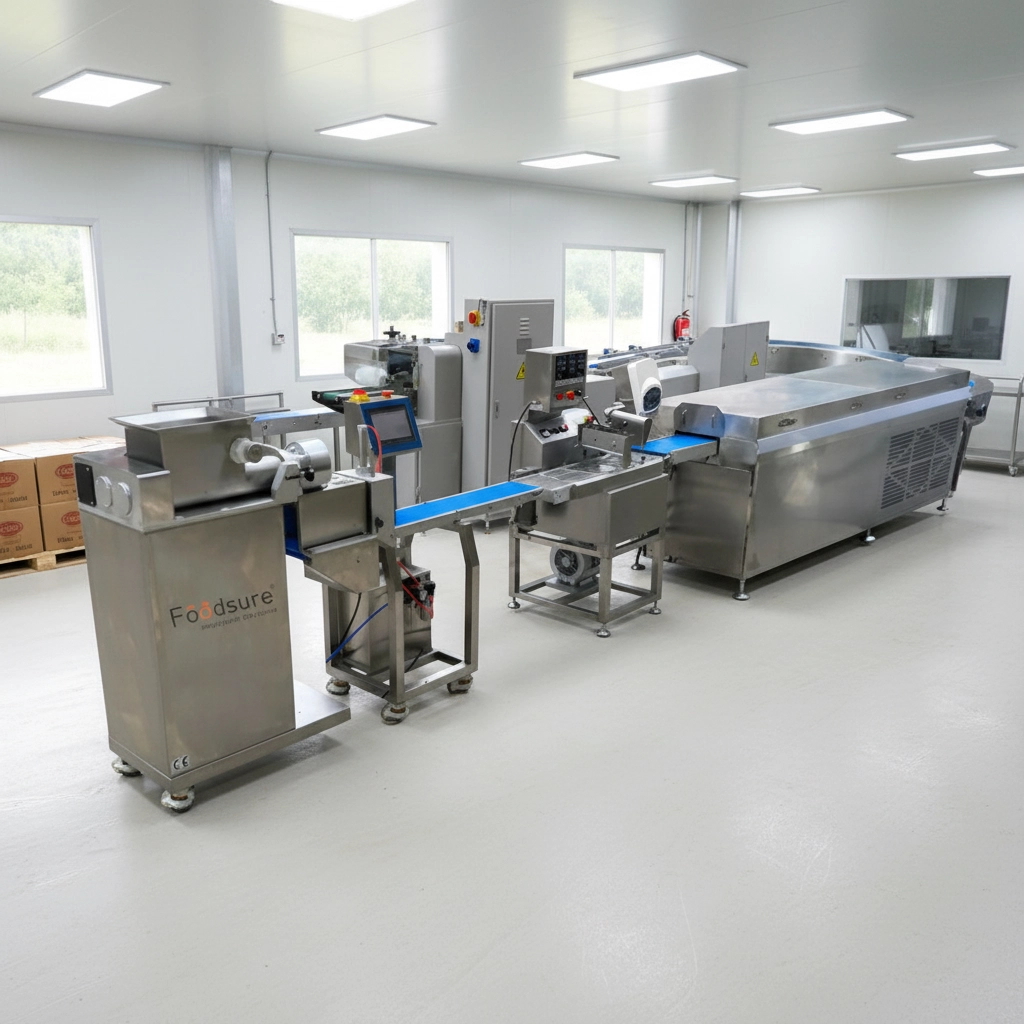

The investment in a low-cost protein bar machine may appear to be a prudent decision for your startup, but numerous proprietors only uncover the hidden expenses after it is too late. Cheap protein bar machines can silently drain your profits, from frequent malfunctions to inconsistent bar quality. In this blog, we will deconstruct the 7 most prevalent concealed expenses that suppliers rarely disclose and demonstrate how you can avoid them.
Why Low-Cost Protein Bar Machines Look Attractive at First
Initially, the low-cost protein bar machine appears to be a wise investment because its initial cost remains low and its operating risk seems to be under control. The actual expense of the protein bar extruder machine extends beyond its initial purchase price, according to people who have worked with the machine.
Here’s why founders get attracted to cheaper machines:
- Lower upfront investment: The decision becomes more secure for new startups that have restricted financial resources because they can choose between two options with different price points.
- Faster internal approvals: Companies tend to bypass complete technical assessments and essential research when they deal with smaller investment amounts.
- Supplier performance promises: Vendors make claims that their budget machines provide performance outcomes that match those of premium machines, but they fail to offer actual performance evidence.
- Perception of low risk: Founders believe that their financial losses will remain minor when the machine fails to deliver proper performance.
Hidden Cost 1: Inconsistent Texture & Binding Problems

The main challenge that low-cost protein bar machines face is that their product quality becomes inconsistent. Cheap machines often struggle to maintain stable pressure, temperature, or mixing performance for overextended production hours.
The inconsistency between two products leads to negative consequences for customer trust and retailer relationships.
- Uneven mixing and pressure control: Budget machines struggle to maintain consistent processing conditions continuously, which affects texture and binding.
- Bars breaking or crumbling: Poor compression and forming can cause bars to lose shape during packaging or transport.
- Oil separation (sweating): Ingredients may not bind properly, leading to oil release after a few days on the shelf.
- Batch-to-batch inconsistency: Different production runs may produce different textures, making quality control difficult.
Hidden Cost 2: Frequent Breakdowns & Maintenance
Another major risk of buy protein bar machine is frequent machine breakdowns. Low-budget protein bar equipment is usually designed for light or short production runs, not continuous daily manufacturing.
Small mechanical issues develop into chronic shutdowns, which disrupt entire business operations over time.
- Unexpected production stoppages: Equipment breakdowns that occur during work shifts result in production delays and delivery schedule failures.
- Frequent repairs and spare part replacement: Inferior quality parts experience faster deterioration, which results in higher maintenance costs.
- Long repair time (downtime): Inexpensive machinery lacks efficient repair systems, while even minor defects need extensive equipment disassembly for maintenance.
- Operator stress and errors: Staff face production and repair challenges because equipment failures occur at an excessive rate.
Hidden Cost 3: Higher Labour Dependency
The low-cost protein bar machine needs more human work because its automated systems, sensors and its control systems do not function correctly. The system requires additional funding to operate while producing inconsistent results.
- Manual feeding and adjustments: The operators need to monitor dough flow and pressure with cutting size throughout the process to achieve quality control.
- More workers per shift: Cheap setups often need 2–3 extra staff compared to automated lines.
- Skill-dependent output: Production quality depends heavily on operator experience, not machine precision.
- Higher error rates: Human handling increases contamination risk, weight variation, and product rejection.
- Hidden salary burden: Over time, extra labour costs can exceed the initial savings from buying cheaper equipment.
Hidden Cost 4: Production Downtime = Lost Revenue
The operation of low-cost protein bar machines leads to production downtime that results in severe financial losses, which business owners must face. The machine downtime leads to multiple losses, which affect production output, labour costs, raw material expenses and delivery obligations.
How Downtime Impacts Your Business
- Lost production output: No bars produced during stoppage means direct revenue loss.
- Idle labour cost: Workers are still paid even when production stops.
- Ingredient disruption: Prepared batches may spoil or require reprocessing.
- Missed delivery deadlines: Retailers and distributors may impose penalties.
- Urgent repair expenses: Emergency technician visits and express spare parts increase costs.
- Brand credibility risk: Delayed supply affects long-term customer trust.
Example: Real Financial Impact of Downtime
| Factor | Example Value |
|---|---|
| Production capacity | 250 kg per hour |
| Profit contribution per kg | ₹120 |
| Revenue loss per hour | ₹30,000 |
| Downtime per month | 10 hours |
| Monthly loss | ₹3,00,000 |
| Annual loss | ₹36,00,000 |
Hidden Cost 5: Ingredient Wastage
The use of a low-cost protein bar machine results in hidden ingredient waste, which decreases profit margins. Protein bar formulations contain expensive inputs like whey protein, nuts, syrups, and functional additives. The mixing, extrusion and cutting processes lose materials because cheap machines do not provide accurate control.
- Inaccurate portion control: Poor dosing systems cause overweight or underweight bars, increasing raw material consumption.
- Start-up and shutdown losses: Unstable machines waste batches during temperature or pressure stabilisation.
- Material sticking inside equipment: Low-quality surface finishing causes dough to remain inside chambers and pipes.
- Rejected batches due to inconsistency: Texture or binding failures force disposal or rework.
Hidden Cost 6: Limited Production Capacity
A low-cost protein bar machine creates serious operational Limits when demand reaches its peak. Budget machines operate at their best only during small production runs because they have weaker motors, slower material extrusion rates and minimal automated functions. The production process becomes less efficient when the machine reaches its operational limit because it requires extra time to produce orders.
- Protein bar making machines produce less output because reduced motor power and feeding efficiency decrease their production capabilities.
- The protein bar manufacturing machine cannot operate continuously because their components overheat or start to malfunction during extended operations.
- The business cannot meet customer demand because it needs additional time to fulfil increasing order requirements.
Hidden Cost 7: No Upgrade Path for Growth

The main risk that exists in the long-term for a low-cost protein bar machine stems from its inability to expand production capacity. The design of cheap machines restricts their operation to permanent fixed configurations, which prevents future system upgrades. Businesses must completely replace their systems when demand increases instead of being able to add new components.
- Non-modular design: Existing equipment lacks compatibility with upcoming automation systems, packaging systems and cooling systems.
- Capacity ceiling reached quickly: The current output capacity of the system reaches its highest point until we acquire additional equipment.
- Layout and utility mismatch: The system upgrade process encounters problems because of power requirements, space needs and line system compatibility between existing systems and new systems.
- Double investment risk: Founders end up paying twice: first for the cheap machine, then for a proper production line.
Cheap vs Quality Protein Bar Machine: Real Cost Comparison
| Factor | Low-Cost Protein Bar Machine | Quality Protein Bar Machine |
|---|---|---|
| Initial Investment | Low upfront cost | Higher upfront cost |
| Production Capacity | 80–150 kg/hour | 200–500+ kg/hour |
| Downtime Frequency | Frequent breakdowns | Minimal, stable operation |
| Mean Time Between Failures (MTBF) | Low (frequent stoppages) | High (long continuous runs) |
| Repair Time (MTTR) | Overdue due to non-modular design | Faster with serviceable components |
| Labor Requirement | 4–6 operators per shift | 2–3 operators per shift |
| Batch Consistency | Variable texture and weight | Uniform product quality |
| Ingredient Wastage | 3–8% material loss | <1–2% optimized usage |
| Energy Efficiency | Higher power per kg output | Lower energy per kg output |
| Automation Level | Semi-manual adjustments | Automated controls and sensors |
| Scalability | Limited, requires replacement | Modular upgrades possible |
| Compliance & Hygiene | Basic finishing | Food-grade, easier cleaning |
| Annual Maintenance Cost | High and unpredictable | Planned and lower overall |
| Return on Investment (ROI) | Slower, uncertain | Faster, predictable |
| Business Growth Impact | Capacity bottleneck | Supports expansion |
Your Protein Bar Brand Deserves Better Than a Low-Cost Protein Bar Machine
At Foodsure Machines, we are helping brands avoid costly mistakes when selecting a low-cost protein bar machine. Our team works to decrease operational risks while enhancing efficiency and assisting businesses in achieving their long-term production targets. Contact us today to get our expert recommendation and choose the right machine for your capacity and budget goals.
FAQs
Q1. What are the hidden costs of cheap protein bar machines for startups?
Ans: Cheap machines can be the cause of downtime, variable quality, high labour costs, and more maintenance expenses.
Q2. How to choose the right protein bar machine for small business?
Ans: Determine the type of machine based on capacity, automation level, scalability, and long-term operating expenses, not only price.
Q3. What are the common problems with low-cost protein bar manufacturing machines?
Ans: Typical issues include three main problems, which are inconstant texture problems, equipment failures, material disposal problems and inability to produce at full capacity.
Q4. What is the difference between a cheap protein bar machine vs automatic protein bar machine?
Ans: Automatic machines provide better operational consistency and improved efficiency while requiring fewer workers and delivering faster return on investment compared to inexpensive machines.
Q5. What to check before buying a protein bar extruder machine?
Ans: These include production capacity, construction quality, automation characteristics, design for hygiene, and after-sales service.