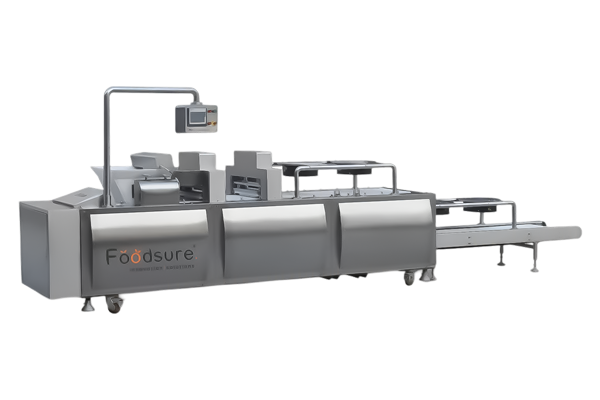
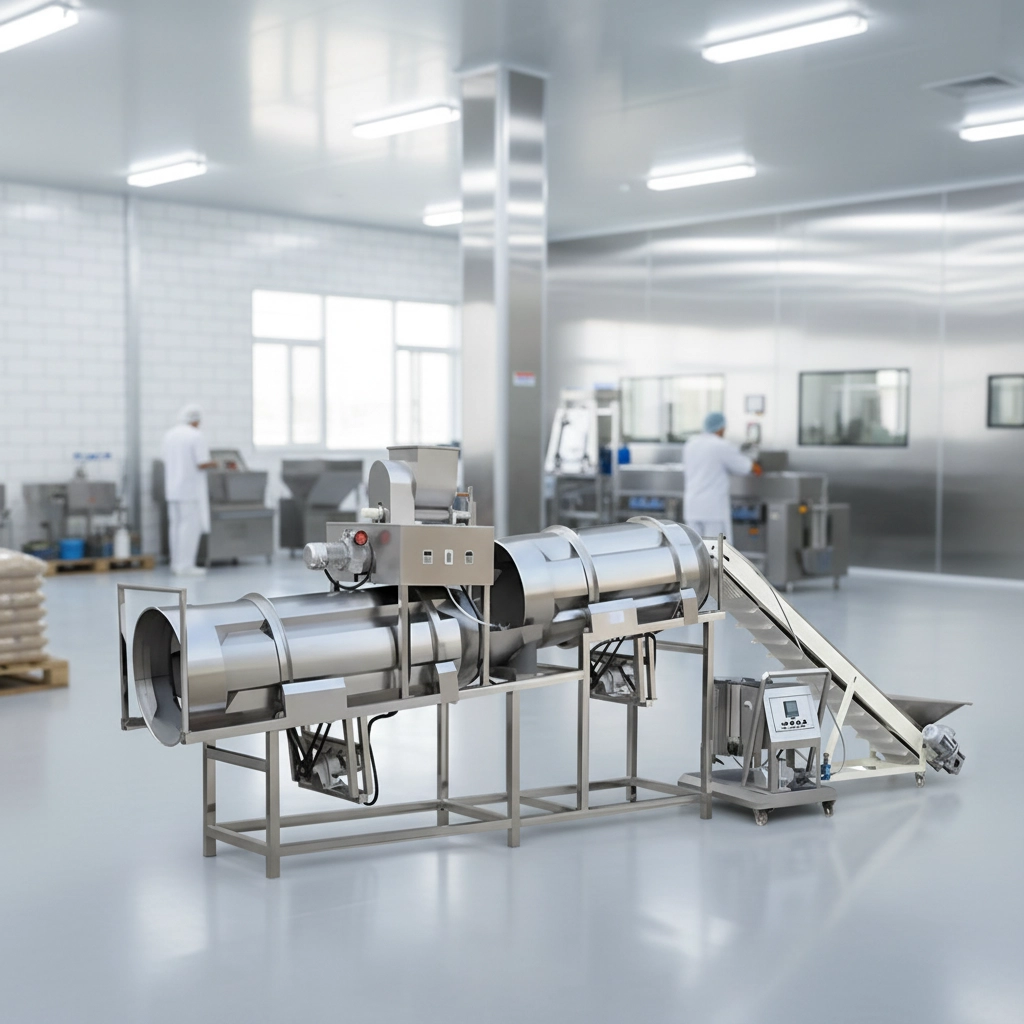
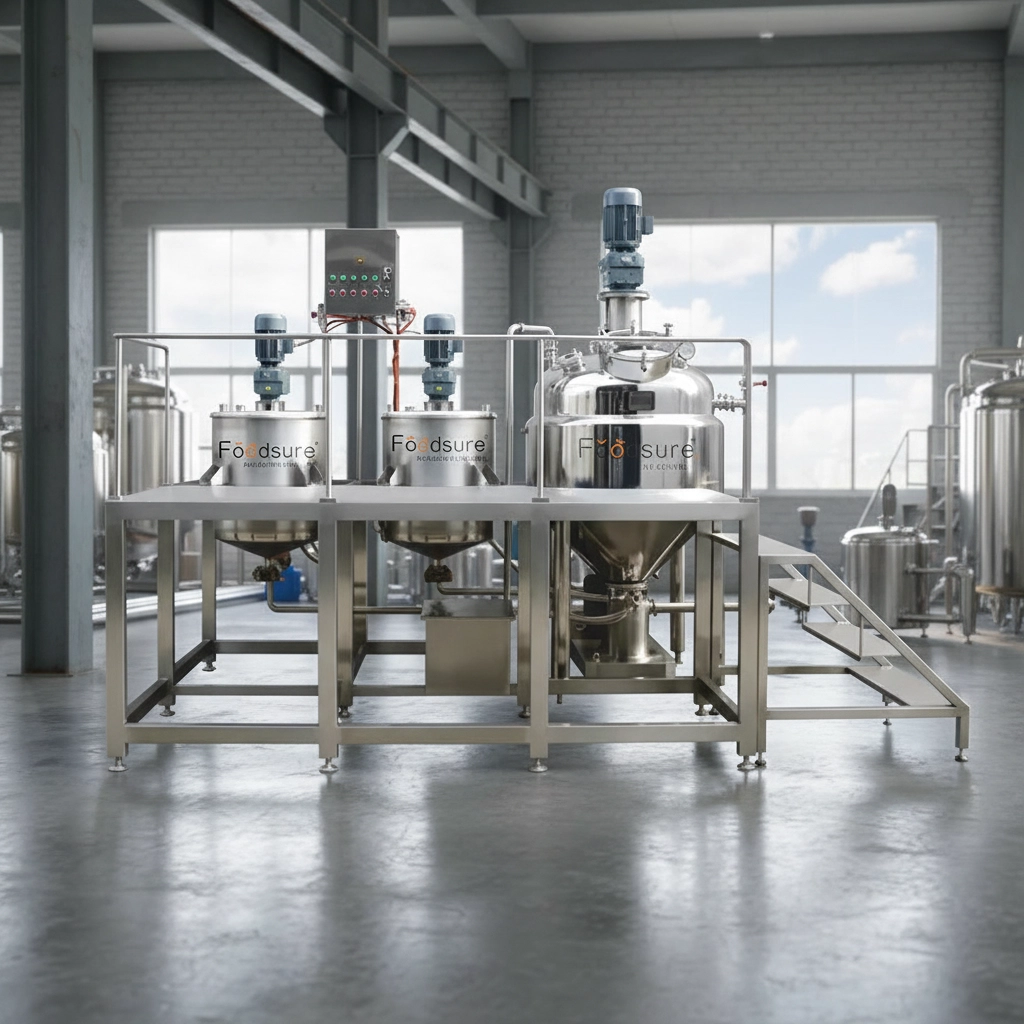
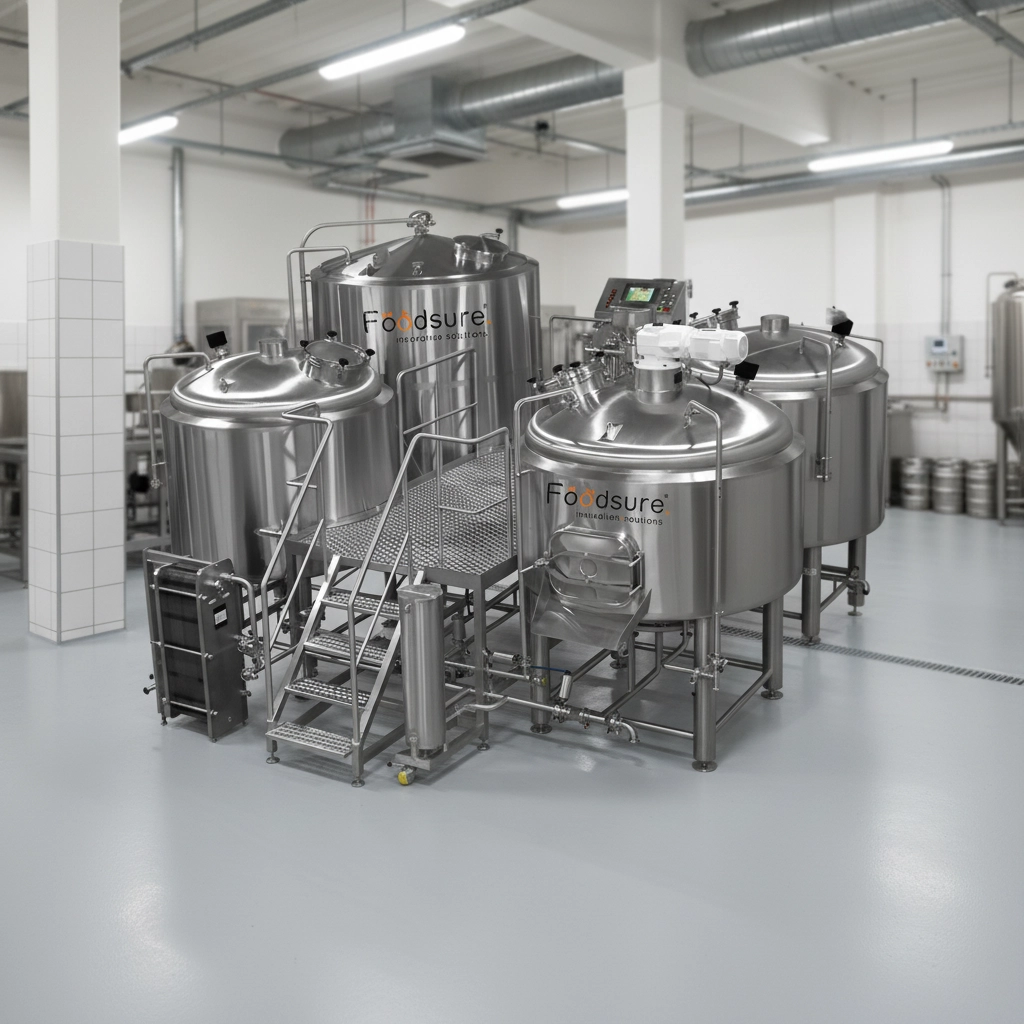
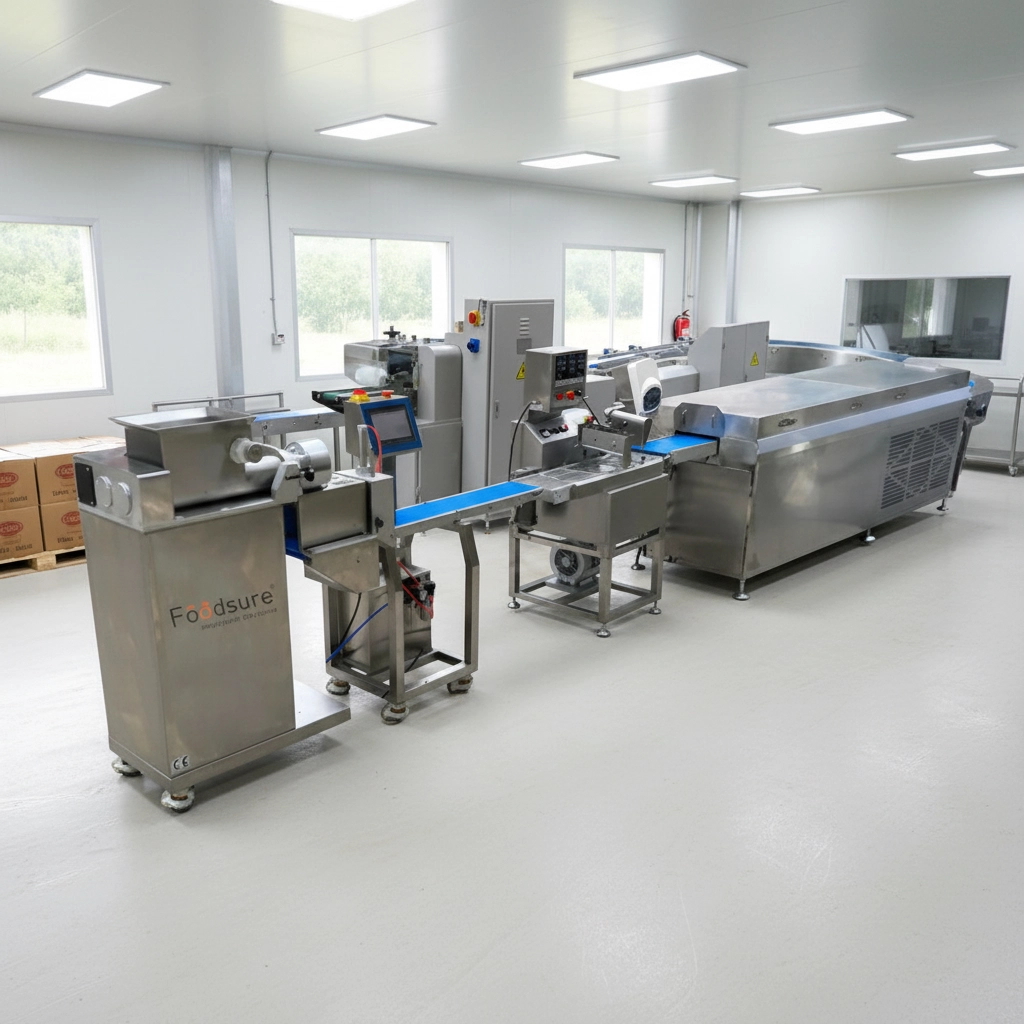

Investing in production hardware is a critical capital expenditure for any evolving culinary brand. However, the wrong protein bar machine selection that is incompatible with everyday operations results in a capacity trap that holds startups in a cycle of high waste and irreversible fixed costs, in addition to disrupting daily workflows. Founders are confronted with thousands of dollars in upgrading expenses and lost market momentum if technical specifications are not aligned with growth objectives.
Why the Right Protein Bar Machine Selection Decides Your Profit Margin
The unit economics analysis shows that wrong protein bar machine selection results in Lakhs of expenses. The existence of a protein bar production machine that operates at 10% lower efficiency destroys all your yearly production profit throughout that time.
The following data presents the standard operations of a startup that runs 5,000 bars through its production system each day.
- The giveaway expense results from inaccurate extruders, which produce weight differences between ±3-5g. Your monthly distribution of 3g extra per bar across 1.5Lakh bars will cost you ₹2.25 Lakhs/year at the ingredient price of ₹0.50 per gram.
- Manual or semi-automatic operations need 3-4 additional technicians who handle tray operations and all machine-related issues. Automation will save annual labour expenses, which reach between ₹7.2-9.6 Lakh, because of their average salary of ₹20,000.
- Lower-tier machines produce a 5-8% rejection rate because their sealing and shape design contain faults. The implementation of precision machinery leads to 1% operational costs, which result in annual savings of ₹4-6 Lakhs through reduced material waste.
- Modern servo motors use 30% less energy compared to traditional gear machines, which results in annual savings between ₹40,000-₹60,000 on power expenses.
Total Annual Leakage: The selection of a budget-friendly option leads to hidden financial losses between ₹13-18Lakhs annually that typically exceed the cost of a high-end machine.
4 Costly Consequences of Wrong Protein Bar Machine Selection
The selection of an inferior automatic protein bar making line leads to the accumulation of technical debt, which becomes more severe as your operations grow. The financial impact of the project reaches 3-5x the initial purchase price within the first 18 months.
Key data-driven consequences include:
1. Utilisation Inefficiency: The operation of a high-capacity protein bar production line at <30% capacity will result in increased fixed costs because of unused kilowatt-hours and unused employee time, which costs between ₹4-₹7 per bar produced.
2. The stickiness Tax: The operation of generic confectionery extruders for high-protein dough leads to a 40% increase in equipment downtime. The protein bar manufacturing equipment needs to undergo complete cleaning every 4 hrs because material buildup prevents operations for 12 hrs, resulting in the loss of 2,000+ units per day.
3. Scaling Friction: The process of upgrading a non-modular system requires complete line replacement. The system, which combines modular design with servo technology, enables a capacity expansion of 3x while requiring only 40% of the original capital expenditures.
4. Precision Loss: The monthly rejection rates increase by 1% when products fail to meet sealing or shape requirements, resulting in ₹50,000-₹75,000 monthly losses because of raw material and packaging waste.
What the Right Protein Bar Machine Setup Should Include for Startups

The production line operates as an optimised system that achieves full capacity through its multiple stages, which work together to stop production delays.
A high-margin operation requires these main technical specifications.
- The Torque-Optimised Mixing: System uses high-viscosity planetary mixers to produce complete material blending, which prevents dry pockets that lead to bar crumbling.
- Volumetric Extrusion: It uses precision rollers to achieve weight accuracy of ±0.5%, which decreases ingredient giveaway and results in annual raw material savings of Lakhs.
- Climate-Controlled Setting: The dedicated cooling tunnel, which serves as a climate-controlled environment, reduces setting time by 70% because it provides immediate structural integrity, which allows for wrapping.
- The synchronised flow-wrapping system: It uses integrated sensors to control wrapping speed according to extrusion output, which achieves 99% OEE (Overall Equipment Effectiveness) while minimising film waste.
How Smart Startups Approach Protein Bar Machine Selection Differently

The financial model of smart startups treats machinery as an operational asset that can grow with their business needs. The company uses a modular capital expenditure model, which enables it to maintain its cash reserves.
1. Modular Extrusion (Stage 1): Focus on reproducibility. Use entry-level extruders that share the same die geometry as industrial lines to ensure the recipe doesn’t change when scaling.
2. Automation Upgrades (Stage 2): Integrate servo-driven cutters and automated cooling. The process now focuses on optimising unit economics because it reduces labour expenses by 50%.
3. Integrated Synchronicity (Stage 3): Deploy multi-lane systems with robotic pick-and-place. The current stage shows that the achievement of a 0.5% efficiency improvement results in a Lakh profit for the company, which comes from high production capacity.
Conclusion
The wrong protein bar machine selection damages all three vital business elements of profit margins, operational consistency, and potential business expansion. Your organisation needs a proper setup to safeguard its operational future. Foodsure Machines assists startups in selecting production lines that can accommodate their future growth needs, which will help their business needs for protein bar production. Talk to us today for the right machine plan.
FAQ
How to choose the right protein bar machine for a startup?
Choose a scalable line where we focus on the protein specifically that suits your current throughput, as well as your future growth strategies.
What is the best protein bar machine for small business production?
The best choice for protein bar making machines, specifically for businesses, is an easy-to-use, modular, semi-automatic machine.
What is the ideal protein bar machine capacity for startups?
50-150 kg/hour should be all right for an initial protein bar production line, which will rely on the production needs per day.
What machines are required for a protein bar production setup for startups?
A startup protein bar production system commonly consists of a batch mixer, former, cooling conveyor, cutter, and a flow wrapper.
How does wrong protein bar machine selection increase production cost?
The wrong protein bar machine selection leads to increased production costs because it causes waste of ingredients and requires additional workforce, results in machine non-operational time, and results in product disposal.