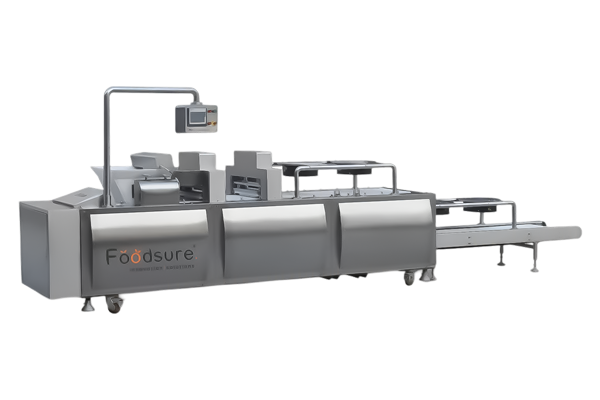
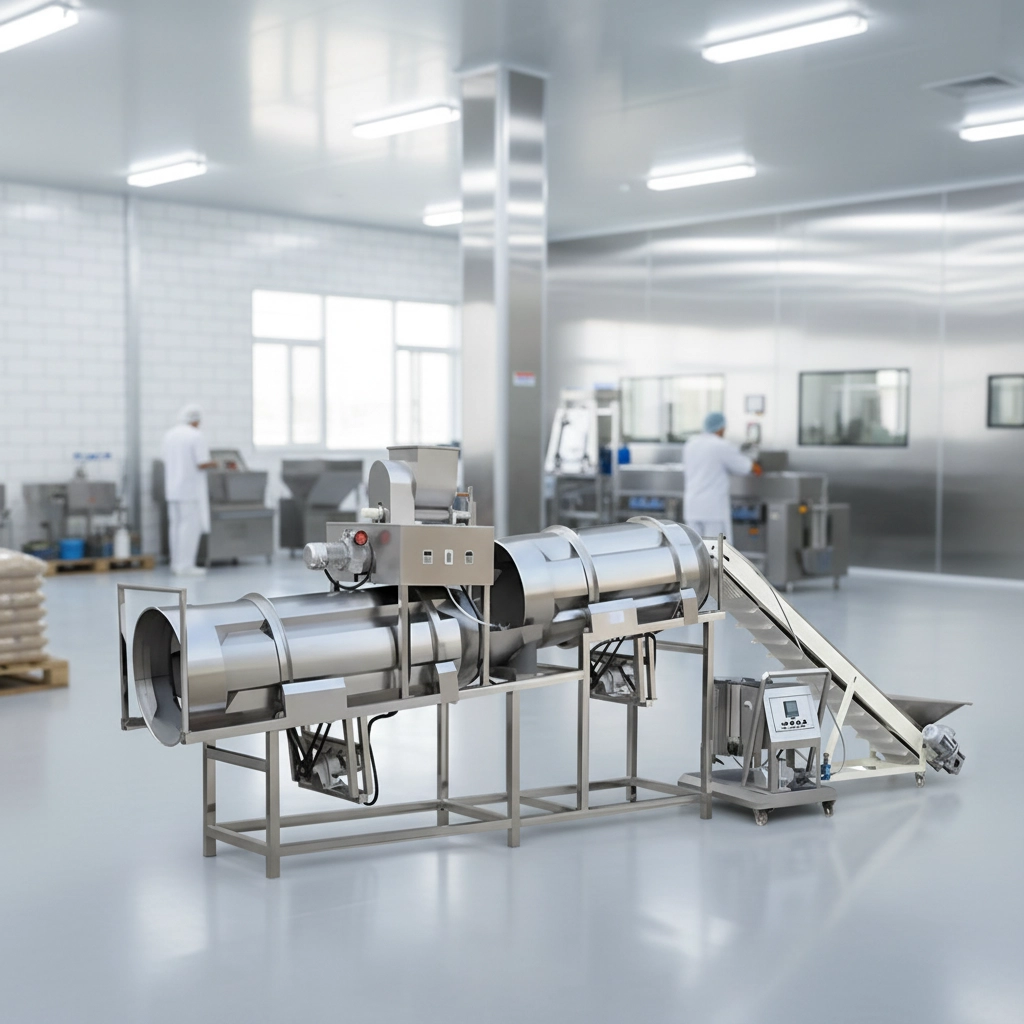
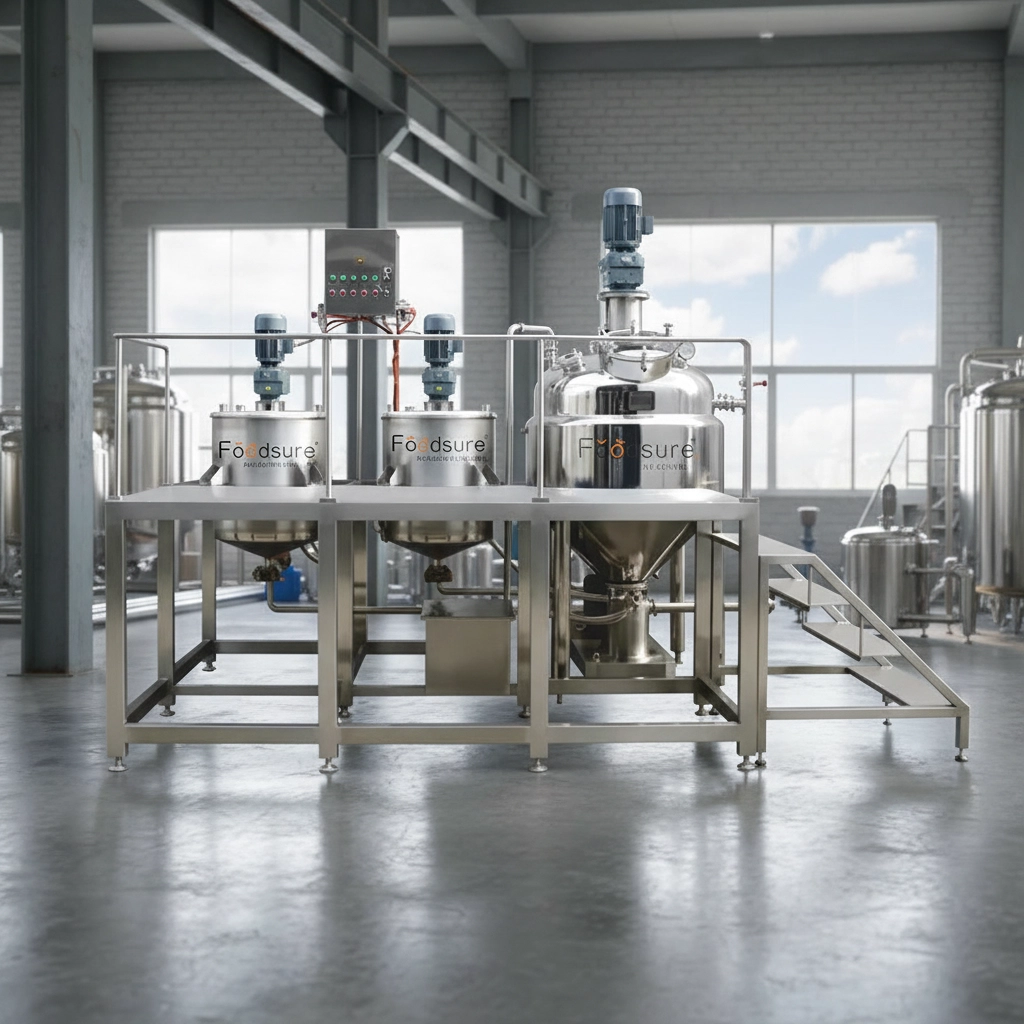
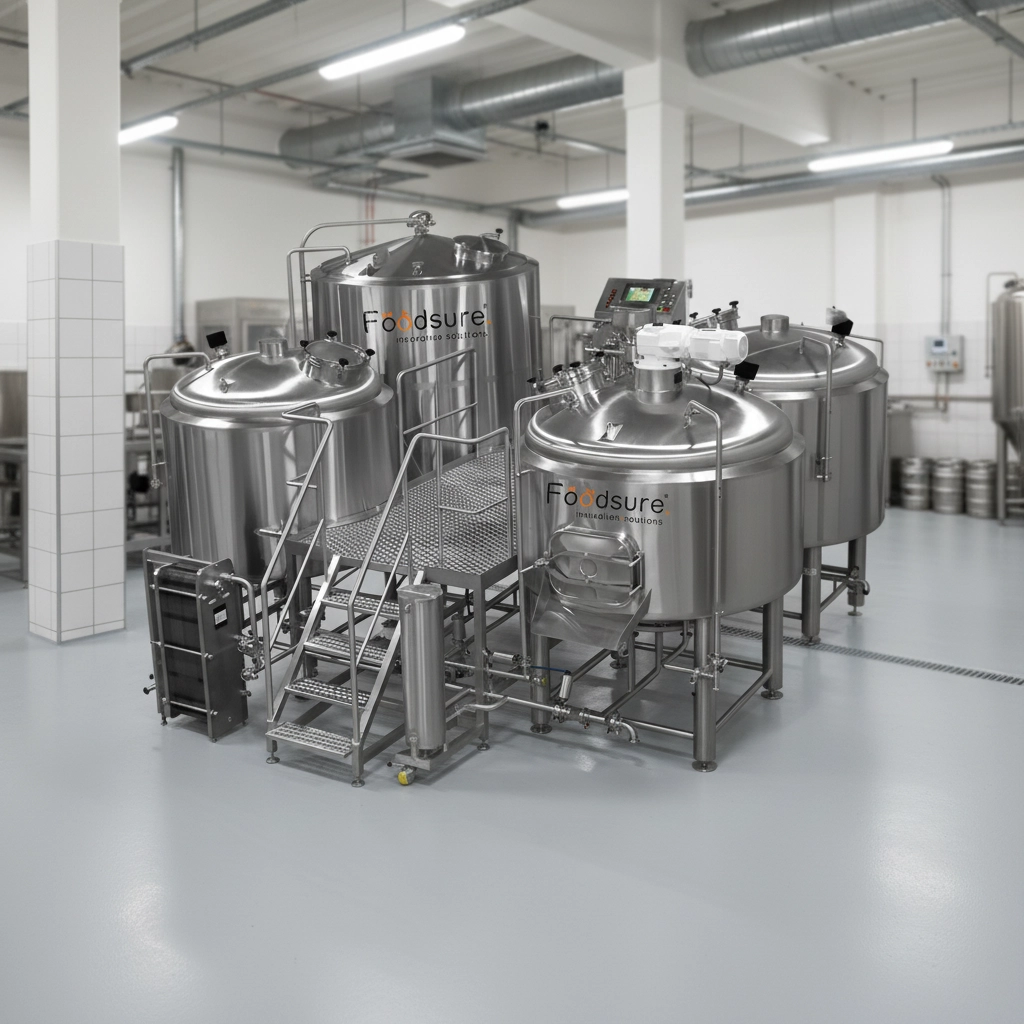
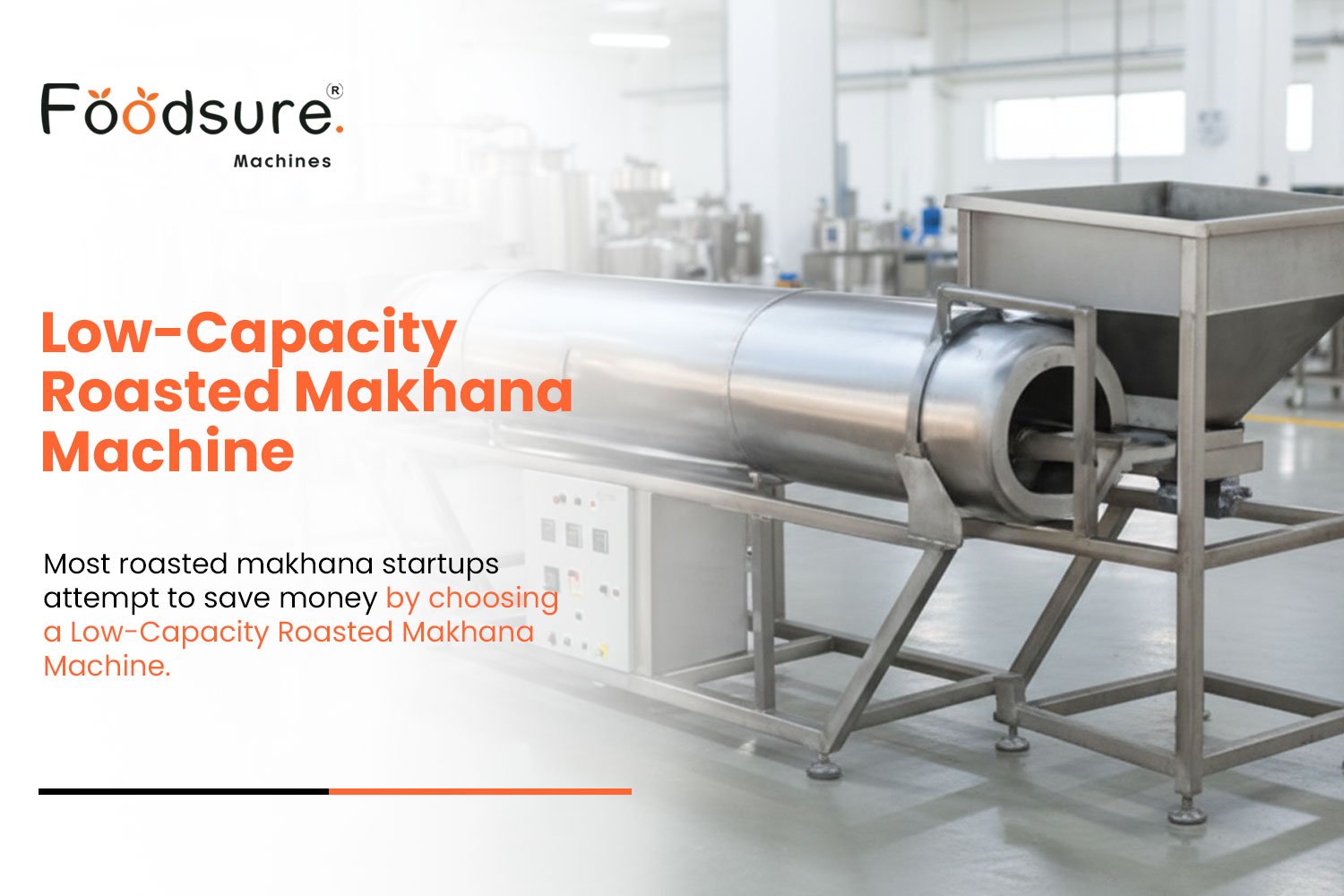
Most roasted makhana startups attempt to choose a Low-Capacity Roasted Makhana Machine by cost-cutting. In reality, it quietly limits output, strains labour, and caps growth before demand even stabilises. If your makhana roasting capacity is already dictating orders, margins, or delivery speed, you didn’t buy small; you bought a restrictive setup.
Why Many Roasted Makhana Startups Start with Under-Capacity Machines
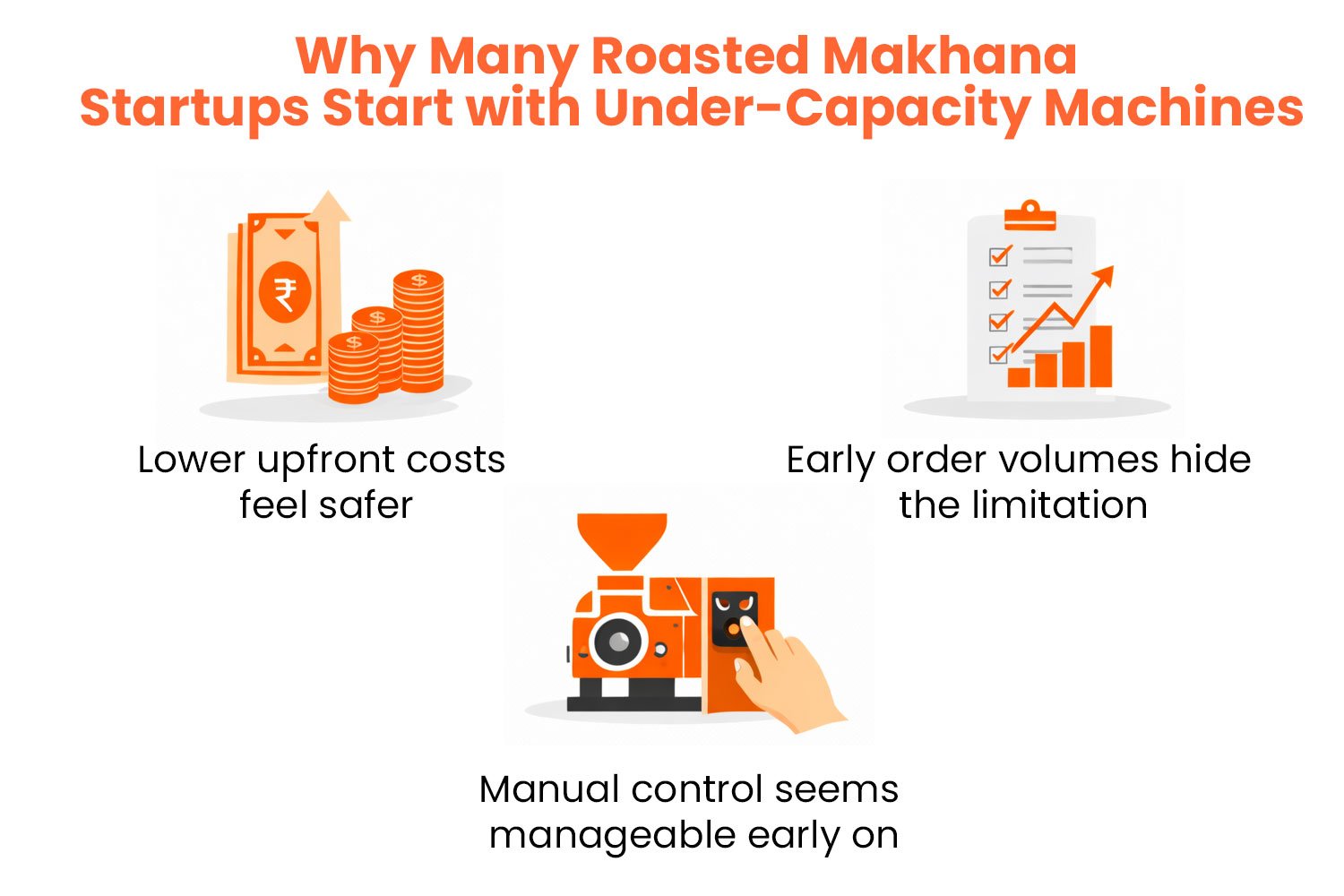
- Lower upfront costs feel safer:Usually, a Low-Capacity Roasted Makhana Machine comes with a smaller invoice, which seems to be less risky for first-time founders. If capital is tight, this makes the decision look financially responsible, even if it only solves today’s production needs.
- Early order volumes hide the limitation: Startup orders for roasted makhana are often small and irregular at first. During this period, limited roasting capability is not an issue, so the makhana making machine is viewed as sufficient rather than restrictive.
- Manual control seems manageable early on: When the production runs are short, hand-feeding, batch monitoring, and frequent adjustments feel doable. The issue only arises when the volumes expand, and human control begins to break consistency and speed.
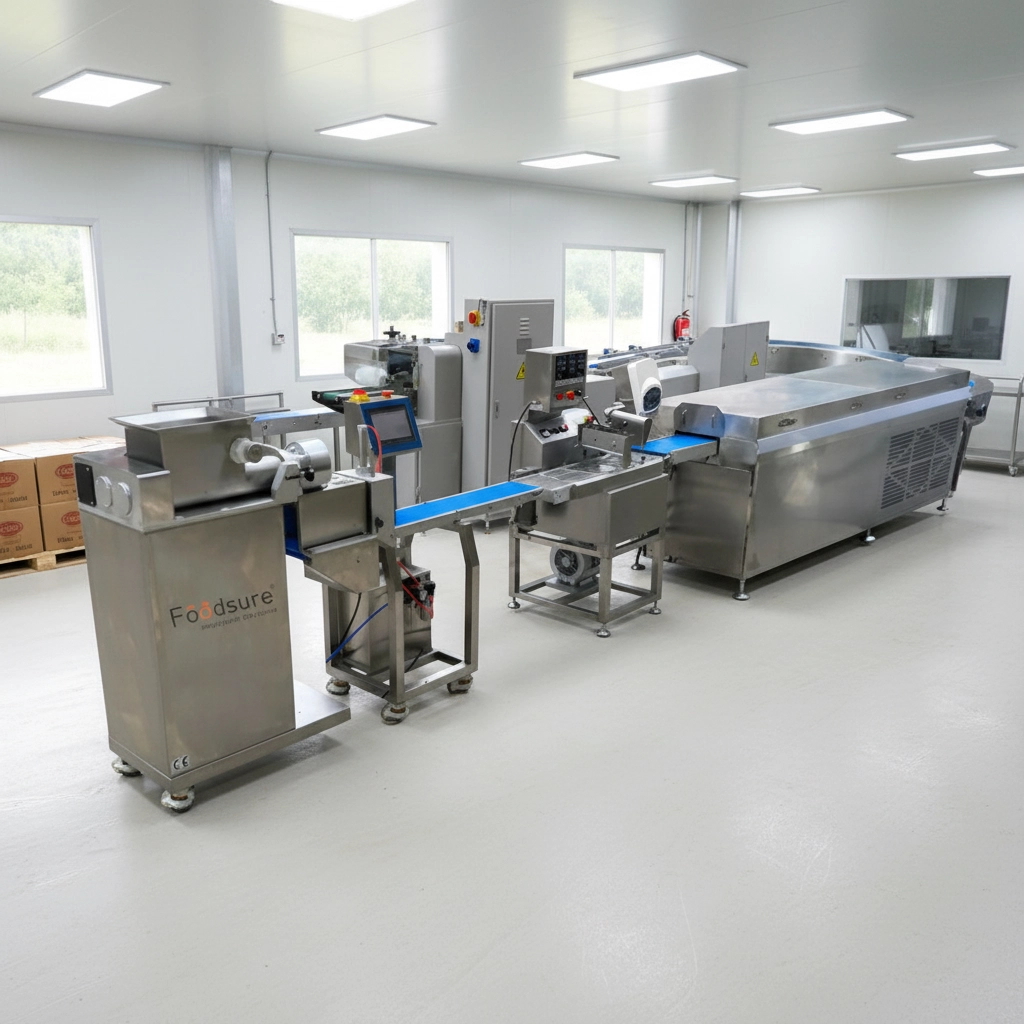
High-Capacity Vs Small-Scale Makhana Machines
The Hidden Costs Startups Discover Only After Production Begins
Here is the point where the majority of industrial roasted makhana machines for startups come to understand that the issue was never concerned with the price; it was the insufficient capacity.
Output Bottlenecks That Break Order Commitments
- A roaster that claims to have the capacity of 25 kg/hour rarely produces that amount continuously due to reasons such as warm-up losses, batch gaps, and cooling cycles, which cut real output to 16-18 kg/hour.
- Peak demand exposes the mismatch: At 18 kg/hr, the output in an 8-hour shift is about 145 kg/day, which is distant from the 250–300 kg/day sudden demand of distributors.
- Missed dispatch windows become routine: Orders are broken across days, reliability goes down first, before any profits are affected, and logistics costs rise.
Labour Dependency Increases Faster Than Output
- Extra shifts to chase volume: Startups that cannot afford to upgrade their capacity opt for the longer shifts rather than better throughput to compensate for low capacity.
- Skilled operator dependency: The Low-Capacity Roasted Makhana Machine needs constant manual judgment, such as temperature tweaking, batch timing, and visual checking, which makes output depend on the operator rather than the machine.
- Fatigue-driven errors creep in: As hours are stretched, consistency drops, and this is where many founders begin to re-evaluate high-capacity vs small-scale makhana machines in terms of scalability.
Inconsistent Roasting Leads to Rejection & Returns
- Uneven heating across batches is one of the first signs your roaster is undersized. Smaller makhana processing machines struggle to distribute heat evenly, so parts of the batch over-roast while others stay underdone.
- Batch-to-batch variation is the next problem. When operators keep tweaking settings just to get acceptable results, it’s a clear signal that today’s output isn’t matching yesterday’s. That means your roasting process isn’t stable, and consistency is being held together by manual guesswork rather than control.
- Quality rejection & brand erosion: Distributors flag quality rejection cases, and consumers notice taste variation, and roasted makhana consistency; the basis of repeat orders starts to slip.
Higher Cost per Kilo (The Silent Margin Killer)
- Labour cost per kg rises quietly: More hours, more hands, but still the same output.
- Power inefficiency at low throughput: Heating cycles use almost the same energy for fewer kilos.
- Rework and wastage: Unbalanced batches lead to either re-roasting or discarding.
Forced Machine Upgrade Within 6–12 Months
- Double investment becomes unavoidable: The starter machine is taken out within the period of depreciation.
- Downtime during transition: Order flow is interrupted by installation, trials, and production stoppages.
- Learning curve resets: Operators go through retraining, processes get adapted, and consistency suffers a setback again, just when the business should be stabilising.
Real-World Startup Scenario: When a 20 kg/hr Roaster Breaks at Scale
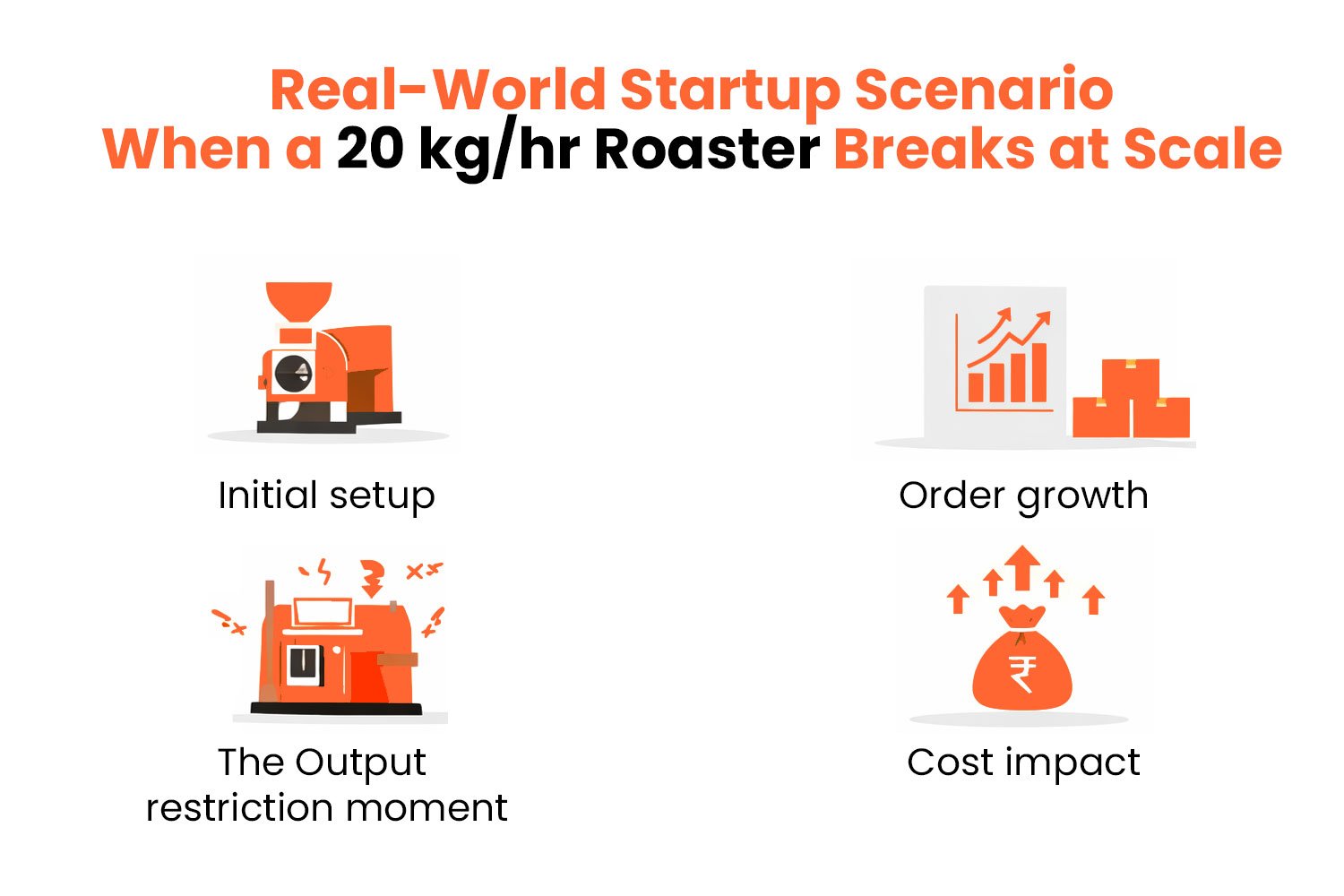
- Initial setup: A startup specialising in roasted makhana opts for a 20 kg/hr roaster to minimise the risk associated with capital. The demand for roasted makhana is quite low at the beginning, and production runs are short, so manual control is still quite effective and predictable.
- Order growth: Within four months, regular customers and a regional distributor increased the demand to 250–300 kg per day.
- The Output restriction moment: The actual output that can be used settles around 14–16 kg/hr. Long shifts, ignored maintenance periods, and uneven roasting are gradually leading to reduced dispatches.
- Cost impact: Labour hours have doubled, the cost of power per kilo has increased, rejection rates are higher, and margins have decreased, forcing the company to upgrade its machinery sooner than planned.
How to Calculate the Right Roasted Makhana Machine Capacity
Consider this table as a very useful practical planning tool, rather than a theoretical estimate. It aids the start-up companies to determine the actual roasted makhana machine capacity they require without the risk of underbuying or overpaying.
| Calculation Factor | What to Consider | Practical Rule of Thumb |
| Daily order volume | Confirm committed dispatch quantity, not enquiries | Base capacity on confirmed kg/day, not average sales |
| Peak season demand | Festivals, retail promotions, distributor stock-up | Add 30–40% buffer over normal daily volume |
| Shift planning | Number of working hours per shift | Avoid planning beyond 8–10 hrs/day for consistency |
| Rejection allowance | Loss due to uneven roasting, breakage, and rework | Factor 8–12% extra output to stay safe |
Conclusion
Selecting the appropriate roasting capacity is not only a choice of the machine but a business decision. At Foodsure Machines, we help new companies prevent losses due to under-capacity with scalable solutions to address these issues. Our emphasis is clear: safeguard profits, maintain quality, and promote development with certainty.
Frequently Asked Questions
What is a low-capacity roasted makhana machine?
It is designed to roast small batches of makhana per hour and is ideal for startups or trial-run production setups.
What is the typical output?
The output is usually 15–25 kg per hour, depending on the model and operating conditions.
Is it suitable for startups?
Yes, it supports small-scale production and keeps the initial investment manageable for new brands.
Can it handle peak demand?
Not fully. As orders grow, longer shifts or an upgrade to a fully automatic machine may be required.
What fuel or power does it use?
Most machines run on electricity, while some models may support gas or biomass depending on the setup.
Is manual intervention required?
Yes, an operator must monitor temperature and batches to maintain roasting consistency.
How consistent is the roasting?
Semi-automatic machines may produce slight variations between batches, but skilled operation reduces inconsistency.
Can it be scaled later?
Yes, as demand increases, the setup can be upgraded to a fully automatic makhana machine without replacing the entire line.