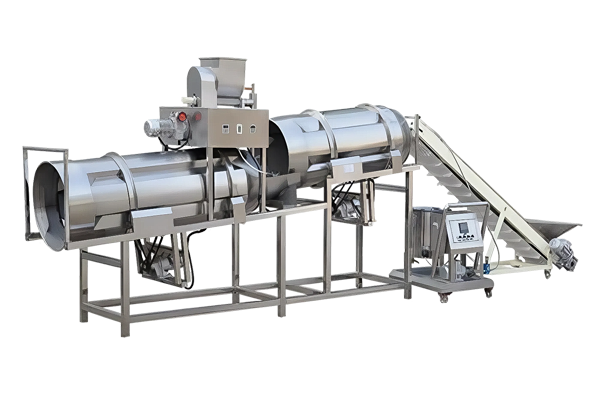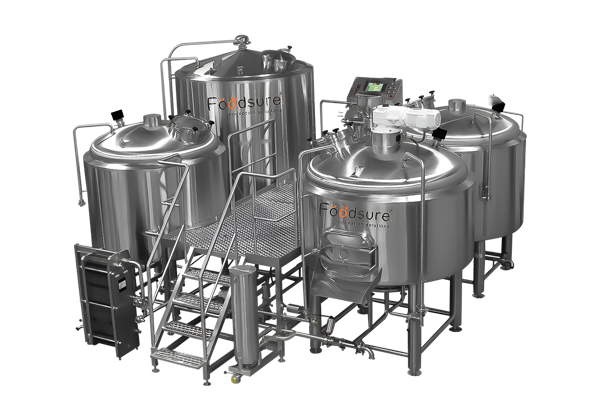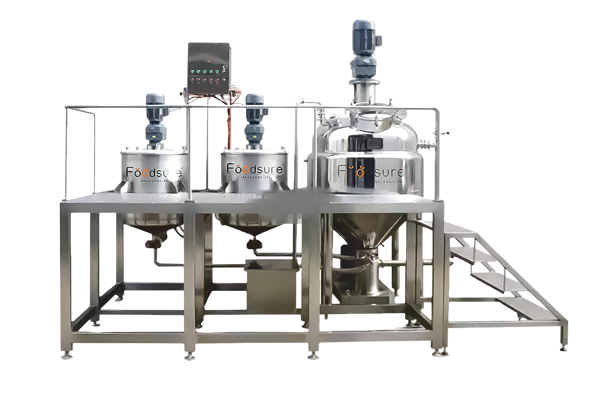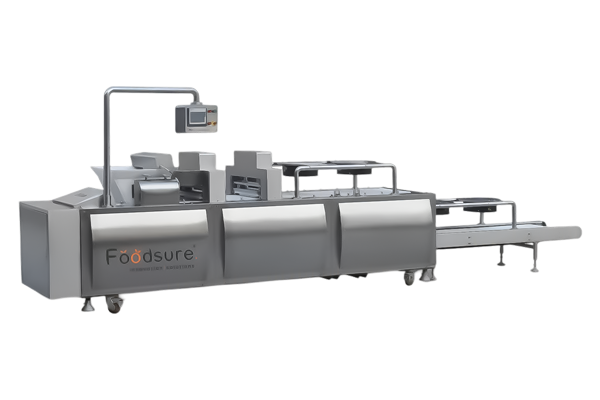
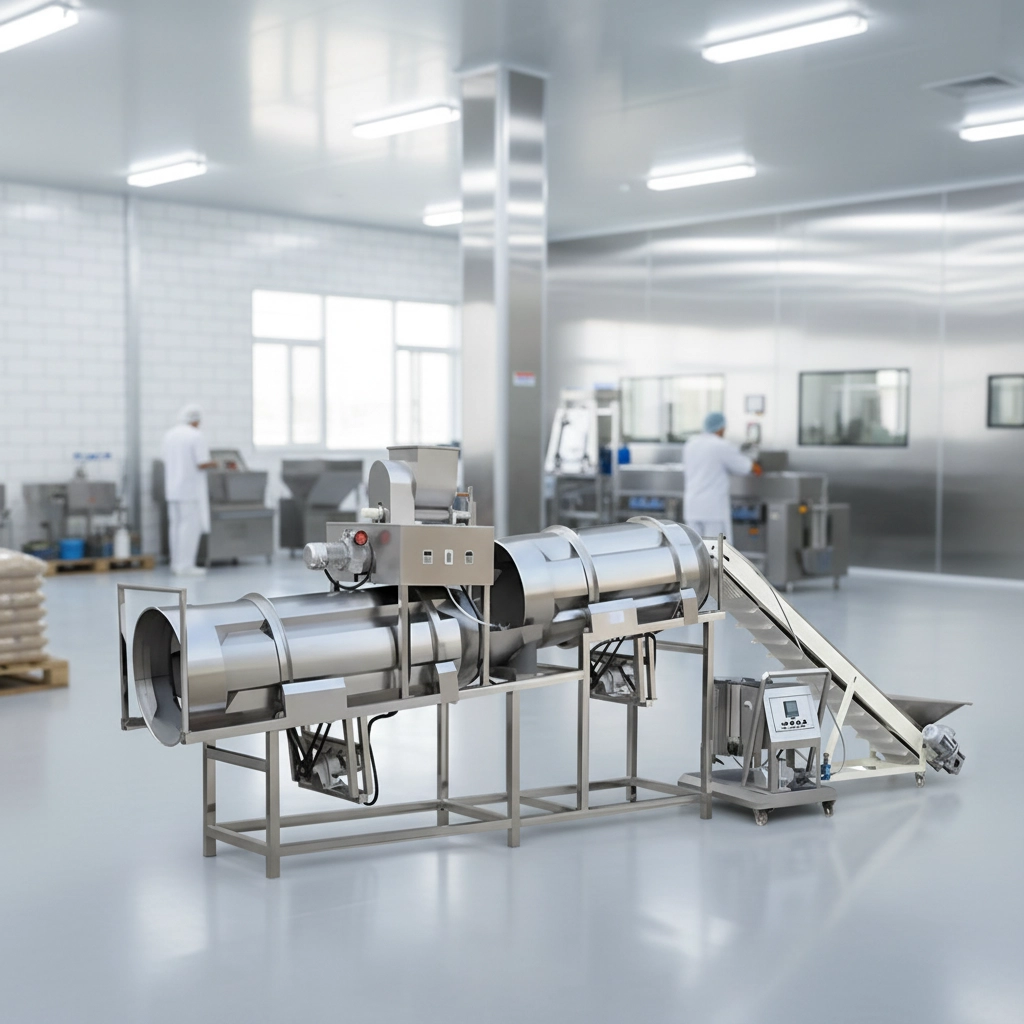
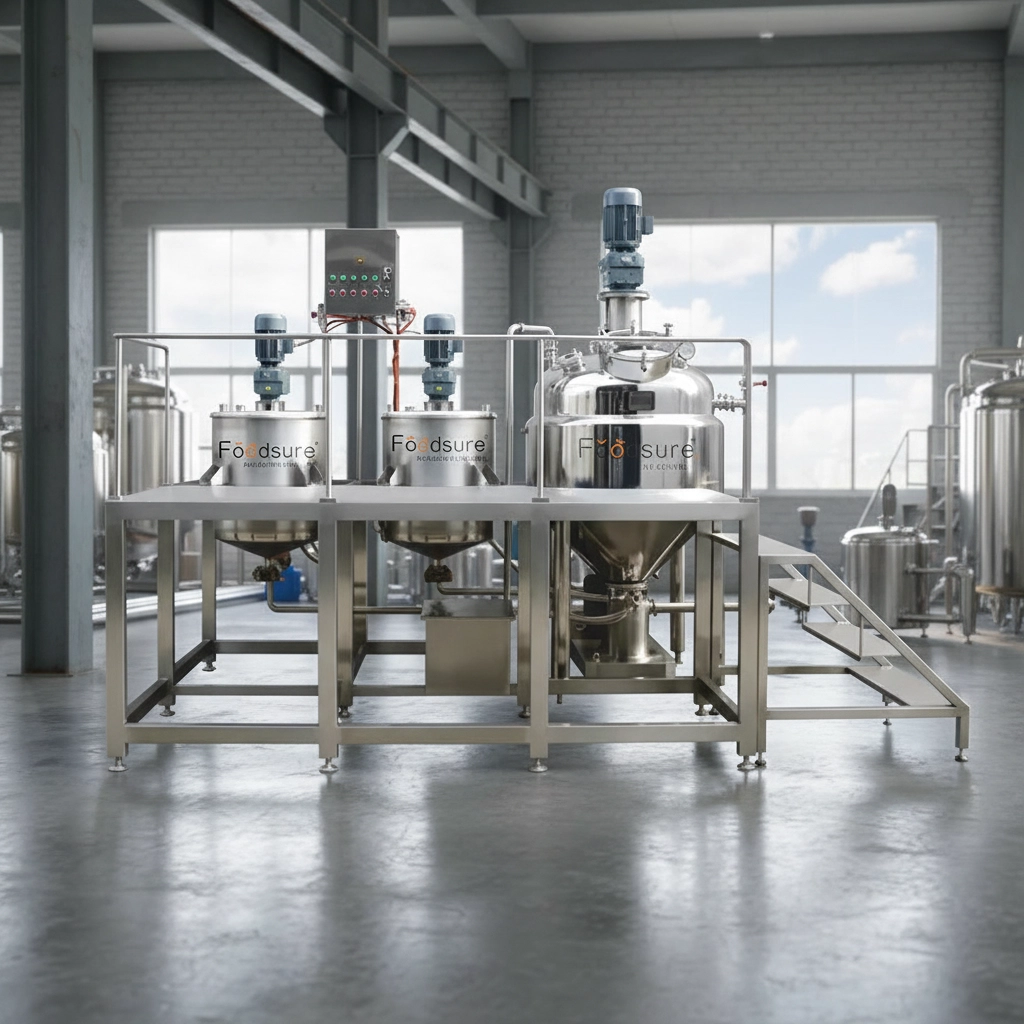
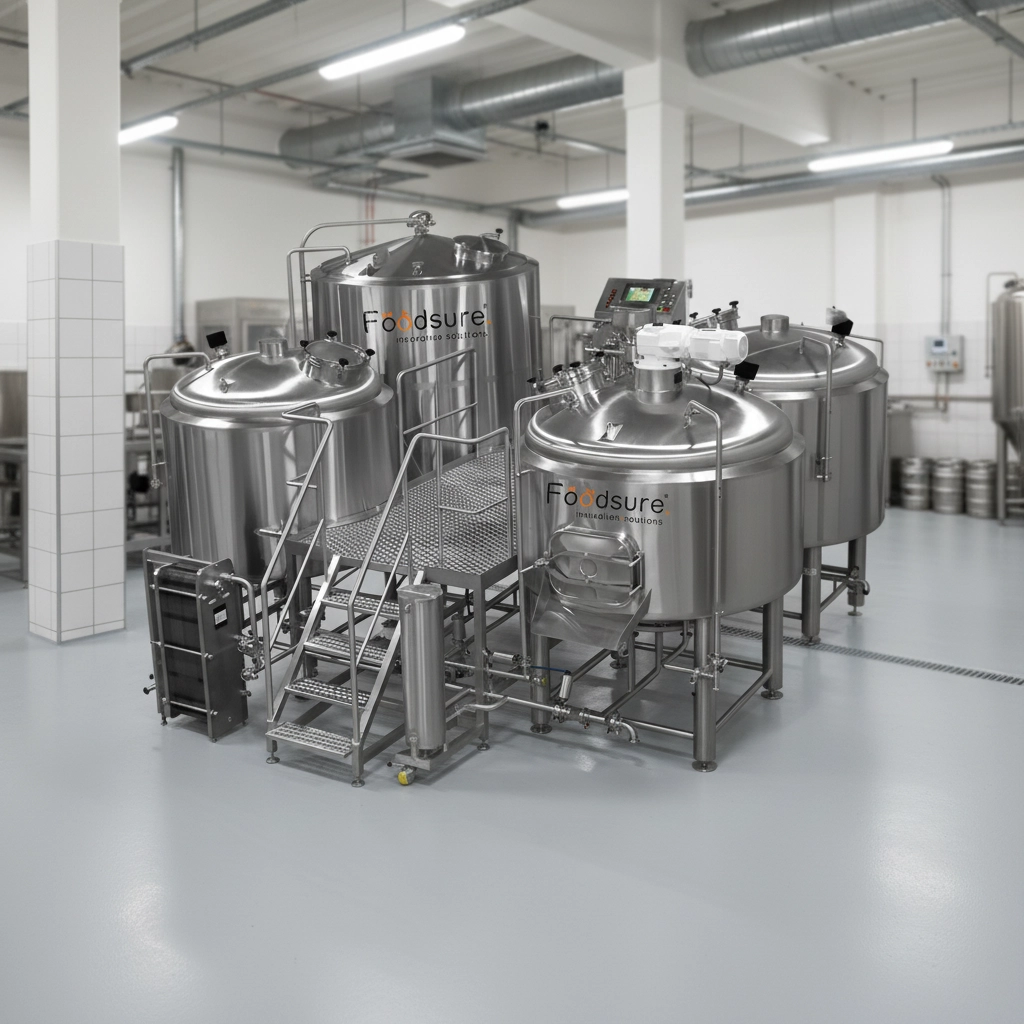
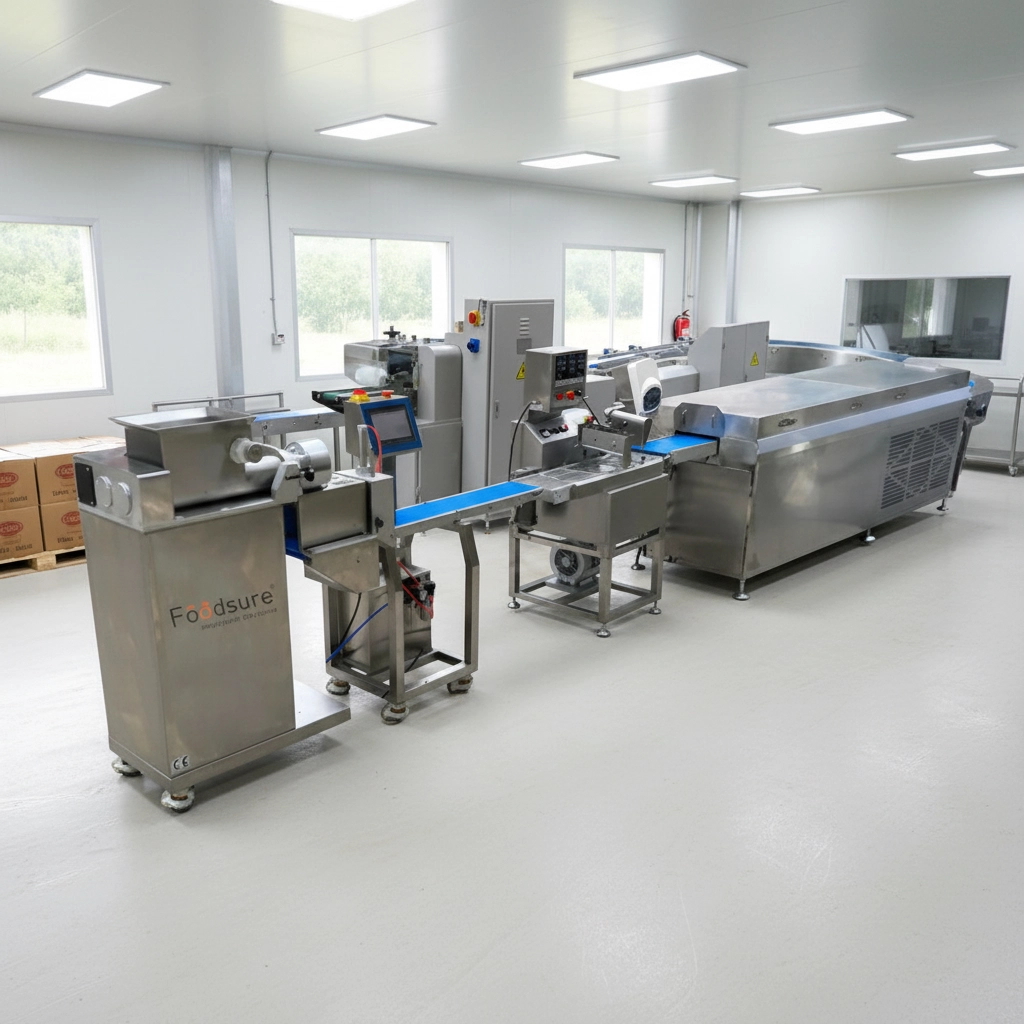

Over 70% of food factories lose consistency because their powders don’t blend evenly. Let’s see what’s really happening. Your formula stays the same, yet the batch shifts. Take a look at what that means. The mixer is holding you back. An food industry protein powder mixer machine closes that gap and stops the slowdowns, texture swings, and customer complaints eating into your output. Keep reading, and you’ll see how much consistency you’ve been leaving on the table and how to fix it for good.
What a Modern Protein Powder Blending Machine Actually Does
Protein powder manufacturing isn’t just about mixing, it’s about controlled, repeatable, validated blending.
Industrial protein powder blending machines are designed to:
- Deliver uniform nutrient distribution.
- Eliminate dead zones and segregation.
- Reduce batch rejection and rework.
- Maintain protein integrity (heat & shear sensitive).
- Scale production without compromising quality.
In real-world factories, batch capacities typically range from 200 kg to 1500 kg, with large operations exceeding 2000 kg per batch. The right mixer doesn’t just blend, it standardizes your output.
The Real Difference Between Protein Powder Machine Mixers
Every powder behaves differently. Flowability, density, fat content, and hygroscopic nature determine which blender succeeds.
| Mixer Type | Mixing Principle | Best For | Typical Blend Time | Uniformity Level | Key Advantage | Caution / Limitation |
|---|---|---|---|---|---|---|
| Ribbon Blender | Convective, low shear | Whey protein, plant protein isolates, free-flowing powders | 10–15 minutes | CV ≤5–8% | Dual counter-directional ribbons eliminate dead zones while keeping heat low | Not ideal for very sticky or oil-heavy powders |
| Plough Share Mixer | High shear, turbulent mixing | Agglomerated whey, maltodextrin blends, oil-coated powders | 5–10 minutes | CV ≤5–10% (depending on shear control) | Creates fluidized mixing zones that handle dense and sticky powders | Excess shear can damage heat- or shear-sensitive proteins |
| Double Cone Blender | Diffusion and tumbling (gentle mixing) | Fragile crystals, vitamin premixes, nutraceutical blends | 15–20 minutes | CV ≤8–12% | Ultra-gentle blending protects delicate ingredients | Longer mixing time, not suitable for heavy or high-density powders |
Why Modern Protein Powder Machines Are Non-Negotiable Today
| Key Capability | What It Means in Production | Why It Matters for Your Factory |
|---|---|---|
| Batch-to-Batch Consistency | Speed, torque, mixing time, and fill levels are digitally controlled and repeatable | Same recipe → same output every batch, reducing variability and customer complaints |
| Fully Automatic Mixing | Torque-based automation stops the blend at the exact uniformity point | Eliminates guesswork, prevents over-mixing, and reduces operator dependency |
| Food-Grade, Contamination-Free Design | Mirror-polished stainless steel contact parts with hygienic construction | Prevents flavor carryover, microbial growth, and cross-contamination between batches |
| Vacuum & Hygroscopic Protection | Vacuum-enabled or sealed systems limit moisture and air exposure | Protects moisture-sensitive powders, improves shelf life, and maintains ingredient stability |
Read More: Protein Bar Production Process: A Beginner’s Guide to Step-by-Step Manufacturing
Why Modern Protein Powder Blending Machines Are Key to High-Quality Protein Powders
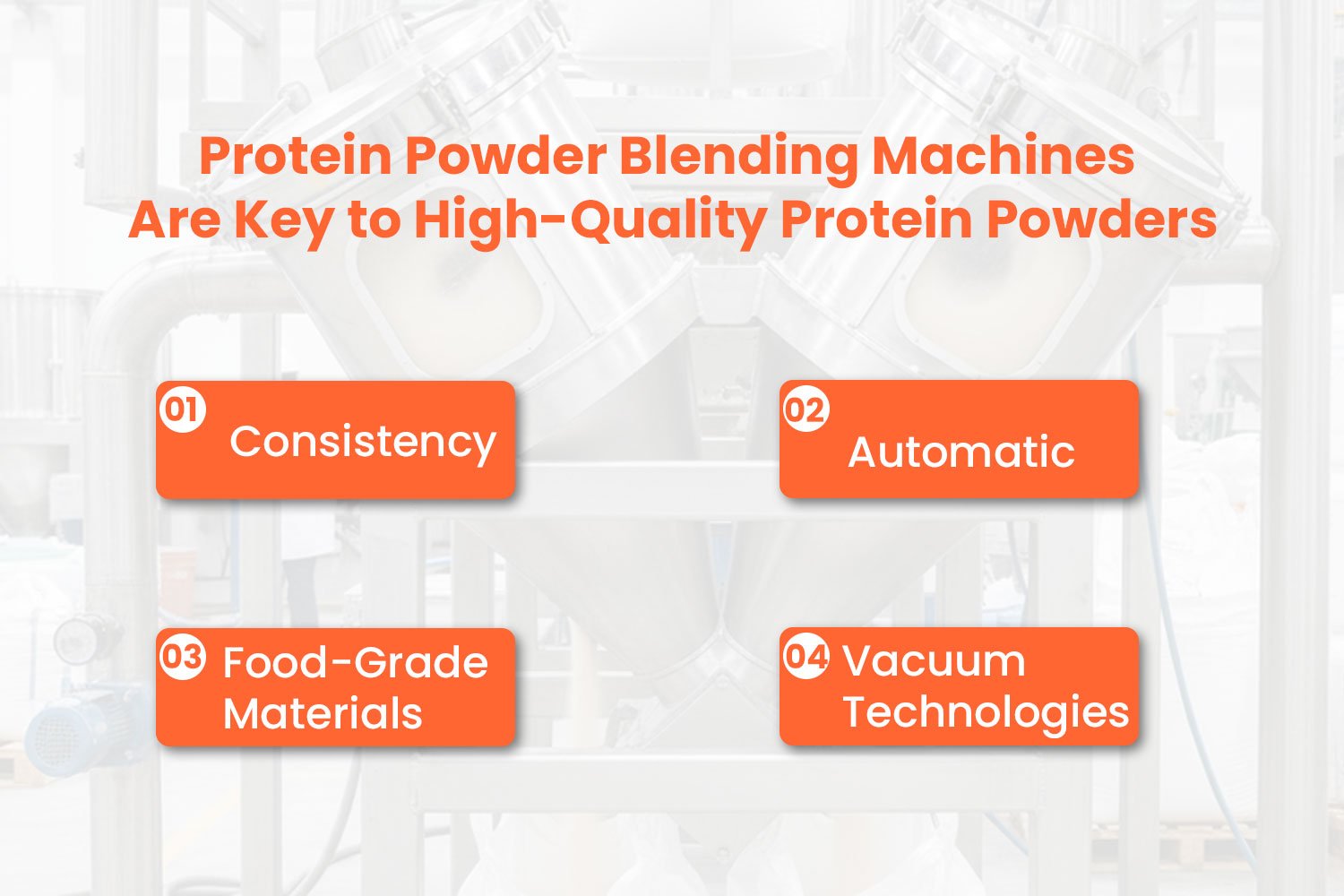
- Consistency: Using the Same Ingredients for Every Batch Ensures You Know Exactly What You’re Getting. All Mixing Speeds, Times, and Amounts of Torque are Applied at the Same Rate. If You Follow the Same Recipe to Produce Protein Powder, You Can Expect to Get a Consistent Product Every Time.
- Automatic: By measuring Torque while whey protein powder mixing equipment, you eliminate the guesswork associated with mixing, and there are no “over-mixing” errors since the mixing will automatically shut off once the Mixing has been completed to a perfect blend of powdered product.
- Food-Grade Materials: To ensure that your product is manufactured using only stainless steel Protein Powder Mixing Machine Advanced Automation System, all Packaging and Product Components must be free from any form of contamination, including but not limited to residuals, microbiological Contamination, and flavor carryover.
- Vacuum Technologies: Vacuum Packaging is one of the best ways to store hygroscopic powders for an extended shelf life without compromising product quality, since it both minimizes Exposure to Air and Moisture during the packaging process.
Read More: Investing in a Protein Bar Production Line – ROI, Costs & Profit Margins
Why Compliance Matters for Protein Powder Manufacturing Machine
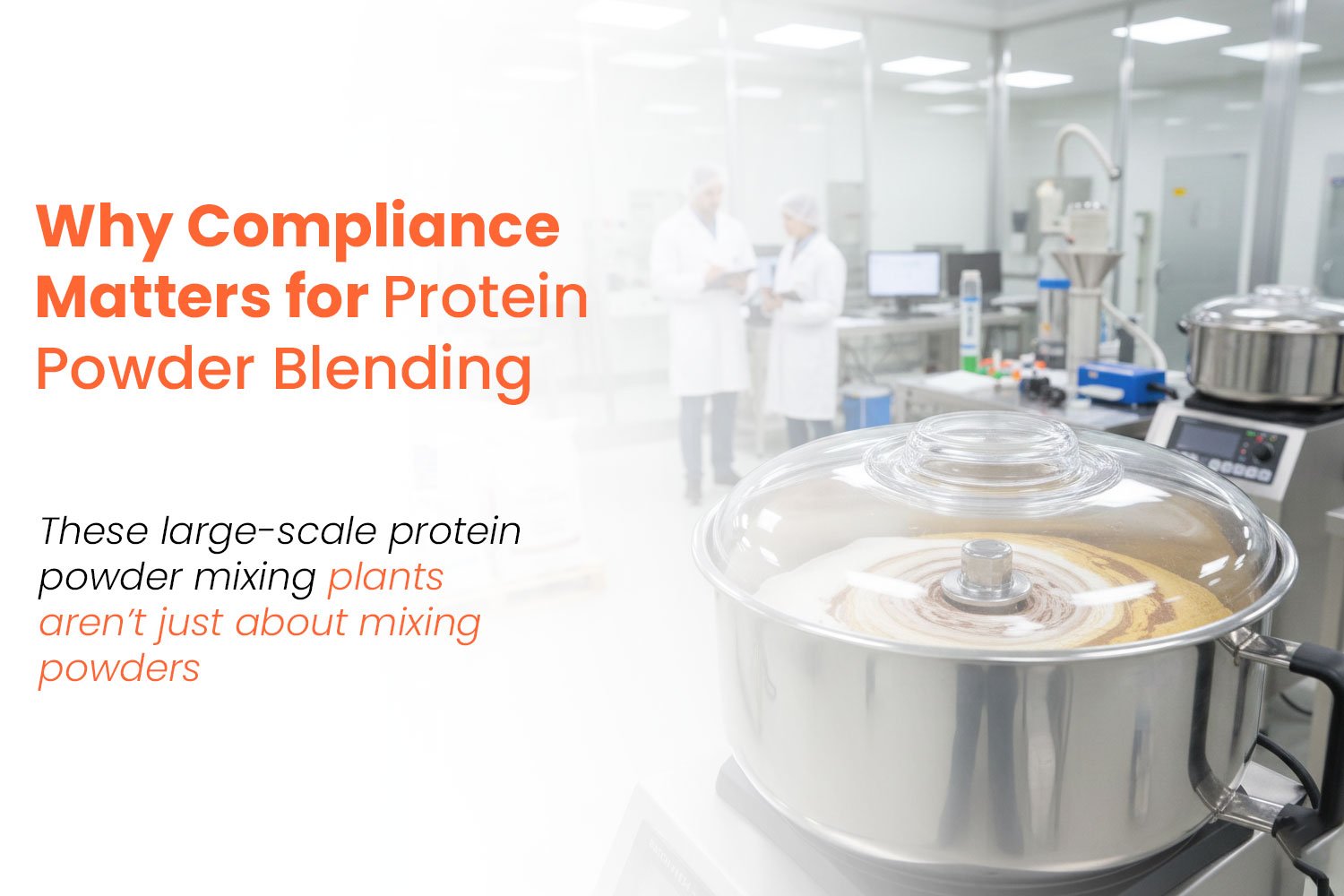
These large-scale protein powder manufacturing equipment aren’t just about mixing powders; they are about doing it safely and consistently. They meet global food safety standards, so you can trust every batch.
- The use of cGMP-Compliant Design maintains a clean and managed environment for manufacturing, where the processed products comply with all cGMP guidelines.
- FSSC 22000 certification confirms that all process steps are consistently documented and easily searched for throughout your process chain.
- The BRCGS and HACCP controls are intended to assist in minimizing contamination, thereby maintaining product integrity.
Why Foodsure Machines Stands Out in Protein Powder Making Machine
Not all mixers deliver the same results, even if specs look similar.
| Feature | Benefit to Your Factory |
|---|---|
| 95% CV uniformity | Consistent taste and nutrition in every batch |
| SS316L mirror finish | Faster cleaning, lower contamination risk |
| Integrated CIP/WIP systems | Reduced downtime between batches |
| Custom mixing tools | Handles sticky, fragile, and dense powders |
| 100 kg – 2000+ kg batch range | Scales with business growth |
| Local service support | Faster issue resolution, less production loss |
Conclusion
At Foodsure Machines, we provide automated, sanitary, and local support for high-quality, safe, and efficient mixing, regardless of batch size. Therefore, our customers can utilize our machinery to mass-produce while maintaining the same level of quality standards in their end product. Contact Foodsure Machines today to get a quote or discuss the right solution for your factory.
Have a Question? Let’s Connect!
We’re here to assist you anytime. Contact us via call or email.
FAQs
What causes inconsistent protein powder batches?
Uneven mixing due to outdated or under-specified blending machines.
Which blender is best for large-scale protein powder production?
An automated ribbon blender with torque and speed control.
What batch size should founders plan for initially?
Most startups begin efficiently with 200–500 kg batch capacity.
How do I measure blend quality objectively?
By checking the coefficient of variation (CV), ideally ≤10%.
Can one blender handle multiple protein formulations?
Yes, modern computerized blenders manage varying densities and ingredients.
Does over-mixing damage protein quality?
Yes, excessive shear or heat can degrade sensitive proteins.
How important is automation in powder blending?
Automation ensures repeatability, eliminates human error, and improves consistency.
What compliance standards should my blender meet?
cGMP, FSSC 22000, HACCP, and BRCGS are essential.
Is cleaning time a major production bottleneck?
Not with CIP/WIP-enabled stainless-steel blending systems.
When should a founder upgrade their blending machine?
When batch variability, rework, or customer complaints start increasing.