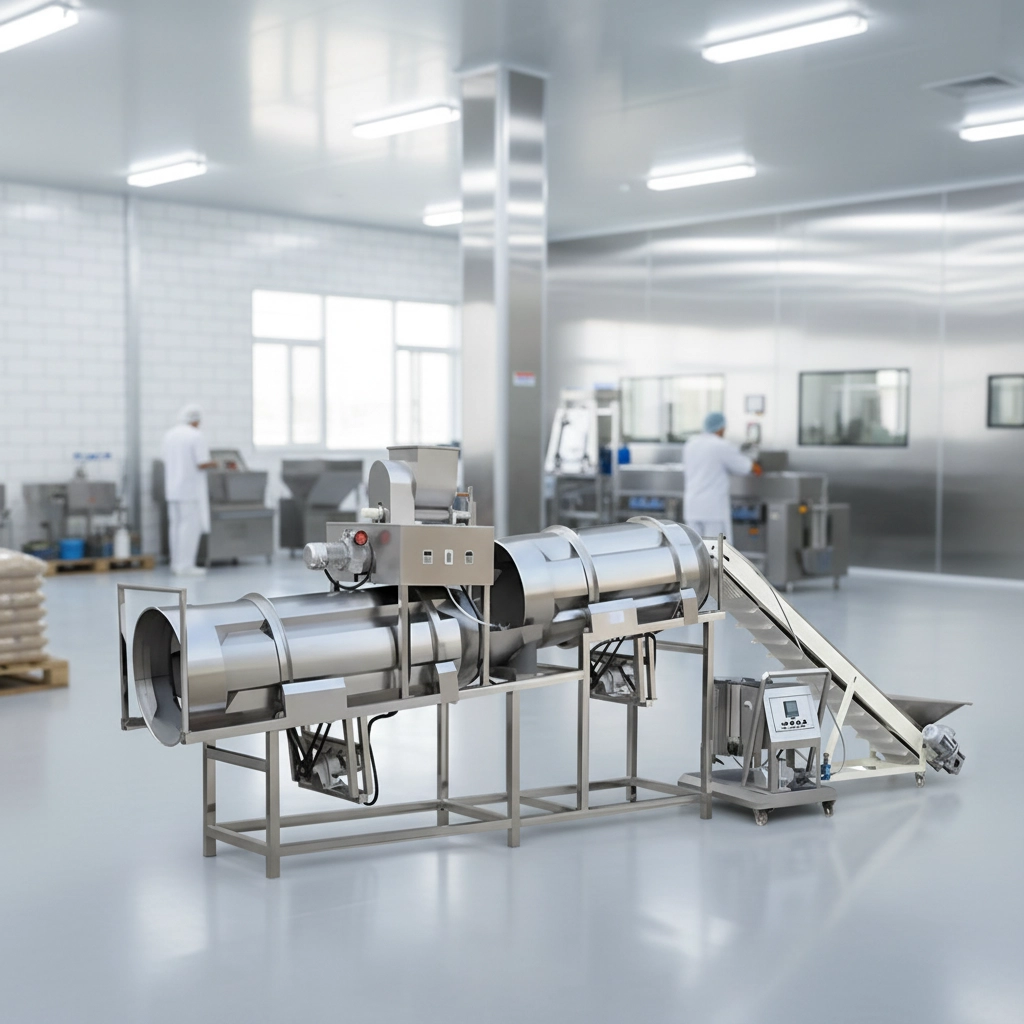
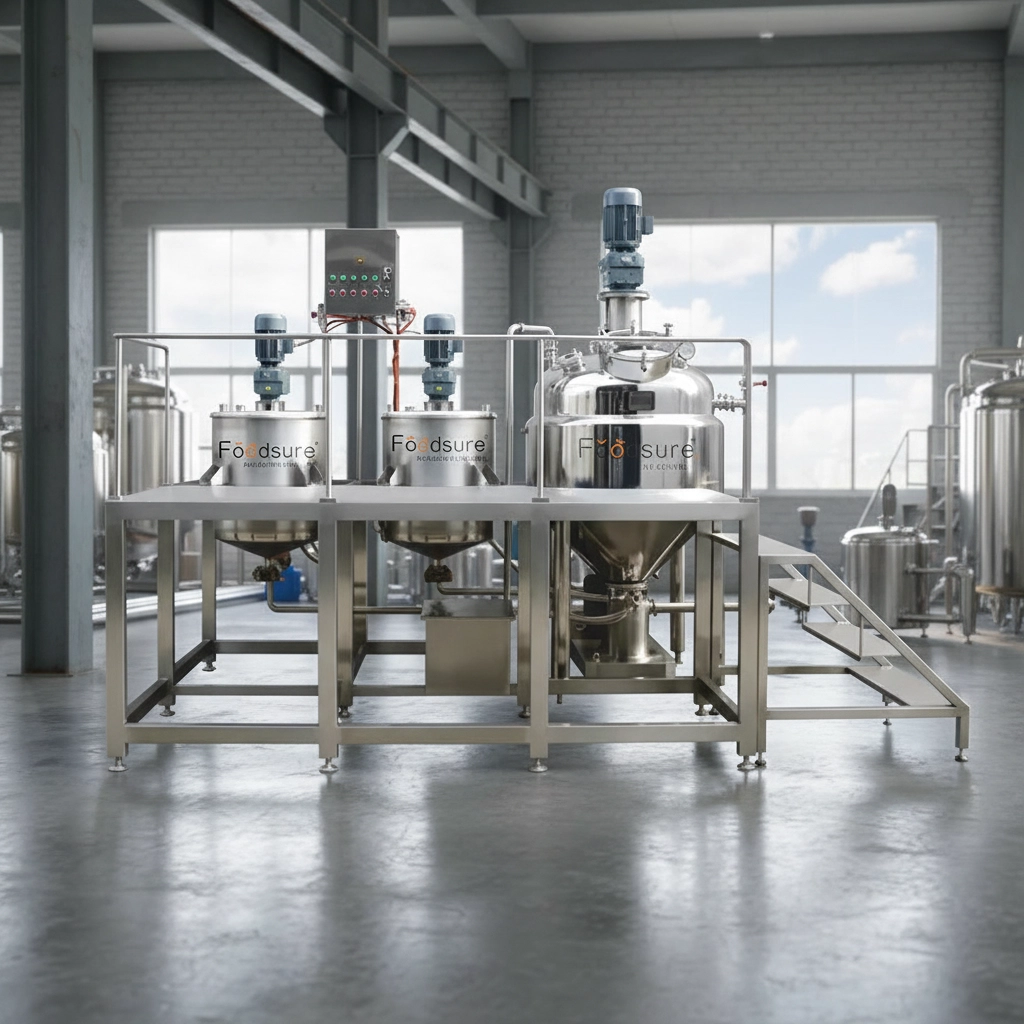
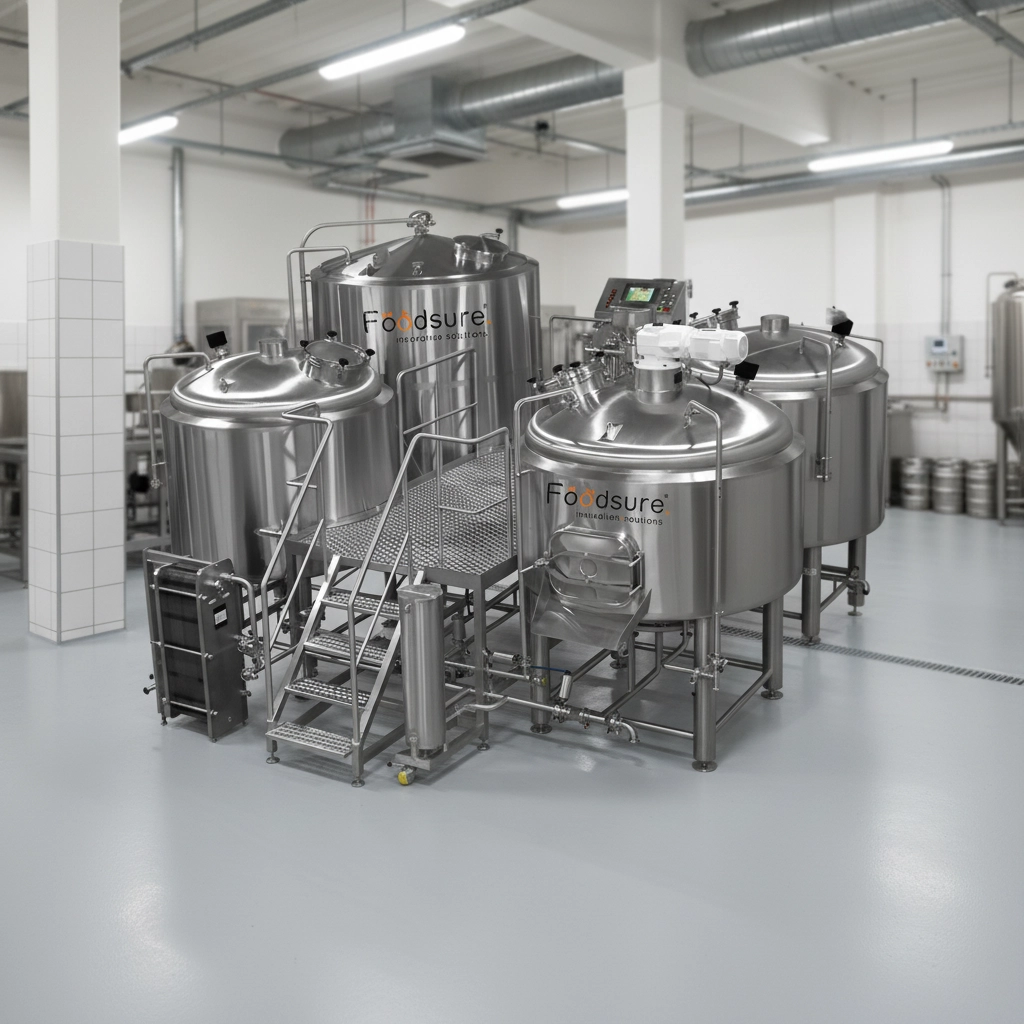
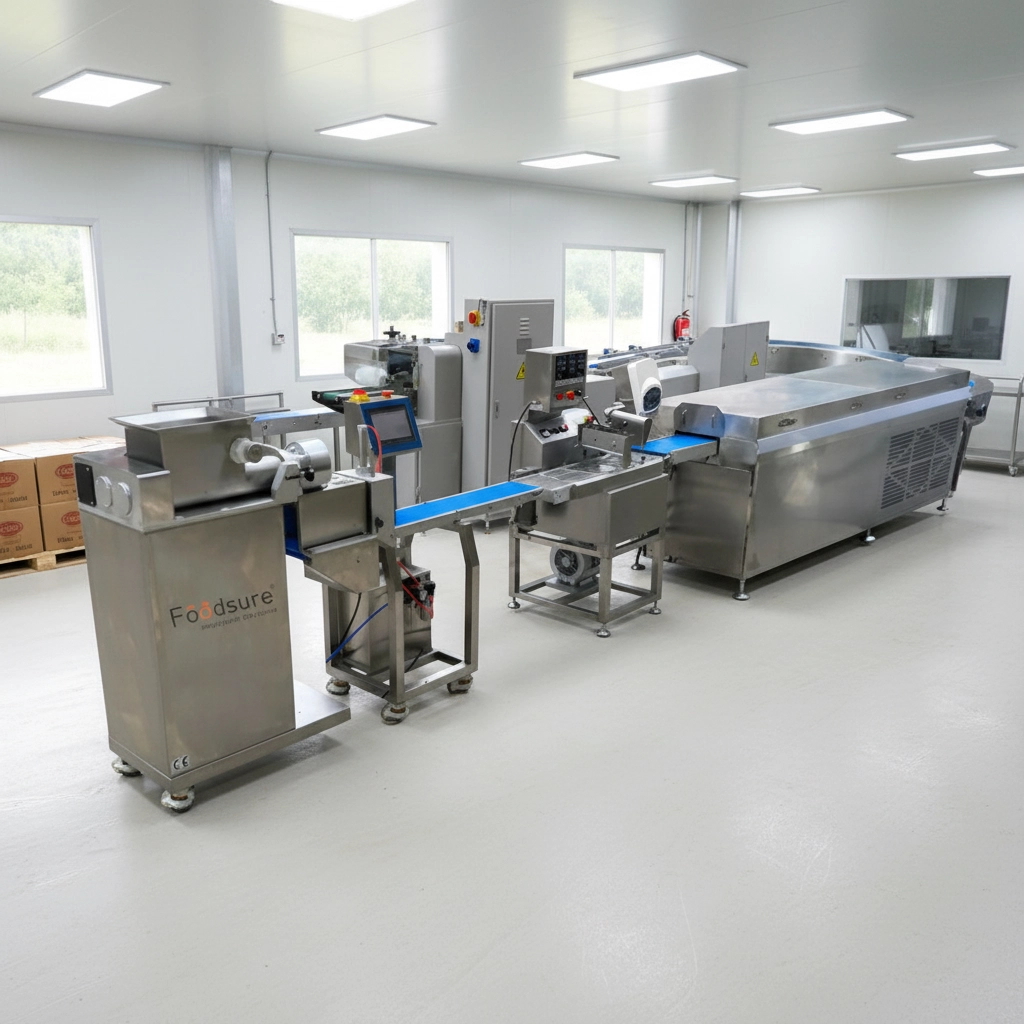
How to Make Tomato Ketchup in India is a staple condiment, consumed widely across households, schools, restaurants, and food chains. If you’re looking to start a ketchup manufacturing business, this guide will walk you through how to make ketchup with tomato, the tomato ketchup production process, the types of tomato ketchup machines, and how to buy ketchup machine locally. Whether you’re interested in a small-scale operation or setting up a large tomato ketchup processing plant, we have you covered.
Top Reasons to Start a Tomato Ketchup Business in India
India offers possibilities for growth, revenue, and access to production of tomato ketchup opportunity for food entrepreneurs, start-ups, and SHGs. The top reason for starting a tomato ketchup manufacturing.
Significant Market Opportunity
- The tomato processing industry is a ₹4,000 crore industry in India tomato ketchup market. Ketchup and sauces are packaged in a method that they designed for consumers – there is always demand in cities, towns, and community primary schools.
Considerable Consumer Base
- Ketchup is a popular item in both urban and rural settings. Schools just serve ketchup-based school lunches for many kids, street-food vendors use it, families use it after school, and fast food and restaurants use ketchup. Even export markets are emerging, with an increasing number of Indian ketchup manufacturers exporting ketchup with a focus on the Middle East and Southeast Asia.
Shelf Stable Product
- When processed and packaged effectively, ketchup (to minimize waste from seasonal tomato availability) will last from 6-12 months, and also reduce spoilage losses by processing year-round sources of supply for the market.
Low Capital Costs
- A small ketchup factory can be established in startup mode for a capital investment of ₹2-3 lakh, affordable for small businesses/startups/SHGs. Food processing machinery, easily followed recipes, and local conditions can allow a small, easy-to-follow entry point for start-up production that could start very small and increase production as demand grows.
Profitable and Scalable
- Tomato ketchup making process yields large margins for transformation from fresh farm tomatoes to higher-value food products. It is a flexible model that can be a manual, semi-automatic line for entry-level production and move to full automation as the business grows.
What You Need to Make Tomato Ketchup in India
Tomatoes
It is recommended to purchase green and ripe tomatoes that are bright red and have a Brix level of around 4.5-5+. Roma or hybrid varieties will provide the best product in terms of pulp content. You can generally find the best tomatoes from farmers in states such as Maharashtra, MP, Bihar, or Andhra Pradesh.
Other Ingredients
You will require sugar to provide sweetness and function as a natural preservative, vinegar or acetic acid to lower the sauce’s acidity, and spices such as onion, garlic, star anise, and cinnamon. If you have your desired, finished product presentation described in your mind.
Step-by-Step Process: How to Make Tomato Ketchup in India
| Ingredient | Qty (per 10kg batch) | Purpose |
|---|---|---|
| Tomato pulp | 7 kg | Base |
| Sugar | 2 kg | Sweetness, body |
| Vinegar | 600 ml | Preservation, pH control |
| Spices (ground) | 400 g | Flavor |
| Salt | 200 g | Taste, balance |
- Wash and blanch tomatoes (skin and seeds removed).
- Crush tomatoes and cook down pulp into a thickened consistency.
- Strain to get a smoother consistency.
- Mix in sugar, vinegar, salt, and spices → Simmer to achieve desired thickness.
- Pasteurize at 85–90°C (185–195°F) for 15-20 minutes.
- Hot fill into sterilized bottles or pouches.
- Seal, cool, label, and store.
Tomato Ketchup Machines for Small and Large-Scale Production
Machines for Small-Batch / Pilot Scale
- Typically, buy tomato ketchup machine locally, are less expensive and smaller than their industrial counterparts.
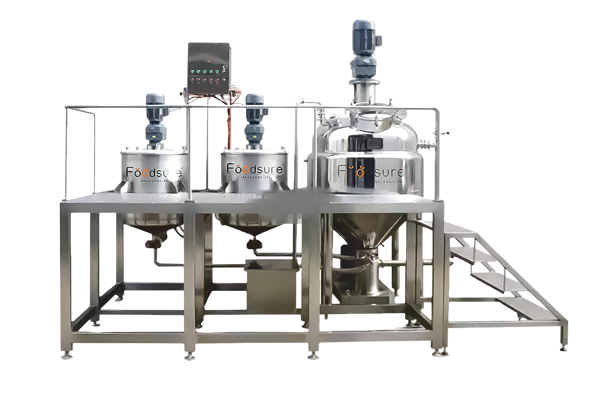
- A steam jacketed kettle (20-50L) is used to make the pulp.
- A steam jacket mixing kettle (20-50L) can either stir automatically or by hand, and helps reduce/prevent burning.
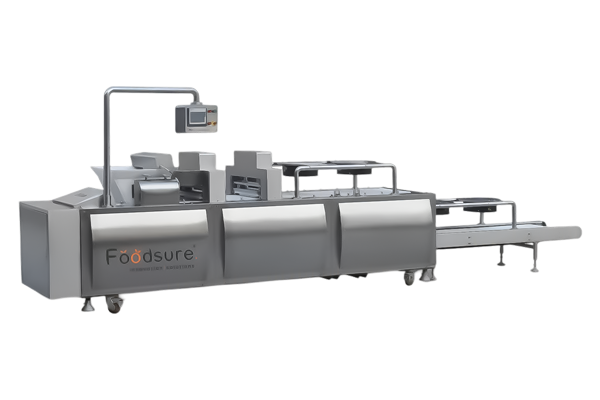
- A filling machine (manual/semi-auto) is used to fill various types of containers, including bottles and pouches.
- A basic pasteurizer also assists with shelf life.
Industrial Tomato Ketchup Line
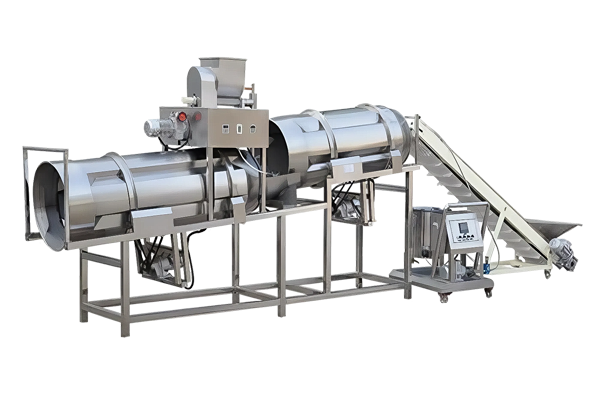
- For medium to larger ketchup plant manufacturer, there is an tomato ketchup making plant available with several different automation controls and throughput.
- A pulper/crusher is used to get the pulp at a batch volume.
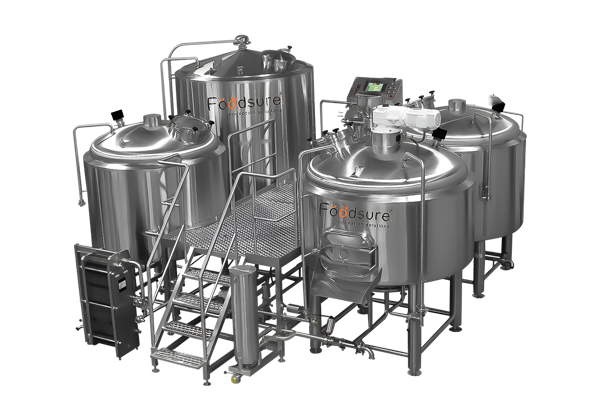
- Cooking mixing kettles (500-1000L) are used for steam heating with auto stirring kettles.
- A homogenizer helps provide a smooth overall product.
- A pasteurizer (tubular/plate) is also passed for microbial safety.
- Filling line and Capping – 1,000+ bottles per hour.
- CIP system – Clean in place – Preference.
How to Buy Tomato Ketchup Machine Locally & Find Ketchup Machine Supplier Near Me
To buy a tomato ketchup machine locally and choose the right supplier near you, follow these key points:
Search “tomato ketchup plant/machine supplier + your city” and check local industrial directories and manufacturer websites.
Prefer vendors who specialize in tomato or sauce processing plants (kettle, pulper, homogenizer, filling and packing units).
Confirm food-grade contact parts (SS304/SS316), CIP‑friendly design, and compliance with FSSAI, GMP, and ISO guidelines.
Match ketchup manufacturing process capacity (kg/hr) and automation level (semi/automatic) with your planned daily production and future scale.
Ask for customization options: hot‑fill vs cold‑fill, bottle/sachet/pouch filling, viscosity handling, and spice-mix flexibility.
Evaluate after‑sales: installation, on‑site training, preventive maintenance, spares availability, and response time SLAs.
Compare 2–3 quotations on total cost of ownership (price, power load, material, warranty, AMC, utilities needed, and space).
How to Package and Brand Your Tomato Ketchup
- You can package in various formats: glass bottles, PET bottles, sachets, and doy packs.
- Sachets are typically used in fast-food outlets, while bottles are usually seen when purchased in the retail space, and pouches are usually only found when purchased from bulk buyers. (e.g., Studying end use would be valuable for maximizing sales).
- Labeling must be in accordance with FSSAI and packaging standards.
How Much Does Ketchup Manufacturing Plant Cost?
| Expense / Revenue Item | Cost (₹ per 10 kg batch) | Notes |
|---|---|---|
| Raw Materials (Tomatoes, spices, sugar, vinegar, etc.) | ₹400 – ₹500 | Quality tomatoes and food-grade ingredients |
| Packaging (bottles, caps, labels) | ₹200 – ₹300 | Varies with glass / PET bottles and branding |
| Overheads + Labor | ₹100 – ₹150 | Includes utilities, manpower, and maintenance |
| Total Production Cost | ₹700 – ₹950 | — |
| Selling Price (Retail) | ₹1,200 – ₹1,500 | Based on ₹120–150 per kg |
| Net Profit (per batch) | ₹300 – ₹600 | After all costs |
| Net Margin | ~30–40% | Attractive for small manufacturers |
Read More: Affordable Tomato Sauce Making Machine Price That Boosts Your Production and Profits
Ketchup Machine Supplier Near Me: Local vs Trusted Manufacturer Comparison
| Criteria | Local Ketchup Machine Supplier | Trusted Ketchup Machine Manufacturer (Foodsure Machines) |
|---|---|---|
| Equipment Quality | Varies, often basic fabrication | Food-grade SS304/SS316, industry-tested |
| Customisation | Limited or not available | Customised machines based on capacity & product |
| Compliance Support | Usually not provided | FSSAI & food-processing compliant designs |
| Production Scalability | Difficult to upgrade | Easy expansion from small to industrial scale |
| After-Sales Support | Inconsistent, local availability | Dedicated technical support & service |
| Automation Options | Mostly manual | Manual, semi-automatic & fully automatic lines |
| Installation & Training | Basic setup only | Complete installation & operator training |
| Long-Term Reliability | Short-term usage | Built for continuous commercial production |
| Ideal For | Very small or temporary setups | Startups, SHGs & growing food brands |
Conclusion
Tomato ketchup manufacturing in India is a high-potential business when supported by the right tomato sauce manufacturing process knowledge and equipment. Understanding how to make tomato ketchup in India using hygienic, scalable machinery is key to maintaining quality and long-term profitability.
Foodsure Machines offers reliable tomato ketchup manufacturing solutions for small to industrial-scale production. With expert support and proven machines, setting up or expanding your ketchup plant becomes faster and more efficient.
Request Your Free Quote Fast
Please reach out to us anytime via phone or email.
FAQs
How to make ketchup with tomato?
Cook tomatoes, sugar, vinegar, and spices until thickened, then pasteurize and package.
What ingredients are needed to make ketchup with tomatoes?
Tomatoes, sugar, vinegar, salt, and spices like garlic, onion, and cinnamon.
Where can I buy a tomato ketchup machine locally?
Search for local suppliers using “tomato ketchup machine supplier near me” in your area.
What is the best tomato sauce machine for small production?
A 20-50L steam jacketed kettle and semi-automatic filling machine are ideal for small-scale production.
What is a Tomato Paste and Sauce Processing Machine?
It’s a machine that processes tomatoes into paste and sauce, typically used in large-scale production.
How do I choose a ketchup plant manufacturer?
Select a manufacturer with scalable solutions, high-quality machines, and strong after-sales support.
What are the advantages of using a ketchup machine supplier near me?
Local suppliers offer faster delivery, lower shipping costs, and easier communication.
What is the cost of starting a ketchup manufacturing business in India?
A small-scale factory can be set up for ₹2-3 lakh, including machines and initial costs.
How to make tomato ketchup in India hygienically?
Use food-grade equipment, maintain clean processing areas, and follow proper pasteurization practices.
How do I ensure my ketchup machine is FSSAI compliant?
Check that the supplier provides FSSAI-certified, food-grade machines.