
For generations, makhana has been part of traditional diets. Today, it’s finding a fresh place in modern lifestyles as a healthy, crunchy snack. For people who are looking for healthier options, makhana is one of the best choices for them. The popularity of makhana is rising, and it opens big opportunities for those who want to grow their business. With advanced makhana-making machines giving you a smoother production, this healthy snack is reaching more health-conscious consumers worldwide. Every snack break is a healthy crunch with Makhana. In this blog, we tell you about how to make makhana, and why it is becoming a popualr snack.
What is Makhana and Why It’s Becoming a Popular Snack
Makhana is also known as fox nuts, and it grows in ponds and lakes where the water remains calm and the temperature is warm. Pond lily plant seeds are small and black at first, and then they slowly start to turn white. Also, makhana is full of nutrients that are good for your heart and bones, digestion, and also controls your blood sugar management.
Makhana Made Of Nutritious Crunch That Everyone Loves
- Makhana is mostly made up of carbohydrates, which are about 77 to 79 percent. It is a light snack that gives you energy without making you feel heavy.
- It has many minerals like magnesium, potassium, calcium, and more. These are important for your heart health and bone strength in good shape.
How is Makhana Made: The Step-by-Step Process Behind the Perfect Snack
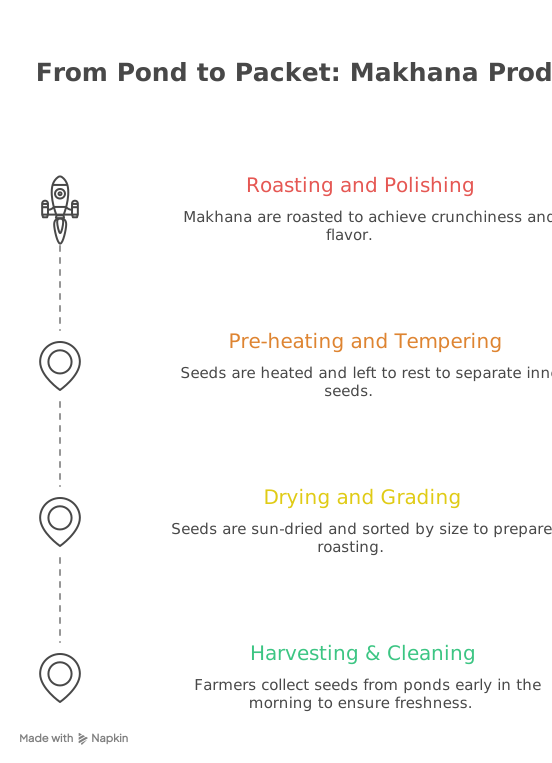
Step by step, so you can see how makhana goes from the pond to the packet.
-
Harvesting & Cleaning
The first step is for farmers to collect seeds from shallow ponds using nets. They usually collect the seeds early in the morning when the weather is best. This helps keep the seeds fresh and of good quality.
-
Drying and Grading
After cleaning, the seeds are arranged in the sun for a couple of hours. This helps to reduce moisture in the seeds, which prevents wastage of seeds and makes the seeds easier to roast later. Now, they are sorted by size using different grading tools.
-
Pre-heating and Tempering
Next step, the seeds are started to heat in cast-iron pans. After heating, the seeds are left to rest for 40 to 72 hours. This helps the inner seeds separate, which makes roasting work well.
-
Roasting and Polishing
The makhana are roasted at a set heat so they cook evenly. This brings out their natural flavor and makes them crunchy.
How to Grow Your Makhana Production with Ease
- Scaling makhana production is not easy, even though demand is increasing. Many processes are still done manually, which results in makhana of inconsistent quality and also creates hygiene problems.
- Limited tools and guidance make it tough to maintain standards and improve production. The supply chain is not connected, which lowers farmer incomes and makes it harder to meet export rules.
- What this really means is that without better tools, training, and organization, growth is held back. Investing in equipment, skills, and market connections is essential to make your producers scale.
How to Make Your Makhana Business More Profitable
- Using the right machines and simple steps helps you grow your makhana business without extra hard work.
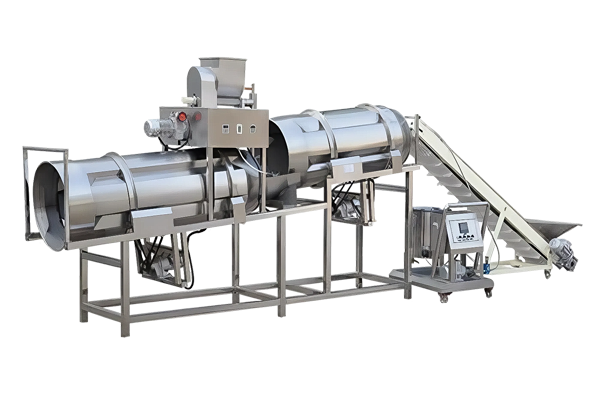
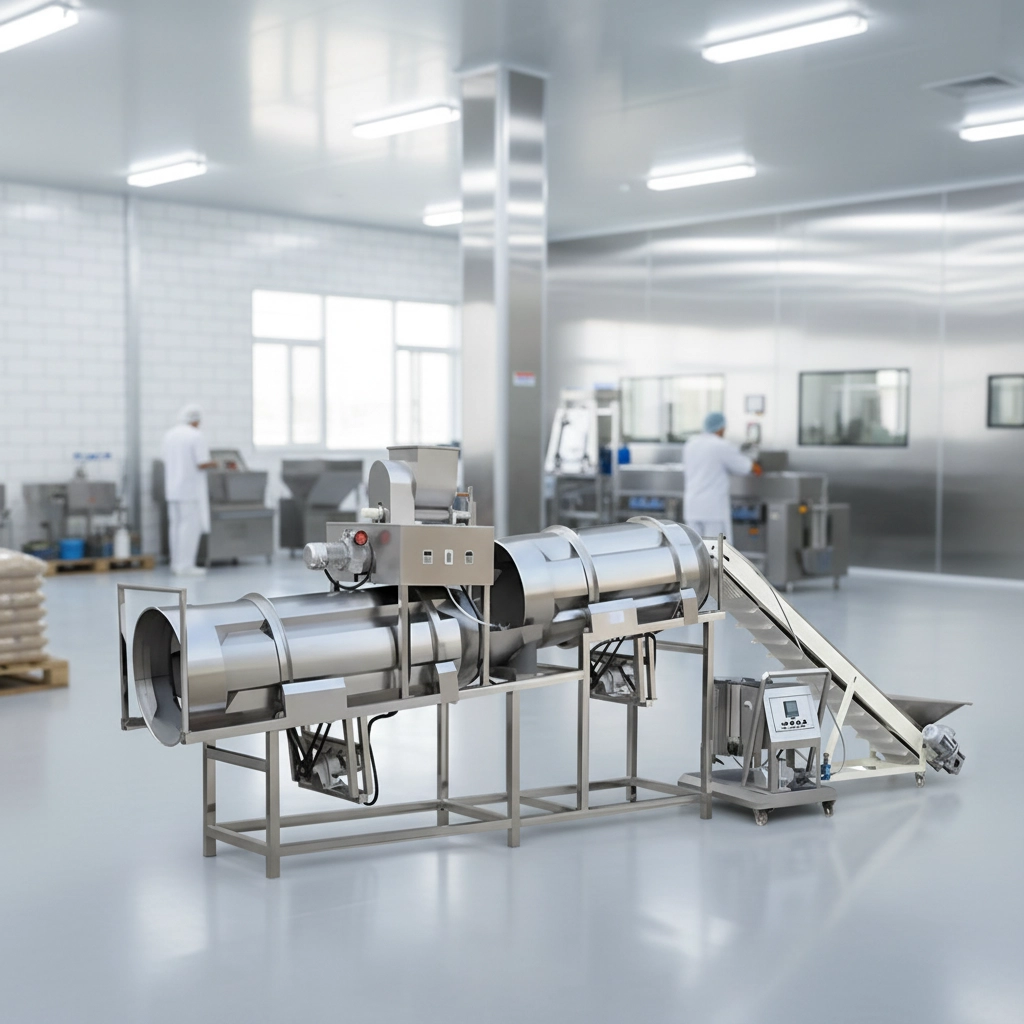
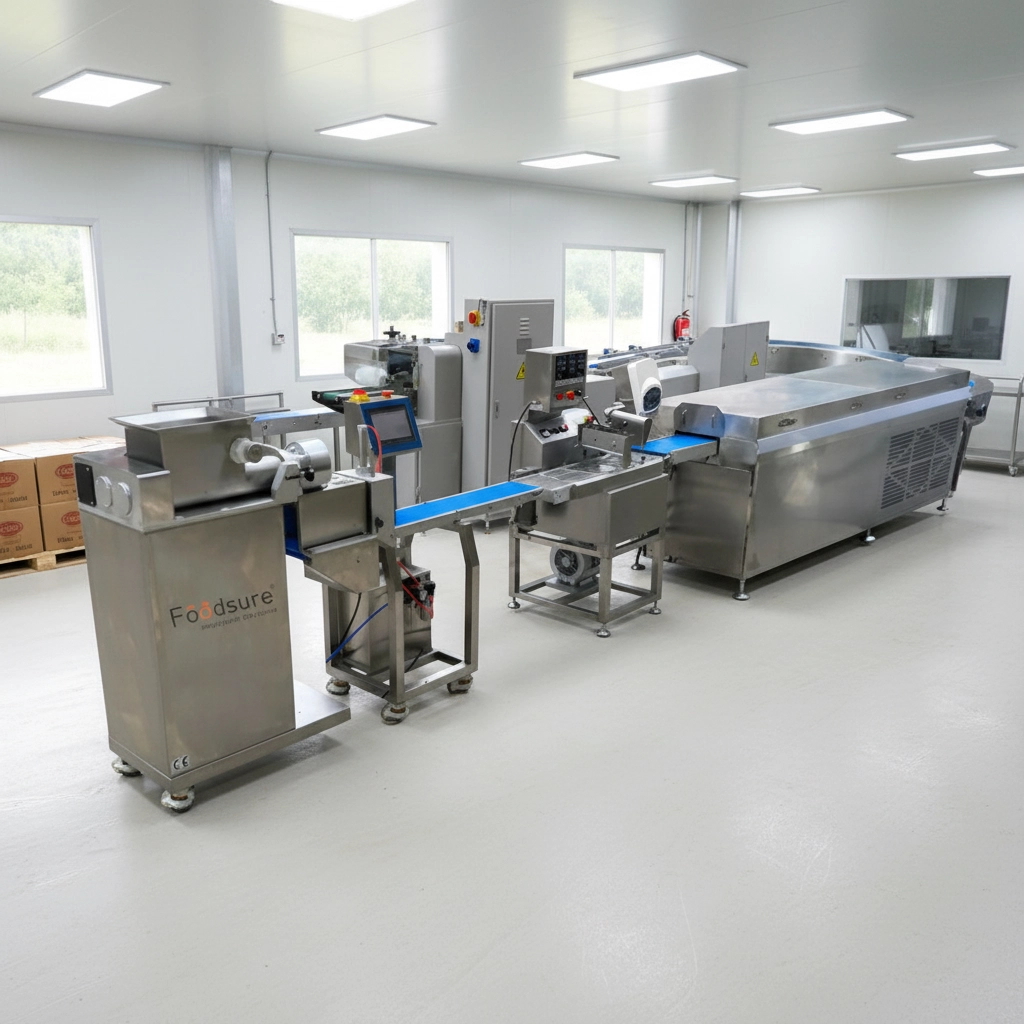
- There are machines for grading, roasting, and packaging that make the seeds more even and cut down on manual labor.
- Tools like moisture meters and filters check that the seeds are the same size and have the right amount of moisture, which is needed to meet market rules.
- Roasting with less energy helps you save money while keeping the product good.
- Training programs teach small producers how to use their machines better and improve their work to get the best results.
Conclusion
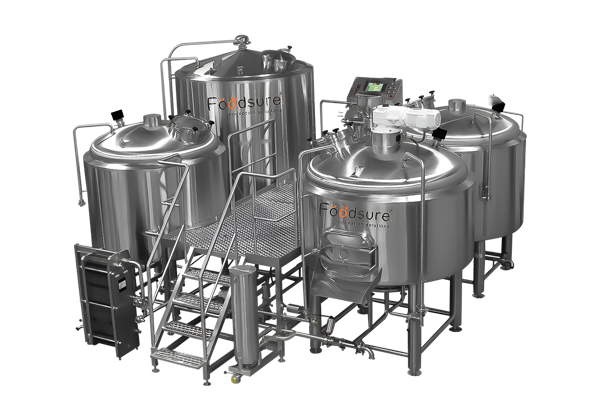
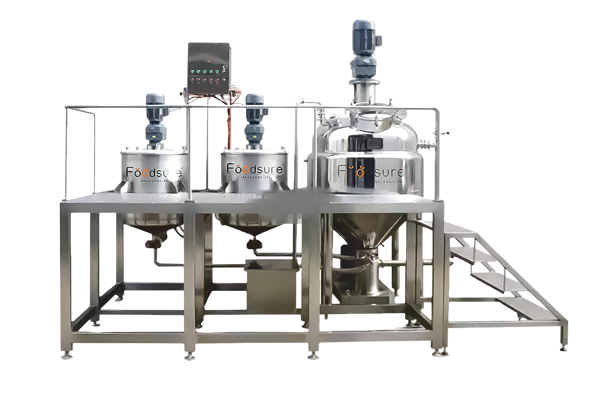
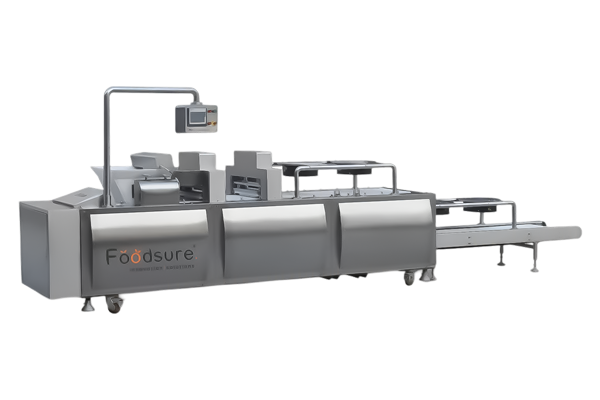
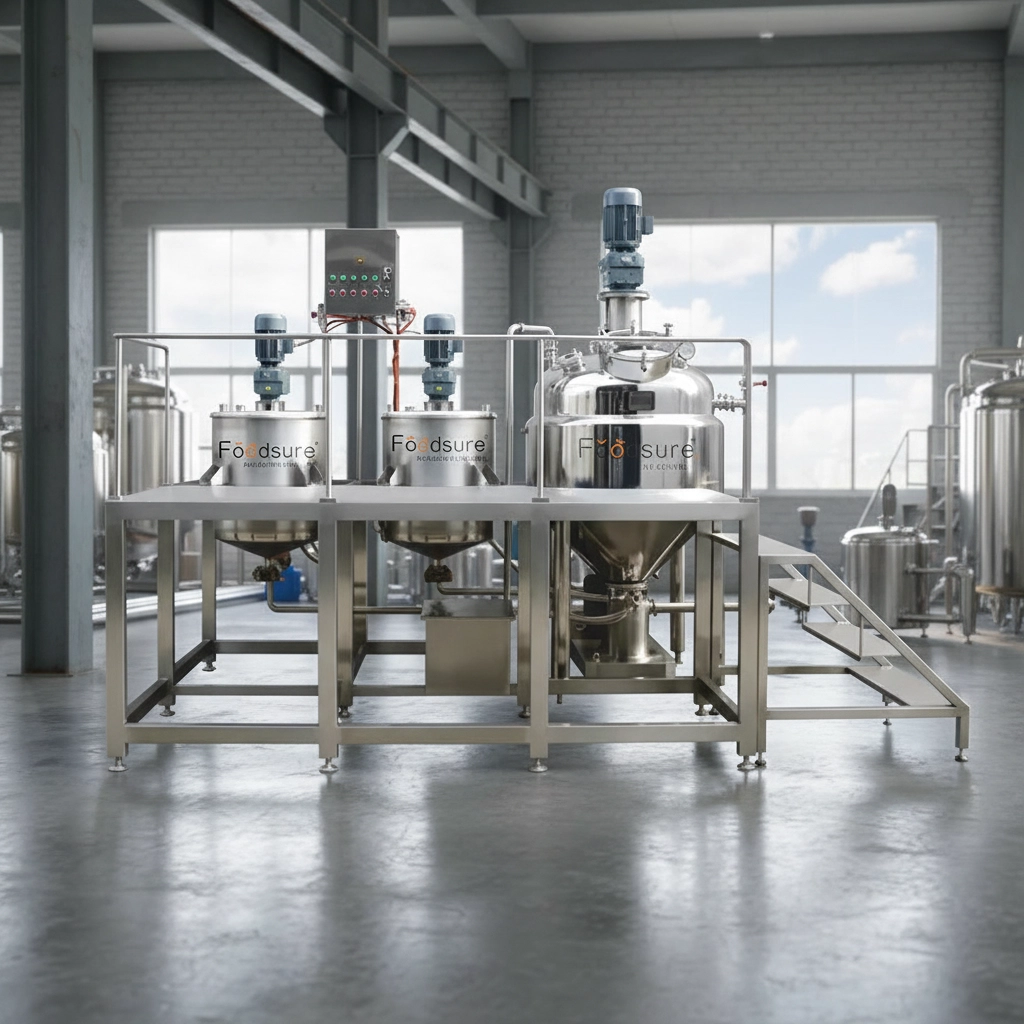
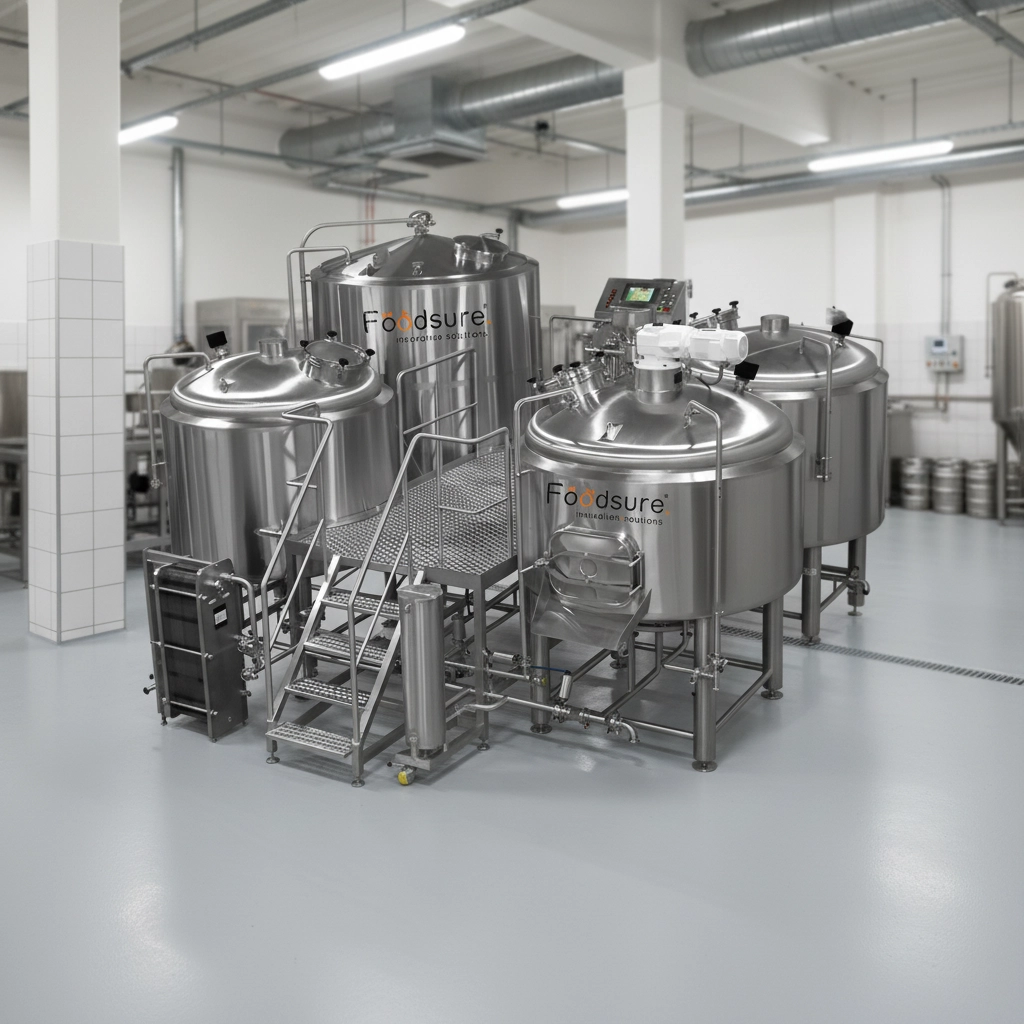
If you want your makhana business to grow and meet the rising demand of the market, then getting the right process is key. At Foodsure Machines, we provide a full range of equipment for grading, roasting, polishing, and packaging. What this really means is that our makhana machines help you keep quality consistent, cut down on time, and reduce the hard manual work that slows production. Power Your Makhana Business with the Right Machine – Connect Today!
FAQ
Q1. Can makhana be good for your health?
Ans: Yes, makhana is full of nutrients that support your heart, bones, and digestion. Also, it is a simple snack that actually helps you stay healthy.
Q2.Can makhana help with weight loss?
Ans: Makhana is low in fat and light on your stomach. It is a snack that fills you without adding extra calories.
Q3. How does makhana help people with diabetes?
Ans: What this really means is makhana can help keep your blood sugar levels under control while giving you a healthy, tasty option between meals.
Q4. How to identify good quality roasted makhana from a machine?
Ans: A good machine delivers uniform color, crispness, and minimal breakage.
Q5. Who is the biggest supplier of roasted makhana machines in Mumbai?
Ans: Mumbai’s industrial distributors and food-processing OEMs lead the supply.
Q6. Why are roasted makhana machines expensive now?
Ans: Advanced heating tech and stainless-steel builds have increased costs.
Q7. How to start a roasted makhana processing unit in Mumbai?
Ans: Begin with a quality roasting machine, proper space, licensing, and packaging setup.
Q8. What is the cost of roasting 100g of makhana in a machine?
Ans: It costs very little since machines are energy-efficient per batch.
Q9. Which food-processing business is most profitable with roasting machines?
Ans: Makhana roasting is among the most profitable due to high margins.
Q10. What is the profit margin using roasted makhana machines?
Ans: Profit margins often stay high because roasting costs are minimal.
Q11. How many makhana pieces can a 1kg roasting machine handle per batch?
Ans: Around 1,500–2,000 pieces depending on size.
Q12. What license is required for a roasted makhana unit in Mumbai?
Ans: A basic FSSAI food license is typically required.