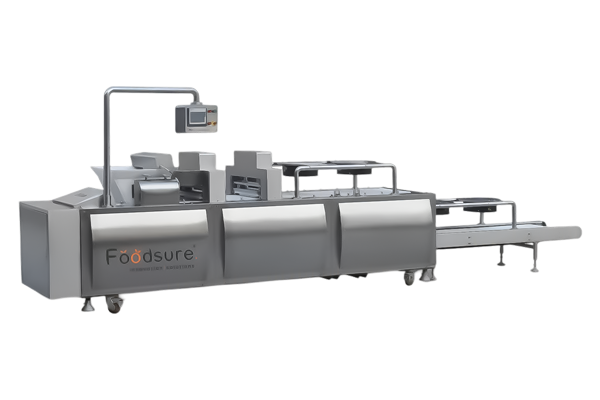
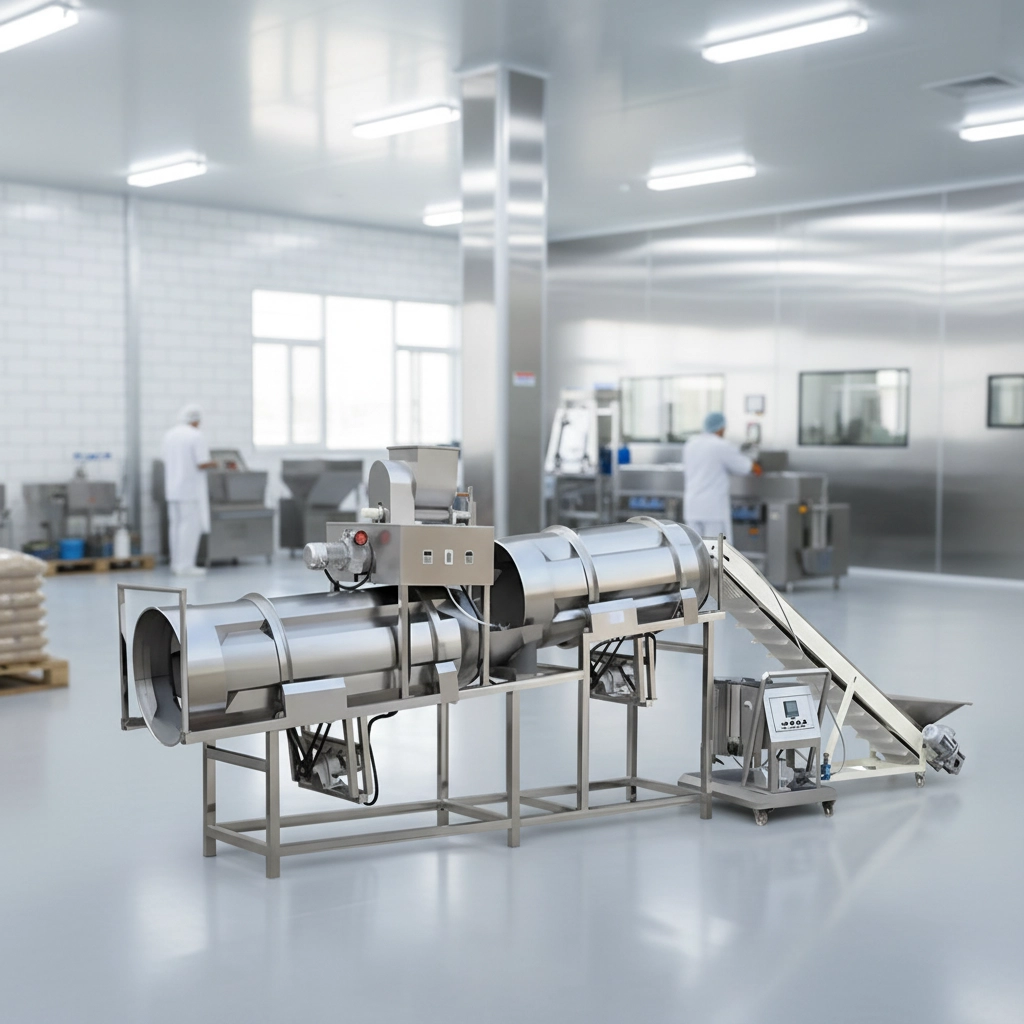
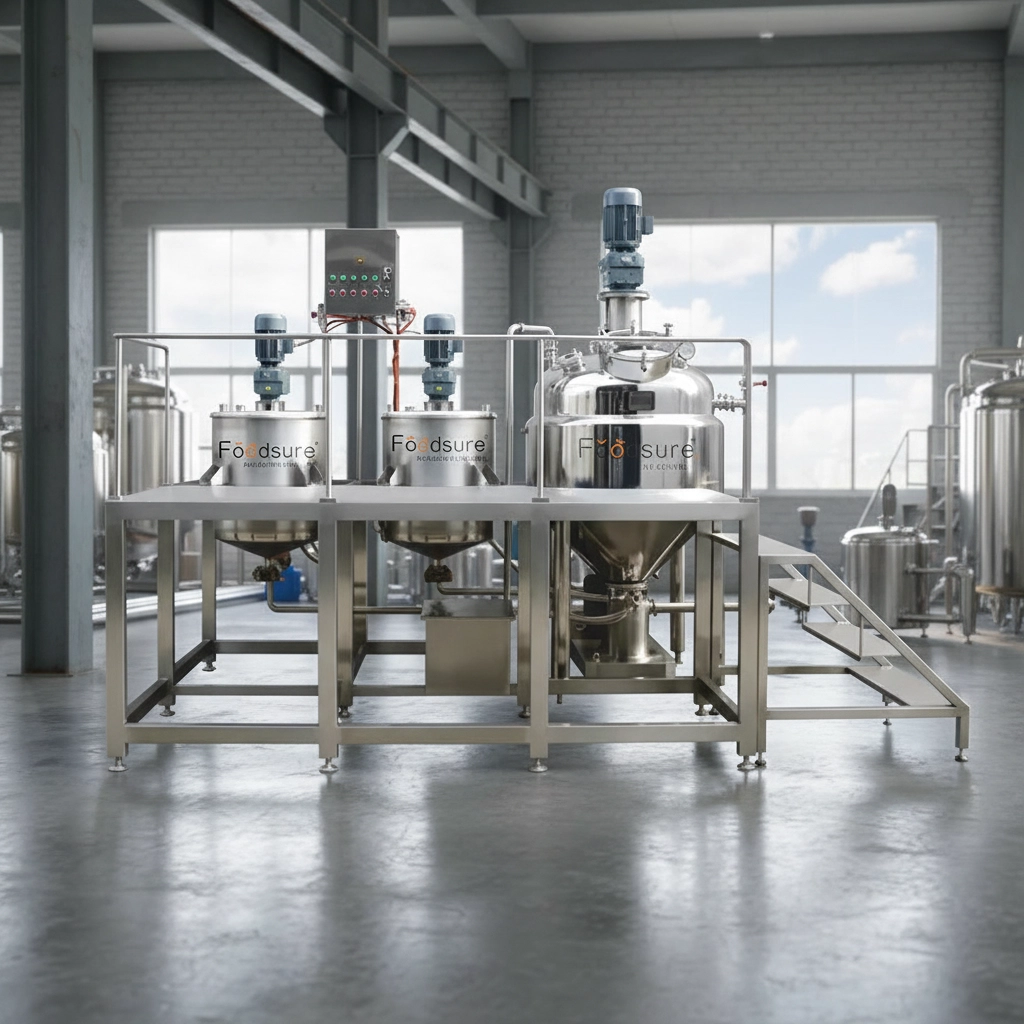
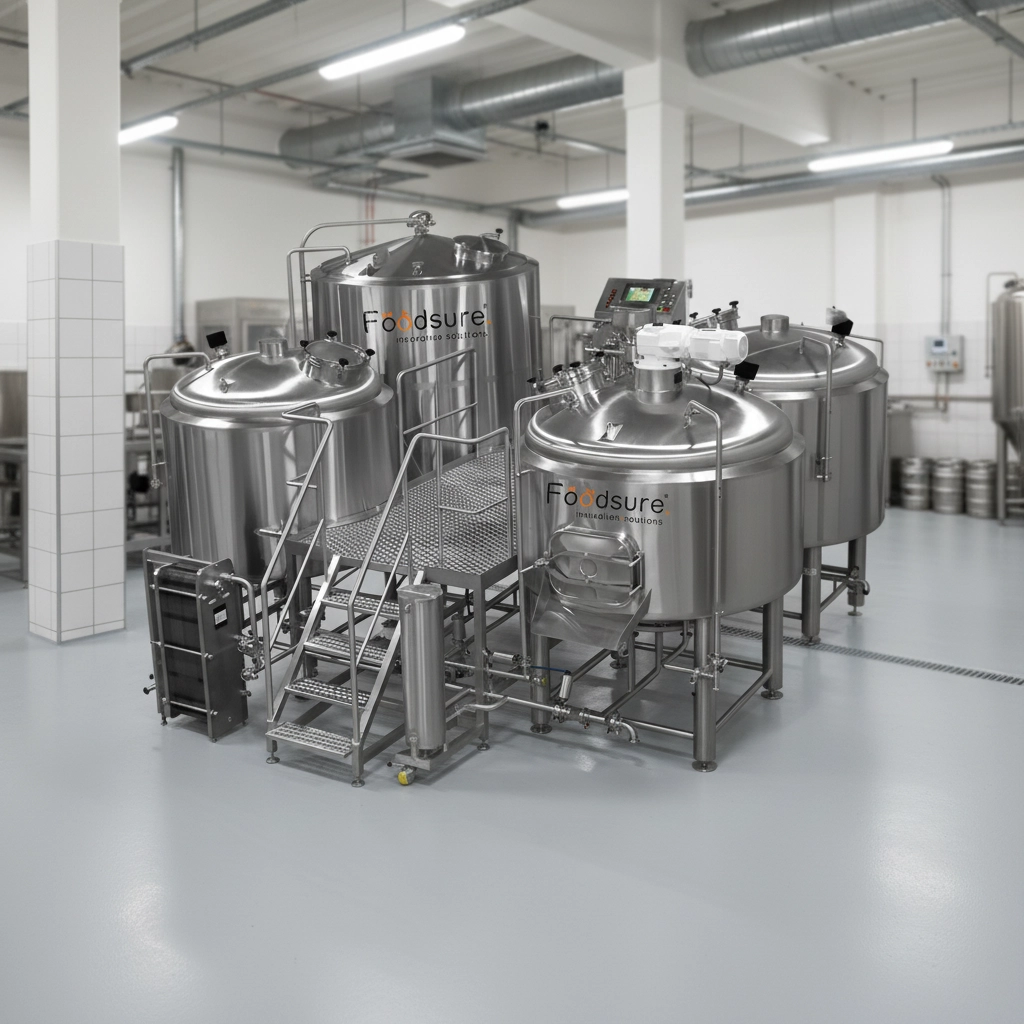
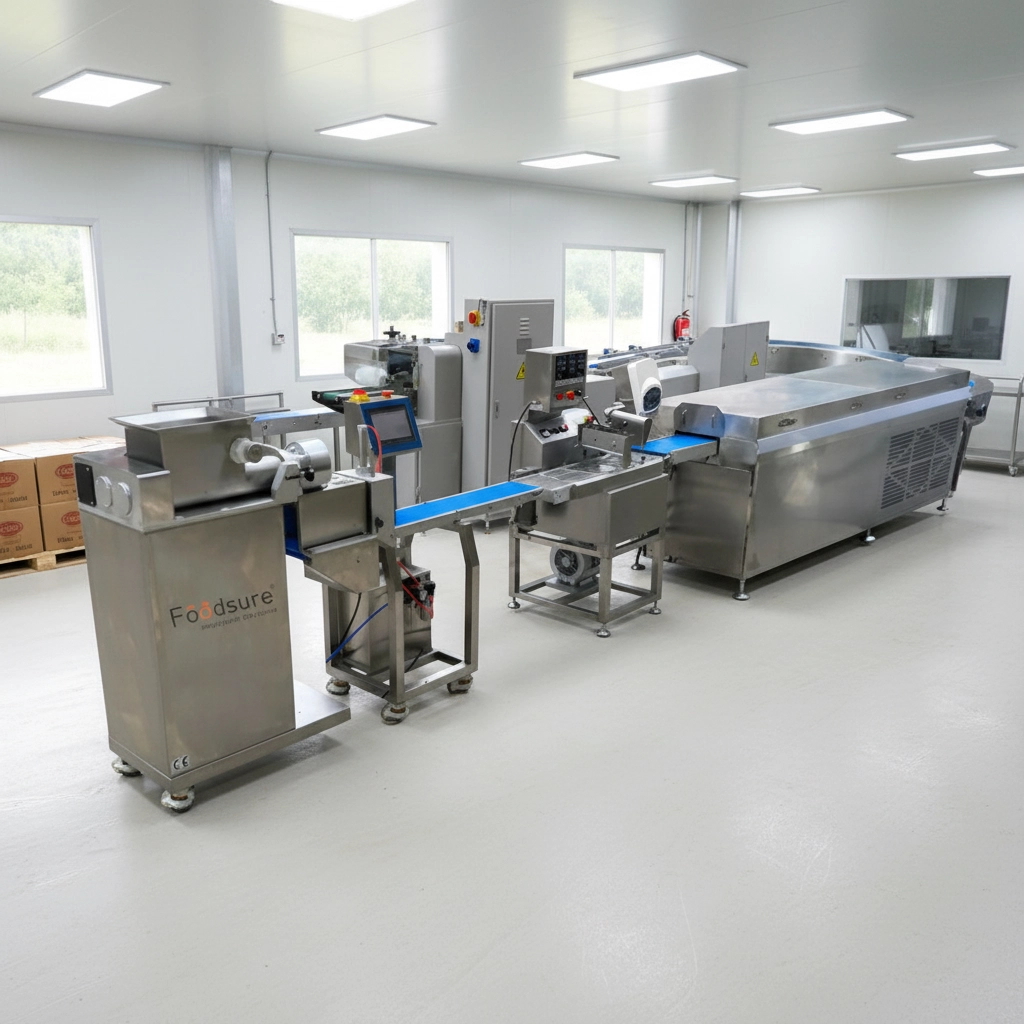

Starting a protein bar business is one of the smartest moves in today’s health-driven food market, but only if you build it on the right foundation. The backbone of success is a reliable protein bar manufacturing machine or protein bar production line that can mix ingredients uniformly, form consistent bars, and package them efficiently.
For startups, early decisions around protein bar equipment directly affect product quality, operating costs, scalability, and ROI. Choosing the right production line from the beginning reduces trial-and-error, minimizes wastage, and allows you to scale smoothly as demand grows.
This guide covers protein bar production essentials, packaging options, automation benefits, ROI, and efficiency tips, so you can start smart, stay lean, and grow with confidence.
How a Protein Bar Production Line Works (Step-by-Step Process)
This step-by-step flow is part of a complete bar processing line, and you can explore the detailed protein bar production process to understand how each stage impacts bar texture and shelf life.
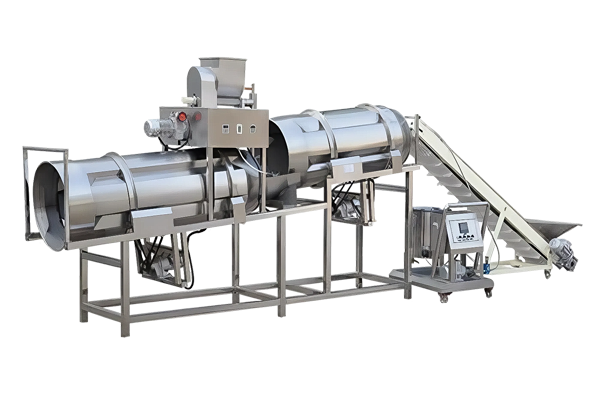
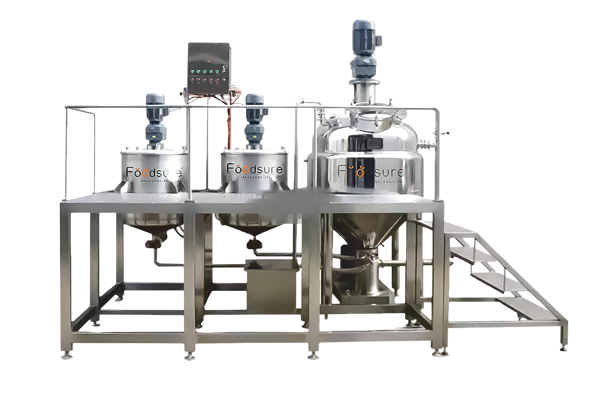
- Ingredient Mixing: Proteins, syrups, fibers, and functional ingredients are blended in an industrial mixer to achieve uniform texture.
- Slab Forming or Extrusion: The mixture is shaped into continuous sheets or ropes using a forming or extrusion unit.
- Cooling Tunnel: The formed mass passes through a cooling tunnel to stabilize texture for precise cutting.
- Cutting & Shaping: Bars are cut into consistent sizes and weights, ensuring uniformity across batches.
- Chocolate Coating or Enrobing (Optional): For coated bars, an enrobing system applies chocolate or yogurt layers.
- Flow Wrapping & Packaging: The final stage of the protein bar production line seals bars for shelf life, hygiene, and branding.
This integrated process defines a complete bar production machines, not just a single machine.
How to Choose the Right Protein Bar Manufacturing Machine for Your Startup
When you’re starting out, picking the right protein bar manufacturing machine or protein bar equipment can make or break your business. Key points to consider:
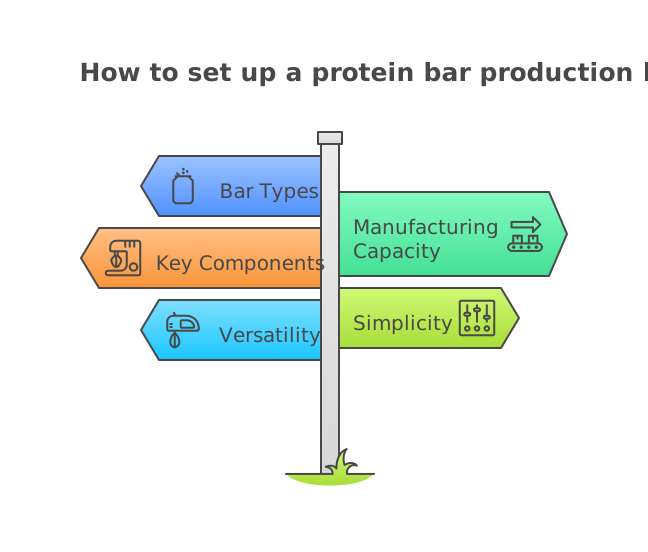
- Types of bars: Energy bars, chocolate protein bars, breakfast bars, or plant-based protein bars all need slightly different handling.
- Production capacity: Machines producing 500–1,500 bars/hour are ideal for startups.
- Key components: Mixer, forming machine, and packaging station. Coating or flavoring equipment is optional.
- Simplicity & versatility: Easy operation and recipe flexibility save time and reduce errors.
By starting small, you can evaluate recipes, comprehend market demand, and grow at a measured pace without going over budget.
Protein Bar Packaging Machines That Work With Your Equipment
Choosing the right sealing and wrapping system is critical, and different protein bar packaging machine options suit different production speeds.
Key considerations:
- Proper sealing to extend shelf life.
- Flow wrap machines for high-speed packing.
- Semi-automatic vs fully automatic systems depending on production scale.
- Branding compatibility for printed films and labels.
Even a small automated packaging unit improves consistency and presentation while keeping the protein bar production line efficient.
Protein Bar Production Automation Benefits
Automation in protein bar production lines delivers:
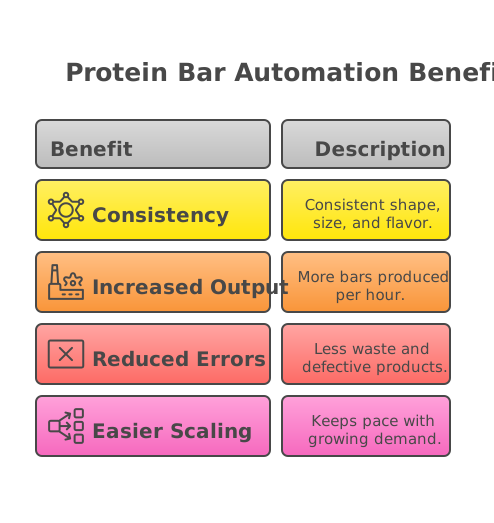
- Consistency: Uniform bar size, shape, and flavor.
- Higher output: More bars per hour than manual processes.
- Reduced waste: Fewer defective products.
- Scalability: Meet growing demand without hiring extra staff.
Look for a protein bar manufacturing machine with modular automation options to expand later.
Protein Bar Manufacturing Machine Cost, ROI & Profit Margin
Understanding cost and ROI is key if you plan to buy protein bar machine locally or work with a protein bar machine dealer near me.
| Metric | Micro Setup (Home/Trial) |
Small Setup (Startup Brand) |
Medium Setup (Growing Brand) |
Large Setup (Commercial Plant) |
|---|---|---|---|---|
| Protein Bar Manufacturing Machine | ₹4–8 lakh | ₹8–15 lakh | ₹20–35 lakh | ₹45–90 lakh |
| Packaging Machines | ₹2–4 lakh | ₹3–7 lakh | ₹5–10 lakh | ₹12–25 lakh |
| Total Initial Investment | ₹6–12 lakh | ₹12–22 lakh | ₹30–55 lakh | ₹60 lakh–₹1.2 Cr |
| Operating Costs / Month | ₹80k–₹1.5 lakh | ₹1–3 lakh | ₹3–5 lakh | ₹6–12 lakh |
| Daily Production | 300–500 bars | 1,000 bars | 3,000–5,000 bars | 8,000–15,000 bars |
| Avg Selling Price / Bar | ₹40–50 | ₹50 | ₹45–55 | ₹40–60 (bulk) |
| Revenue Potential / Month | ₹4–7 lakh | ₹15 lakh | ₹1.5–2.5 Cr | ₹4–9 Cr |
| Break-even Timeline | 10–14 months | 12–18 months | 12–24 months | 18–30 months |
| Profit Margin | 20–30% | 25–40% | 30–45% | 35–50% |
Micro Setup (Testing the Market)
- 400 bars/day × ₹45
- ₹5.4 lakh monthly revenue
- Expenses – ₹3.8 lakh
- Profit – ₹1.6 lakh/month
Ideal before scaling or approaching a protein bar machine dealer near me for a larger unit.
Small Startup Setup
- 1,000 bars/day × ₹50
- ₹15 lakh monthly revenue
- Monthly expenses – ₹10 lakh
- ₹5 lakh profit (33% margin)
Perfect entry point when you buy protein bar machine locally for your own brand.
Large Commercial Production (B2B + Retail)
- 10,000 bars/day × ₹48 average
- ₹1.44 Cr monthly revenue
- Monthly expenses ≈ ₹85–95 lakh
- ₹45–55 lakh profit/month (35–40%)
Common for contract manufacturers supplying gyms, retailers, and export buyers using industrial protein bar equipment.
Read more: Top Protein Bar Machine Manufacturers In India 2025
Profit Margin in Protein Bar Business Explained
Profit margin in a protein bar production process is not just about selling price of automated production line. It depends on how efficiently your protein bar machine, labor, packaging, and distribution systems operate together.
A well-planned setup using modern protein bar equipment can achieve significantly higher margins than manual or semi-organized production.
| Cost Component | % of Selling Price (Small Brand) |
% of Selling Price (Scaled Brand) |
Notes |
|---|---|---|---|
| Raw Ingredients | 35–45% | 30–38% | Protein blends, nuts, syrups, fibers, flavors |
| Packaging Material | 8–12% | 6–9% | Flow wrap film, cartons, labels |
| Labor Cost | 10–15% | 6–10% | Reduced with automated protein bar production line |
| Power & Utilities | 3–5% | 2–4% | Efficient motors lower this over time |
| Maintenance | 2–4% | 2–3% | Depends on machine quality |
| Distribution & Logistics | 8–12% | 10–15% | Higher for national brands |
| Marketing & Branding | 5–10% | 8–15% | Online + retail promotions |
| Total Operating Cost | 70–85% | 65–80% | — |
| Net Profit Margin | 15–30% | 20–35% | Can go higher with volume |
Protein Bar Production Line Efficiency Tips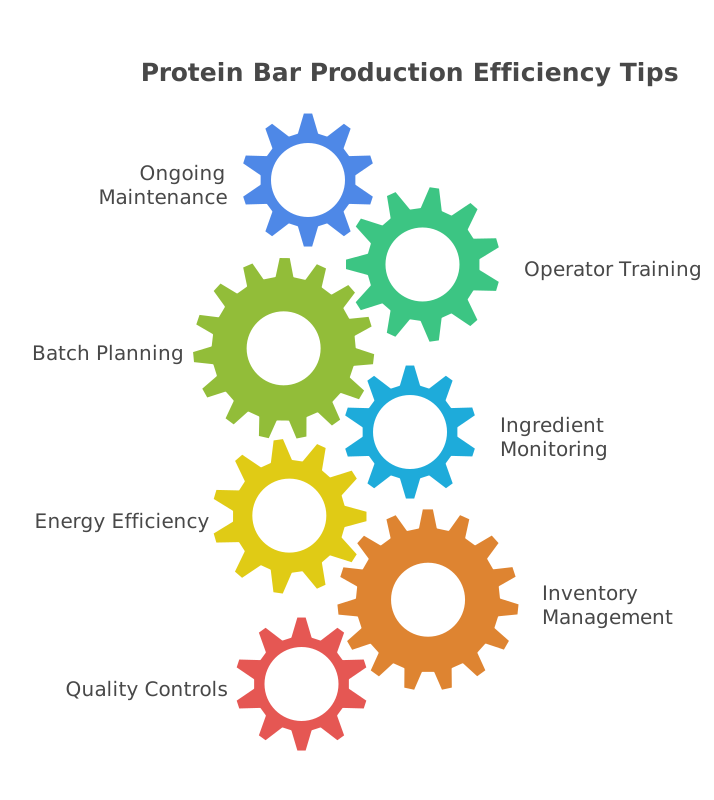
- Perform regular cleaning and preventive maintenance.
- Train operators for smooth machine handling.
- Plan batches to minimize raw material waste.
- Monitor ingredient usage carefully.
- Use energy-efficient operating schedules.
- Maintain quality checks at every stage of the protein bar production line.
These practices increase output while reducing long-term costs.
Invest in a Protein Bar Equipment With Foodsure Machines
A smart investment in a well-designed protein bar manufacturing line gives startups consistent quality, scalable output, and better profit margins. By choosing the right capacity, automation level, and packaging system, you can grow steadily without replacing your entire setup.
Reliable suppliers like Foodsure Machines provide complete protein bar production line solutions tailored for startups and expanding brands, along with installation, training, and long-term support.
🚀 Let’s Work Together!
Have questions or need support? Connect with us instantly.
FAQ
1. What is the ideal production capacity for a protein bar startup?
500–1,500 bars per hour is ideal for testing the market and scaling safely.
2. How much does a basic protein bar production line cost?
₹8–15 lakh for a small setup; ₹20–35 lakh for medium capacity.
3. Do I need a fully automatic line at the start?
No, semi-automatic lines offer better ROI for early-stage startups.
4. Can one machine handle multiple protein bar recipes?
Yes, versatile forming machines allow easy recipe switching.
5. How important is packaging quality?
Critical,proper sealing extends shelf life and boosts brand trust.
6. What is the average profit margin in a protein bar business?
Typically 25–40%, depending on volume, ingredient sourcing, and efficiency.
7. How soon can I break even?
Most startups break even within 12–18 months with steady sales.
8. Is automation necessary for consistency?
Yes, even partial automation improves uniformity and reduces waste.
9. How many people are needed to operate a small line?
2–4 trained operators are usually sufficient.
10. Can I scale without replacing my entire production line?
Yes, modular systems allow gradual automation upgrades.