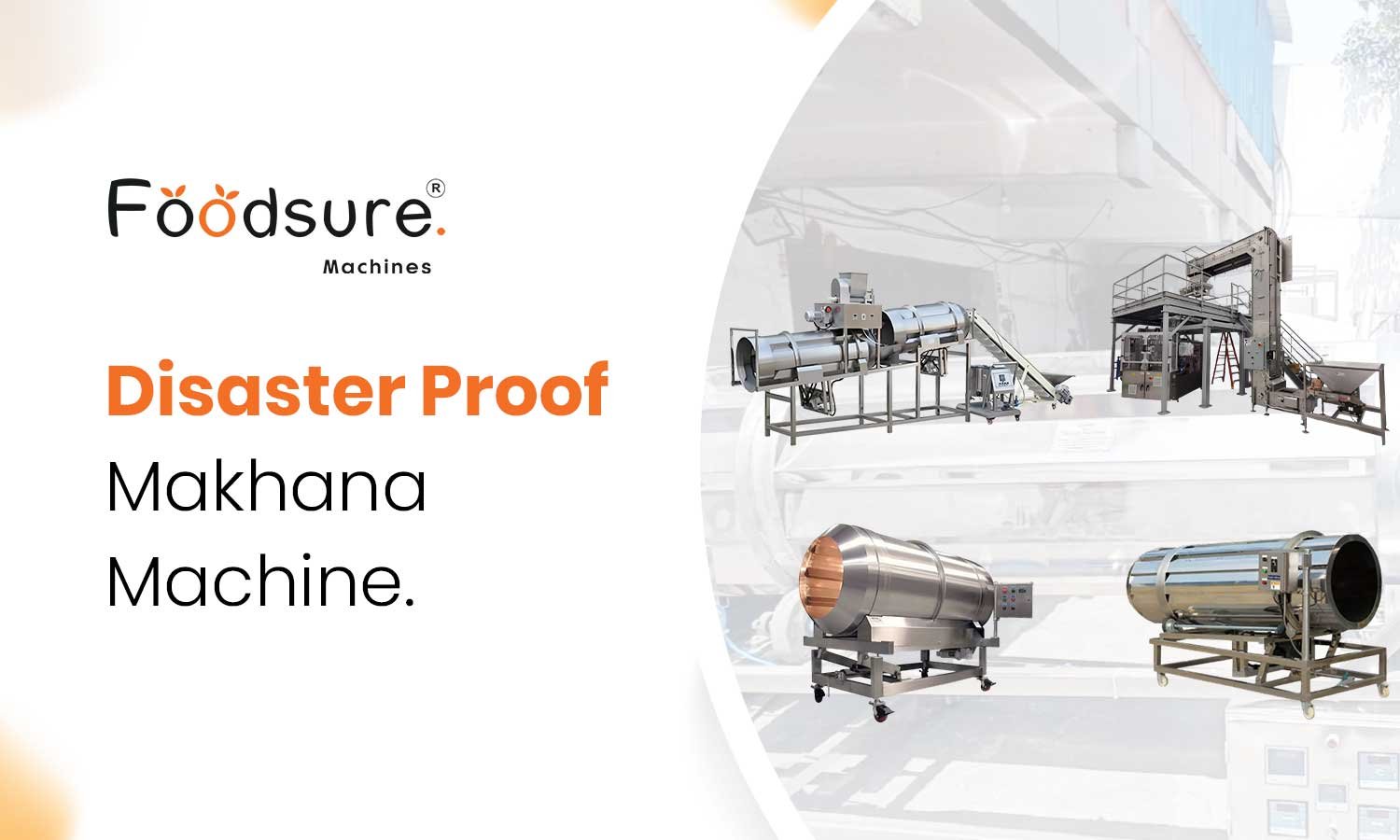
Unpredictable monsoons are causing heavy post-harvest losses for makhana growers, especially in humid regions like Bihar and West Bengal. A disaster proof makhana machine helps control drying and roasting, prevents fungus, and protects seed quality. It’s the smartest way to reduce spoilage and keep makhana production running during the rainy season.
Disaster Proof Makhana Machine: What’s Failing & Why It Hurts
Erratic monsoons hit makhana hard. When drying slows after harvest, moisture levels rise in the absence of proper makhana moisture control equipment for small units, and fungus spreads quickly. In Bihar’s Seemanchal and tribal belts of Madhya Pradesh, farmers lose batches within days if skies don’t clear. The drying window is tight, just 24 to 36 hours. Let’s be clear: without reliable drying and roasting equipment, you are risking your harvest. Cracked seeds, short shelf life, and a popping rate that drops by nearly 40%. They can destroy up to 30% of your crop’s value.
| Problem | Impact on Yield | Why It Happens |
|---|---|---|
| Delayed Drying | Seeds retain moisture → Poor popping or spoilage | Lack of sun during extended monsoons |
| Fungal Growth | Mold spreads → Seeds rejected during grading | High humidity with no mechanical control |
| Inconsistent Popping | Low-quality output → Reduced market price | Uneven drying, moisture trapped inside seeds |
| Overall Post-Harvest Loss | Up to 30% yield loss during erratic weather | No reliable drying or storage infrastructure |
Top Machines That Keep Makhana Safe During Monsoon Season
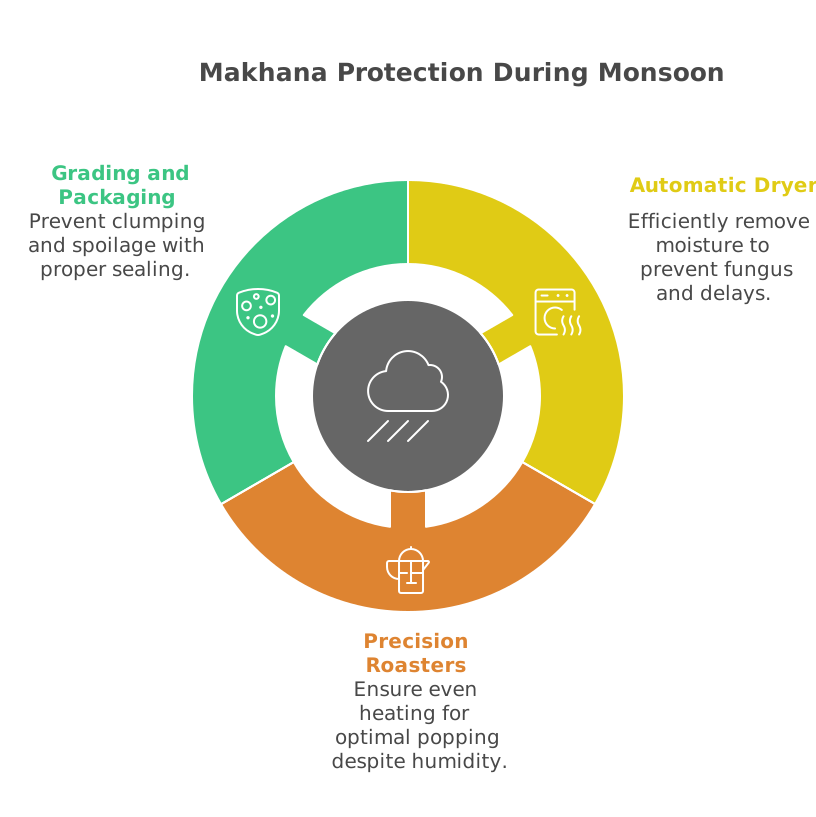
If you are trying to protect your makhana yield from unpredictable rain, you need makhana moisture control equipment that actually fixes the problem. Let’s break it down:
-
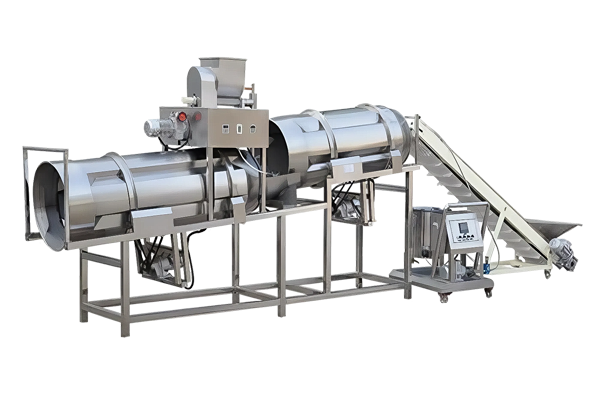
Automatic Makhana Dryers
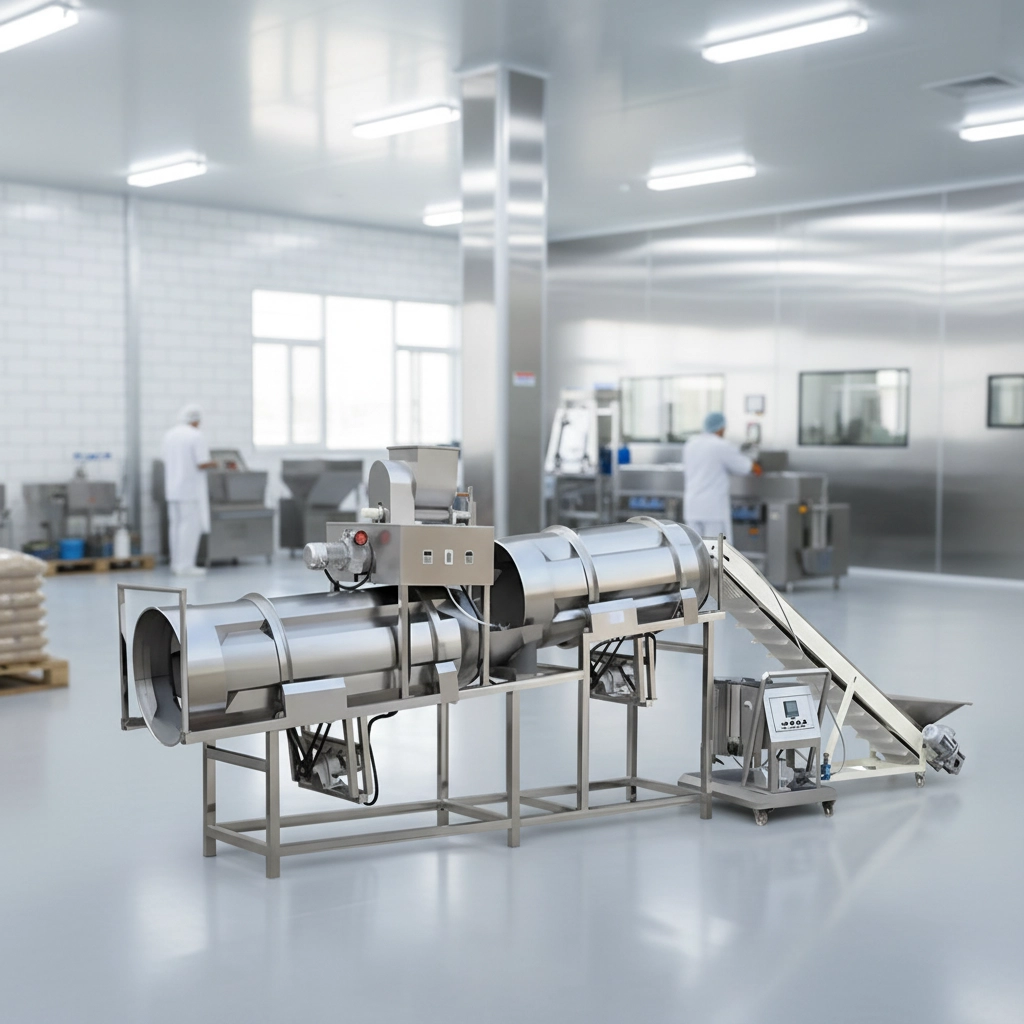
Automatic makhana dryer machine aren’t just about heat. They pull out excess humidity fast, using controlled hot air. That means no fungus, no delays. Whether you are drying 50 or 500 kg, they keep your batch on track even when the weather doesn’t cooperate. This is where makhana moisture control equipment for small units really pays off.
-
Precision Roasters
Moist seeds don’t pop well. Roasters in a monsoon-proof makhana processing plant apply heat evenly, so you still get good output even when conditions aren’t perfect. Simple to run, made for rural fuel setups, and consistent where it counts.
-
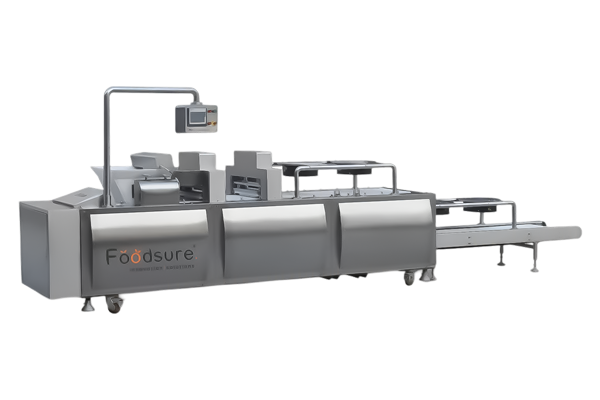
Grading and Packaging Systems
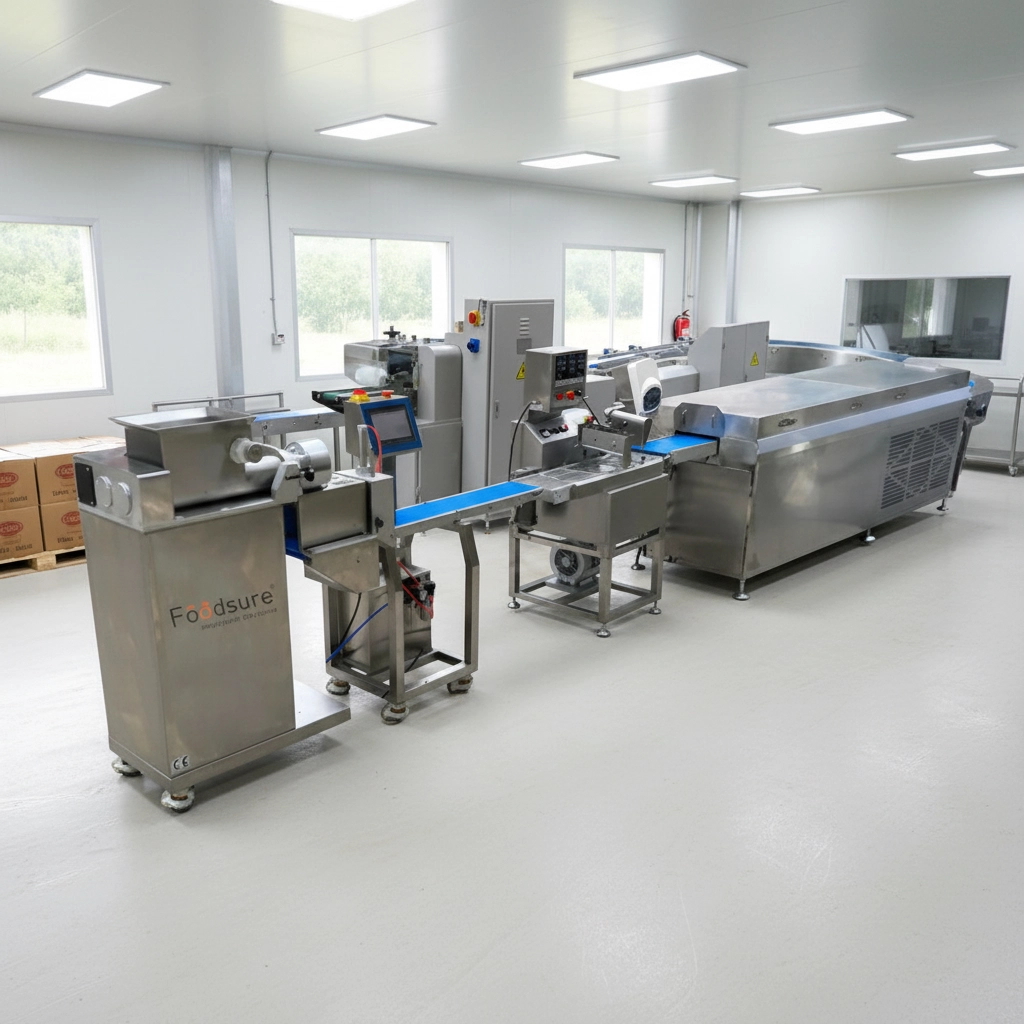
Wet makhana clumps. The best makhana grader for humid weather solves that. Seal it properly, and the gains are real. Good packaging keeps wetness out before it sneaks back in. You get better shelf life, less spoilage, and makhana that actually sells, not one that sits and spoils.
Tribal FPO’s Smart Bet: Disaster Proof Machine That Saved Their Season
- A tribal FPO in central India had a tough season. The rains came late, the drying window was short, and the batch was already starting to spoil.
- Manual roasting wasn’t cutting it. Some pops burned, others stayed raw, and nearly a third of the lot was turning to waste.
- They didn’t overthink it. Just brought in a small, automatic roasting machine and drying setup that fits their batch size and doesn’t require special training.
- Within days, the difference showed. The roast was even, the drying was faster, and they saved the batch just in time to sell.
- Now, they are helping nearby SHGs set up the same model with fewer mistakes and better margins. They started with a makhana moisture control equipment for small units for rain-ready production and scaled it up smartly.
Tribal and rural FPOs are turning to compact,district-level makhana processing kits that work even during unpredictable weather seasons.
From 0% to 10% Yield: Makhana Recovery with Disaster Proof Setup
Season: Monsoon
Location: Tribal Zone, Central India
Problem: Heavy rains wiped out early harvests due to a lack of drying and roasting infrastructure.
Solution: Gradual investment in the affordable makhana processing unit for villages
(dryer + roaster + grader).
| Year | Investment Made | Equipment Added | Batch Saved | Yield Recovered |
|---|---|---|---|---|
| 2021 | ₹0 | No machinery | 0% | 0% |
| 2022 | ₹1.5 lakh | Automatic dryer (small capacity) | 40% | ~4% |
| 2023 | ₹3.2 lakh (cumulative) | Precision roaster + basic grader | 70%+ | 10% |
| 2024 | ₹5.5 lakh (cumulative) | Full-line grading, moisture control, packing | 90%+ | 15%+ |
What this really means is the FPO didn’t just protect their crop; they turned a risky season into a reliable income stream. And they did it by picking the right Monsoon-Proof Makhana Machine, at the right time. Their investment in a monsoon-proof makhana processing plant paid off.
Want a setup like this in your village? Let’s talk numbers, not promises.
3 Game-Changing Machines That Monsoon-Proof Makhana Machines
Let’s not wait for the damage to happen. If you want to protect your harvest and your profits, these three moves can make all the difference.
1. Know Your Monsoon Reality
Start with local facts. How long does it usually rain? When does high humidity spike? If you can map your region’s weather patterns, you can plan your drying and storage systems before the skies open up.
2. Strengthen the Weak Links
Most post-harvest losses don’t happen in the field; they happen during drying, grading, and storage. If your batches sit wet or poorly sorted, you are inviting fungus, weight loss, and market rejection. Fix these stages first. Consider adding the best monsoon-proof makhana processing plant for humid weather to reduce quality drops.
3. Equipment for the Climate You Actually Have
Don’t waste money on oversized machines. Focus on the ones that handle rain-prone conditions well, automatic makhana dryer machinethat don’t rely on sun, roasters that can work in high humidity, and graders that speed up your flow. Look into a small makhana plant for rain-ready production or an affordable makhana processing kit for villages to start with.
Looking for the top companies offering reliable makhana processing equipment? Here’s a complete list to explore. – Top Companies Makhana Machine
Trusted: Foodsure Machines Monsoon-Proof Makhana Machines
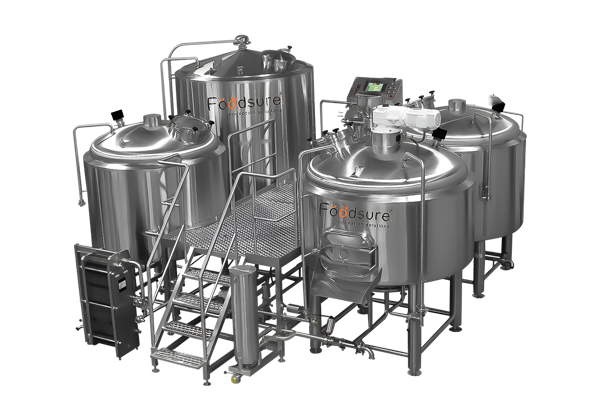
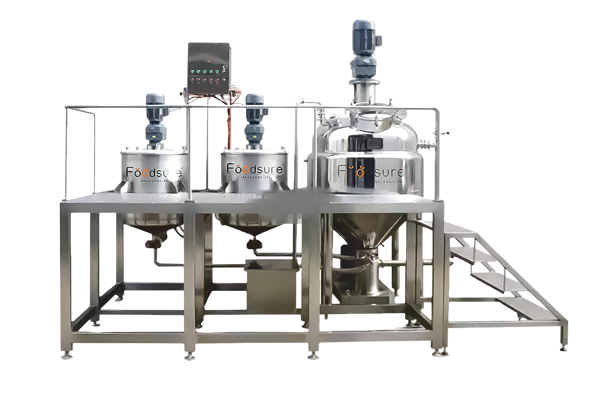
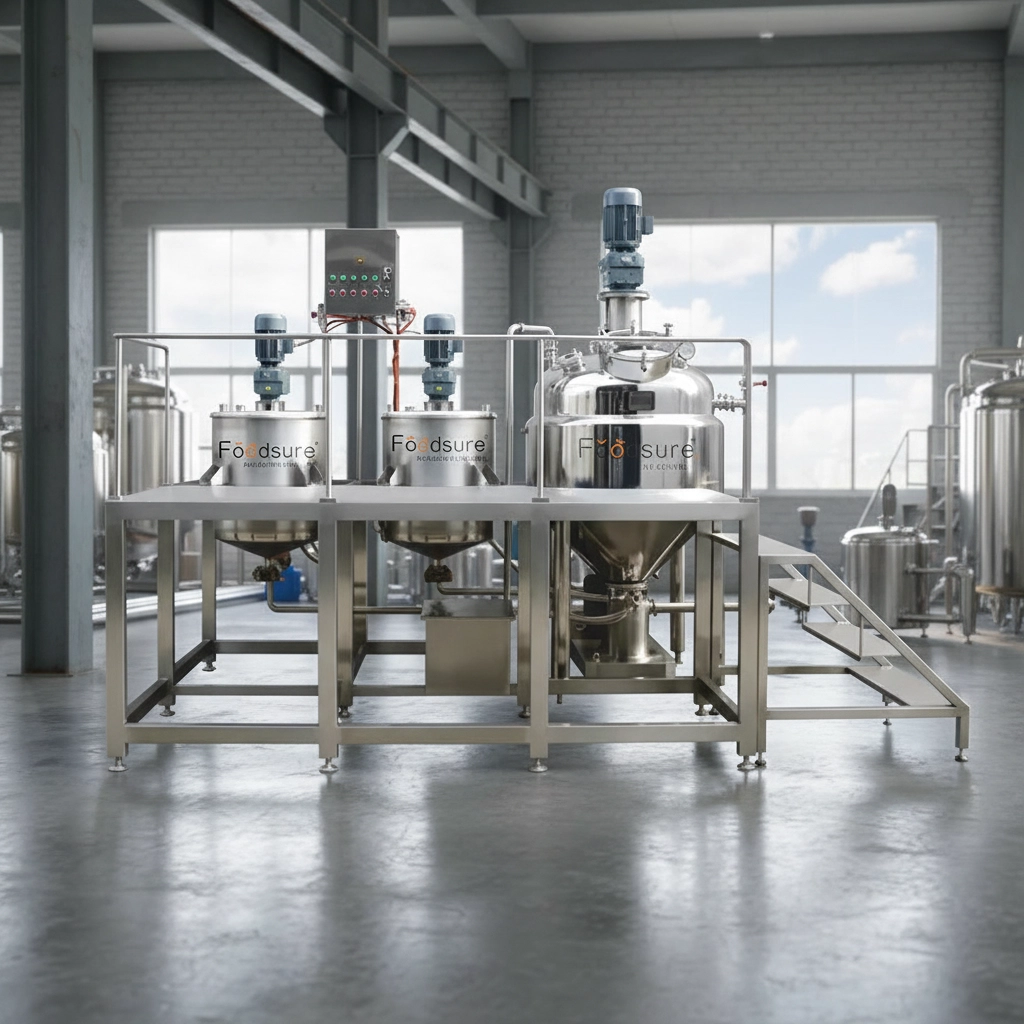
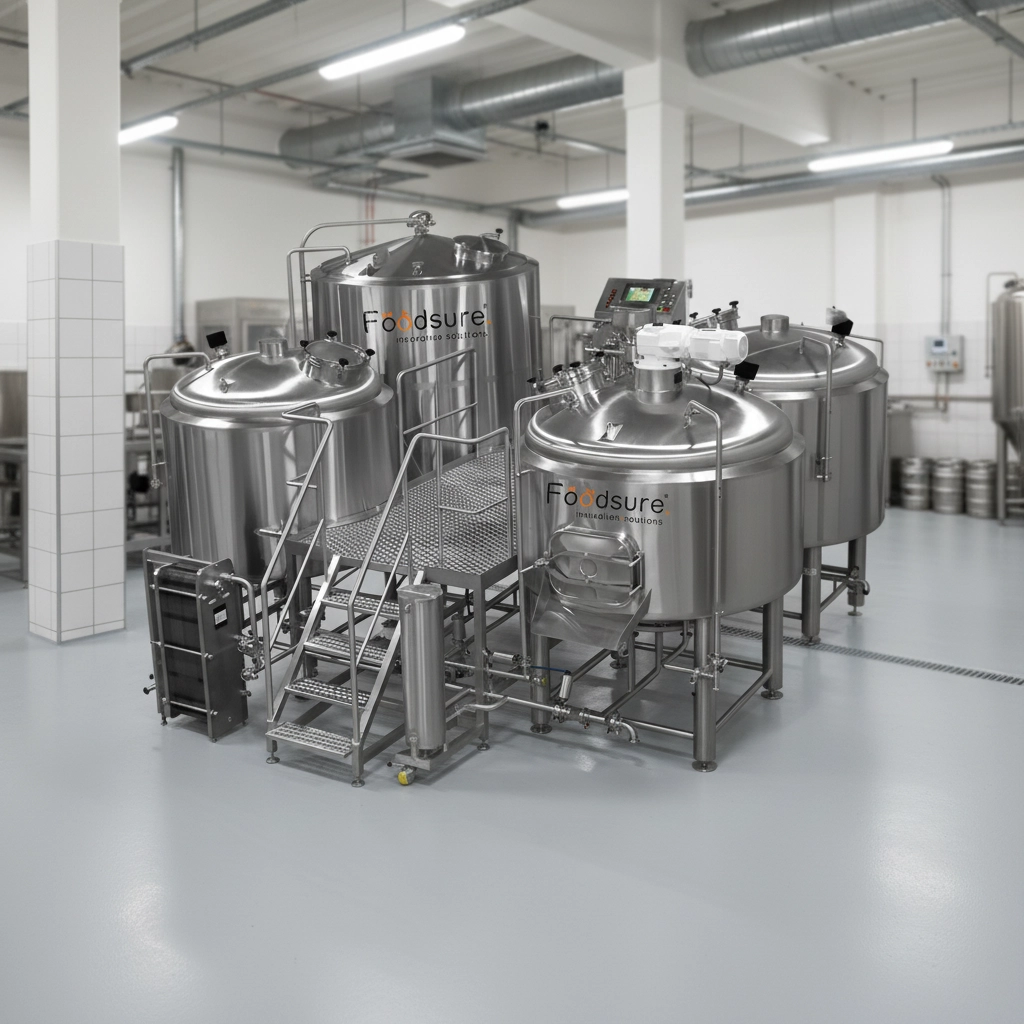
Foodsure Machines help makhana farmers stay ahead of unpredictable monsoons. Our automatic makhana dryer machine pull out moisture fast, even when the sun doesn’t show up. The roasters keep batches uniform, so nothing gets undercooked or wasted. And with automated grading and packing, farmers lose less time and far less crop. What this really means is better quality, fewer losses, and income that doesn’t depend on perfect weather. Need a custom quote or site consultation? Contact us today +91-9870533566, and we’ll help you get monsoon-ready.
FAQ
What is an automatic makhana dryer machine?
It’s a machine that quickly removes moisture from makhana seeds, ensuring faster drying even during humid monsoon conditions.
How does makhana moisture control equipment for small units help farmers?
It prevents fungal growth, protects quality, and keeps small batches ready for roasting and packaging.
What is a Monsoon-Proof Makhana Machine?
A machine designed to process makhana efficiently in rainy seasons, controlling moisture and roasting uniformly.
Can a monsoon-proof makhana processing plant work in high humidity?
Yes, these plants maintain consistent drying and roasting even when humidity is high.
Why invest in makhana moisture control equipment?
It reduces post-harvest losses, improves popping quality, and boosts income.
How much makhana can an automatic makhana dryer machine handle?
Depending on the model, 20–80 kg per hour; contact us for a machine that fits your batch size.
Is Monsoon-Proof Makhana Machine suitable for small villages?
Yes, compact units and small-scale setups work perfectly for village-level production.
What’s the cost of a monsoon-proof makhana processing plant?
A full setup ranges from ₹2–10 lakh; call us for a custom quote based on your capacity.
Can I use makhana moisture control equipment for 100g batches daily?
Absolutely, small units handle micro-batches efficiently without quality loss.
Where can I get a Monsoon-Proof Makhana Machine in India?
Leading Indian manufacturers like Foodsure Machines supply reliable monsoon-ready units. Contact us today to get a quote!