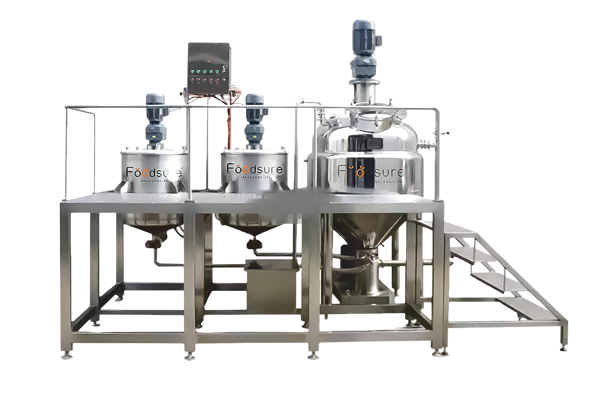
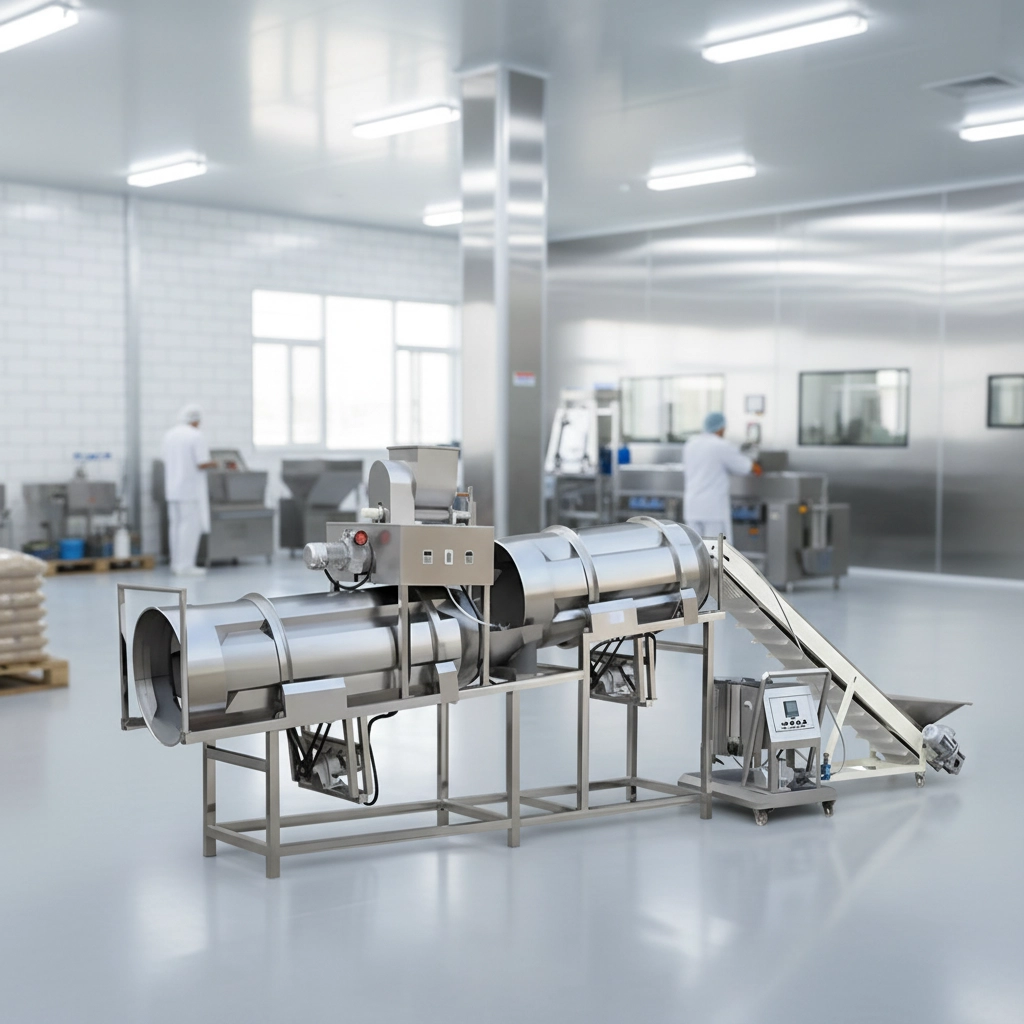
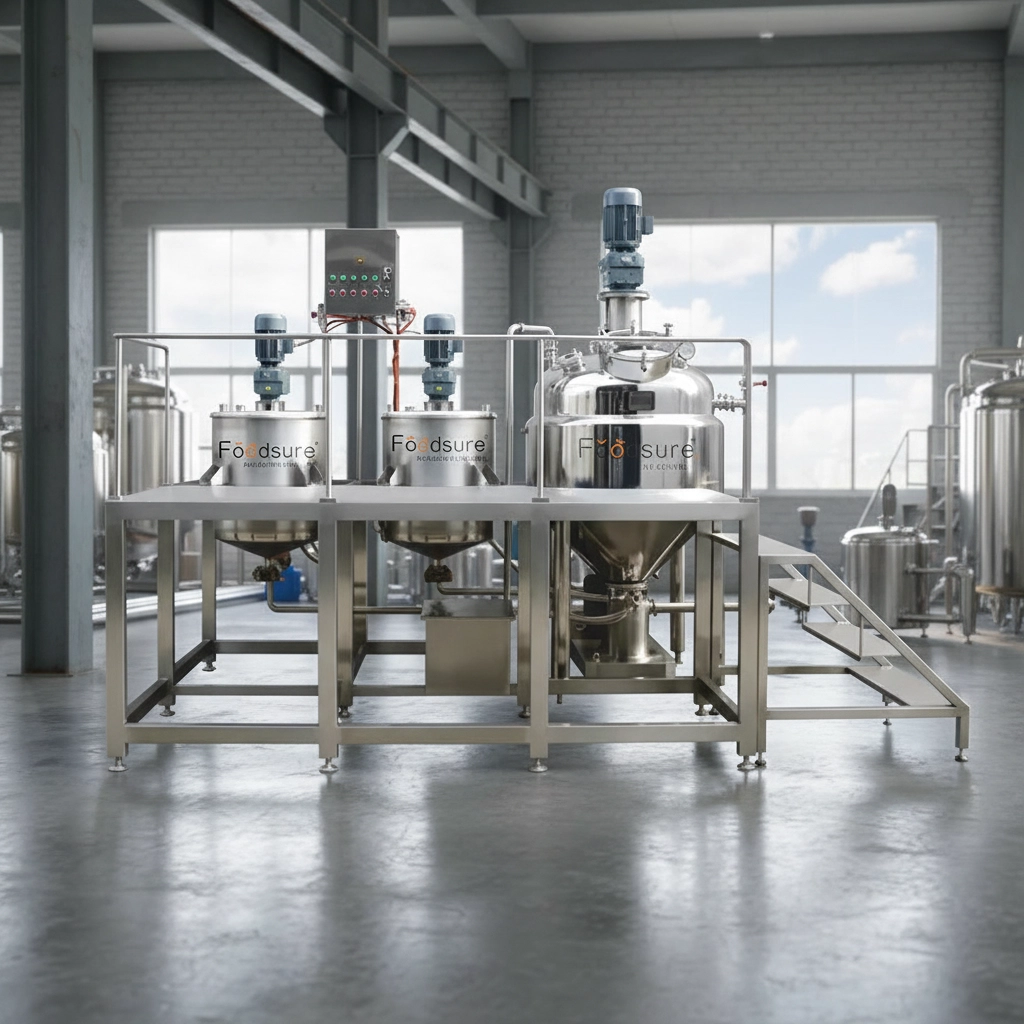
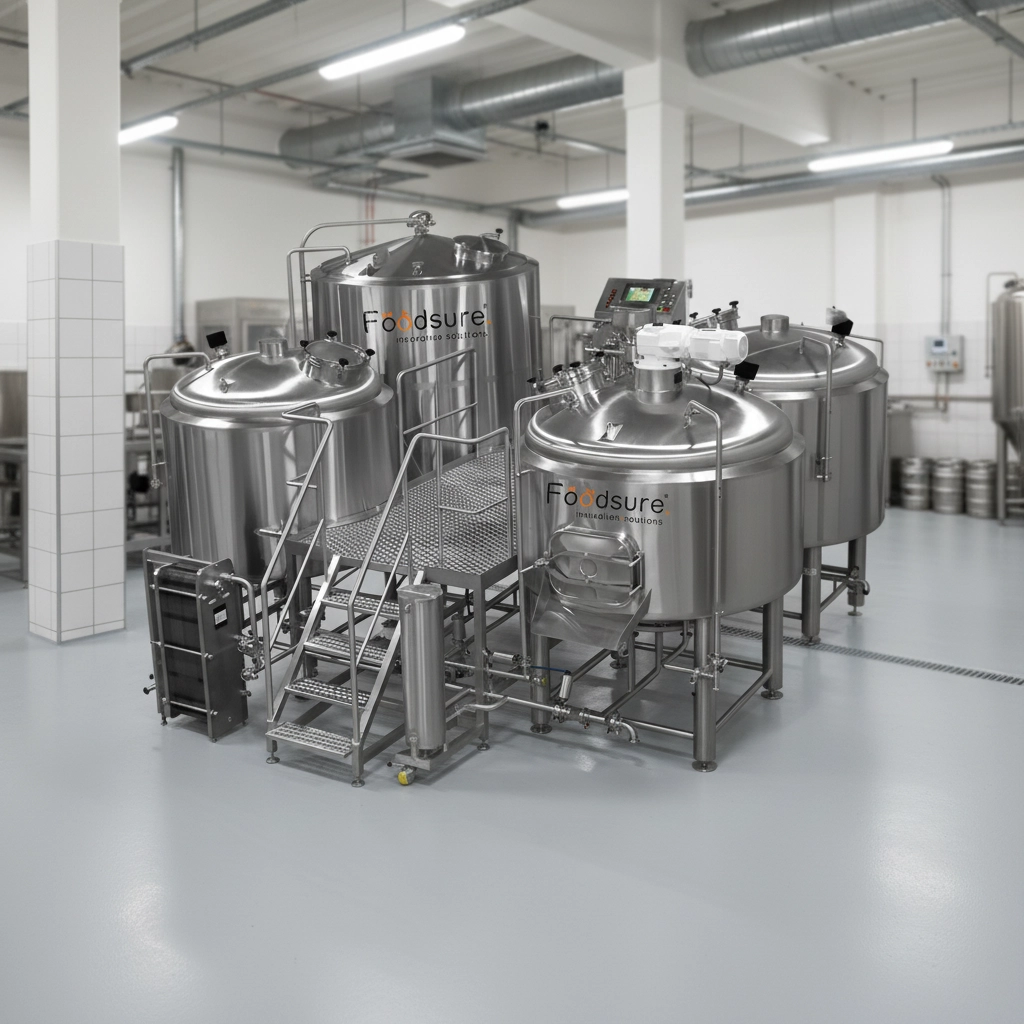
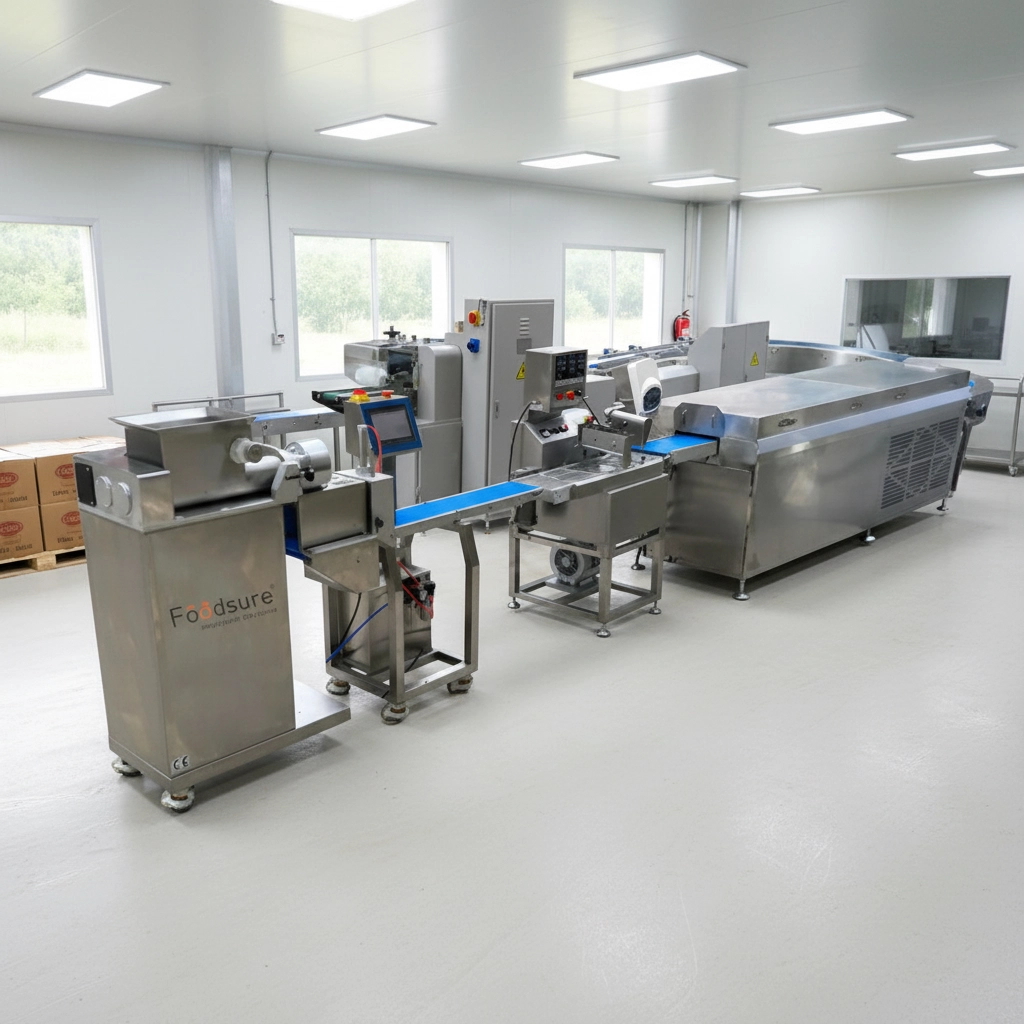
The decision between a vacuum powder mixer and a standard mixer constitutes an essential equipment selection because it affects product stability, compliance results, and operational costs throughout the product lifecycle. Standard mixers function correctly when processing large quantities of non-reactive powders that exist at standard temperature and pressure. Standard mixing systems show their limitations when your formulation needs protection against oxidation and moisture and possible contamination. Oxidation and clumping and inconsistent density and batch variability create interconnected problems that result in financial losses and product quality issues.
A process environment needs an air free powder mixer because it serves as an essential requirement for the operation. The vacuum mixing machine establishes a protected product environment through its capacity to remove all air elements from the space. The system delivers more effective mixing results which create stable outcomes and longer product storage times and decreased chances of batch production failures.
The actual question now centers around which situation makes vacuum mixing essential for your process operations to function properly.
How Air Affects Mixing Efficiency in a Vacuum Powder Mixer
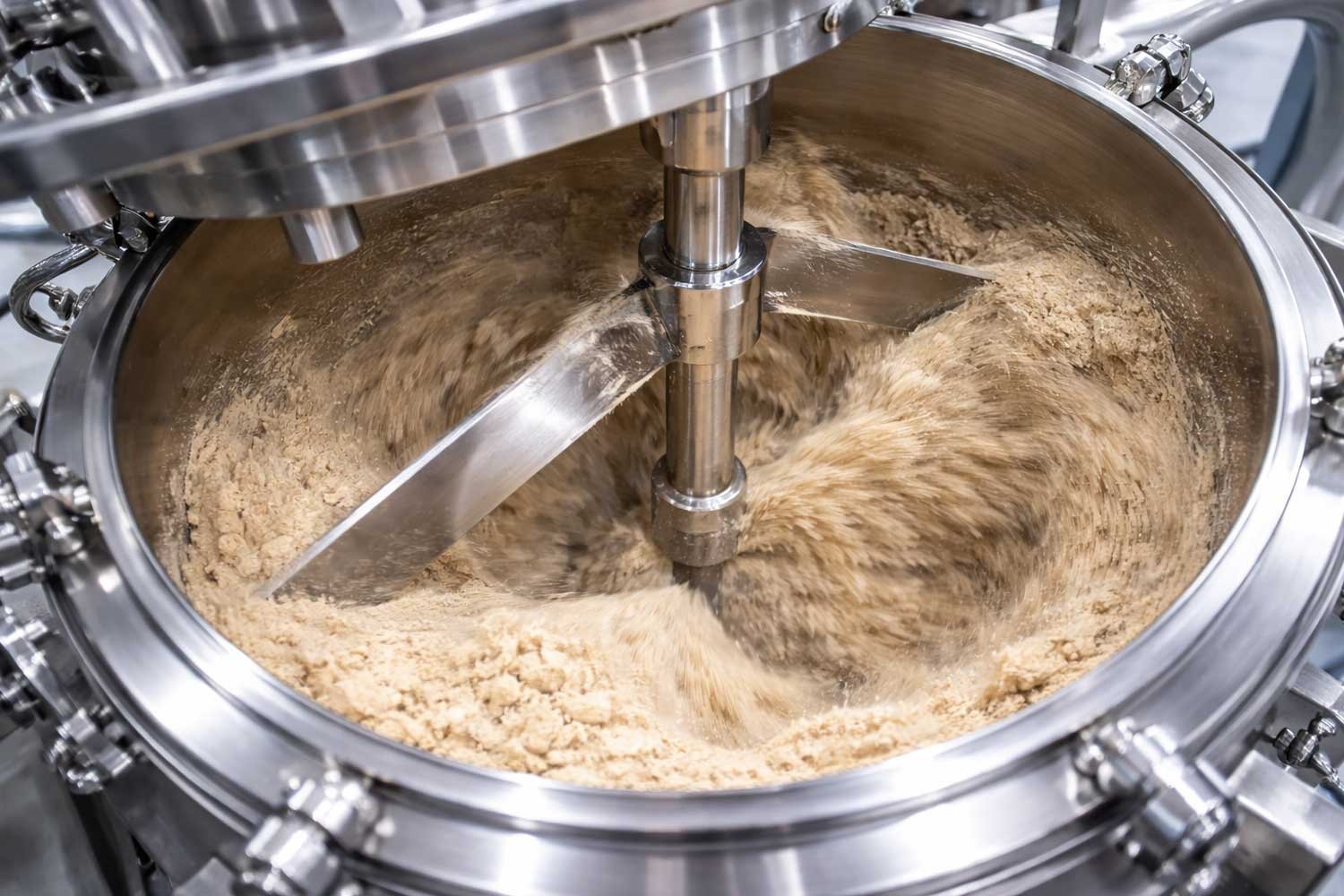
The standard mixing process uses atmospheric air as a hidden pollutant. The rotating blades function as fans which distribute atmospheric oxygen and humidity throughout the powder bed. The following high-precision formulations require:
- Rapid Oxidation: Oxygen reacts with lipids and active compounds which results in rancidity or loss of potency.
- Hygroscopic Clumping: Powders in humid environments absorb moisture through mixing which causes lumping that affects their flowability.
- Entrained Air: The presence of micro-air pockets reduces bulk density which prevents consistent fill weights from being achieved in small sachets.
The vacuum mixing machine creates total control over the mixing environment:
- Pre-Mix Evacuation: The hermetically sealed chamber is stripped of air before the cycle begins through pre-mix evacuation.
- De-aeration: The deep vacuum (usually reaching -0.08 Mpa) pulls trapped air from between granules as particles move.
- Molecular Stability: The absence of air as a buffer allows better control of friction and heat, which prevents thermal degradation.
The result: Creates pure powder-to-powder interaction. The air-free powder mixer achieves denser products through atmospheric interference removal, which results in chemically stable and perfectly uniform products from the first gram to the last.
Technical Comparison of Vacuum Powder Mixer and Conventional Mixing Systems
The choice of these systems requires selecting between two conflicting requirements, which provide complete control over operations and make system operation more straightforward. A vacuum powder mixing machine uses pressure differentials to control particle movement, whereas a conventional mixer needs mechanical force to operate in open atmospheric conditions.
An air-free powder mixer provides its main technical benefit because it removes air from its operation, which produces the fluidized bed effect. The system remains operational because light particles in the chamber react to air currents, which causes them to separate from each other. The vacuum environment only permits gravity and mechanical shear to operate, which results in materials of different micron sizes achieving complete uniformity. The vacuum blender system provides an airtight environment, which protects against facility air contamination, making it the better option for 2026 GMP and FSSAI compliance requirements.
| Parameter | Vacuum Mixer | Conventional Mixer |
|---|---|---|
| Atmospheric Pressure | 0.01 – 0.05 bar | 1.013 bar (Ambient) |
| O₂ Concentration | < 1% | 21% |
| Bulk Density Increase | 10% – 15% | 0% |
| Particle Segregation | Near Zero | High (Air-buoyancy) |
| Seal Integrity | Double Mechanical | Simple Gland / Lip |
| Cleaning (CIP) | Integrated / Automated | Manual / Semi-auto |
| Dust Emission | 0 mg/m³ | 5–10 mg/m³ |
| Batch Yield | 99.90% | 98.50% |
7 Critical Applications for a Vacuum Powder Mixer in Modern Processing
The seven described scenarios show how organizations that use standard mixing methods must switch to dedicated equipment, which becomes essential for manufacturing operations that follow 2026 standards.
1. Oxygen-Sensitive Formulations
Your product needs testing when it includes these components:
- Vitamins (A, D, E).
- Omega fatty acids.
- Active nutraceutical compounds.
The vacuum powder mixing machine for food products stops product degradation at its origin. Conventional mixers whip nearly 21% oxygen into the powder bed; a vacuum environment reduces this to <1%, stopping oxidative rancidity before the product is even packaged.
2. Hygroscopic Powders (Moisture Absorption Risk)
Powders like:
- Protein isolates.
- Lactose.
- Starches.
These materials absorb ambient humidity rapidly, which leads to clumping and inconsistent flow. The air-free powder mixing system keeps its sealed chamber at close to zero humidity levels, which stops lump formation while maintaining smooth operation of downstream sachet-filling processes.
3. Combustible Dust Environments
Fine powders such as:
- Flour and Starches.
- Carbon-based materials.
- Metal powders.
These materials create dangerous explosion hazards when they come into contact with oxygen. A vacuum blender removes oxygen, one of the three legs of the fire triangle, which makes internal combustion less likely and enables safer operation of high-speed plant systems.
4. Shelf-Life Driven Food Products
Food processing suffers from oxidation because it reduces shelf life. The food industry uses vacuum powder mixing machines as its most effective method to produce:
- Protein powders and Whey isolates.
- Instant beverage mixes.
- Infant nutrition.
The product maintains all its delicate flavor and aroma components while showing complete nutritional content according to the label. The product remains marketable for 30-50% longer than products processed using atmospheric mixing.
5. Liquid Integration in Powder Blends
The conventional mixers experience problems with oil and flavor and binder addition because they create surface coating and uneven agglomeration. A vacuum mixing machine allows the powder pores to open up. Liquids achieve rapid absorption and uniform dispersion when introduced under vacuum because they do not require high-shear intensifiers, which would damage the particles.
6. High-Value, Low-Tolerance Batches
- Nutraceuticals.
- Specialty chemicals.
- Cosmetics.
The vacuum powder mixer provides complete batch control, which results in consistent production outcomes and low rejection rates. The production process achieves first-pass quality compliance because you control the environment to eliminate all weather variables (humidity/temp).
7. Regulatory & Hygiene Requirements
Facilities that operate:
- FSSAI (India).
- GMP (Global).
- HACCP.
An air-free powder mixer offers a completely closed-system process. The system prevents airborne cross-contamination and dust emissions, which results in cleaner facilities that will pass 2026 audits with their most difficult testing procedures.
When Conventional Mixers Still Make Sense vs a Vacuum Powder Mixer
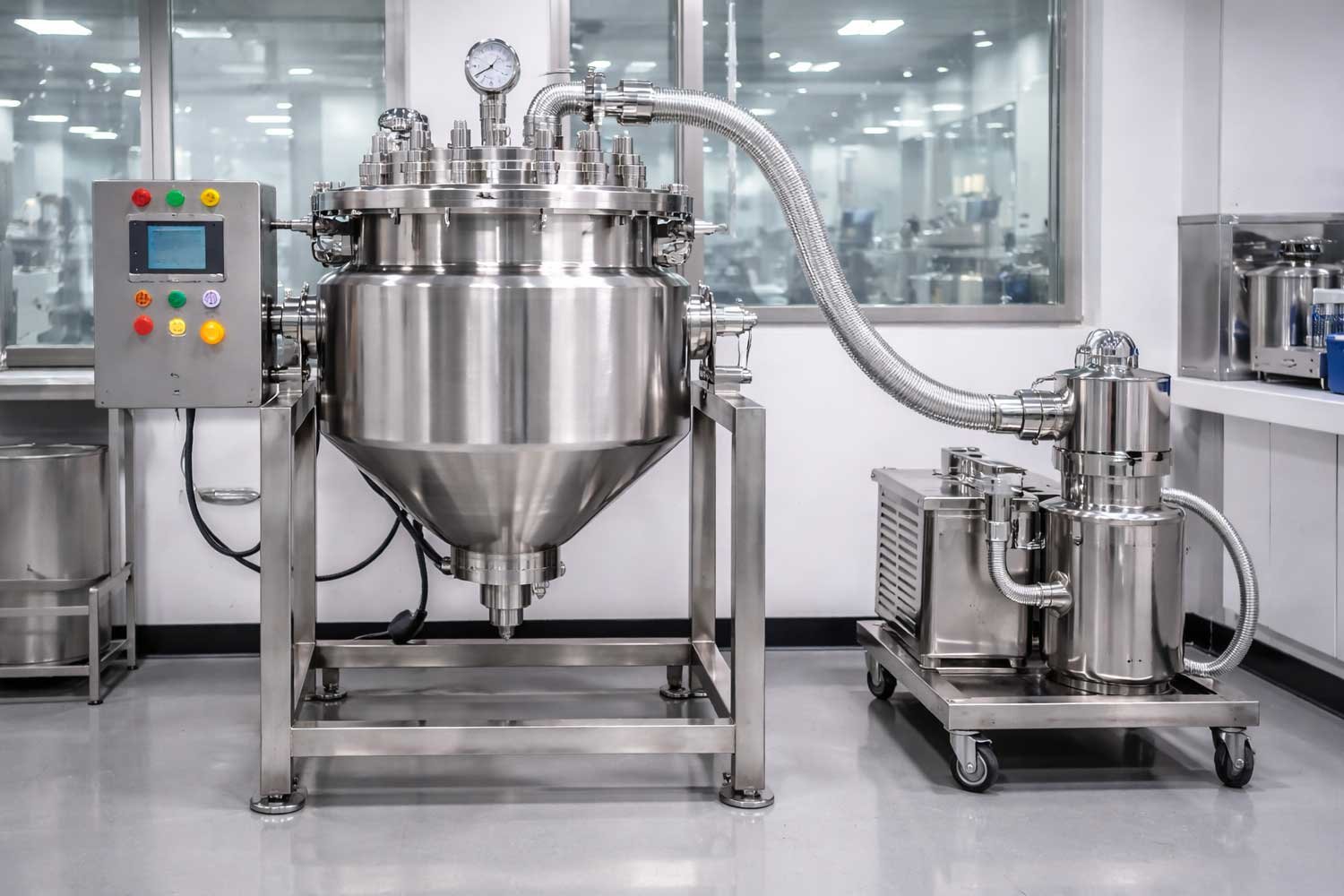
The vacuum powder mixer provides precise measurements, which transform the handling of sensitive materials, but its use does not benefit all production lines. The process becomes wasteful because excessive design elements result in both extra energy needs and additional upkeep demands.
Use conventional mixers when:
- Materials are inert and non-reactive: If your powder does not degrade, oxidize, or clump when exposed to air, the added cost of a vacuum system provides no functional ROI.
- Product value is low: In high-volume, low-margin sectors, the simplicity of a ribbon or paddle mixer offers the fastest payback period.
- No strict regulatory requirements exist: When the end-use doesn’t demand pharmaceutical-grade purity or hermetic sealing.
- Bulk production is the priority: Conventional mixers are often easier to load and discharge in continuous, high-tonnage cycles.
Examples:
- Construction materials: Cement, dry mortar, and tile adhesives.
- Basic spice blending: For non-oily, stable spices like dried chilies or turmeric, where oxidation is not an immediate concern.
Result: A standard atmospheric mixer functions as the primary equipment for handling stable commodities because it produces consistent mixing results without needing the complex machinery that vacuum mixing machines require.
ROI Analysis of a Vacuum Powder Mixer: When the Investment Pays Off
The transition to a vacuum powder mixer requires higher initial costs than a ribbon blender, yet this equipment will help businesses recover their costs through the elimination of hidden operational losses that affect standard atmospheric mixing operations.
Key Value Drivers
- Extended Shelf Life: By reducing internal oxygen levels to nearly zero, the process prevents oxidative rancidity from occurring. Product extension through a 3-month best-before date increases all high-margin products, which include whey protein and infant formula for international market,s while decreasing retail return rates.
- Improved Bulk Density: An air-free powder mixer creates a more compact product. The process of removing air from the powder results in a volume reduction of 10-15%. The system enables you to utilize smaller containers, which leads to lower plastic expenses and improved shipping container efficiency, and these savings will increase your profits.
- Reduced Rework: Conventional mixing processes create hot spots that contain moisture or oxidation,n which results in batch rejection. A vacuum mixing machine operates through its controlled environment, which boosts first-pass yield performance. The machine cost difference becomes justified through annual batch value retention that exceeds two high-value production losses.
Real-World Results with a Vacuum Powder Mixer: Problem–Solution Breakdown
The system achieves its industrial processing solutions through its application of vacuum-based blending methods, which solve quality control problems that traditional mechanical forces cannot resolve. The manufacturing operation established in 2026 needed to control its environmental conditions because this factor determined which products would succeed in the marketplace.
The Problem
Three major failure points emerged for the protein-based nutritional shake manufacturer, which used a ribbon blender because these issues jeopardized their company image:
- “Fluffy” Product Texture: The powder bulk density decreased because atmospheric air entered the mixture during a 15-minute mixing process, which required using larger plastic tubs. The oversized plastic containers showed consumers that they contained only 70% full, which resulted in complaints about slack-fill.
- Rapid Oxidation: The product contained omega-3 fatty acids and Vitamin C, which made even tiny oxygen amounts lead to oxidative rancidity within several weeks.
- Short Shelf Life: The product had a limited 6-month shelf life, which prevented national distribution and export activities because of the danger that “stale” products would end up in retail stores.
The Solution
The facility stopped using its open-air blender system to implement a more effective air-free powder mixing system. The chamber achieved complete oxygen and moisture removal through implementation of a pre-mix vacuum system, which created a pressure of -0.07 Mpa before agitation commenced. The nutritional additives maintained their protein lipid profiles throughout the entire process because the process kept their chemical properties stable.
The Results
The vacuum powder mixer implementation process delivered immediate benefits that could be tracked through measurement.
- 15% Increase in Bulk Density: The manufacturer achieved a smaller container solution that used environmentally friendly materials after they succeeded in removing micro-air pockets from their product.
- Shelf Life Tripled: Stability testing showed that nutritional content and flavor profiles maintained their original state for 18 months, which created new export possibilities to the UAE and European markets.
- Enhanced Sensory Profile: The stale metallic aftertaste was eliminated, which led to a 40% decrease in customer quality complaints and a substantial increase in customer repeat purchases.
Conclusion
The selection of either a vacuum powder mixer or a conventional system will depend largely on process sensitivity and long-term performance efficiencies. If air is not to be used in a formulation and if consistent density and compliance with regulatory standards are essential to your operation, your only option is the use of a vacuum mixing machine, also referred to as an air-free powder mixer.
Foodsure Machines has years of experience providing solutions for food products using the latest advances in vacuum powder mixing technology, enabling customers to improve overall quality, reduce batch failures, increase product yield, and develop scalable production methods. If you are looking for precision, shelf-life stability, and operational control, we are ready to assist you with transitioning to an air-free powder mixing system that works for your needs.
Not Sure if a Vacuum Mixer is Right for You?
Compare vacuum vs conventional mixing based on your product, quality requirements, and production goals.
FAQ
What is a vacuum mixing machine used for?
The vacuum mixer machine serves to combine powder products in a vacuum setting so that blending is consistent and does not oxidize.
How does an air-free powder mixer improve product quality?
The air-free food powder mixer allows for the elimination of air and moisture and therefore allows for consistent mixing throughout each batch of product, resulting in improved shelf life stability for these food products.
Where is a vacuum blender commonly used?
The food, nutraceutical, pharmaceutical and specialty chemical industries will benefit from the use of a vacuum blender for their powder products.
Why choose a vacuum powder mixing machine for food products?
The use of a vacuum powder mixer used to create a blended food product will help to preserve flavor, retain nutritional value and extend the shelf life of food products by eliminating any oxidation that would occur during this process.
What are the benefits of an air free powder mixing system?
The use of an air free powder mixing system will also help to reduce contamination, increase batch consistency, and reduce any potential loss of product during processing.