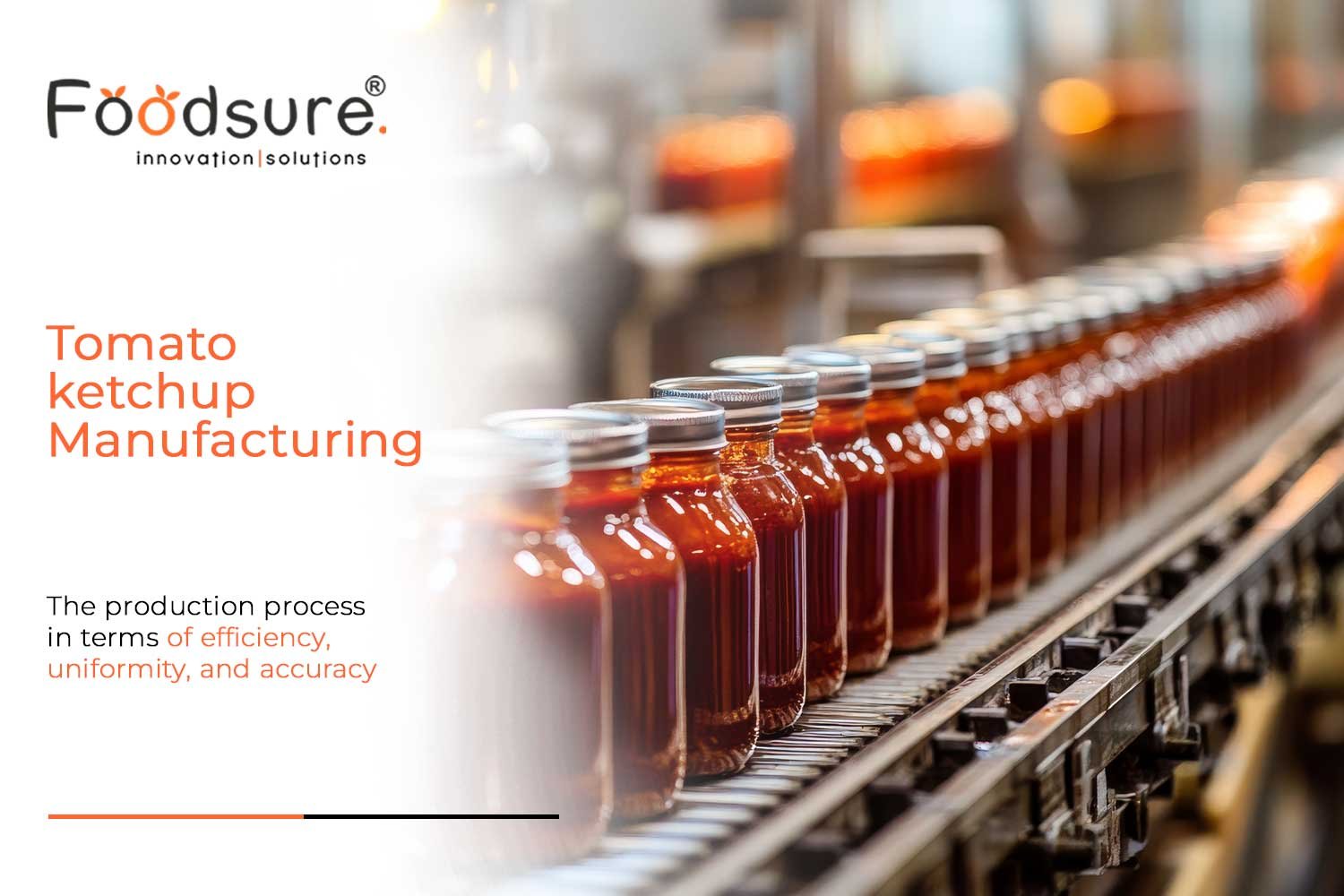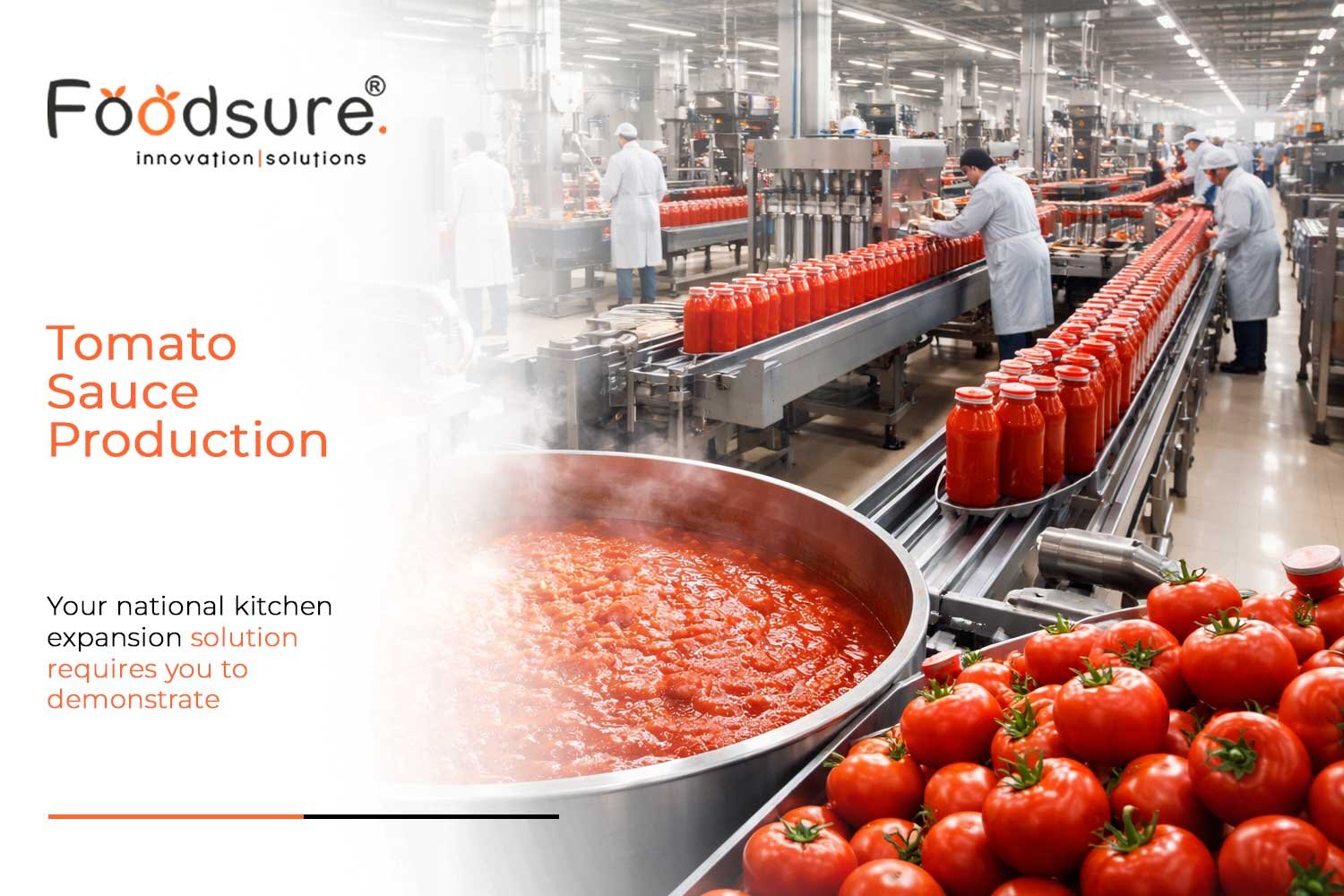
In India, over 1,500 bottles of tomato sauce are opened every minute — a staggering number that shows the ever-growing demand for this essential condiment. From street food vendors to large restaurants, the need for high-quality tomato sauce has never been higher. Yet, many small and medium-sized food manufacturers still rely on manual or semi-automatic production methods, which can be inconsistent and time-consuming.
This is where automated tomato sauce manufacturing machines come in. These machines take your production to the next level, ensuring consistent quality, increased efficiency, and reduced labor costs. In this blog, we’ll explore why more businesses are switching to automatic systems, and how choosing the right equipment can transform your production line — no matter the size of your operation.
Why More Food Brands Are Switching to Automatic Tomato Sauce Machines
- Uniformity: When making sauce by hand, you can’t always get the same uniform consistency as automation provides. Heating and mixing with set tolerances guarantee that each and every batch of sauce is smooth and balanced and ready for market.
- Shelf life: When controlling temperature and air, your sauce will naturally have a longer shelf life. It will appear fresh, maintain the same color, and your sauce does not require heavy preservatives to endure a grocery store environment.
- Timeliness: Automatic tomato ketchup machines do not tire and maintain a steady pace, allowing you to fill more jars in less time. Whether you are a small production operation or a large commercial line, the speed of production and savings in production will be appreciated.
- Fewer people: You will no longer require a large crew of people to handle production; automation can handle most of the work process and detail, and you can take on the role of quality control or supervisors rather than laborers doing detailed repetitive work.
Which Tomato Sauce Machine Is Right for Your Business?
Let us clarify what we mean. The selection of your tomato sauce equipment depends on three main considerations: your required production volume, the degree of automation to be used, and your available capital, investment resources, and operational budget. Most food companies typically deal with semi-automatic or fully automatic lines.
Semi-Automatic Tomato Sauce Processing Equipment
- If you are getting started or increasing production slowly, this is the correct choice for start-ups.
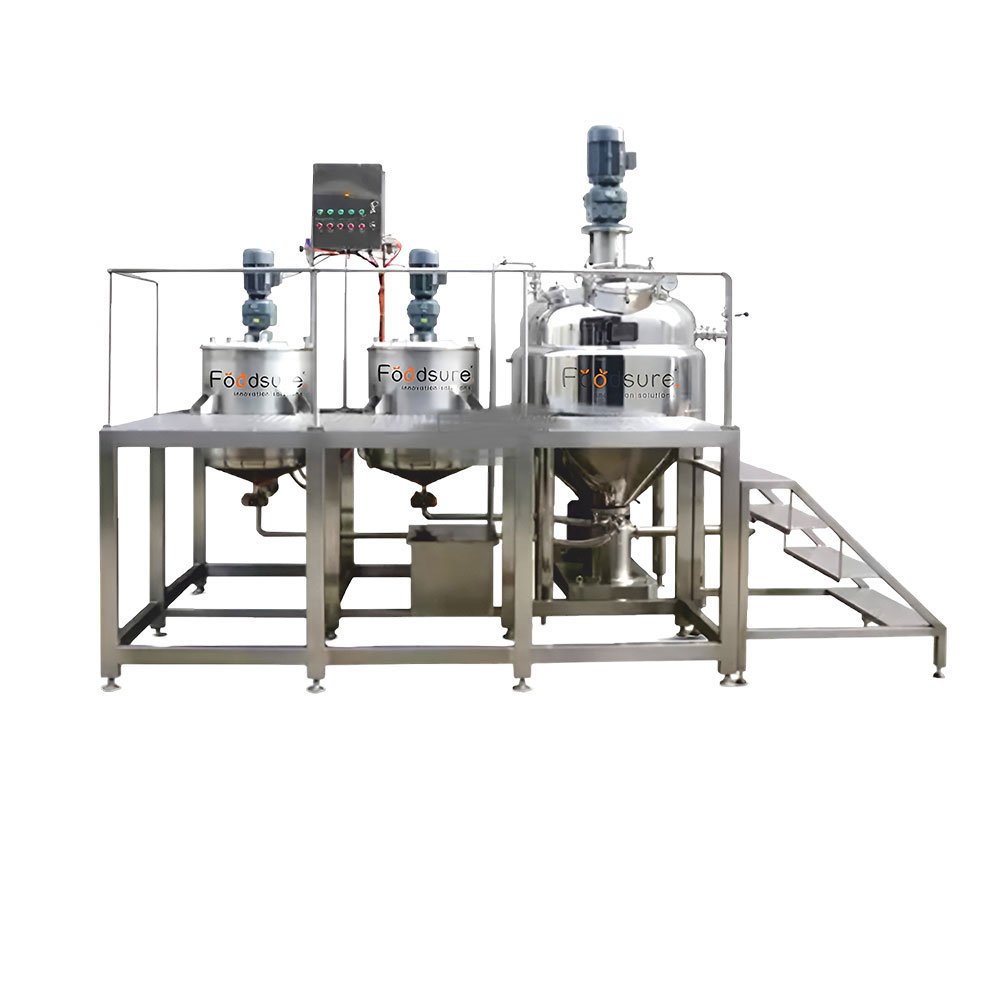
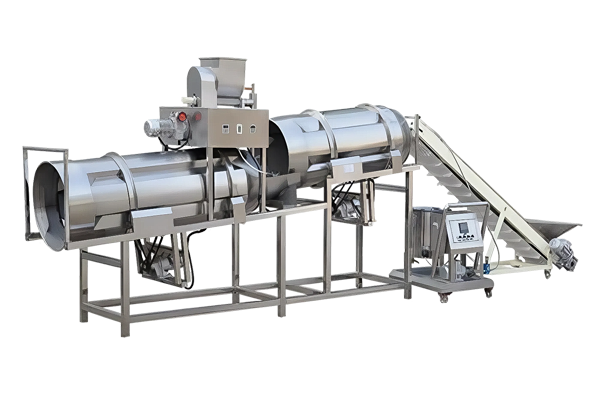
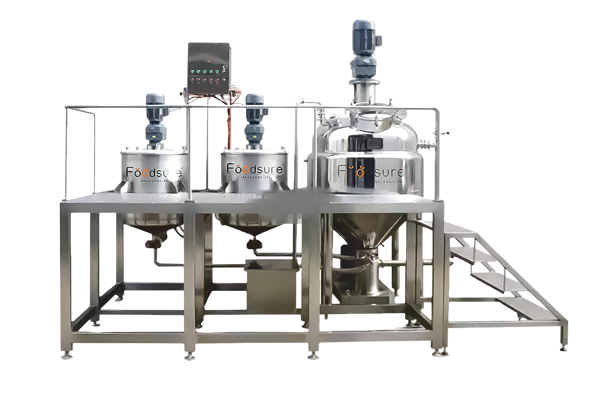
- The semi-automatic tomato sauce manufacturing machine option will automate the main three components: pulping, heating, and mixing, while the filling and capping, and cleaning operations will remain semi-manual.
- You will still require a small number of people, but when trained, you will produce the same high-quality batch every time.
- The Semi-Automatic Tomato Sauce Machine option provides for a much lower initial investment and maintains operational control.
Fully Automatic Tomato Sauce Processing Equipment
- If high production volume and minimal operations supervision are what you want, the Fully Automatic Tomato Sauce Machine is the equipment choice for you.
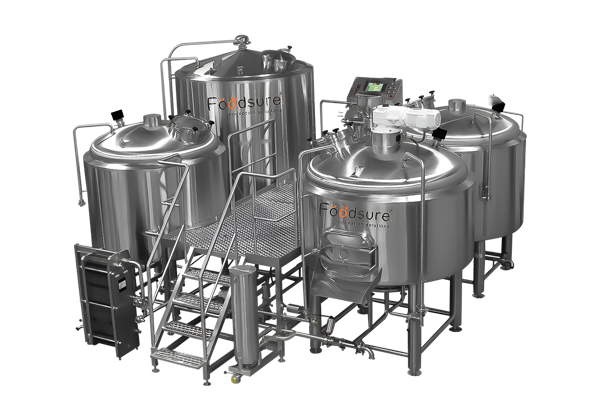
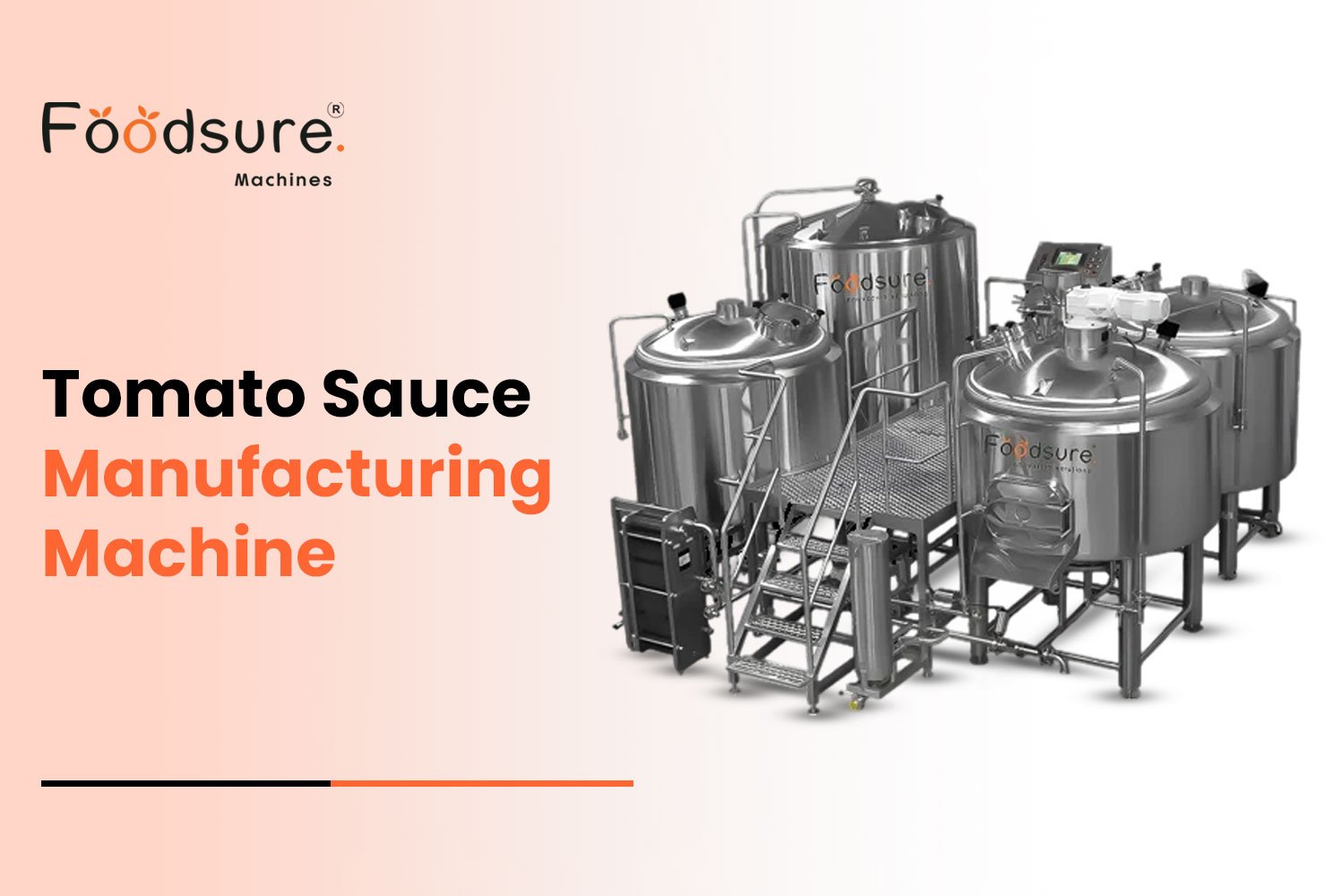
- This type of tomato sauce manufacturing machine can do everything all at once; it can feed, pulp, heat, mix, fill bottles, and pasteurize.
- A fully automatic tomato processing line will increase the output speed, consistency in texture, including savings in production time and labour.
- This is the actual equipment most national brands are using to run the full tomato ketchup production line.
How Much Does a Tomato Sauce Processing Machine Cost in India?
Most food units choose between semi-automatic and industrial ketchup manufacturing machine. Each serves a different kind of business goal.
| Machine Type | Output Capacity (kg/hour) | Automation Level | Approx. Price Range (₹) | Manpower Needed | ROI Period (Months) |
|---|---|---|---|---|---|
| Semi-Automatic Tomato Sauce Machine | 50–200 | Partial | 2 – 6 Lakh | 3–4 | 10–12 |
| Fully Automatic Tomato Sauce Machine | 300–1000+ | Complete | 8 – 15 Lakh+ | 1–2 | 6–8 |
How to Choose the Right Tomato Sauce Production Equipment
Setting up a complete tomato ketchup plant India isn’t just about buying a few machines. You need the right space, steady utilities, trained people, and a few licenses before you can start producing at a consistent pace.
1. Production Capacity
First, think about the number of sauces you will be producing in a day. Smaller units may be in the neighbourhood of around 50-200 kg/hour, and higher volume commercial production plants are generally in the 500-1000kg/hour range at a minimum. The right capacity will save you from over-killing, or overpaying for features that you may not ever use again, or worse, under capacity.
2. Level of Automation
Decide on semi-automatic versus fully automatic lines. For smaller (or start-up) operations, semi-automated machines are a great option. They will allow for handling, though they will be operation-intensive. The ketchup processing plant will do most steps of filling the pulper to filling, with no operation needed, reducing labour time, consistency, and quality.
3. Output/hour
Verify the true hourly machine output per hour. Does that output fit your current demand and your anticipated growth? Increasing output not only helps meet orders but also decreases downtimes and increases efficiency in recipes.
4. Build Quality and Support
Good, solid, efficient machine design will lead to fewer frustrations and decreased downtimes. Do your due diligence with your tomato ketchup plant manufacturer on customer support with spare parts, training, and after-sales support, especially in case of mechanical problems that may need your supplier to take back the machine.
Conclusion
Making the switch to automated tomato sauce production isn’t just about increasing efficiency; it’s about ensuring consistency, improving shelf life, and cutting down on labor costs. Whether you’re a small startup or a large-scale operation, choosing the right tomato sauce manufacturing machine can elevate your business to new heights.
At Foodsure Machines, we provide state-of-the-art machines that can streamline your production process while maintaining the highest quality standards. Ready to take the next step?
Click below to get your free consultation or request a quote today — and start scaling your sauce production efficiently.
FAQs
What is a tomato sauce manufacturing machine?
It is a machine that automates pulping, heating, mixing, and filling to produce tomato sauce efficiently.
How does a fully automatic tomato sauce machine work?
It feeds tomatoes, pulps, heats, mixes, fills, and pasteurizes the sauce in a continuous process with minimal manual effort.
What are the benefits of using automatic machines for sauce production?
Automatic machines ensure consistent quality, higher efficiency, and reduced labor costs.
How much does a tomato sauce manufacturing machine cost?
Prices typically range from ₹2 lakh for semi-automatic machines to ₹15 lakh for fully automatic setups.
Which type of machine is right for my business: semi-automatic or fully automatic?
Semi-automatic machines suit small-scale units, while fully automatic machines are ideal for high-volume production.
How does automation improve tomato sauce shelf life?
Automation maintains consistent temperature and air control, improving freshness and reducing the need for preservatives.
How long does it take to set up a tomato sauce manufacturing line?
Setup can take a few days to a few weeks, depending on the machine type and automation level.
What maintenance is required for tomato sauce machines?
Routine cleaning and occasional replacement of wear parts help keep the machines running smoothly.
Can I customize the machine for my sauce recipes?
Yes. Many machines allow adjustments for flavor, consistency, and texture to match your recipes.
Is it profitable to start a tomato sauce production business?
With proper setup and steady market demand, tomato sauce manufacturing can become profitable within 6–12 months.