Did you know the global tomato ketchup market is on track to exceed $27 billion by 2026, driven by growing demand for health-conscious products and innovative packaging? In India, the market is set to grow at an impressive 15.4% CAGR, making it one of the most promising regions for ketchup manufacturers and suppliers. Here’s how businesses can capitalize on these trends.
For manufacturers, this growth is not just a statistic, it represents rising margins, expanding export demand, and a strong case for investing in scalable ketchup production capacity right now.
How the Tomato Ketchup Market is Booming: Insights & Growth Opportunities
The tomato ketchup market growth India is forecasted to reach $659.6 million by 2024, with a projected CAGR of 15.4% from 2026 to 2033, growing to $2.39 billion in 2033. Globally, the sauce market India is expected to exceed $27 billion by 2026, driven by innovations in product offerings and packaging.
However, the supply chain of ketchup in India makes it vulnerable to seasonal tomato supply risk. It is exposed to sudden weather events that can cause significant crop loss and price fluctuations, including heat waves, the arrival of unseasonal rains, and delayed arrivals of monsoons. When there is a supply disruption, it results in a limited supply of raw materials that can raise the cost of production and, in the longer term.
Worldwide Outlook: Tomato Ketchup Market Size and Growth
-
Plant-Based Ketchup: Growing demand for healthier, plant-based ketchup made from organic, non-GMO tomatoes with natural sweeteners (e.g., agave, date syrup).
-
Example: Heinz’s no sugar added and organic ketchup lines.
-
Insight: Health-conscious consumers are seeking alternatives to traditional ketchup.
-
-
Sustainability: Increasing demand for eco-friendly packaging such as biodegradable sachets, squeezable bottles, and recyclable materials.
-
Insight: Consumers are more concerned about environmental impact, driving ketchup brands to adopt sustainable packaging solutions.
-
-
E-commerce Growth: The rise of direct-to-consumer (DTC) sales models through platforms like Amazon and Flipkart.
-
Insight: Allows manufacturers to bypass traditional retail channels and engage directly with consumers for better pricing and personalized offers.
-
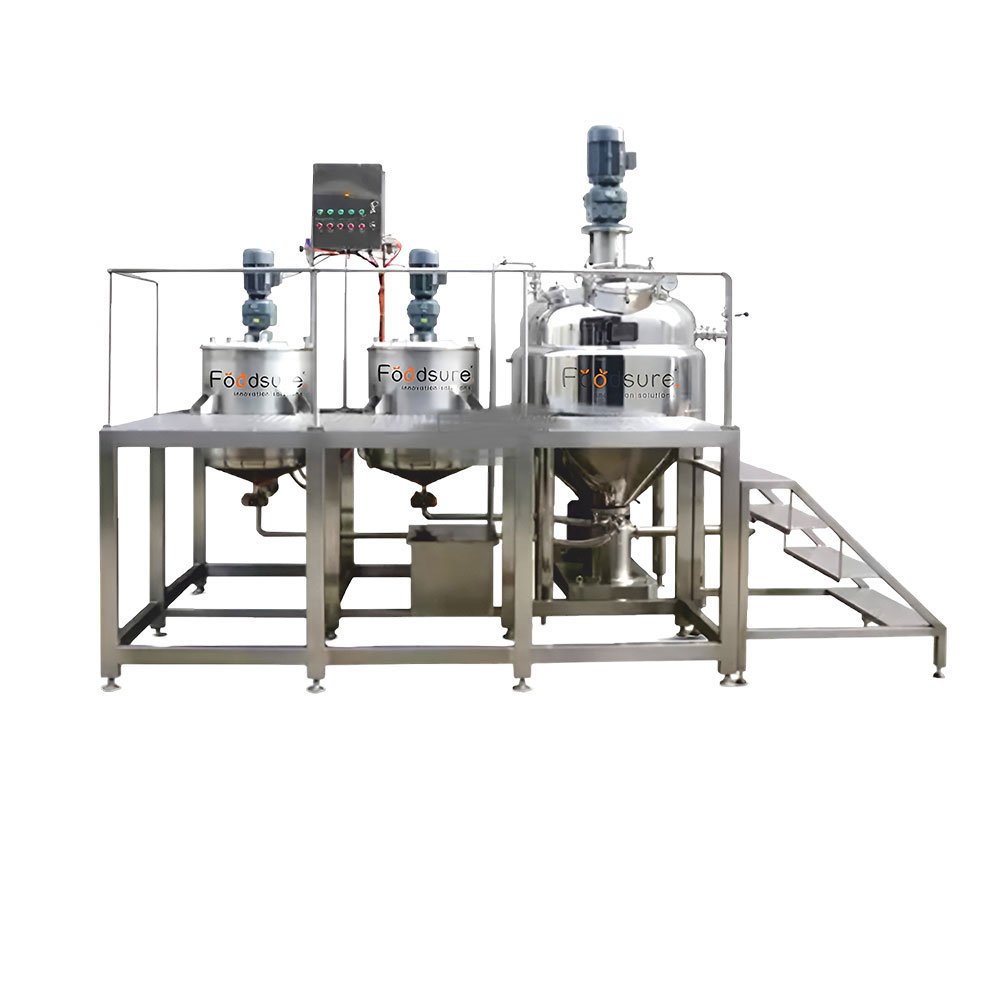
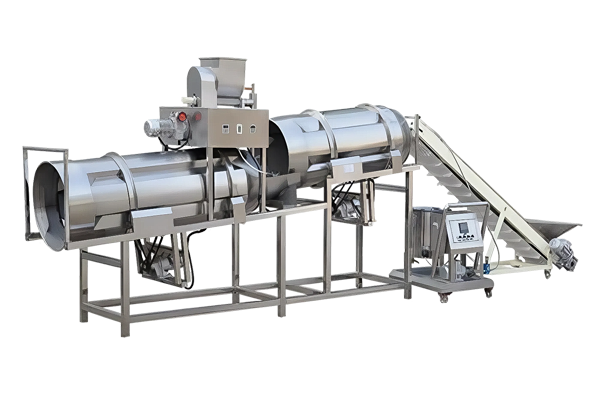
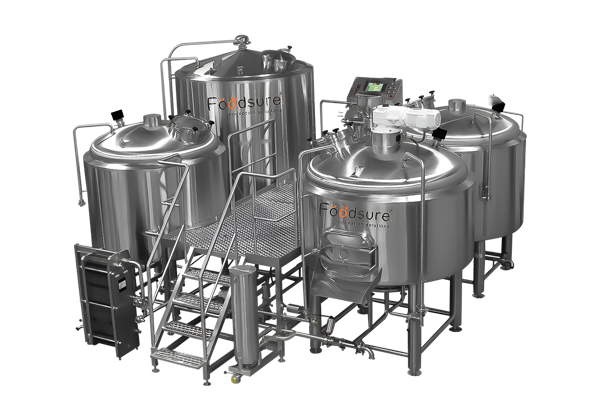
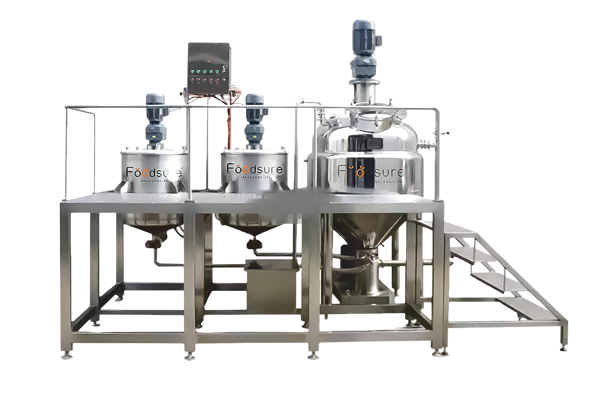
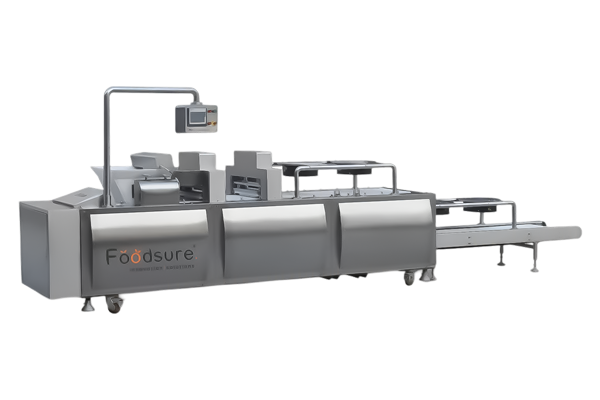
As ketchup demand trend grows for healthier formulations, sustainable packaging, and faster online fulfillment, manufacturers face a new challenge scaling production without compromising consistency or compliance. This is where modern tomato ketchup processing machines become a strategic necessity, not just a capital expense.
Tomato Ketchup Machines: Key to Market Size and Growth Trends
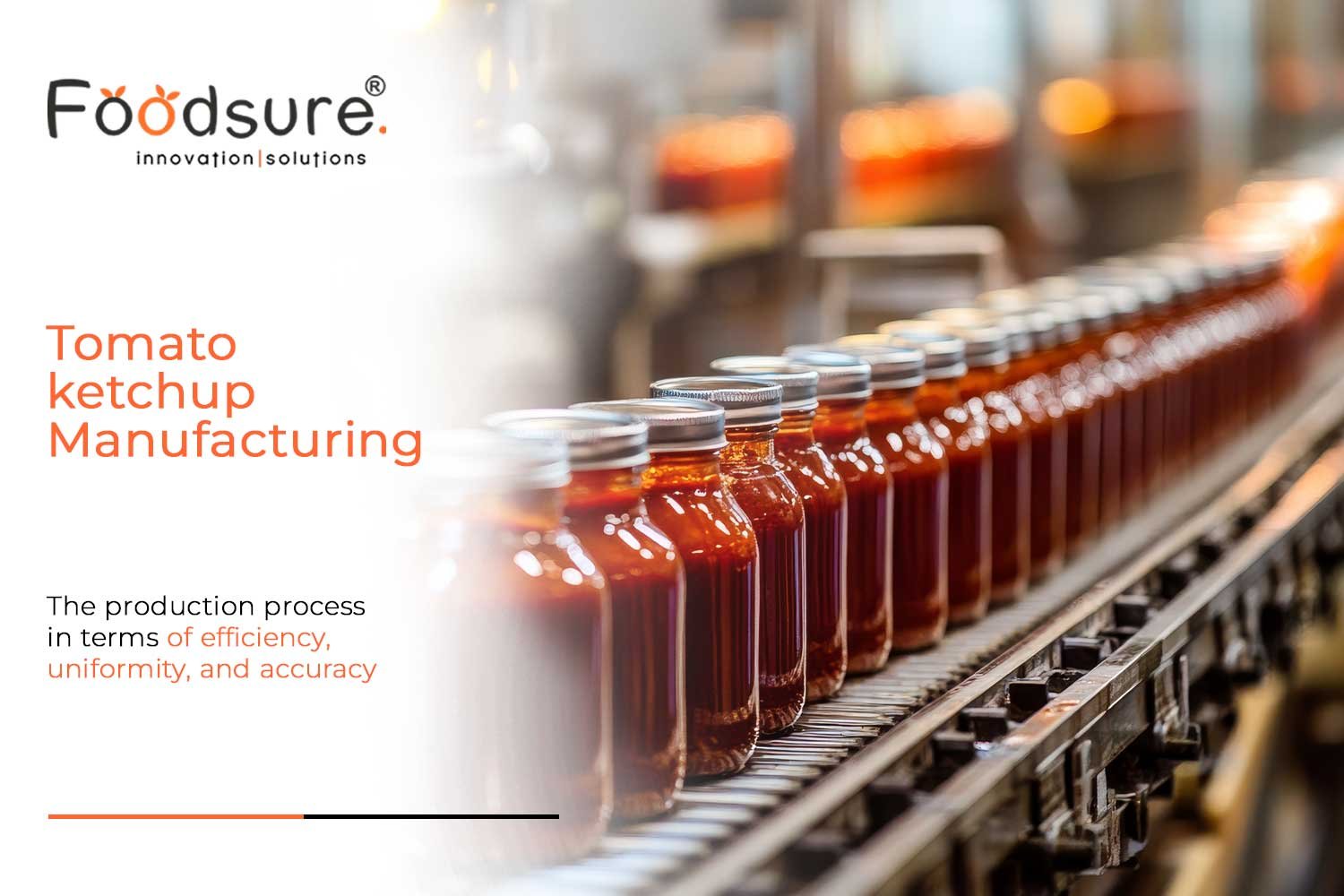
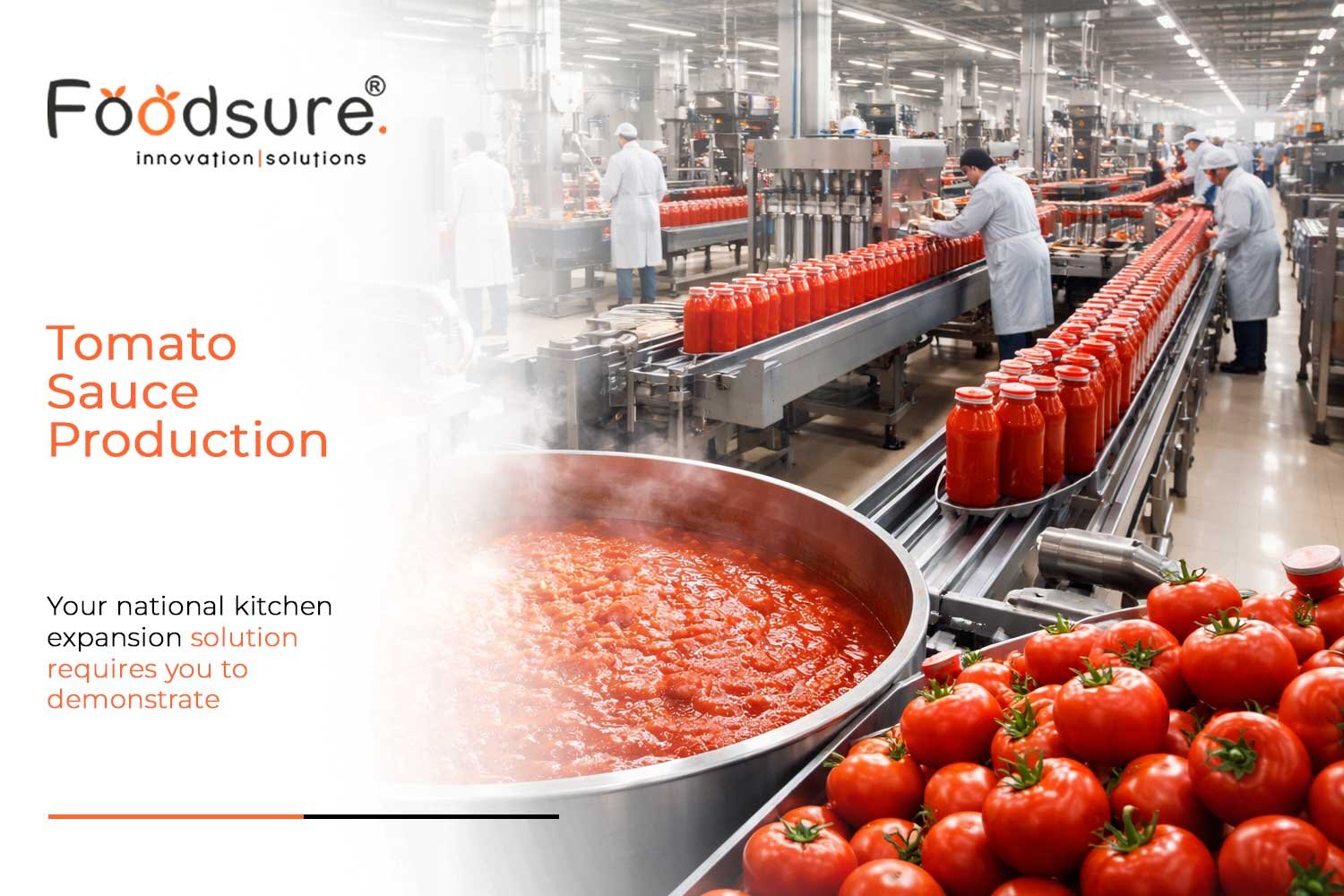
Modern automatic ketchup plants can increase output by 2–3x while reducing labor dependency by up to 40%. The tomato ketchup market is growing, and a manufacturer cannot grow in capacity without investing in new or improved processing equipment. Below are five reasons to invest in a tomato ketchup processing machine to help you grow your manufacturing business:
- Efficiency and Reduced Processing: The pump, cook, blend, and fill into the same machine for faster production time.
- Consistent Quality: The machine will be the same temperature or viscosity throughout the process, so your next batch will taste just like the last batch.
- Increased Profitability: dedicated processing equipment will improve your yield on materials, provide longer shelf-life, and labor savings.
- Meeting the New Demand: dedicated equipment will help your manufacturing business for future local retail, online sales, and/or institutional capabilities.
- Food Safety and Compliance: Dedicated equipment will be stainless-steel food-service equipment and will be compliant with FSSAI and other global standards.
- Level of Competition: Small and medium-sized manufacturers can remain relevant and compete with the large manufacturers by (re)creating the same product and ensuring a consumer will have a similar product that tastes the same.
Why Tomato Ketchup Demand Is Growing Worldwide
Expansion of Quick Service Restaurants (QSRs)
- Growth of Quick Service Restaurants (QSRs), in the United States and internationally, has increased demand for tomato ketchup, as QSRs make ample use of ketchup as a condiment and encourage an overall increase in consumption as their menus extend to add further products, such as sandwiches, burgers, and French fries.
Convenience & Packaged Foods Consumption
- The continued demand for ready-to-eat foods is coming from the fast-paced lifestyles of city life, and also contributes to an increase in dual-income families. Packaged ketchup, such as condiment ketchup, is particularly suited to the needs of convenience as it is an easy flavor enhancer for snacks and meals, regardless of where they are eaten.
Innovation in Pouch and Sachet Packaging
- The innovation in packaging options (e.g., squeezable pouches, single-serve/portion-controlled sachets, and eco-friendly packs and sachets) has provided additional convenience, less waste, and ketchup products are evolving with an increasingly younger-aged consumer, and more health-conscious consumers.
Export Opportunities of Indian Ketchup Manufacturers
- Indian ketchup manufacturers are seeing a growing export opportunity to the Middle East, Africa, and Southeast Asia due to price-point advantages, improved quality, and overall standards.
Government stimulation of food processing (PLI Scheme, Subsidies)
- The Production Linked Incentive (PLI) scheme and subsidies for food processing created by India are designed to drive growth for the sector through infrastructure development, preventing post-harvest loss, and increasing domestic production of tomatoes.
Key Challenges Affecting Tomato Ketchup Market Growth
Micro and Small Enterprises (MSEs) that are engaged in the manufacture of ketchup encounter a variety of conditions that can be disruptive to growth and continuing profits.
- Fluctuations in tomato supply and the cost: The tomato ketchup market faces challenges related to supply chain risks, particularly fluctuations in the cost of raw materials like tomatoes. Seasonal disruptions, such as heat waves or unseasonal rains, can cause price volatility and supply shortages. These disruptions can also impact smaller manufacturers, who are often competing with large multinational corporations that dominate the market. In such a competitive environment, maintaining consistent product quality at affordable prices is crucial for survival.
- Compliance with FSSAI and Hygienic Protocols: Indian regulation requires standards to ensure food standards are met, such as labeling or hygienic issues of compliance with specifications. A fine may apply depending on the non-conformance, as well as a product recall, ban, or removal.
Step-by-Step Action Plan to Enter the Tomato Ketchup Market
It is crucial to identify the right tools and techniques for sauce industry outlook marketing success in selling products to the right customers.
- Traditional “offline” methods might involve supermarkets, local grocery stores, quick-service restaurants (QSRs), or customers (single unit or institutional volume like schools, canteens).
- Working to develop and manage strong relationships with your distributors and/or retailers will help you build “goodwill” that will get your product on the shelf and/or stocked to meet their particular demands.
- Just like a seller can sell units on the shelf, marketing online has become equally important in a rapidly growing world of e-commerce and grocery purchasing application stores.
- Depending on the products, sellers can sell through, to name a couple of examples, Amazon, FlipKart, and/or specialty food e-commerce sites. Similarly, for small manufacturing items, it may be much easier to go off the sales channel and build relationships with urban end-users/ailes than traditional practices.
- Similarly, through social media, sellers can build awareness and customer opens through influencer outreach, advertising, etc.
Success Stories and Expert Insights:
-
Heinz Ketchup’s Market Growth via Organic Ingredients:
-
Heinz, a well-known condiment brand, shifted to using organic ingredients in 2020. Within one year, their market share increased by 25% as consumer demand for natural and healthier products rose.
-
Sales grew by 18% in 2021 alone, with a 40% increase in their online sales, driven by targeted campaigns emphasizing their eco-friendly ingredients.
-
-
Expert Predictions on Eco-Friendly Packaging:
-
Industry experts predict that by 2025, 70% of food packaging will be made from sustainable materials, a trend accelerated by consumer preference for environmentally-conscious brands.
-
A recent report from McKinsey & Company suggests that companies switching to biodegradable packaging can expect up to a 10% increase in customer loyalty and a 15% rise in revenue within the first 2-3 years of the transition.
-
Conclusion
At Foodsure Machines, we are committed to supporting manufacturers in growing and operating efficiently with our collection of Automatic Tomato Ketchup machines. Our machines will help you maintain quality, increase production, and meet the requirements of the Food Safety and Standards Authority of India (FSSAI). You can trust our machines to meet your increasing market demand and sales, and effectively compete with larger brands, while you have our support and expertise to grow your business as best we can.
Request Your Free Quote Fast
Please reach out to us anytime via phone or email.
FAQ
How big is the tomato ketchup market in India?
The Indian tomato ketchup market is projected to reach ₹3,500–4,000 crore by 2024.
What is the growth rate of the ketchup market?
The global ketchup market is expected to grow at a CAGR of 3-6%, while India’s CAGR is 15.4% until 2033.
What factors are driving ketchup demand?
Increased consumption in QSRs, health-conscious consumer trends, and eco-friendly packaging are key drivers.
What are the key trends in the tomato ketchup market?
Plant-based ketchup, sustainability, and e-commerce growth are the major trends.
Which is the biggest tomato ketchup brand?
Heinz is one of the largest global ketchup brands.
How much does a tomato ketchup plant cost in India?
A small to medium-scale tomato ketchup plant costs ₹15–50 lakh in India.
Which packaging is trending in the ketchup market?
Squeezable bottles, single-serve sachets, and eco-friendly materials are gaining popularity.
What is the future of the tomato ketchup industry?
The market is expected to exceed $27 billion globally by 2026, driven by innovation and demand.
How do weather disruptions affect ketchup production?
Seasonal fluctuations in tomato supply due to weather events lead to price volatility and production challenges.
Can small manufacturers compete with big brands?
Yes, by focusing on niche markets like organic and eco-friendly products, small brands can compete.