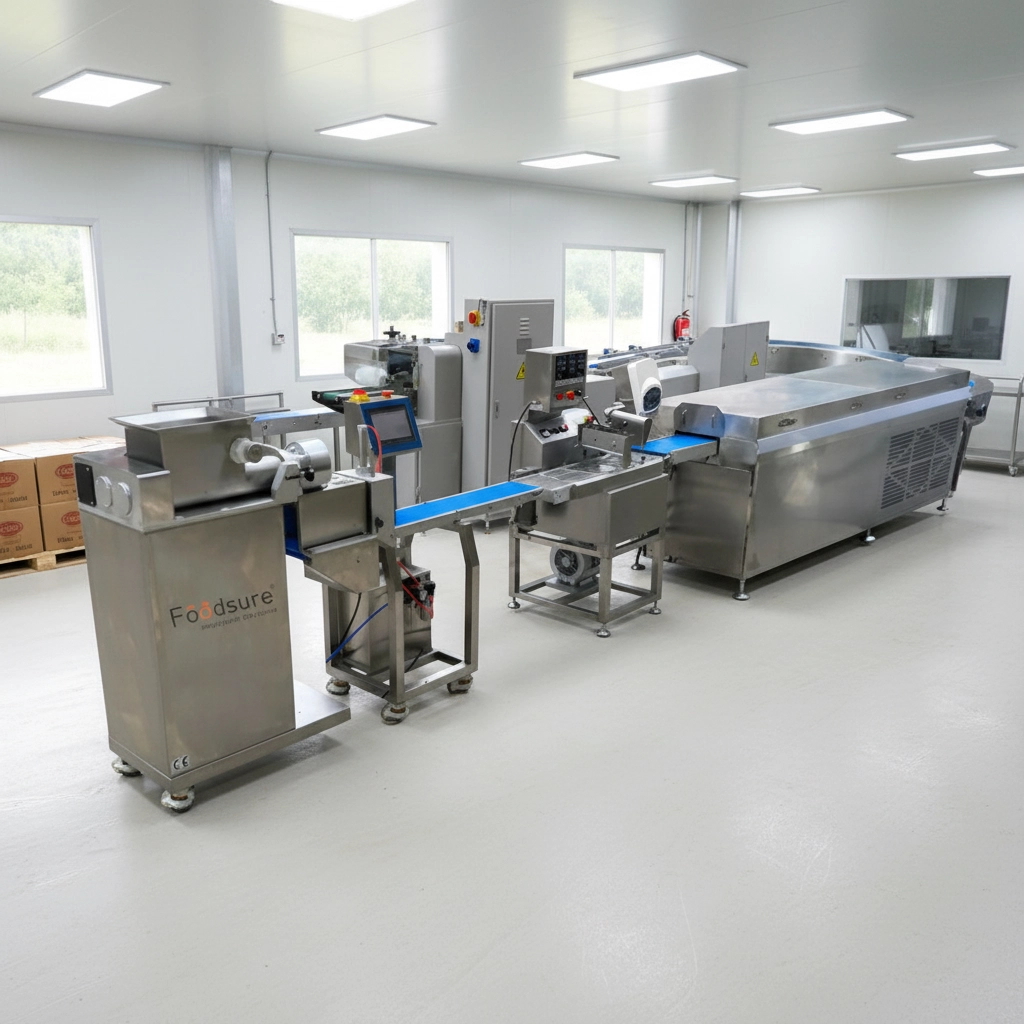
Soya badi is consumed every day in India, from dhabas, to tiffins, and cloud kitchens to homes. The small number of manufacturers dominating the industry creates room for your business. This blog provides information on how to start soya badi business in India. As such, it will be one of the easiest food businesses to enter (2026).
The blog also offers very detailed information regarding the soya badi plant setup, the soya chunks manufacturing process, and choosing the soya chunks manufacturing machine; an analysis of the costs associated with producing soya badi at the small-scale level; how to procure materials to make soya badi/soya chunks; and actual profit margins for the Indian soya badi market. Here you will find your comprehensive guide for how to establish a scalable soya nugget production facility without fear of failure.
Start Your Soya Badi Plant Setup Today 🚀
Learn complete setup, cost & profit details in one place.
Why Soya Badi Business is Booming in 2026
The essential reason for business success should be understood before people proceed to make investment decisions.
- High Protein Demand
India is now moving toward cheaper protein options, such as soya chunks, which provide 50g of protein per 100g.
- Long Shelf Life = Low Risk
Soya badi maintains its shelf life between 9-12 months when the moisture content stays below 8. This system allows new businesses to reduce waste while maintaining their logistics operations.
- Mass Market Product
The product range from ₹10 packets available at local kirana stores to large bulk quantities, which hotels and hostels use. The product has actual value because it serves as a permanent daily kitchen essential. The product maintains constant demand, which translates into regular income streams for manufacturers.
How Much Investment is Required to Start Soya Badi Business in India
The following business investment requires two soya badi business operations to be costs assessed for their actual requirements based on needs.
| Component | Annual Projection (Approx.) | Notes |
|---|---|---|
| Total Capital Investment | ₹18,00,000 | Includes Machine, Setup, and Licenses |
| Monthly Production Output | 20,000 kg | Based on 100 kg/hr × 8 hrs × 25 days |
| Cost of Production (per kg) | ₹65 | Raw material, power, labor, & packing |
| Avg. Wholesale Selling Price | ₹95 | Conservative estimate for bulk supply |
| Net Profit per kg | ₹30 | After all operational expenses |
| Monthly Net Profit | ₹6,00,000 | (20,000 kg × ₹30 profit) |
| Annual Net Profit | ₹72,00,000 | Assuming 12 months of operation |
| Payback Period | ~3 – 4 Months | (Technical Break-even: 12–18 Months) |
Total Investment: ₹8-14Lakhs
Scalability Note: The choice of a complete automatic soya badi production system requires an investment between ₹20-₹25 Lakhs for higher production capacity.
Pro Tip: Beginners should use a semi-automatic production system, which will help them reduce costs while still producing high-quality products. Your business profits should be used to build automated business systems, which will help you expand your market share and increase your profit margins.
How to Start Soya Badi Business in India: Step-by-Step Setup
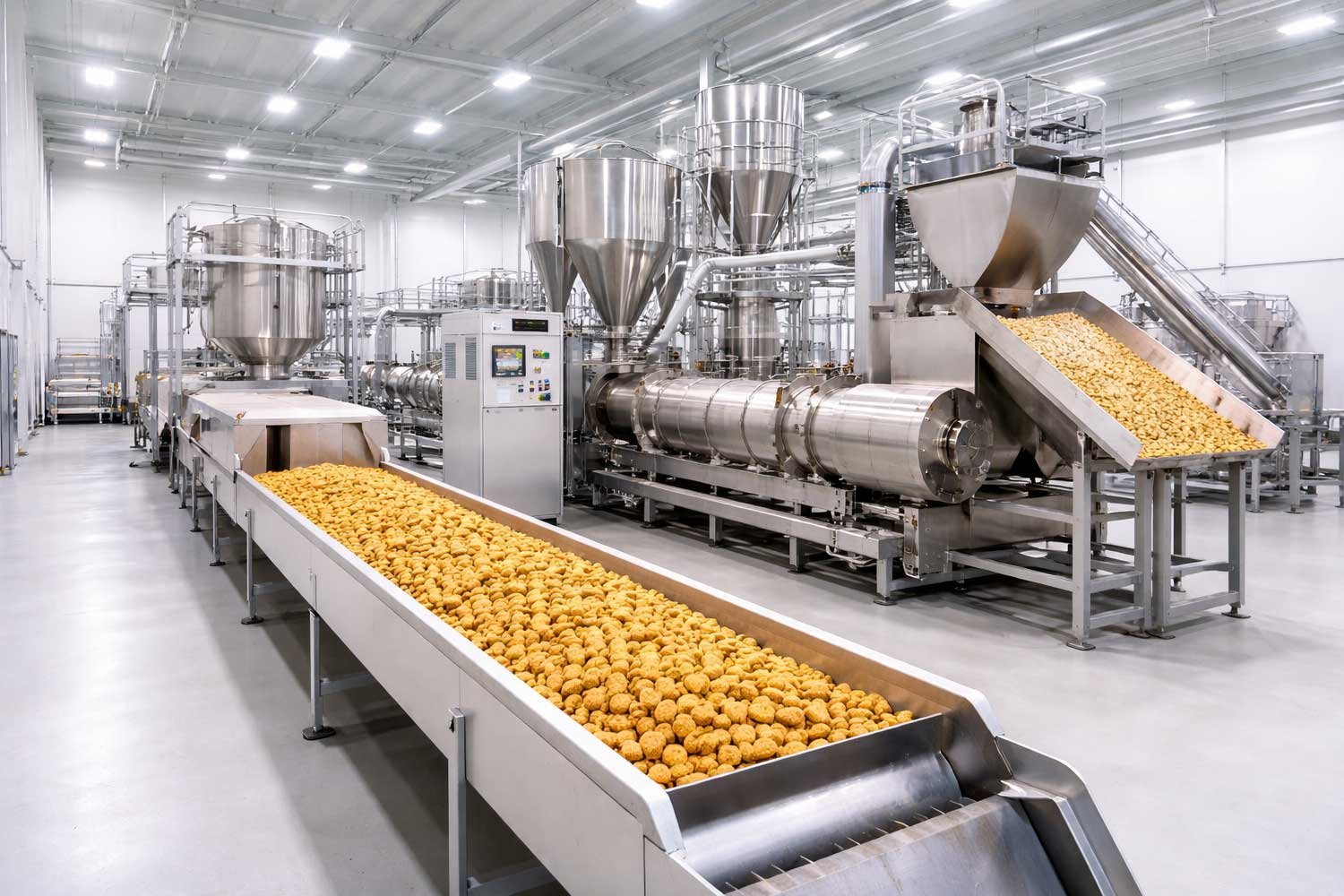
The process of launching a soya badi manufacturing business needs a planned method to achieve legal requirements and operational success.
Step 1: Business Registration
You need to establish your company’s legal identity before operating your first machine.
- FSSAI License: Non-negotiable for food products.
- GST Registration: Required for professional billing and tax input.
- Udyam (MSME) Registration: Government financial assistance and banking services become available through this registration process.
- Local Trade License: Obtained from your municipal corporation.
- Cost: ₹15K–₹30K
Step 2: Location & Space Setup
A large factory space is not necessary for your business because you require a facility that maintains cleanliness and operational effectiveness.
- Minimum space: 800–1200 sq. ft.
- Separate areas for:
- Production (Machinery zone)
- Drying (Crucial for shelf life)
- Storage (Dry, pest-free area for flour and finished goods)
Tip: Choosing a site in the industrial outskirts can reduce rent and electricity costs significantly.
Step 3: Raw Material Sourcing
The soy chunks manufacturing process depends entirely on your primary ingredient are Defatted Soy Flour (DSF).
- Protein content: Must be 50–52% for proper “meat-like” texture.
- Cost: Approximately ₹25–₹35/kg.
- Source: The best bulk rates come from oil mills that operate in Madhya Pradesh and Maharashtra.
- Fact: Raw material quality determines the quality of final products according to the fact which states that Poor flour leads to badis that break or smell.
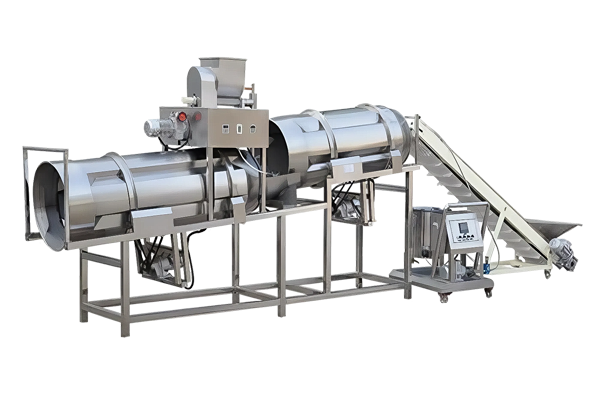
Step 4: Machinery Setup (Core of Business)
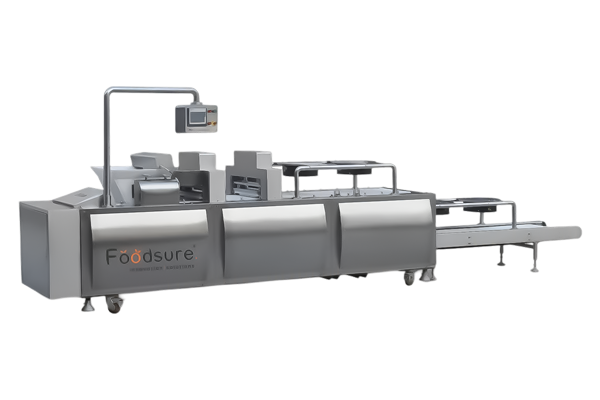
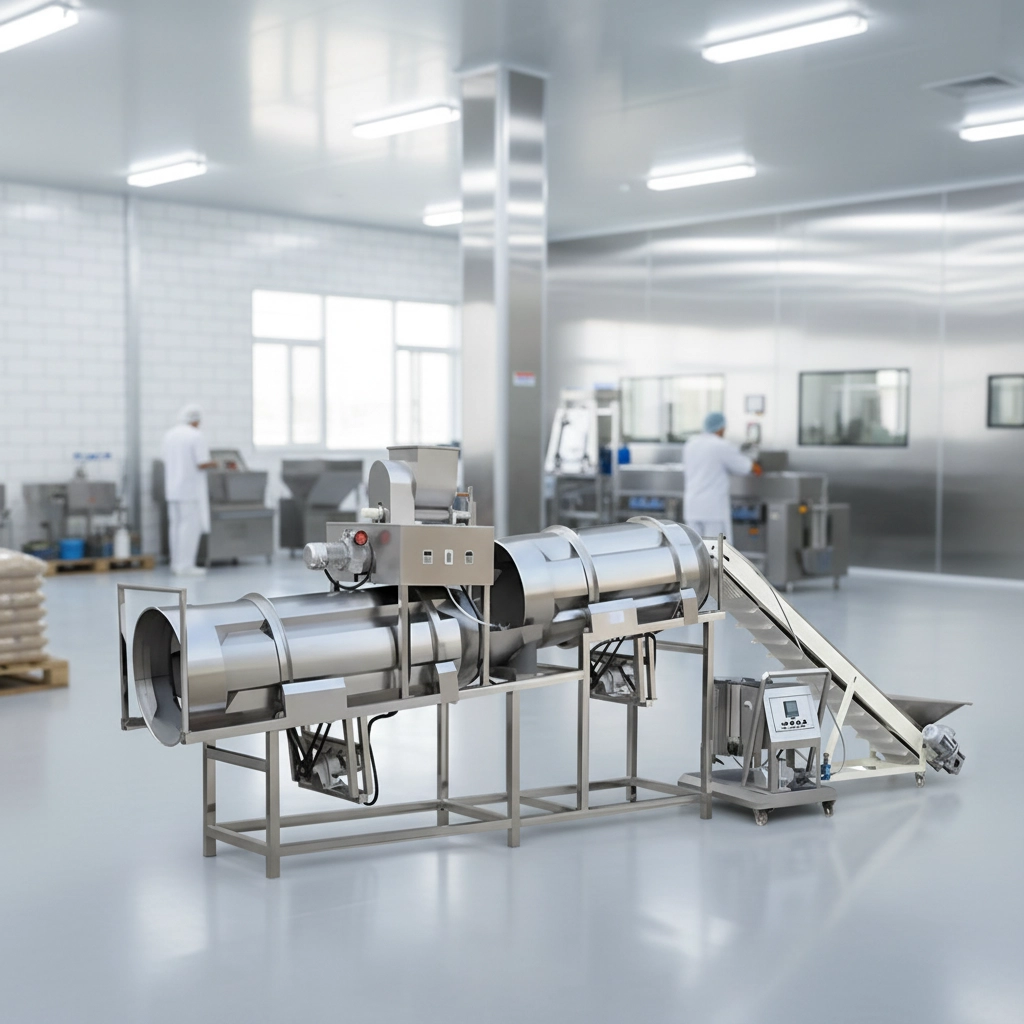
Your Soya Badi manufacturing facility works on an integrated line of production; every piece of equipment serves its purpose based on the process.
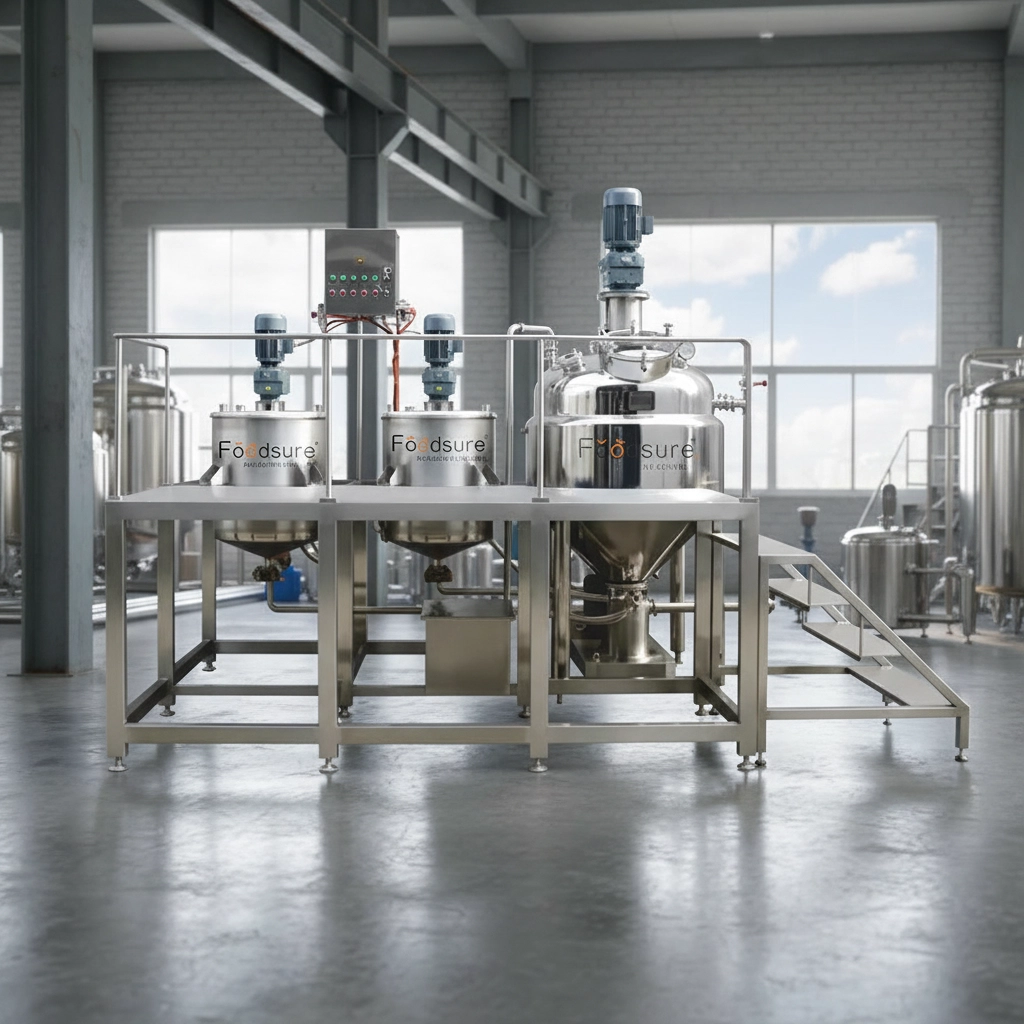
- The Mixer: Blends the flour with the appropriate amount of water to obtain the correct moisture.
- Extruder: Primary equipment of the plant; it prepares and processes cooking and expanding the dough.
- Cutter: Cutter shapes the product, including nuggets, chunks, and keema.
- Dryer/roaster: It removes moisture from the product to prevent mold from forming.
- Cooling system: Stabilizes the product before it enters the packaging process.
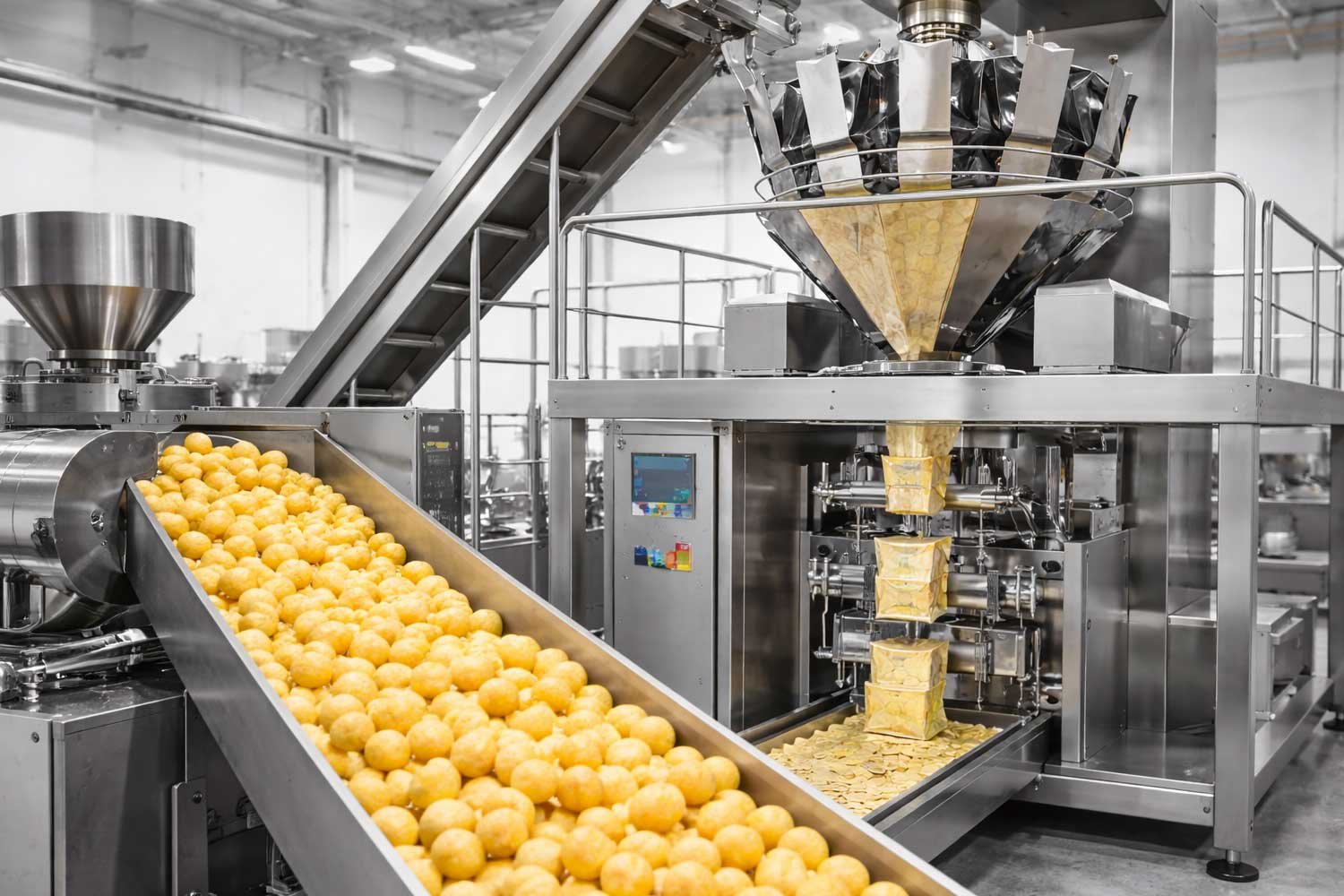
- Packaging equipment: Creates finished retail bags with your company logo.
The extruder decides:
- Texture
- Shape
- Consistency
The extruder is an essential component because a high-quality extruder ensures your badi remains spongy and firm after cooking, which is the #1 factor in repeat sales.
How Soya Badi is Made: Process for Soya Badi Business in India
The soy chunks production process requires study because it enables manufacturers to achieve product excellence while minimizing production losses. Perfect spongy texture, which consumers prefer, requires both temperature and moisture levels to be controlled with exactness.
Step 1: Mixing
The process begins by blending Defatted Soy Flour (DSF) with water. The goal is to reach a controlled moisture level of 20–25%. The process produces dough that can be easily processed because it has attained the required moisture content.
Step 2: Extrusion
This process serves as the main operational core for the soya badi production facility. The mixture undergoes high-temperature processing at 120-150 °C in the extruder. The thermal process changes vegetable protein into a fibrous structure that resembles meat.
Step 3: Shaping & Cutting
The pressurized dough from the extruder die expands when it leaves the machine. The cutter then slices the continuous flow into specific sizes, whether you want small nuggets or large chunks.
Step 4: Drying
Freshly cut badis are soft and moist. The product needs to go through a multi-layer drying process until its moisture content reaches 8% or lower. This step is critical because it is what gives the product its 9 to 12-month shelf life.
Step 5: Packaging
The process of packing begins after the product has cooled down. Manufacturers choose to use 200g, 500g, and 10kg to 20kg wholesale bags as their primary packaging options.
Key Takeaway: Consistency in drying is the most important quality check. Proper drying prevents both smell and fungus from developing because these two factors cause product returns in this industry.
Profit Margin & ROI: How to Start Soya Badi Business in India Profitably
Understanding your margins enables you to turn your hobby into a successful soya nugget production business. The financial analysis for a typical small-scale business operation shows its costs and revenues for the year 2026.
| Metric | Value |
|---|---|
| Production Cost | ₹60–₹70/kg |
| Selling Price (Wholesale/Retail) | ₹80–₹100/kg |
| Profit per kg | ₹15–₹20 |
Daily Example
A small operation with 200 kg of daily production capacity will generate:
- Daily Production: 200 kg
- Daily Profit: ₹3,000 – ₹4,000
Monthly Profit
- A small unit can generate profits of ₹90,000 to ₹1.2 lakhs over 25 to 26 working days of operation.
- Break-even Time: The food processing industry experiences high demand combined with minimal operational expenses, which results in break-even periods that last between six and ten months.
Note: Your business profit margin from soya badi production in India will increase when you purchase raw materials directly from Madhya Pradesh oil mills and use energy-efficient dryers to reduce your operational costs.
How to Sell Soya Badi: Go-To-Market Strategy to Start Soya Badi Business in India
A product can’t work well without distribution channels. The Indian marketplace in 2026 will have lots of digital and physical channels that soya nugget producers can use to grow their companies.
B2B Channels (Fastest Growth)
Bulk buyers who need continuous product delivery generate the most dependable revenue stream for businesses.
- Kirana Stores: The backbone of Indian retail. The stores sell small sachets, which cost between ₹10-₹20 due to their high sales potential.
- Wholesalers: The company sells bulk bags, which weigh between 10kg-20kg to Mandi traders who distribute the products to rural markets.
- Hotels & Mess: The company provides low-cost protein solutions to cloud kitchens, office canteens and university hostels.
High-Margin Channels
The company should advance its production activities to higher-value production processes after reaching production efficiency.
- Private Labeling: The company produces soya chunks for supermarket chains, which include Reliance Retail and More, to sell under their store brand.
- Local Brands: The company should establish its regional market presence through zero-chemical and high-protein products, which allow it to charge a 15-20% price premium.
Online Sales
The most rapidly expanding industry in 2026 is Quick Commerce.
- The Quick Commerce platforms Blinkit, Zepto, and Swiggy Instamart: The urban market for snacks and staple foods. The partnership enables your business to provide a 10-minute delivery service to customers.
- Amazon & Flipkart: The platforms serve as perfect sales channels for businesses that want to reach customers across India with their multi-packs and premium/organic products.
Strategy Tip: Business strategy should begin with B2B operations as a means of generating revenue to cover fixed expenses while operating machinery. The company should expand its operational capacity after establishing consistent revenue streams, which should be followed by building its brand to target profitable retail customers.
How to Start Soya Badi Business in India with Government Subsidy
In 2026, the Indian government increased its backing for food processing facilities by permitting new business owners to start soya badi production companies through funding that covers 70-90% of their expenses.
PMEGP (PRIME MINISTER EMPLOYMENT GENERATION PROGRAMME)
- Benefit: 15-35% in the project cost to manufacture units to ₹50 Lakhs.
- Eligibility: A person above 18 years of age (for loans exceeding ₹10 Lakhs, it is useful that the borrower has at least passed the 8th grade).
Youth loan (PMAY scheme)
- Benefit: Collateral funding for loans to Shishu, Kishore, and Tarun queries.
- 2026 Update: Tarun Plus has continued helping at a lofty level, ₹20,00,000 above those who have successfully repaid earlier Mudra loans.
PMFME scheme (PM Formalisation of Micro Food Processing Enterprises)
- Benefit: 35% of the cost of the credit capital that is biased against the project with a ceiling of ₹10 Lakhs.
- Support:- Includes seed capital of ₹40,000 per member to SHGs and professional backing in branding and marketing.
Conclusion
Starting your own business manufacturing soya badi in India in 2026 should be a viable option for many entrepreneurs, given the potential high demand and profit margins. If you have the experience or knowledge of establishing a plant, including equipment selection and understanding the market, you will have the basis for setting up a profitable plant within months. When setting up your plant, we suggest ensuring you produce a quality, consistent product, have the right machines/systems, and build an efficient business from the very beginning.
At Foodsure Machines, our goal is to assist new entrepreneurs in providing reliable solutions for setting up soya badi plants and determining the appropriate machinery. With the right steps taken, you can build a successful long-term soya chunks manufacturing business.
START YOUR BUSINESS
Ready to Start Your Soya Badi Business?
Get complete support for machine selection, plant setup, investment planning, and production guidance — everything you need to launch successfully.
FAQ
Q1. How to start soya badi manufacturing business in India step by step?
Start by registering your business. Next, develop your soya badi plant plan. Purchase your soya chunks machine. Purchase your raw materials and begin producing soya badi.
Q2. What is the soya badi making machine price and setup cost in India?
In India, the price of a soya badi machine begins at ₹3 lakh to ₹8 lakh and, depending upon the size, costs between ₹8 lakh-₹15 lakh, to set up complete production.
Q3. What is the profit margin in soya badi business in India?
The soya badi industry operating in India usually has a profit margin of 15% to 25%, depending on the manufacturer’s size.
Q4. Which is the best soya badi machine for small business in India?
If you are going to manufacture soya badi, the best machine to use is a single or twin screw soya chunks processing machine if you plan to be a small to medium-sized soya badi manufacturer.
Q5. What is the raw material cost in soy chunks manufacturing process?
In India, Defatted Soy Flour is priced at around ₹25-₹35/kg, so you can operate a low-cost soybean vegetable protein (soya badi) business.