
Mayonnaise might seem simple. But right now, it’s one of the fastest-growing products in India’s food industry. Look around, it’s everywhere. Homes, cafes, takeout menus, cloud kitchens. People want quick, tasty food, and mayonnaise fits right in. The market is growing fast and is expected to cross ₹8,000 crore by 2030. There is money on the table. And if you have ever thought about building your own food brand, this is a strong place to start. Now, let’s be real. You can’t build a business on just a good recipe. You need a setup that works perfectly and the right set up a mayonnaise production line, clean production, and packaging that lasts, ingredients that stay consistent. You don’t need to be a factory owner. But you do need to think like one.
This guide will walk you through how to set up a mayonnaise production line that actually makes sense, even if you are starting from your home kitchen or planning a full-scale unit.So if you are not just making mayonnaise for fun and you are ready to turn it into something people will pay for then it’s time to set up a commercial mayonnaise production line around it.
Why Mayonnaise Is The Next Big Thing In India’s Food Market
Here is the thing. Mayonnaise is no longer just a sandwich spread; it’s becoming a category of its own. From homes to hotels, cloud kitchens to cafes, demand has taken off. And more food businesses are realizing they can make their mayonnaise, control the quality, and save money while building their brand. What this really means is: if you have been thinking about getting into food manufacturing. Then, a mayonnaise machine for a food factory is not a risky experiment. It’s a proven product with growing mayonnaise market demand across India. You are not too early, and you are definitely not too late. Now is a smart time to build. Let’s take a deep dive into the mayonnaise market demand.
Rising Indian Demand For Spreads & Convenience Foods
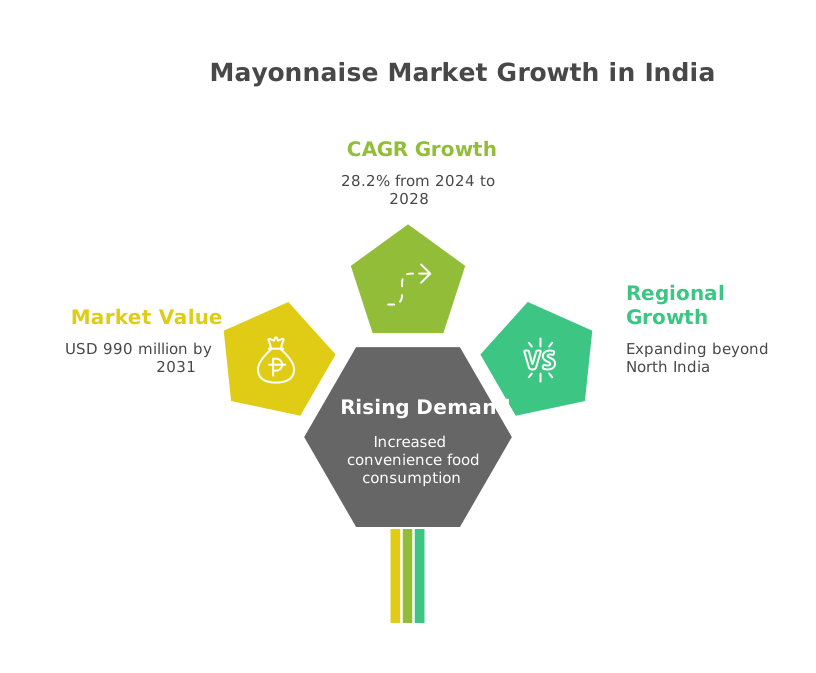
- The India mayonnaise market is valued at around USD 746 million in 2025. It looks forward to reaching USD 990 million by 2031, with annual growth rates ranking from 4.8% to 24.8%.
- In modern times, like Urban, busier lifestyles and double-income households have made convenience foods like mayonnaise a go-to choice, especially for easy, tasty home meals.
Future Growth Outlook
- The mayonnaise market demand is expected to grow outstandingly in the coming years, with a compound annual growth rate (CAGR) of 28.2% from 2024 to 2028. By 2028, the market volume is calculated to reach US$26,273.5 million.
- Currently, the most mayonnaise is used in North India. But other regions like East, West, and South India are also growing rapidly, especially with supermarkets and home delivery services.
- Even a brand investing in a new packaging with Indian inspired flavors and health-focused development is set to attract new customers and maintain momentum.
Read More: Mayonnaise Market Trends 2026: Global Demand & Growth Opportunities
How To Plan Before Buying A Mayonnaise Machine In India
If you are serious about set up a commercial mayonnaise production in India, the first step is not buying a machine. It’s getting clear on what you are actually planning to make. Then decide which product, scale, and business model to choose because these choices shape everything that comes next. Let’s break it down.
1. What Kind Of Mayonnaise Do You Want To Produce?
Your recipe is not just about the taste. It also affects your mayonnaise machine equipment, ingredients, and even how you sell your product.
- Classic Mayonnaise: This is the standard egg-based recipe: oil, vinegar or lemon juice, seasonings. It’s the go-to for hotels, restaurant chains, and supermarkets. If you are keeping it traditional and than set up a mayonnaise production line is fairly straightforward.
- Flavored Mayonnaise: If you want to stand out in the market, think about the flavours like mint, garlic, tandoori, cheese, and peri-peri. This is where you get creative. But here is the catch: adding purees, herbs, or spice blends means your machine needs to handle smooth blending without clogging or separation.
- Eggless Mayonnaise: Even more consumers are choosing egg-free options for dietary, religious, or health reasons. But replacing eggs is not simple. You will need the right emulsifiers and a high-shear mixer to get that stable, creamy texture people expect. If you get this wrong, the mayonnaise won’t hold.
So, before you price a mayonnaise machine equipment or lease a space, decide what is going into your jars. Because what you make will decide how you make it and how successful you will be.
Read More: Mayonnaise Types Guide: From Classic to Eggless & Flavoured for Manufacturers
2. Identifying Your Business Scale :
| Scale | Production Capacity | Best Suited Machines | Typical Buyers |
|---|---|---|---|
| Startup / Micro | 50–200 kg/day or small batches | Manual or Semi-Automatic | Startups, food trucks, home-based units |
| SME (Small/Medium Enterprise) | 200–2,000 kg/day | Semi or Fully Automatic | Local brands, small factories, and cloud kitchens |
| Commercial / Industrial | 2,000+ kg/day | Fully Automatic, High-Capacity | Large food brands, exporters, and hotel chains |
- If we talk about semi-automatic mayonnaise machines, these machines are a mixture of manual and machine. While machines mix ingredients, and the rest of things are done by labour.
- In terms of fully automatic mayonnaise machines, this type of machine is fully automated without any labour and gives a smooth texture to mayonnaise.
3. Set Up A Mayonnaise Production Line : Quick Guide
1.Raw Materials:
Always remember if you want to buy raw materials for machines, always buy good quality oil, egg or egg-less base, vinegar, and species.
2.Machinery & Equipment:
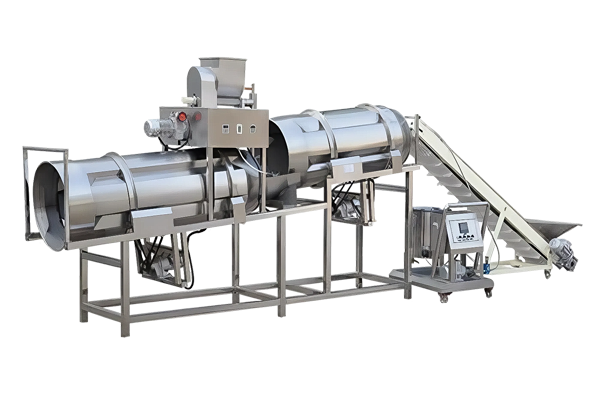
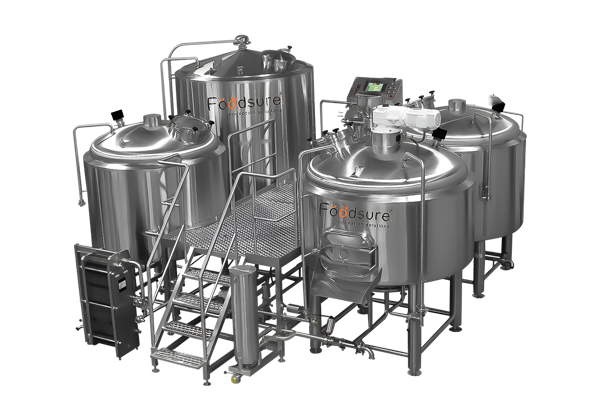
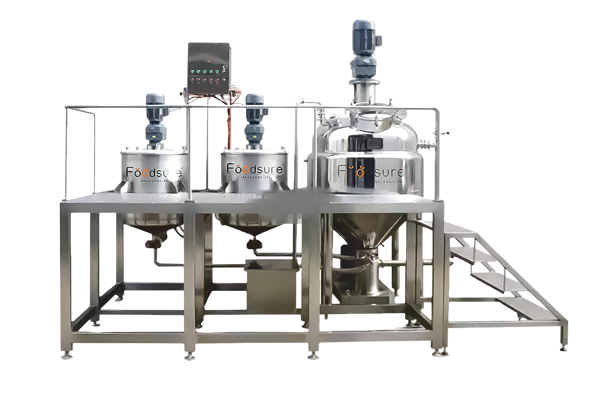
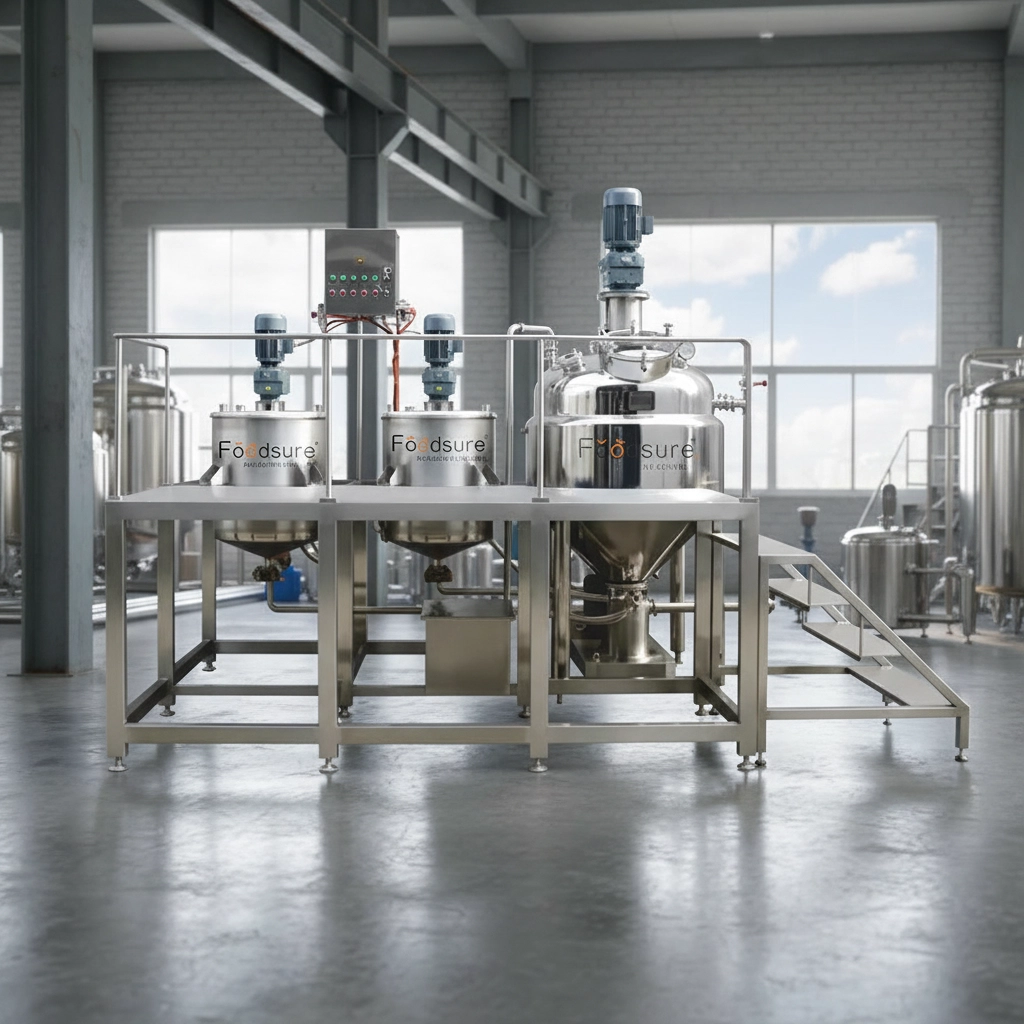
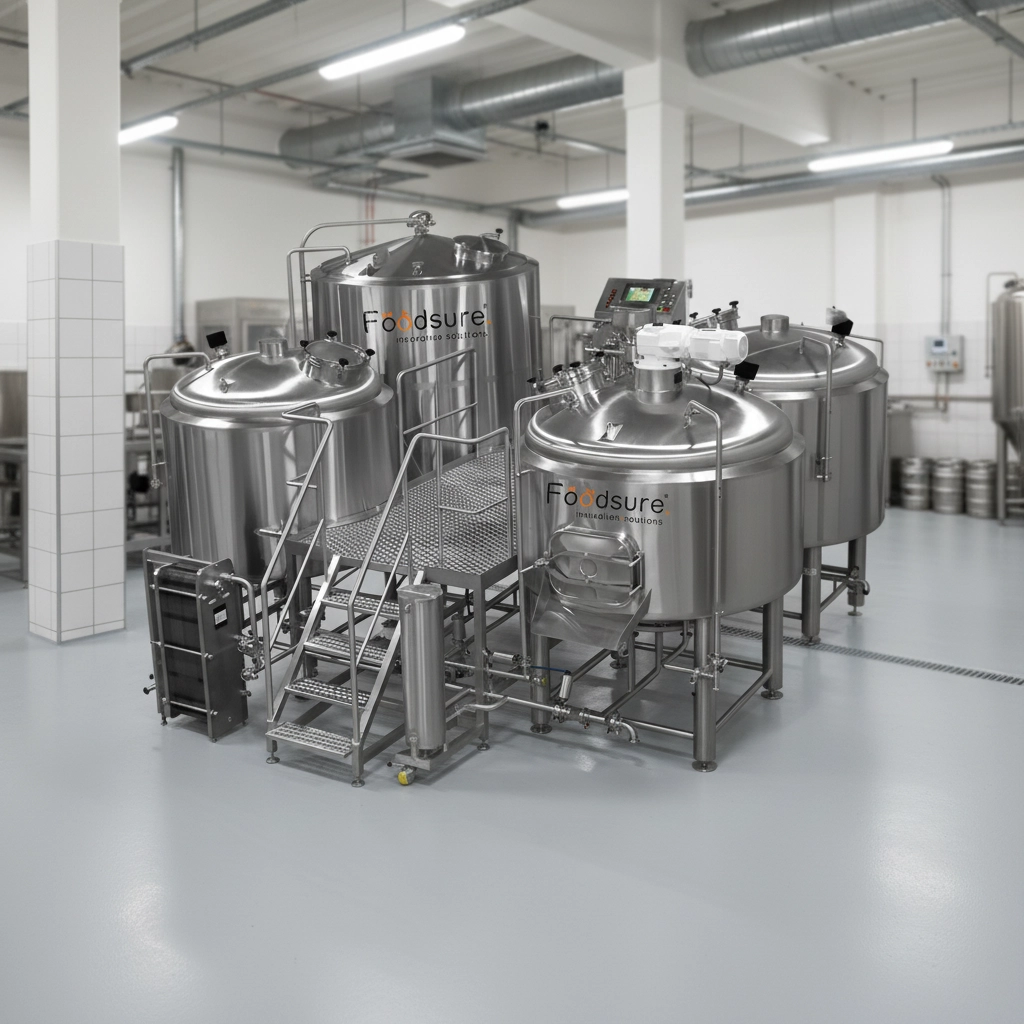
For machines, get a high-shear blender, mixing tanks, and storage tanks(food-grade stainless steel). While for automation, add a chiller, RO water plant, and air pump (ideal for both small & large factories)
3.Packaging & Labeling:
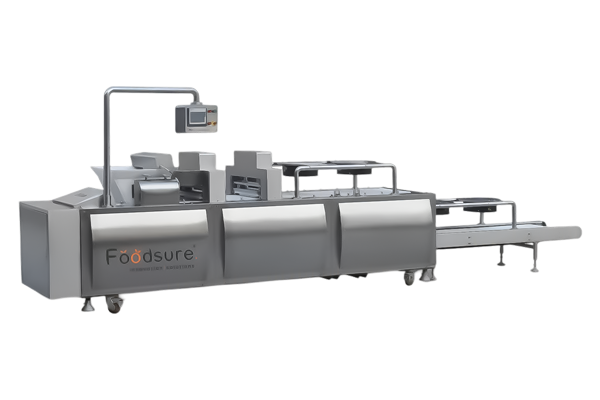
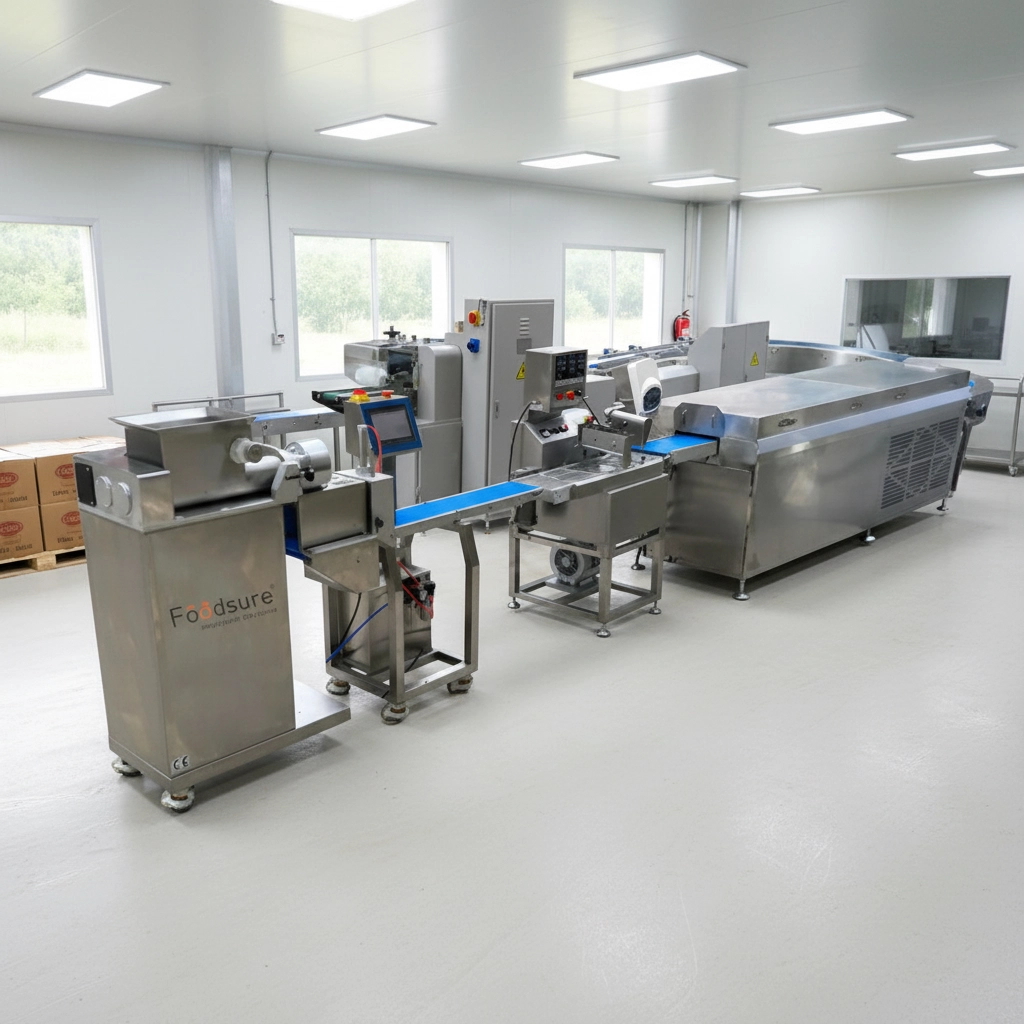
To get a packaging, choose bottles, jars, and pouches for your mayonnaise processing plant . Use filling and sealing machines for hygiene, and also check batch codes and expiry dates with labeling machines for easy compliance.
Read More: How To Set Up A Profitable Mayonnaise Production Line
4. Investment & ROI In Mayonnaise Production: Cost Breakdown For India
| Plant Scale | Initial Investment | Monthly Operating Cost | Avg. Monthly Net Profit | Profit Margin | Estimated Break-Even Time |
|---|---|---|---|---|---|
| Small-Scale (500 kg/day) | ₹12–20 lakh | ₹2–5 lakh | ₹2–4 lakh | 30–40% | 8–15 months |
| Mid-Scale (1,000 kg/day) | ₹20–35 lakh | ₹5–8 lakh | ₹4–7 lakh | 35–45% | 7–12 months |
| Fully Automatic (2,000+ kg/day) | ₹40 lakh+ | ₹8–12 lakh | ₹7–12 lakh | 35–50% | 10–18 months |
5. Legal & Regulatory Requirements: Mayonnaise Production Plant In India
- FSSAI License: This license is required for all food businesses. And you have to register via the FoSCoS portal and choose a basic, state, or central license based on your scale. Permit for legal manufacturing and retailing.
- GST Registration: If your annual turnover exceeds ₹40 lakh, then GST is mandatory. You can register on the GST portal to get your GSTIN, for proper tax filing and reporting to wholesalers or online.
- Local Health & Safety Approvals: You have to get a municipal or local authority approval (Shops & Establishment registration) for hygiene, employees, and public safety.
Conclusion
Let’s be real, if your demand grows, staying in manual will slow you down, then switch to a fully automatic mayonnaise machine to increase volume. Growth is not just about making more; it’s about moving smart, staying sharp, and reaching wider.
Did you know that certified is only for ingredients. It’s about trust. Then there is compliance. FSSAI and GST licenses are non-negotiable if you want to sell at scale with serious buyers.. Once your product is solid and then set up a mayonnaise production line . Got the Recipe? Let’s Build the Business – Foodsure Machines.
FAQ
Q1. Is setting up a mayonnaise production line profitable?
Yes, mayonnaise production offers high demand and strong margins.
Q2. How do you manufacture mayonnaise in a production line?
By emulsifying oil, water, stabilizers, flavors, and acids using automated mixers.
Q3. Who manufactures mayonnaise production lines in India?
Foodsure Machines and leading food-processing equipment makers.
Q4. Who is the largest buyer of commercial mayonnaise production systems?
Large FMCG brands and cloud-kitchen suppliers.
Q5. Why do production lines ensure mayonnaise consistency?
They maintain stable emulsification and uniform texture every batch.
Q6. How does the 30-30-30 restaurant rule apply to a mayo unit?
It guides cost control, food cost, and labor efficiency in production.
Q7. Can a mayonnaise production line become a 100% profitable business?
It can be highly profitable with volume sales and strong distribution.
Q8. Which mayonnaise brands use automated production lines in India?
Top brands like Veeba, FunFoods, and Del Monte rely on automated lines.
Q9. What are the disadvantages of running a mayonnaise production line?
High equipment cost and strict hygiene requirements.
Q10. Can I start a small mayonnaise unit with ₹50,000?
Only very small-scale; full production lines need higher investment.
Q11. What is the cost of 1kg commercial mayonnaise for producers?
Around ₹70–₹120, depending on formulation.
Q12. What raw materials are needed for a mayonnaise production line?
Oil, water, vinegar, emulsifiers, stabilizers, salt, sugar, and flavors.