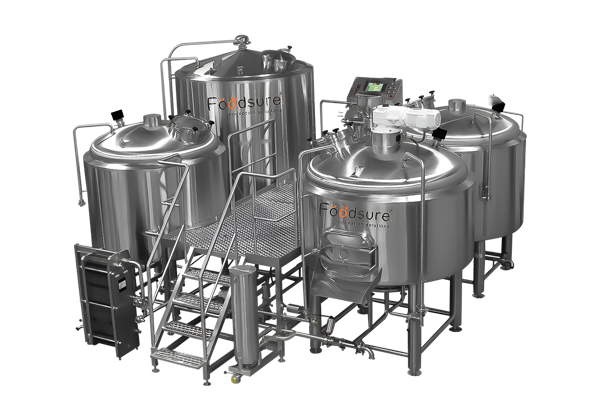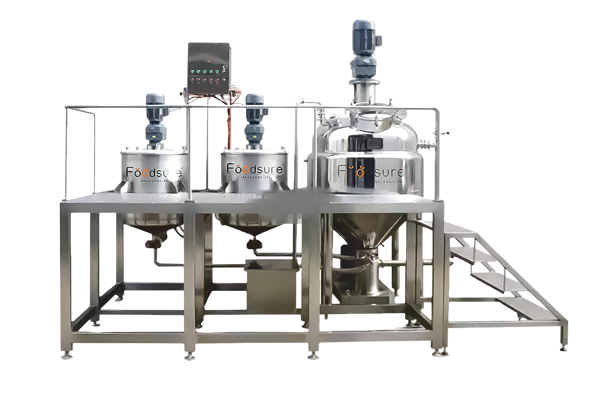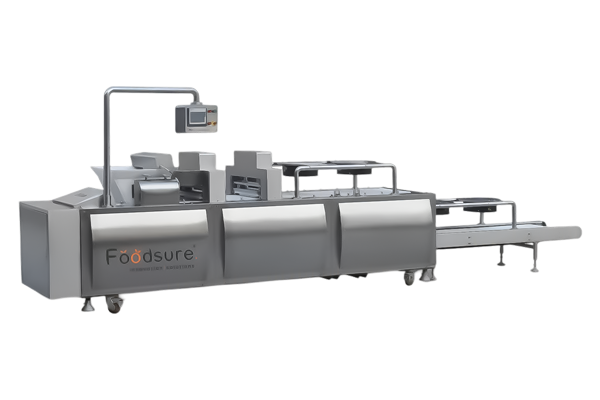

When demand surged, this makhana unit experienced increased wastage and inconsistent quality. By upgrading to a Roasted Makhana Machine Product Rejection Reduction, the team achieved an 18% rejection without slowing production. This case illustrates how the right machinery directly impacts efficiency and profitability in a small-scale makhana processing machine.
The Challenge: High Product Roasted Makhana Machine Product Rejection Reduction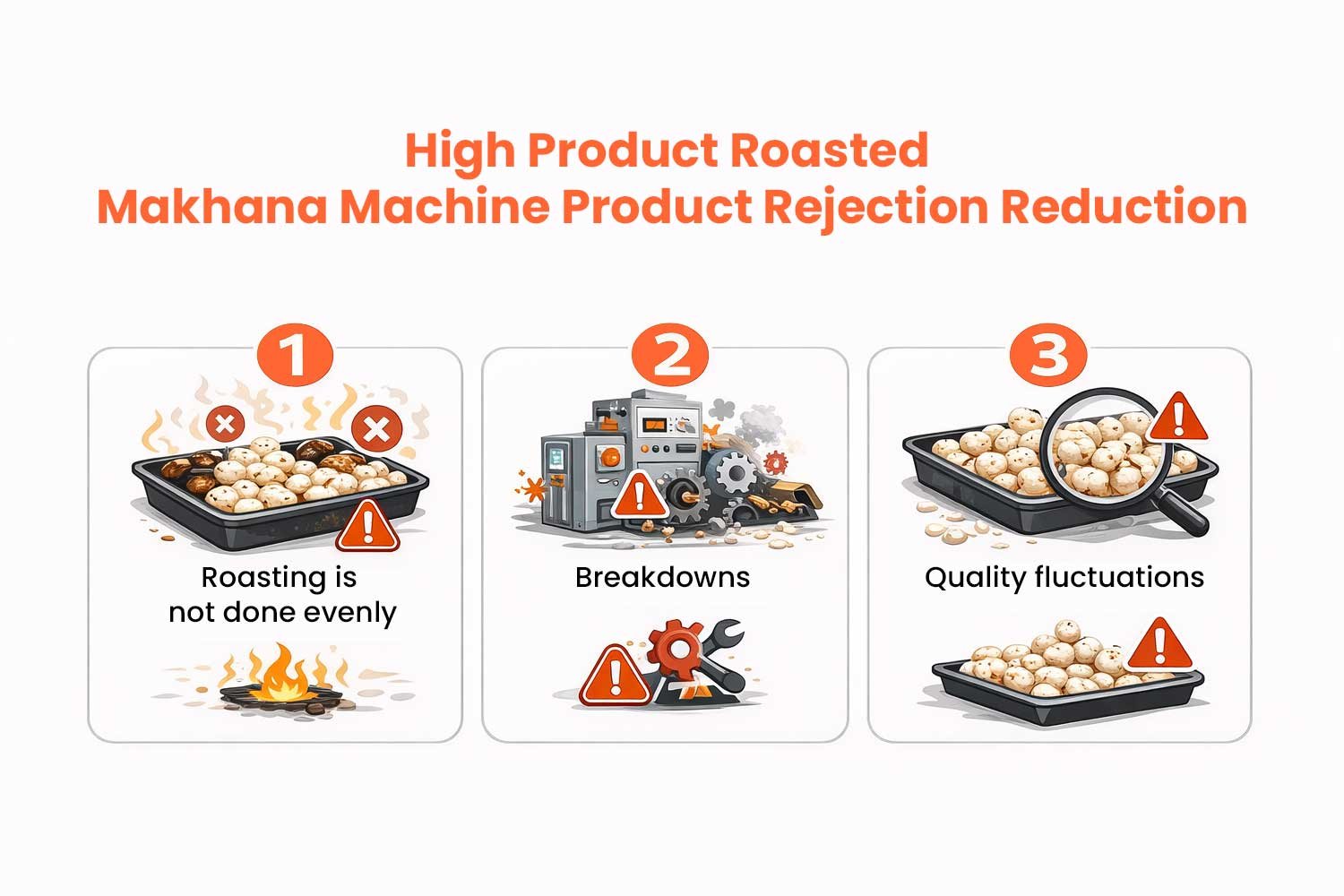
High product rejection is a recurring operational issue for many small makers of makhana and FPOs. Outdated or manually operated machines for roasting makhana cannot consistently maintain quality, especially during peak production periods, resulting in increased waste, revenue loss, and frustration among workers. Key issues included:
- Roasting is not done evenly: some makhana pieces are burnt in one batch and uncooked in another. It changes the texture and the flavor.
- Breakdowns: Outdated machines are a primary cause of frequent maintenance and production delay.
- Quality fluctuations: A buyer’s rejection of the whole batch is the result of a difference in size, crispiness, or flavour of the makhana.
Why Outdated Roasted Makhana Machines Hold Back Small Manufacturers
Batched roasted makhana making machines or the outdated ones are often seen as eliable on the surface but create concealed bottlenecks that control the expansion of small manufacturers and FPOs. The limitations of these of makhana processing machines in terms of meeting the growing demand and quality standards result in losses in both efficiency and revenue. The primary issues consist of:
- Heating inconsistency: Some nuts become burnt, whereas others are not roasted enough; this leads to rejection of batches and complaints from customers.
- Human contribution: Constant adjustments by the operator increase the risk of errors, and slow down the production process.
- Small capacity: The production of small batches cannot meet peak demand, resulting in delays or order cancellations.
The Upgrade: Investing in an Automatic Roasted Makhana Machine
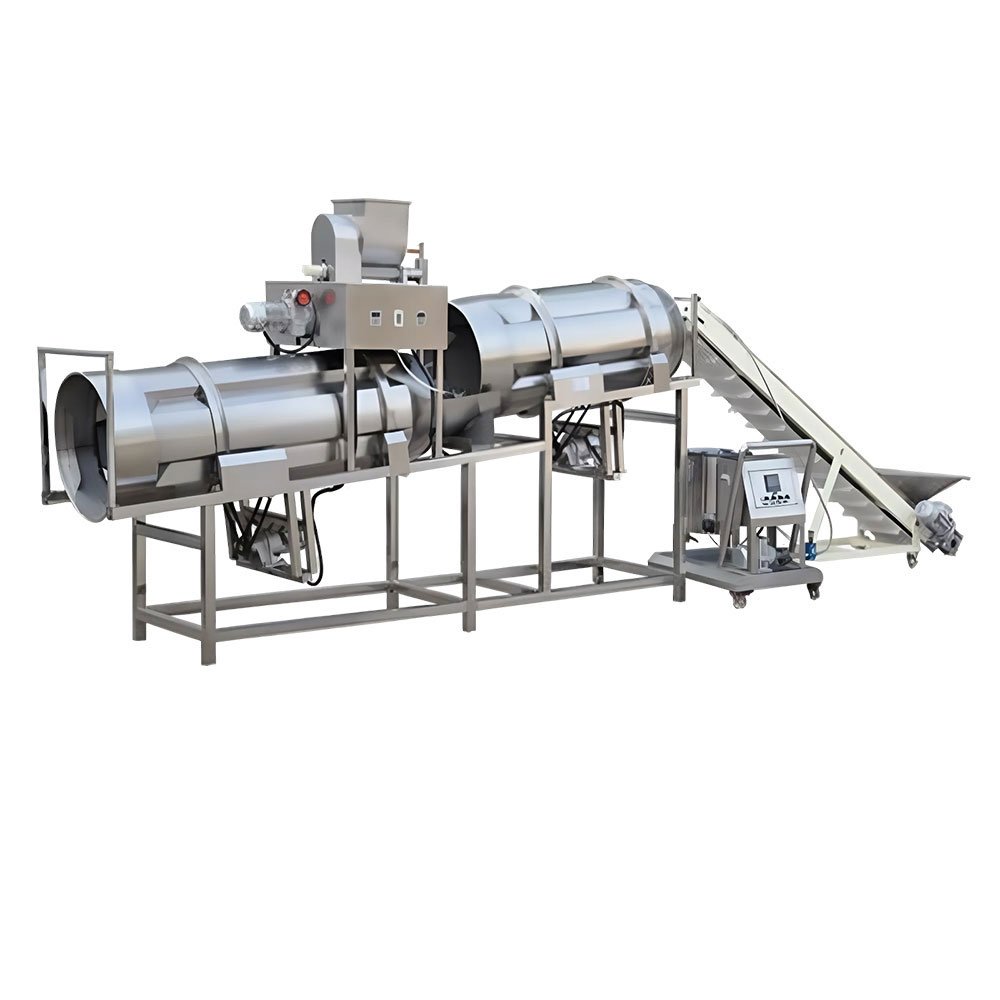
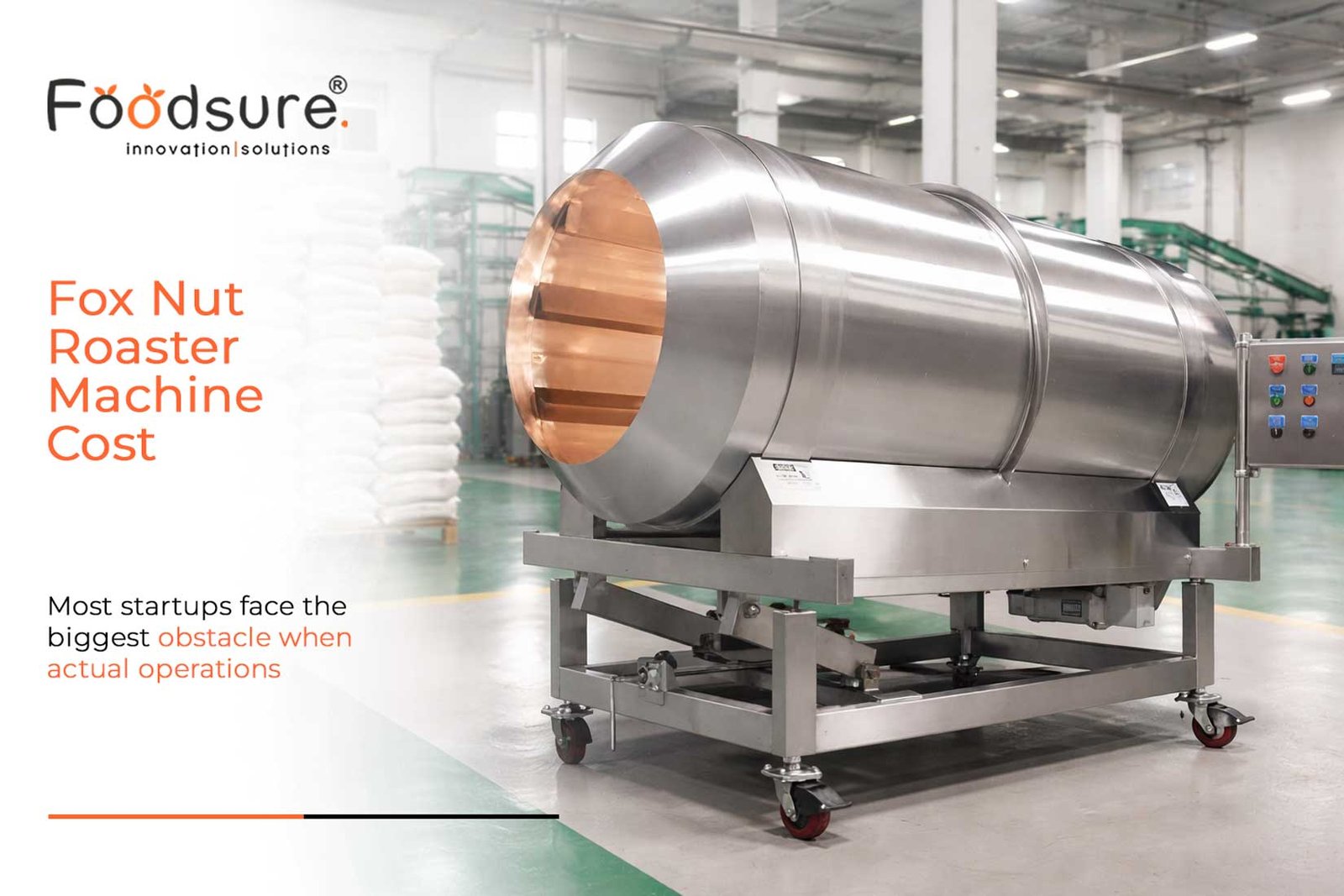
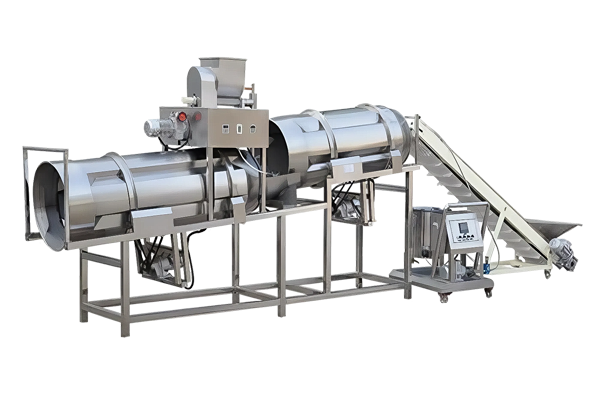
To reduce the number of rejections, the team invested a new, modern machine that roasts automatically, designed for small-scale manufacturers and FPOs. With this new technology, every roast is done uniformly and of the same quality, resulting in fewer manual errors, and the entire process can be easily scaled up to meet demand.
Also read: High-Capacity Vs Small-Scale Makhana Machines: Best Choice 2026
Automated Roasting with Temperature Precision is the top feature of the new apparatus, which key features included:
Automated Roasting with Temperature Precision: Every nut gets same heat treatment throughout the roasting cycle, so ensuring that makhana does not left undercooked.
Higher Throughput through Continuous Operation: the larger lot size is divided into continuous processing with no bottlenecks created by the need to wait for the previous batch to finish.
Hygienic Design and Easy-to-clean Feature: The risk of contamination and maintenance downtime between production runs is reduced.
The enhancement that cleared the path for rejections that were due to insufficient roasting, frequent manual intervention, and low capacity paved the way for consistency improvement in the final product. The manufacturers were acheived have smoother operations, fewer batch rejections, and the ability to keep the quality even while handling higher order volume that were increasing.
How an Automatic Roasted Makhana Machine Cut Product Rejection by 18%
The automatic roasted makhana machine, equipped with modern features, brought practical improvements that could be quantified immediately. The machine was able to overcome the major problems that resulted in high wastage. As a result, the team was able to produce nuts of uniform roasting quality and at larger volumes.
| Metric | Before Upgrade | After Upgrade | Improvement |
| Product Rejection | 22% | 4% | 18% reduction |
| Daily Output | 500 kg | 650 kg | 30% increase |
| Manual Rework | High | Low | – |
More Benefits:
- Quality Consistency: Texture, crispiness, and flavour standards were consistently met in every batch.
- Less Labor Wasted: The Time of the operators monitoring or correcting batches was reduced.
- Faster Order Fulfillment: The increased throughput enabled the team to meet peak demand without any delays.
This improvement in the real world is demonstrates clearly of how a suitable roasted makhana machine can significantly enhance production efficiency and reduce the rate of roasted makhana machine product rejection reduction.
Key Takeaways for Small Makhana Manufacturers Using Automatic Roasted Machines
Scaling production may not impact the quality of small makhana producers and FPOs if they have the right methods and equipment in place. The lessons from this case include: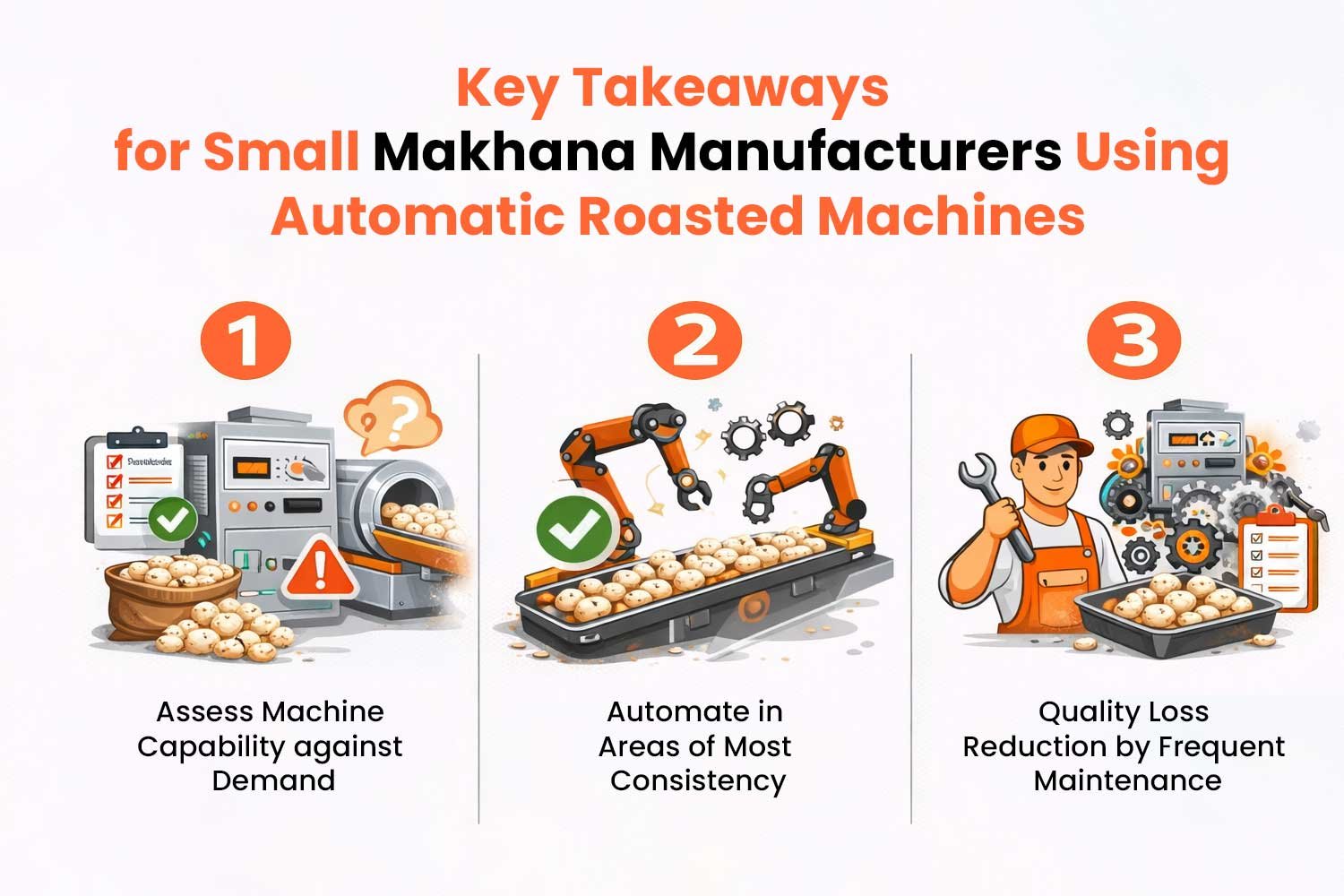
- Assess Machine Capability against Demand: Opt for machines that are achieved process the largest orders, not only the daily average, to avoid bottlenecks and loss of sales.
- Automate in Areas of Most Consistency: Machines that are fully automated for roasted makhana ensure consistent roasting, thus no human errors and less product rejection.
- Quality Loss Reduction by Frequent Maintenance: Routine maintenance involves cleaning, inspection, and adjustments of the machines, which maintains the quality of the products, shortens the downtime, and prolongs the machine’s life.
Conclusion
At Foodsure Machines, our primary goal is to help you reduce the rejection rate of roasted makhana machine products. The provided solutions ensure constant quality and significantly reduce waste levels, leading to efficient production and, consequently, business growth with our support.
Roasted Makhana – Product Rejection Reduction FAQ
What causes high product rejection in roasted makhana processing?
Uneven roasting, manual handling errors, and heat that’s difficult to control.
How does a roasted makhana machine reduce product rejection?
It maintains steady temperature control so every batch behaves consistently.
Can upgrading a roasted makhana machine really reduce rejection rates?
Yes, most units see a visible 15–20% reduction once roasting becomes consistent.
Is product rejection reduction possible without slowing production?
Yes, continuous roasting machines improve quality while increasing throughput.
Which feature matters most for roasted makhana machine rejection reduction?
Consistent temperature control from start to finish.
Are automatic roasted makhana machines better than batch machines?
Yes, automation removes guesswork and reduces errors from manual adjustments.
How does machine automation impact makhana quality consistency?
It reduces human variation and keeps texture and roasting uniform.
Do small makhana units benefit from machine upgrades?
Absolutely — smaller units often see the fastest drop in wastage.
What rejection issues do outdated roasted makhana machines create?
Burnt pieces, under-roasted batches, and uneven crunch quality.
Can FPOs reduce wastage with precision-roasted makhana machines?
Yes, especially when demand increases suddenly and consistency becomes critical.
Does reduced product rejection improve profitability in makhana processing?
Yes — higher yield means more sellable output from the same production volume.
When should a makhana unit upgrade its roasting machine?
When rejection rates increase, quality drops, or orders begin pushing capacity limits.