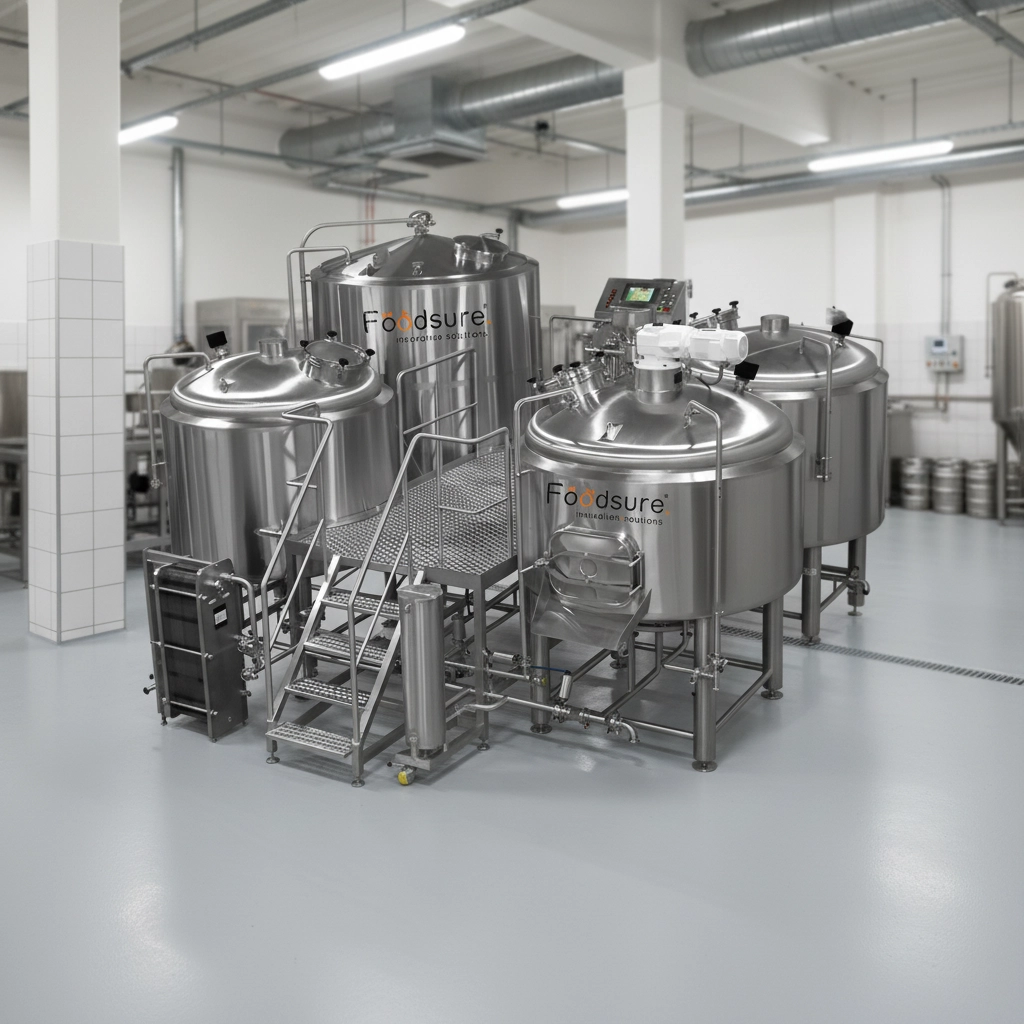
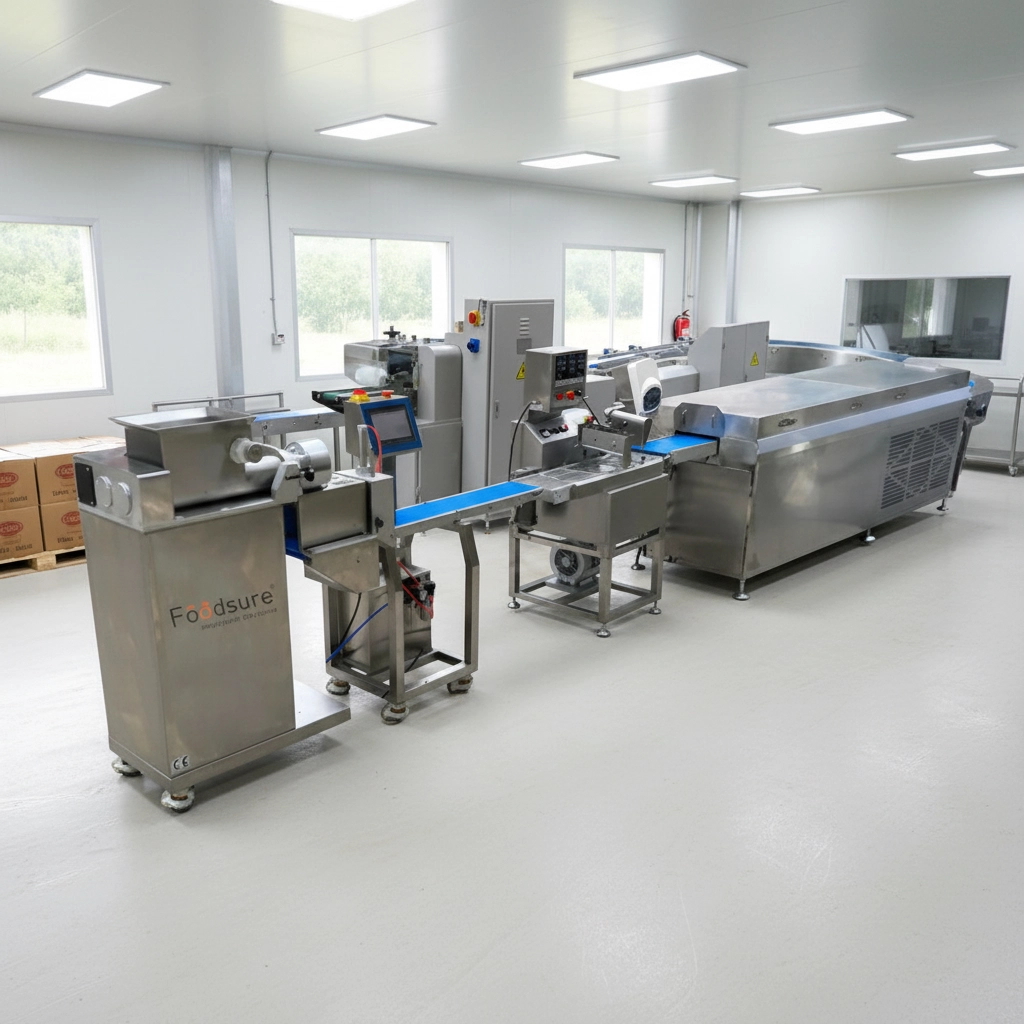

India’s protein food market is growing at over 12% annually, yet most small manufacturers fail due to wrong machinery choices. Want to avoid that trap? This guide on How to Launch a Protein Bar Machine Unit in India breaks down real costs, machines, and profit moves, so you start right, not risking.
Why Now Is the Best Time to Launch a Protein Bar Machine Unit in India
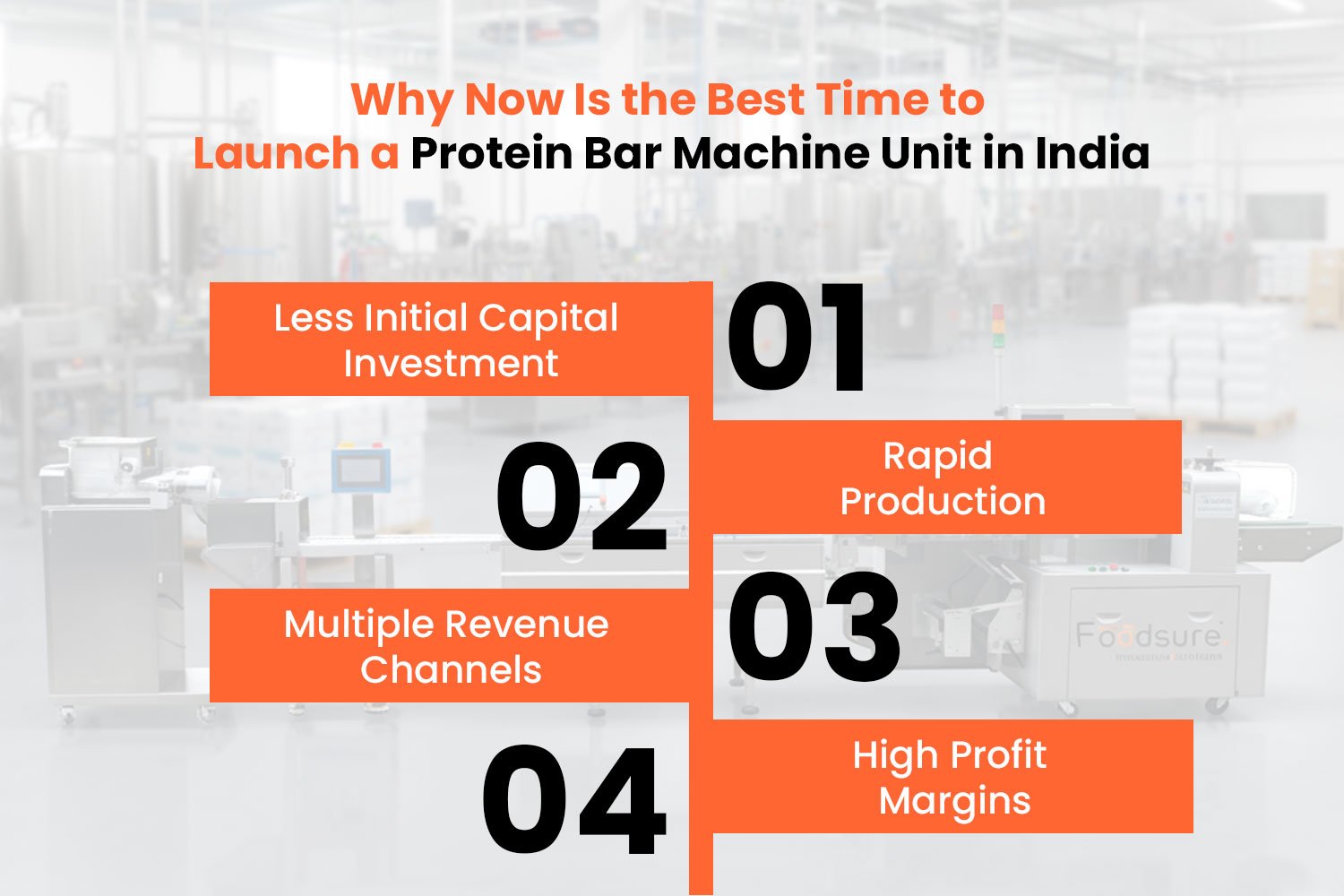
The combination of increasing awareness of the health benefits of eating protein and an economic growth rate averaging between 12-15% annually has resulted in a very successful Protein Money Establishment that produces protein bar manufacturing machines (PME) that are easy to obtain.
- Less Initial Capital Investment: The initial investment in a PME will be relatively easy for most small businesses to achieve, which opens avenues for many new young entrepreneurs.
- Rapid Production: Faster full-batch machines allow the new manufacturer to quickly launch their products.
- Multiple Revenue Channels: Many different markets exist for your product (Retail, Gym, etc.), and there are many customer segments that will buy from you (Consumers and Corporations).
- High Profit Margins: Since all aspects of the full volume of production are purchased by the end user with an automatic manufacturing machine, the increase in profit margin due to the elimination of waste on the company’s part is substantial.
Protein Bar Machine Unit: Quick Facts & Overview
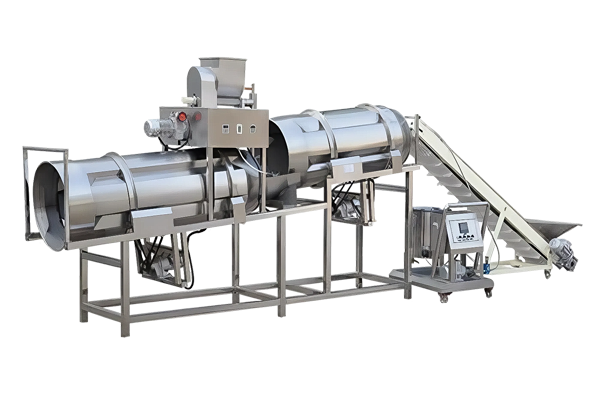
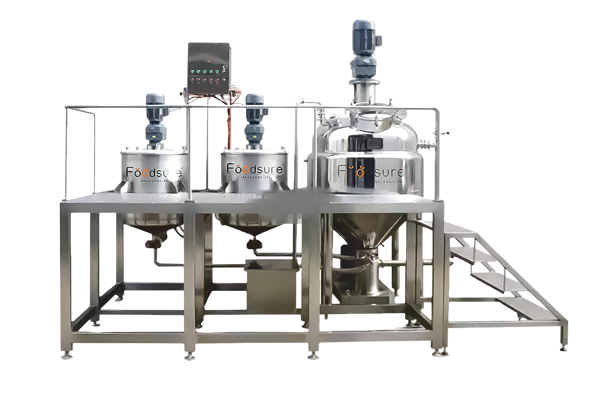
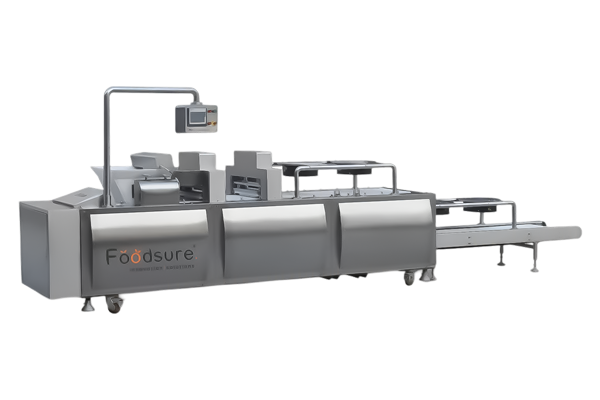
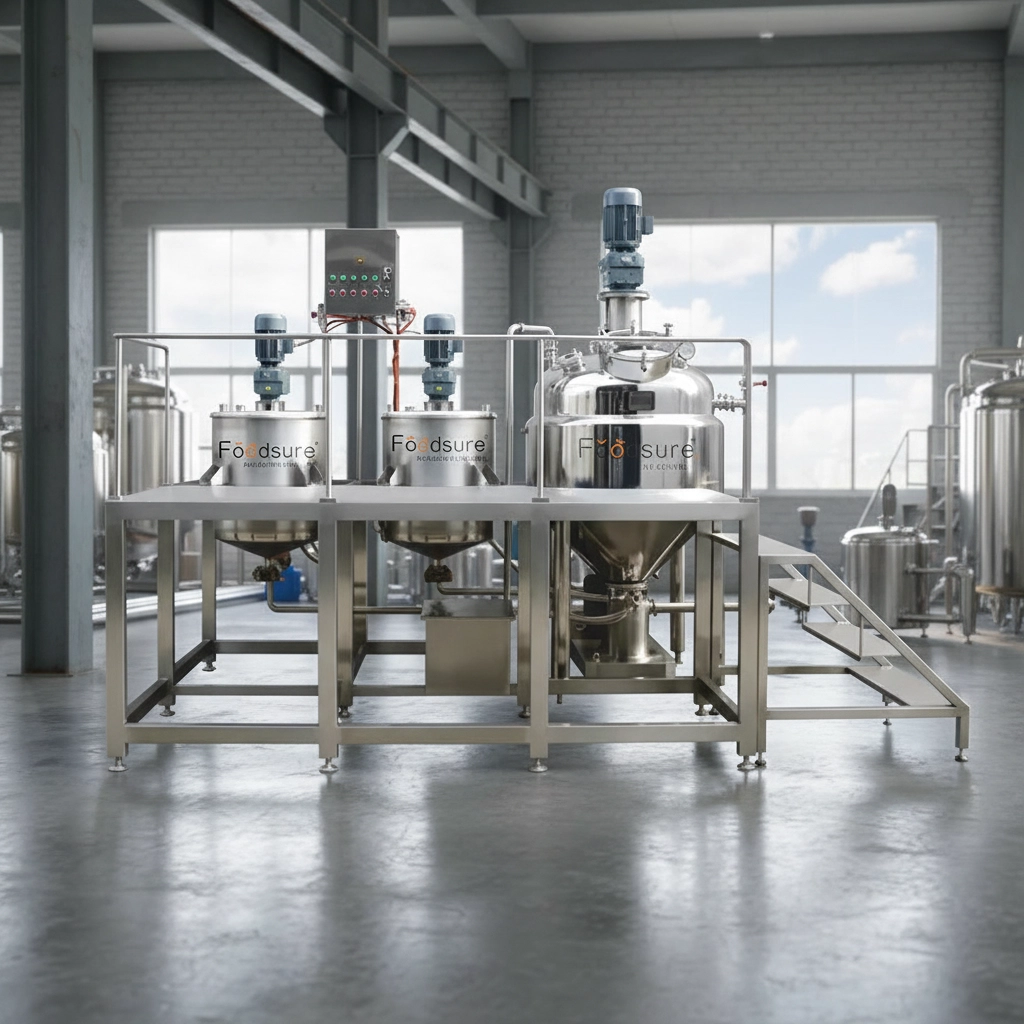
There are four different types of protein bar extruder machines that manufacture the above products: mixing equipment, extrusion equipment, cutting equipment, and the packaging system. Based on the size of the machinery and the level of automation used in its production, the production capacity of manufactured products ranges from 50 kg per day to 500 kg per day.
- The start-up investment required for a business producing the above types of products is estimated to be a minimum of ₹3 lakhs to a maximum of ₹8 lakhs.
- The use of machinery will allow you to reduce your use of manual labour while creating uniformity in your product by producing it using machines as opposed to having individuals create each item of your product (composition of its ingredients, texture/flavour, etc.
How Protein Bars Are Made: Step-by-Step Process
- The first step when creating a batch of protein bars is gathering all the ingredients needed for your recipe.
- Once you have assembled all of the selected ingredients. It is always best to pre-process each ingredient before combining. This will typically mean chopping them up into a consistent size.
- Next, you will need to either A. Use a protein bar extruding machine or B. Manually scoop out and shape each bar to make sure that all of your protein bars are the same size.
- You must cut each protein bar according to the size indicated in the recipe. So that they all contain the same amount of protein per serving.
Read More: Everything Indian Manufacturers Need to Know About Protein Bar Extruders
Cost Breakdown for Small, Medium & Large Protein Bar Machine Units in India
| Unit Size | Machine & Equipment Cost (₹) | Raw Material Cost (₹/month) | Setup & Miscellaneous (₹) | Total Initial Investment (₹) | Daily Production Capacity |
|---|---|---|---|---|---|
| Small | 2,00,000 – 3,50,000 | 50,000 – 80,000 | 50,000 – 70,000 | 3,00,000 – 4,50,000 | 50–100 kg |
| Medium | 4,00,000 – 6,00,000 | 1,00,000 – 1,50,000 | 80,000 – 1,00,000 | 5,00,000 – 8,50,000 | 150–300 kg |
| Large | 7,00,000 – 12,00,000 | 2,00,000 – 3,50,000 | 1,50,000 – 2,00,000 | 10,00,000 – 17,50,000 | 400–500 kg |
Read More: Top Protein Bar Machine Consultants in India (2026 Guide)
Common Mistakes to Avoid When Starting a Protein Bar Machine Unit
Conducting thorough research on the market helps you as a manufacturer. To learn what your customers will want and help you determine their current demand trends.
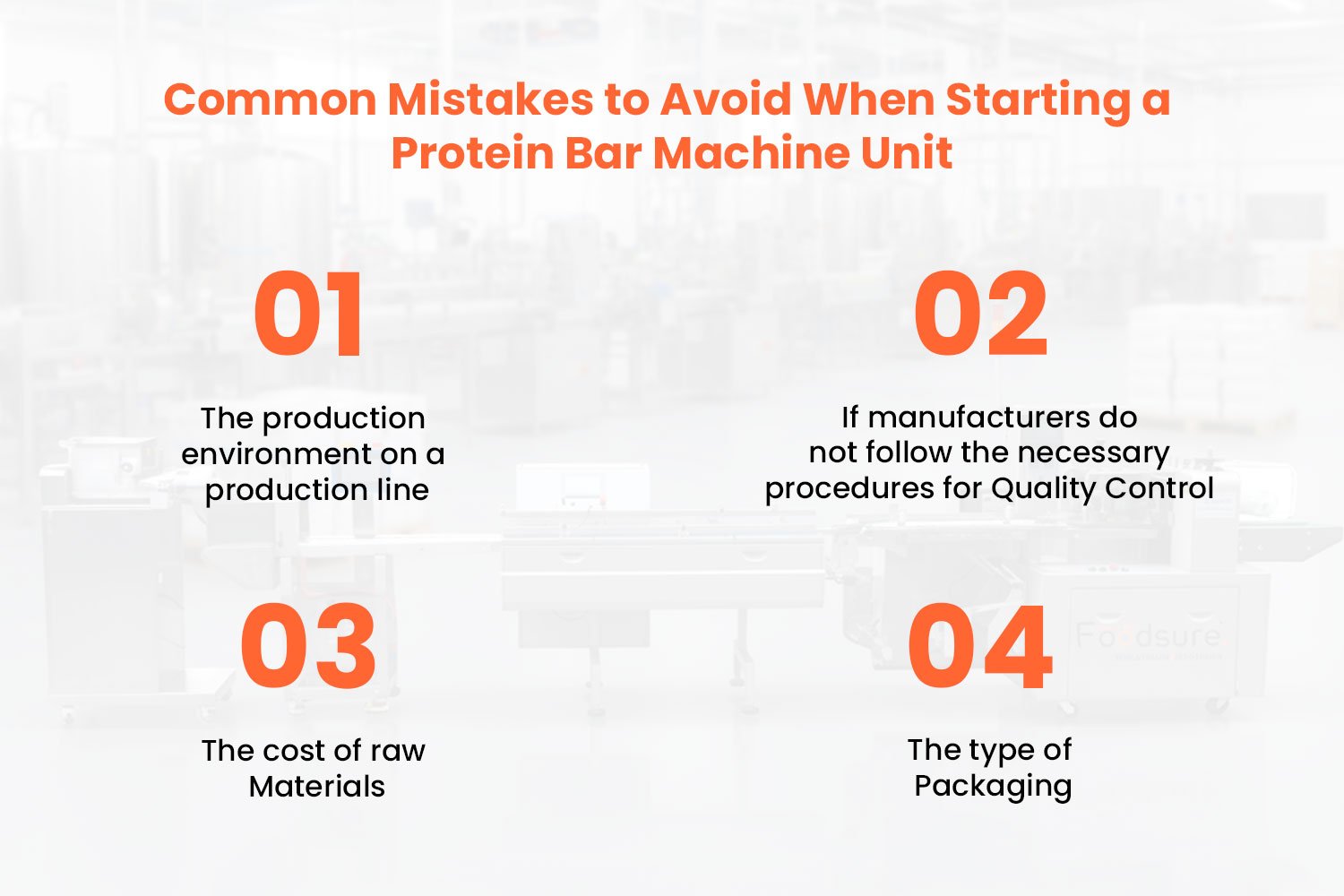
- The production environment on a production line is enhanced by using the right equipment. Using machines that are too big or too small, or poor-quality machinery, will increase the expense of repairs, maintenance, and will negatively affect the total production output on the line.
- If manufacturers do not follow the necessary procedures for Quality Control (QC), the final product will likely differ from the anticipated taste. And texture will have a shorter shelf life. This can have a negative impact on a manufacturer’s brand image.
- The cost of raw materials depends on where in the world the ingredient is located. How much material is purchased at one time. Manufacturers need to plan for fluctuations in prices. Otherwise, they will likely not have acceptable margins for their product(s).
- The type of packaging used for a product will determine whether a product will be sold in a retail store or an online retailer. Therefore, if a product has a poor package, it is harder to sell than a product that is well-packaged. Typically will have a shorter shelf life than a well-packaged product.
How Much You Can Earn: Profit & ROI for a Protein Bar Machine Unit
- Profit margins vary by size of protein bar processing unit, from 20-30%/kg for small units to 30-40%/kg for medium and large-scale processing units, assuming optimum production/processing efficiencies are achieved.
- Monthly sales revenue will vary by the size of processing units; small units (50-100 kg/day) will create sales revenue of ₹1.5-3 lakh per month; medium-sized protein bar machine units (150-300 kg/day) will produce sales of ₹4-10 lakhs/month.
- The breakeven point for investment recovery is typically 12-18 months for small processing unit types and 10-14 months for medium processing unit types.
Conclusion
With the right assistance, launching a Protein Bar Machine Unit in India is simple. At Foodsure Machines, we manufacture and sell very high-quality, reliable machines that produce the same amount of product every time and create very little waste. We also offer expert support to help you get your business off to a smart start, to help you avoid common pitfalls, and to help you build a successful protein bar business with our machines and expert support.
FAQ
Q1. What is a Protein Bar Machine Unit in India?
Answer: It’s basically a small or medium setup with machines that let you produce protein bars consistently and efficiently.
Q2. What is the startup cost?
Answer: You’re looking at anywhere between ₹3 lakh and ₹8 lakh, depending on how big your unit is and how automated you go.
Q3. What is the daily production capacity?
Answer: Small units can do around 50 kg a day, while bigger ones can hit 500 kg or more.
Q4. Which machines are essential?
Answer: You need mixers to blend, extruders or molds to shape, cutters for sizing, and packaging units to finish.
Q5. Is FSSAI registration required?
Answer: Yes. Without it, you can’t legally sell your bars, so it’s not optional.
Q6. Can I sell online?
Answer: Absolutely. Selling directly through e-commerce or your own D2C channel can bring in serious revenue.
Q7. What is the typical profit margin?
Answer: Margins usually sit between 20 and 40 percent per kilogram, depending on efficiency and scale.
Q8. How long to break even?
Answer: For small setups, expect 12–18 months. Medium units often recover costs in 10–14 months.
Q9. Do I need skilled staff?
Answer: Not really. Small units just need basic training. Medium units need a bit more supervision.
Q10. Can the unit be scaled later?
Answer: Yes. You can add machines or upgrade capacity as demand grows.
Q11. Which raw materials are needed?
Answer: Protein powders, nuts, dry fruits, sweeteners, and binders. That’s the core list.
Q12. Are Foodsure Machines suitable for startups?
Answer: Definitely. Our machines are reliable, easy to operate, and designed to help new businesses get off the ground without headaches.