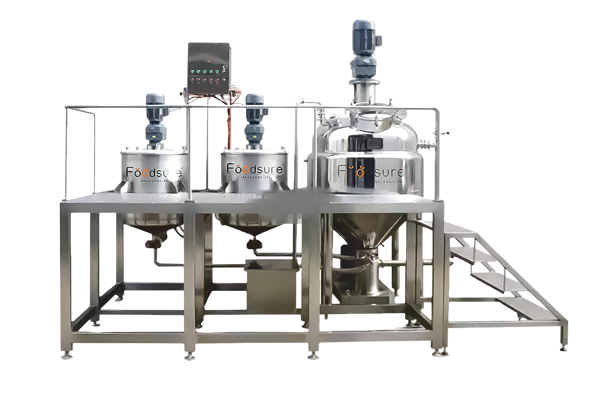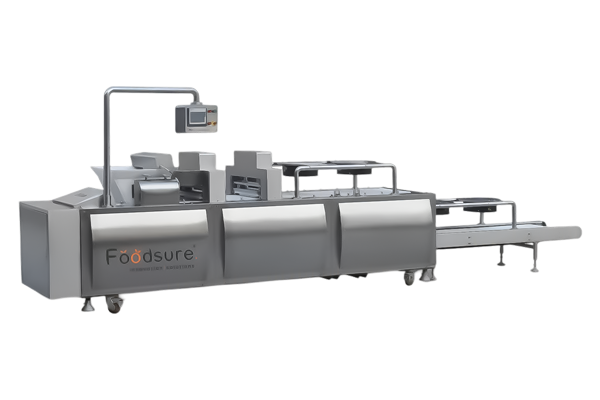
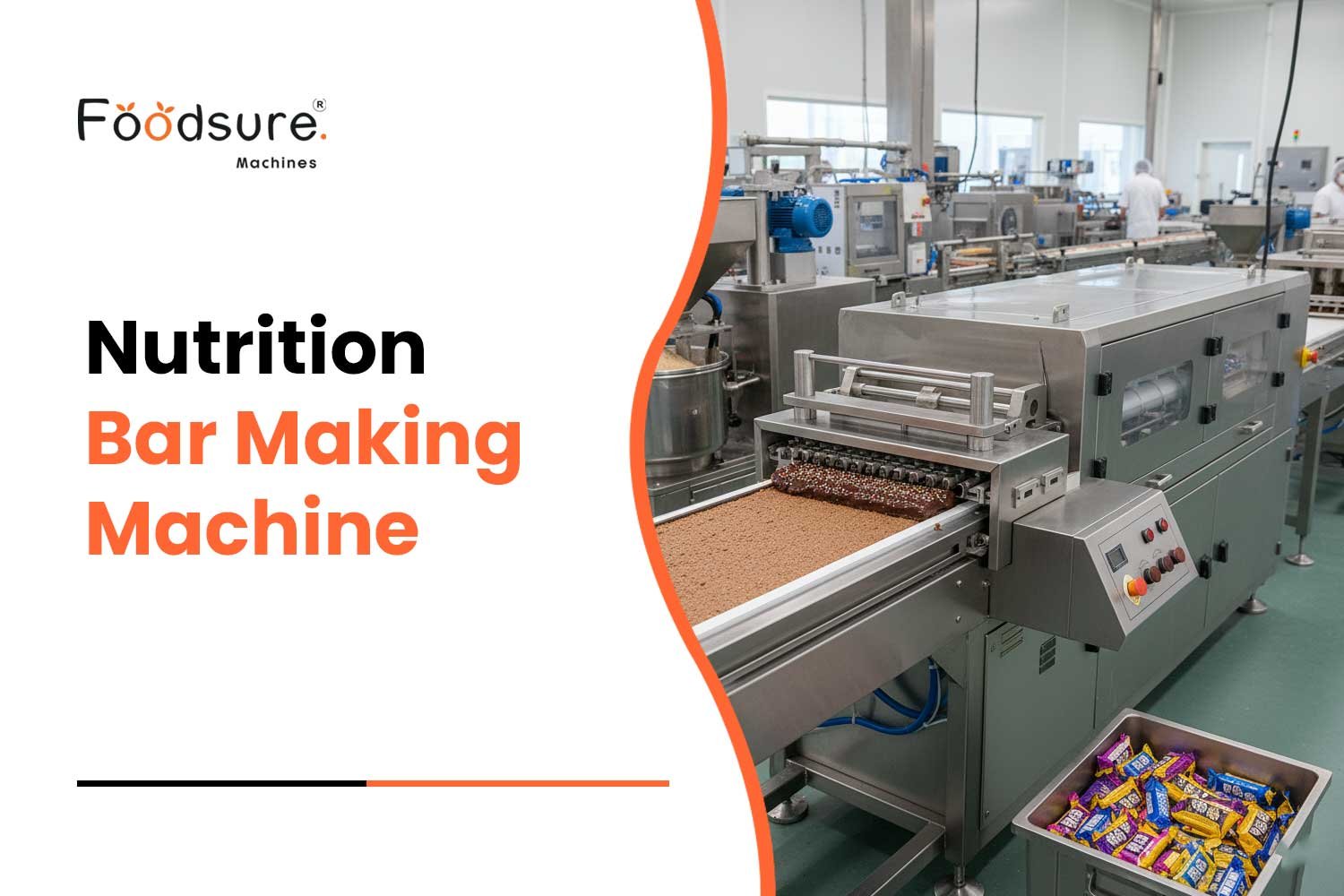
India’s health and protein bar market is on the rise. It’s expected to cross ₹1,500 crore by 2027. Every few weeks, new fitness snack brands show up online. Many start with promise, but only a handful manage to stay consistent once orders increase. A good recipe does not automatically turn into scalable products. As production grows, even a small difference can affect texture, shape, or taste. That is when a Nutrition Bar Making Machine becomes essential. You get reliability, speed, and control, three things that separate small brands from serious players. Let’s take a closer look at how the machine makes that possible.
Why Every Modern Food Startup Needs Nutrition Bar Machines And Protein Bar Equipment
The global nutrition bar market was valued at around USD 7.4 billion in 2024 and is expected to keep growing at about 6% a year through 2034. Over the years, many people have started to pick up nutrition and protein bars because they are perfectly fit for healthy snacks in their daily routines.
This rise in demand is not just about fitness trends. But it’s also about comfort and trust. People want snacks that are healthy. That’s why food startups and local brands in India are investing in small-scale nutrition bar machines and productive protein bar equipment.
Why Every Nutrition Bar Making Machine Needs These Key Components
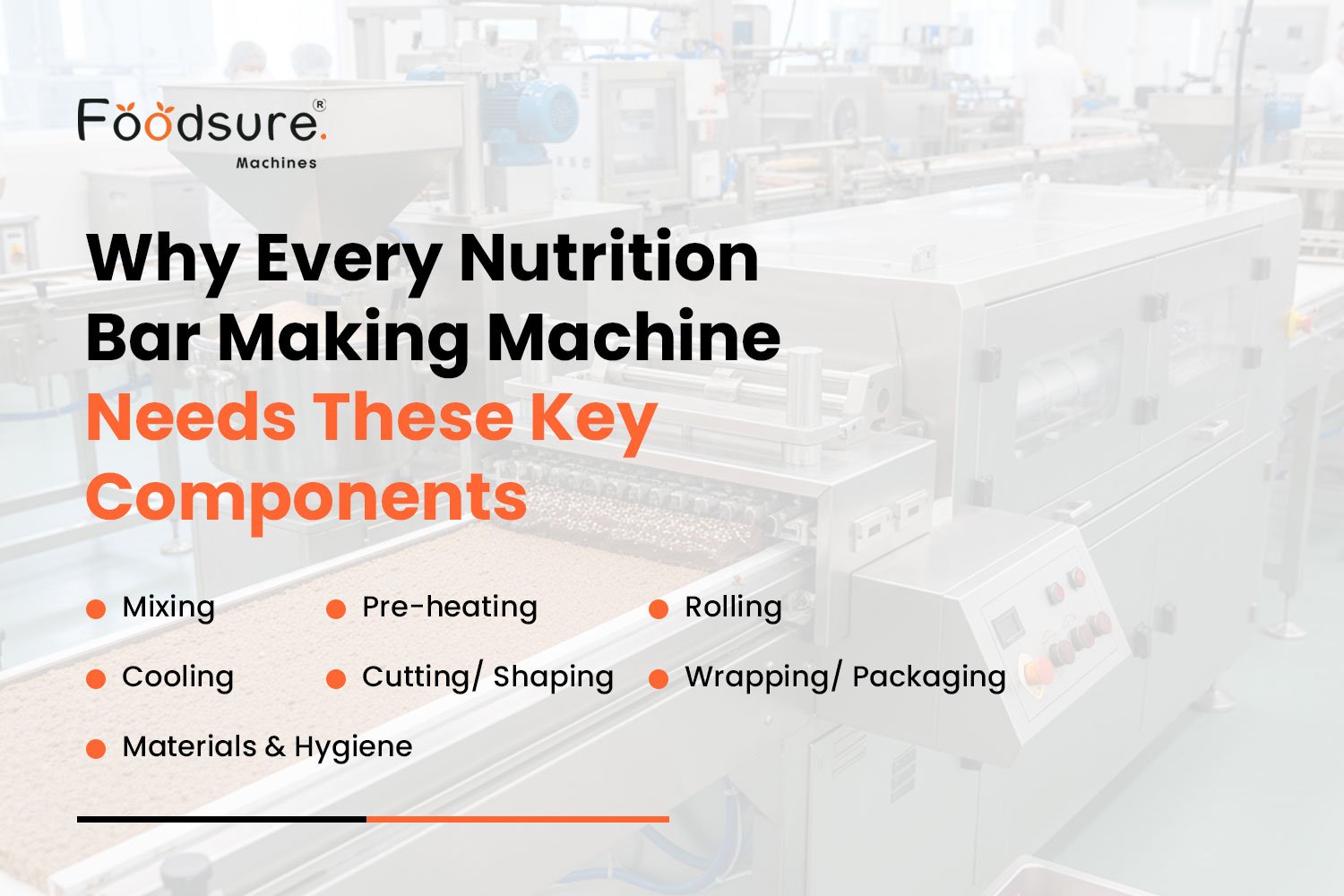
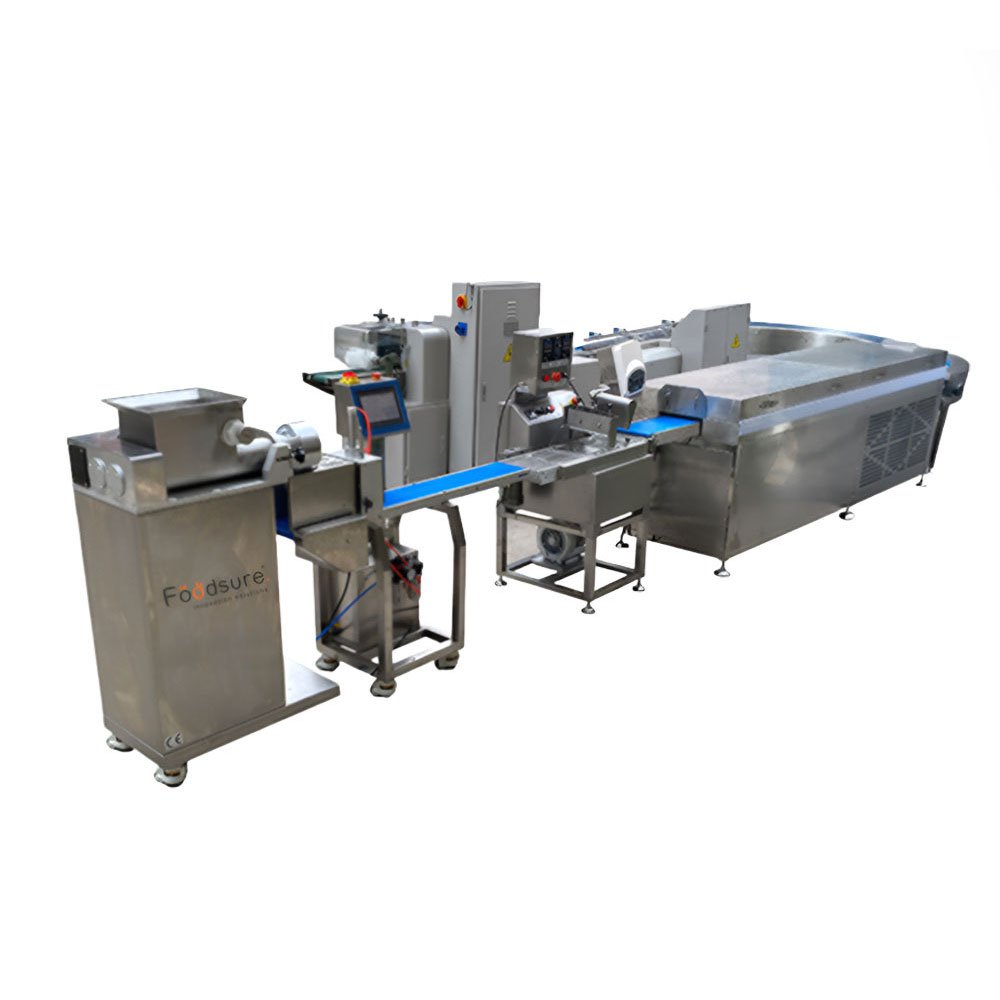
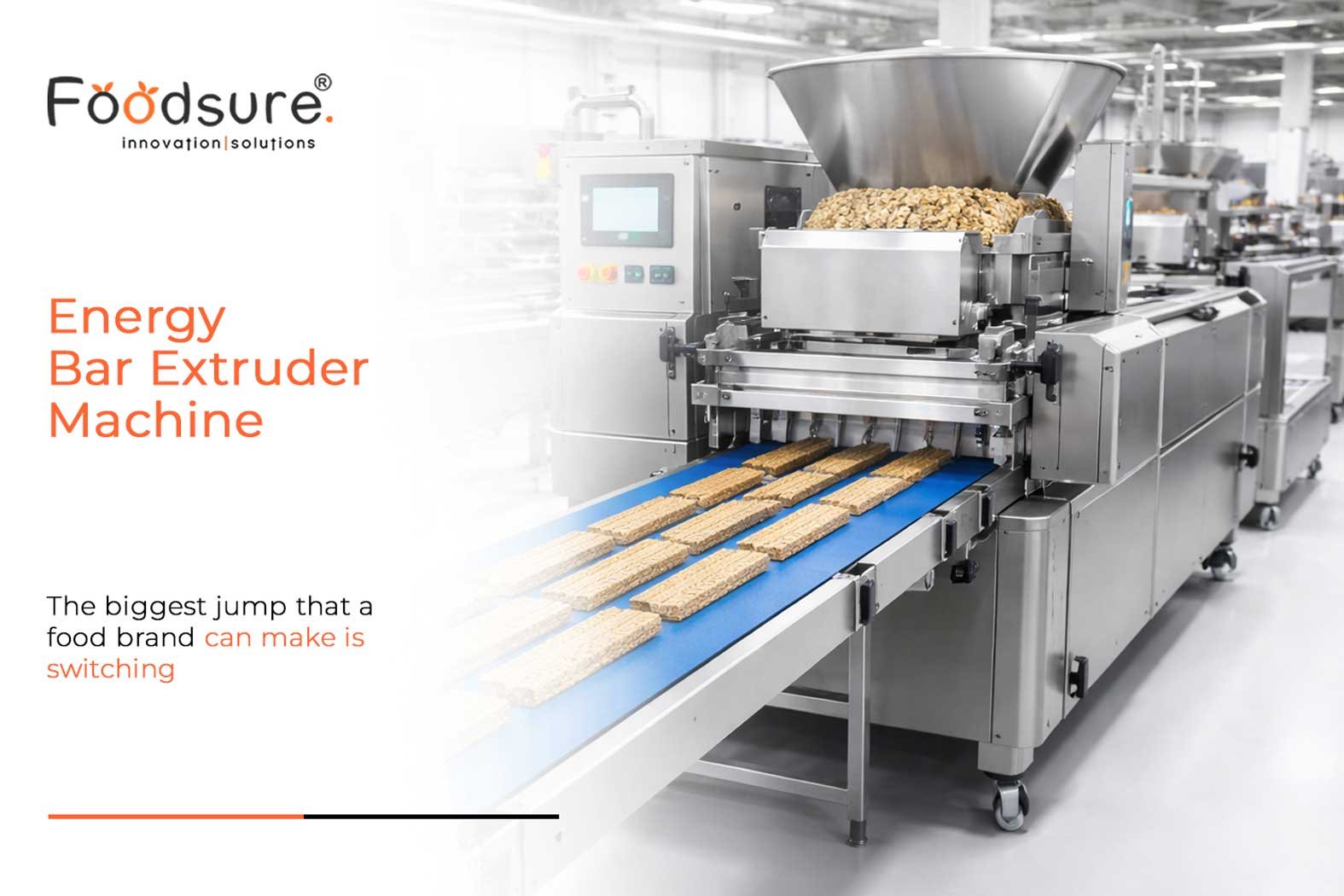
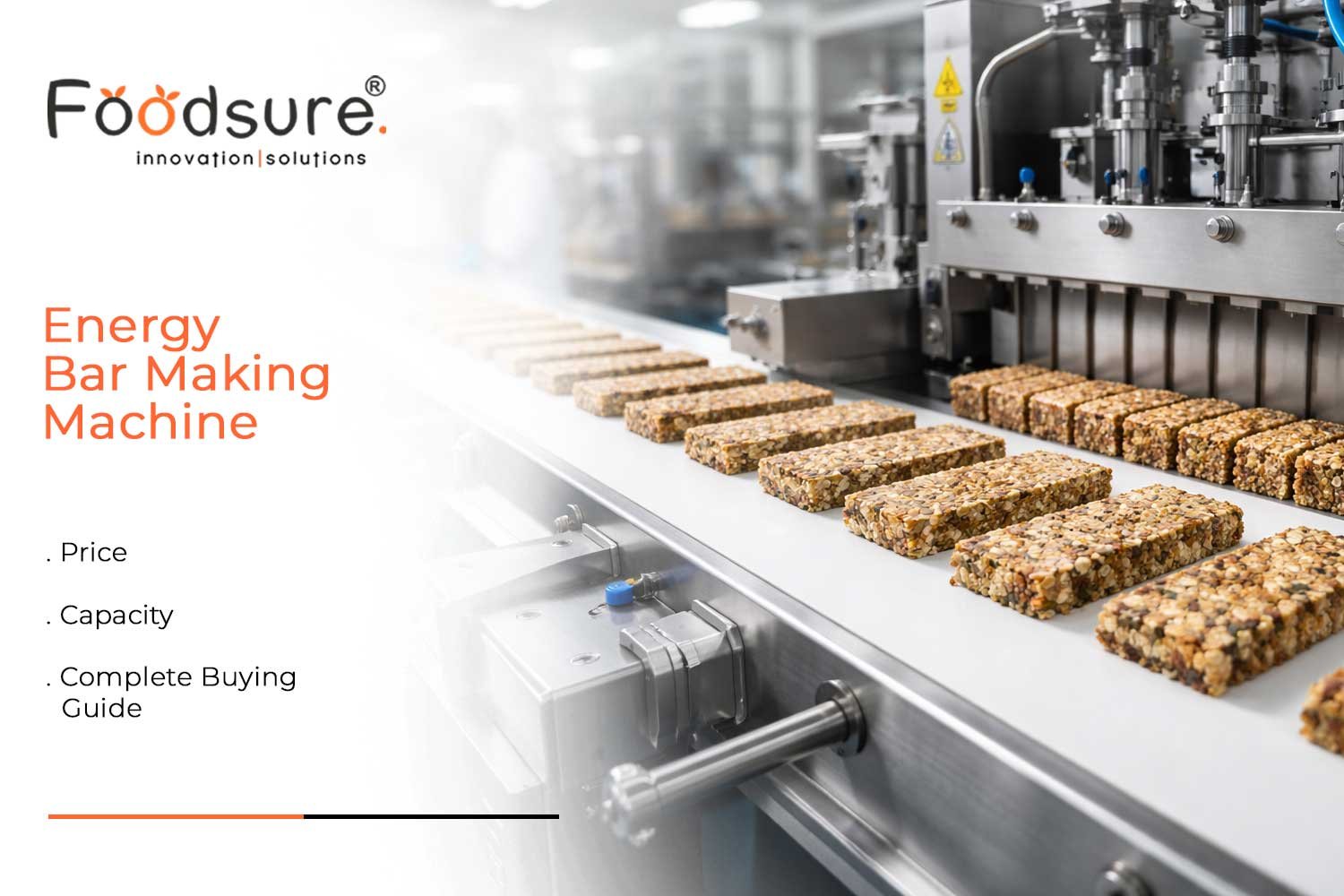
The small business nutrition bar production line focuses on three main things: making bars the same every time, keeping everything clean, and having control over the process. If you are using an automatic protein bar-making machine with a stainless steel food-grade line. You can produce bars that are consistent in taste, size, and shape. Below, we see how it works.
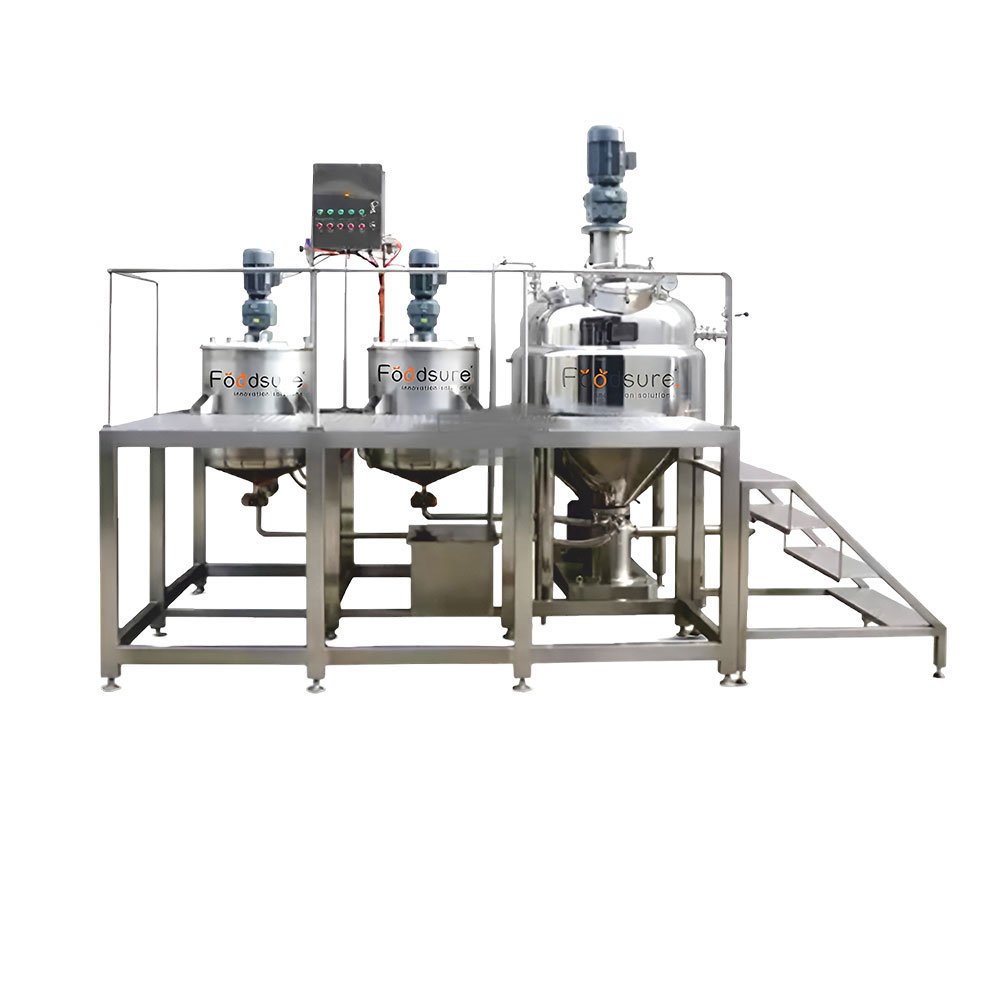
- Mixing: Dry and wet ingredients are blended into the heated mixer until the mixture is lump-free. The mixer and forming contouring unit are configured to allow the mixture flow to come together in one procedure as a smooth mix (liquid).
- Pre-heating: The liquid is heated at temperature-at-non-lump condition to make it soft enough to roll on the cutting former.
- Rolling: The liquid is then rolled through rollers, which will dispense the liquid to a wide surface area evenly. This operation maintains an even thickness for each bar, assuring the quality of each bar.
- Cooling: The sheet cools to hold its shape and maintain no tackiness for the next operation, and the automatic conveyor lines the cool, flat sheet of the bar to keep things clean while the bar cools.
- Cutting/ Shaping: A cooled bar is cut with the servo cutter into equal-weight bars for mass, uniformity, texture, and feel.
- Wrapping/ Packaging (Optional): wrapped bars for clean tier retail if necessary.
- Materials & Hygiene: The complete line is constructed of SS304 food-grade, quality standard construction through FSSAI for nutrition bar making machine safety, durability, and ease of cleaning.
What Capacity And Power Options Are Available For Nutrition Bar Machines?
Selecting the right nutrition bar making machine usually depends on your batch size and budget. There are two types of machines: Semi-automatic and fully automatic protein bar-making machines. Below, you get to know about their difference and which type of production unit is ideal for them.
Semi-Automatic Nutrition Bar Machine
- Capacity: 50 kg/hr, 100 kg/hr, 200 kg/hr.
- Type: Semi-Automatic.
- Power: 7.5 kW to 20 kW (3 Phase).
- Material: Food-grade Stainless Steel 304.
- Feeding: Automatic hopper.
- Bar Size: Customizable, width 25 mm – 60 mm.
Why is it ideal for small businesses
- For this nutrition bar production line, you need some manual work during production.
- It is cost-friendly for small to medium startups.
- It has a modular design that makes it easy to upgrade to fully automatic later.
- With the help of a semi-automatic nutrition bar machine, you can produce consistent bars in small batches.
Fully Automatic Nutrition Bar Machine
- Capacity: 50 kg/hr – 200 kg/hr, scalable for larger units
- Type: Fully Automatic
- Power: 10 kW – 20 kW (3 Phase, customizable voltage/frequency)
- Material: Food-grade Stainless Steel 304 / 316
- Feeding: Fully automatic with continuous flow
- Bar Size: Customizable, width 25 mm – 60 mm, adjustable length
Why it works for high-volume production
- This machine handles everything from mixing to forming, cutting, cooling, and packaging (optional).
- You just need minimal manual work to reduce mistakes.
- It is perfect for consistent output for retail and online sales
- You get a modular design for this, which allows you to make future upgrades.
How Much Does A Nutrition Bar Making Machine Cost In India?
| Machine Type | Capacity Range | Features Included | Material | Approx. Price Range (₹) | Best For |
|---|---|---|---|---|---|
| Semi-Automatic Line | 50 – 100 kg/hr | Mixer, forming unit, manual or servo cutting, basic cooling system | SS 304 Food Grade | ₹8 – ₹15 lakh | Startups and small-scale food units |
| Fully Automatic Line | 100 – 200 kg/hr | Complete line with automatic feeding, forming, cutting & cooling conveyor | SS 304 / SS 316 Grade | ₹20 – ₹35 lakh | Medium to large production businesses |
Why Foodsure Machines Are the Smart Choice For Bar Production
Foodsure Machines has manufactured food machines for over 13+years and we know what is important on the production floor. Our nutrition bar making machine is designed with real use in mind, rather than brochure use. They’re clean, efficient, and scaled to fit your brand. It is the honest guidance we provide, the hands-on support we give, and our team that understands food manufacturing from the nuts and bolts up. Ready to start producing your own bars with confidence?
FAQ
Q1. Is it possible to have one production of nutrition bars a day with the machine?
It is definitely possible to start with one day’s production based even on the smallest machine capacity of 50 kg/hr featured for a start-up or home-based size business.
Q2. What is the starter investment amount for a small functional nutrition bar-making machine plant?
Complete lines start at approximately ₹8-10 lakh for semi-automatic equipment, but can also go up to ₹20-35 lakh with fully automatic equipment.
Q3. What are the margins I can expect in the nutrition bar manufacturing business?
Margins can be at 30-40%, depending on the cost of raw materials, the cost of packaging, and fully depending on whether sold directly to the consumer.
Q4. How would you suggest getting started with a small nutrition bar business from my home?
We would suggest looking at a machine that is 50 kg/hr for production, doing some light packaging, and, if you are in India, registering as an FSSAI.
Q5. How many bars can I make with 1kg of nutrition mix?
1 kg of mix should make about 10-12 standard bars, depending on the recipe and mix density, and weight.