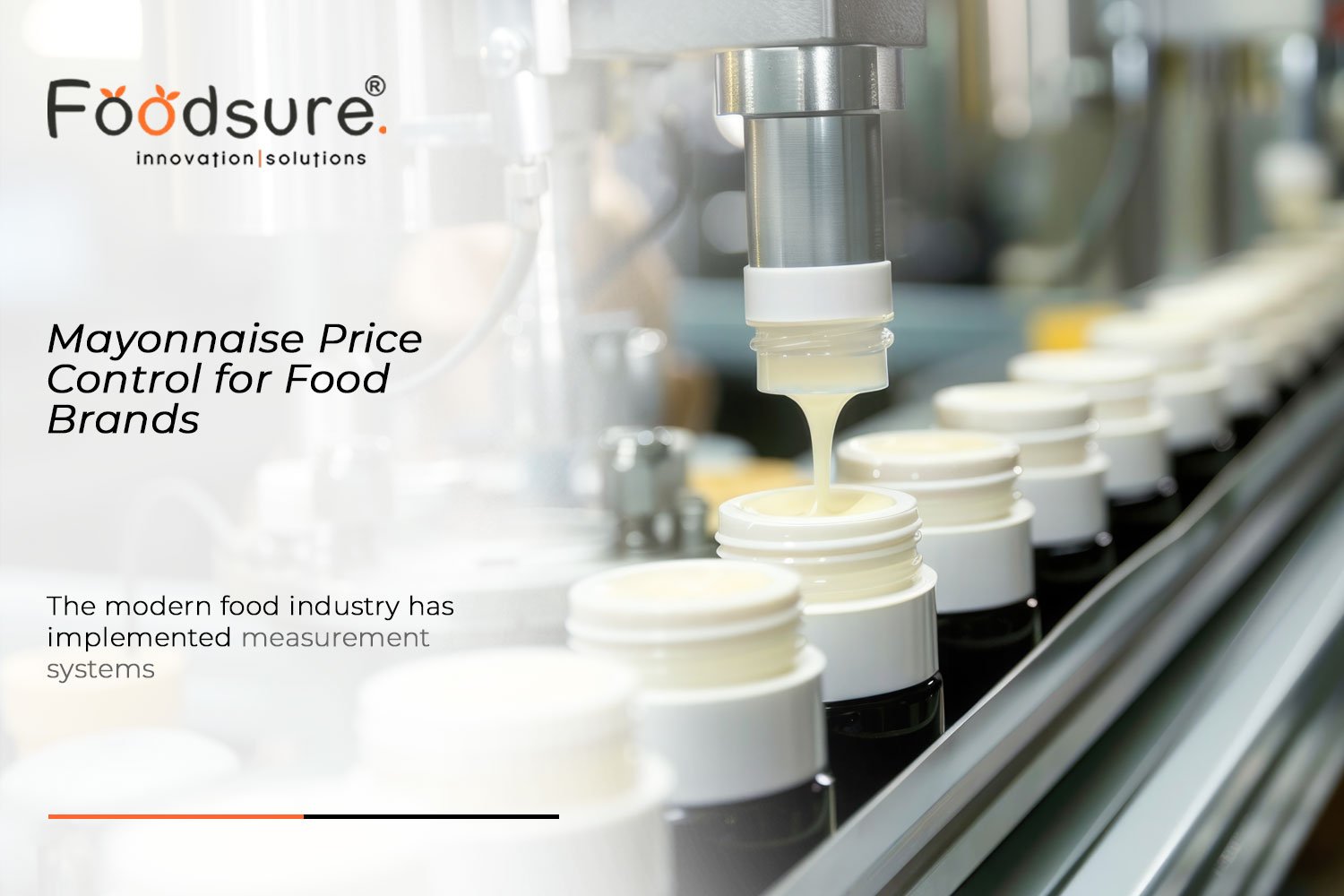
The modern food industry has implemented measurement systems that go beyond the normal millimetre measurements in measuring the performance of the food industry. Companies must attain optimal productivity since rising costs and stiff competition in the market compel them to work with very low margins of profit, and this will define their success in the next financial year.
The majority of food companies (QSR chains and industrial salad producers) manage their mayonnaise price as a fixed purchase cost. They accept annual price growth of 5 to them brought about by the supply chain, which they deem as an inevitable cost. The reason why Mayonnaise is an asset is that it is distributed by companies that distribute over 30 tons of product, since they require it in their business. With in-house production of mayonnaise, the companies will be saving 50 % of the condiment costs, which makes a typical expenditure a significant revenue.
Decoding the Mayonnaise Price Landscape: India 2024-2026 strategies
The existing market indicates that bulk consumers in India are able to pay between ₹180 and 350 per kilogram of mayonnaise since various factors influence this price bracket, and they comprise the quality of oil and brand positioning.
To have complete control of the mayonnaise price, brands should consider these four pillars of the Hidden Tax in the True Cost of Ownership (TCO):
- Logistics & Weight Inefficiency: The company spends money to transport its products since they have to transport heavy water and oil containers between states. This would incur additional hidden transportation costs, or lower your overall cost of production of mayonnaise, which is the process of keeping the production at the facility.
- Working Capital Deadlock: Vendors demand that businesses keep huge stocks since they charge high Minimum Order Quantities (MOQs). The outcome of the process is the blocking of necessary working capital, and the refrigerated areas have to hold the unwanted inventory.
- The Risk of Quality Variation: External dependencies of the supply chain raise the risk of receiving defective shipments of products. Even one error in consistency can put thousands of retail units at risk, causing a damaged brand or expensive recalls.
- Supplier Margin Inflation: You are now subsidising the marketing and corporate overhead of the supplier. Production of in-house mayonnaise allows your business to save the 20-30% markup that you are presently paying.
The Financial Case: Cost of In-house vs Outsourced Mayonnaise Production
The direct data is the most convincing, and this shows that through food cost optimisation, the mayonnaise price must be lowered. The economics of decision-making in the Make vs. Buy demonstrates that there is a distinct difference between the two alternatives.
| Expense Category | Outsourced (Per Kg) | In-House (Per Kg) |
|---|---|---|
| Raw Ingredients (Oil / Egg / Vinegar / Eggless) | Included | ₹95 – ₹110 |
| Processing & Labor | Included | ₹20 – ₹25 |
| Hidden TCO | ₹35 | Included |
| Supplier Markup (Margin) | ₹100+ | ₹0 |
| Total Estimated Cost | ₹315 | ₹145 |
- The ROI Math: Monthly savings of about 6.8 Lakhs are attained by the mid-sized brand through consumption of 40 tons/month. The business breakeven point is achieved in three months since the business needs to start up with an investment of ₹5-10 Lakhs to procure high-shear mixers and QC equipment.
- Pro-Tip: When using frozen egg yolk or pasteurised liquid eggs rather than whole shells, this can eliminate a lot of microbial hazard and reduce labour costs, whilst maintaining a stable emulsion. Production of mayonnaise in-house offers a deflationary advantage, which is not typical of conventional investment strategies.
- As your business expands, your brand incurs lower costs per kilogram of the produced good due to a combination of bulk purchasing of ingredients and higher market prices that your competitors have to accept.
The Mayonnaise Framework: 5 Pillars of Readiness
The leadership is to think about the brand according to a systematic framework before a shift to functional success:
- Financial Viability: Do you exceed the 20-25 tons per month tipping point? The savings can be watered down by the overheads of personnel and equipment below this.
- Operational Capacity: The plant should have 500-800 square feet of climate-controlled area that consists of food-grade space, reliable and steady electricity and heavy-duty mixers.
- Supply Chain Control: The key here is to be able to enter into direct contracts with oil refineries and poultry farms to avoid going through retailers.
- Strategic Moat: Are you able to create a Secret Sauce? In-house manufacturing enables the manufacturing of proprietary textures and flavours that cannot be duplicated by calling the same supplier.
- Risk & Compliance: The FSSAI status of your business requires change because you need to become a Manufacturer instead of a Marketer, which will increase your obligations for hygiene and testing procedures.
Step-by-Step Implementation: How to Mayonnaise Cost Control for Food Brands
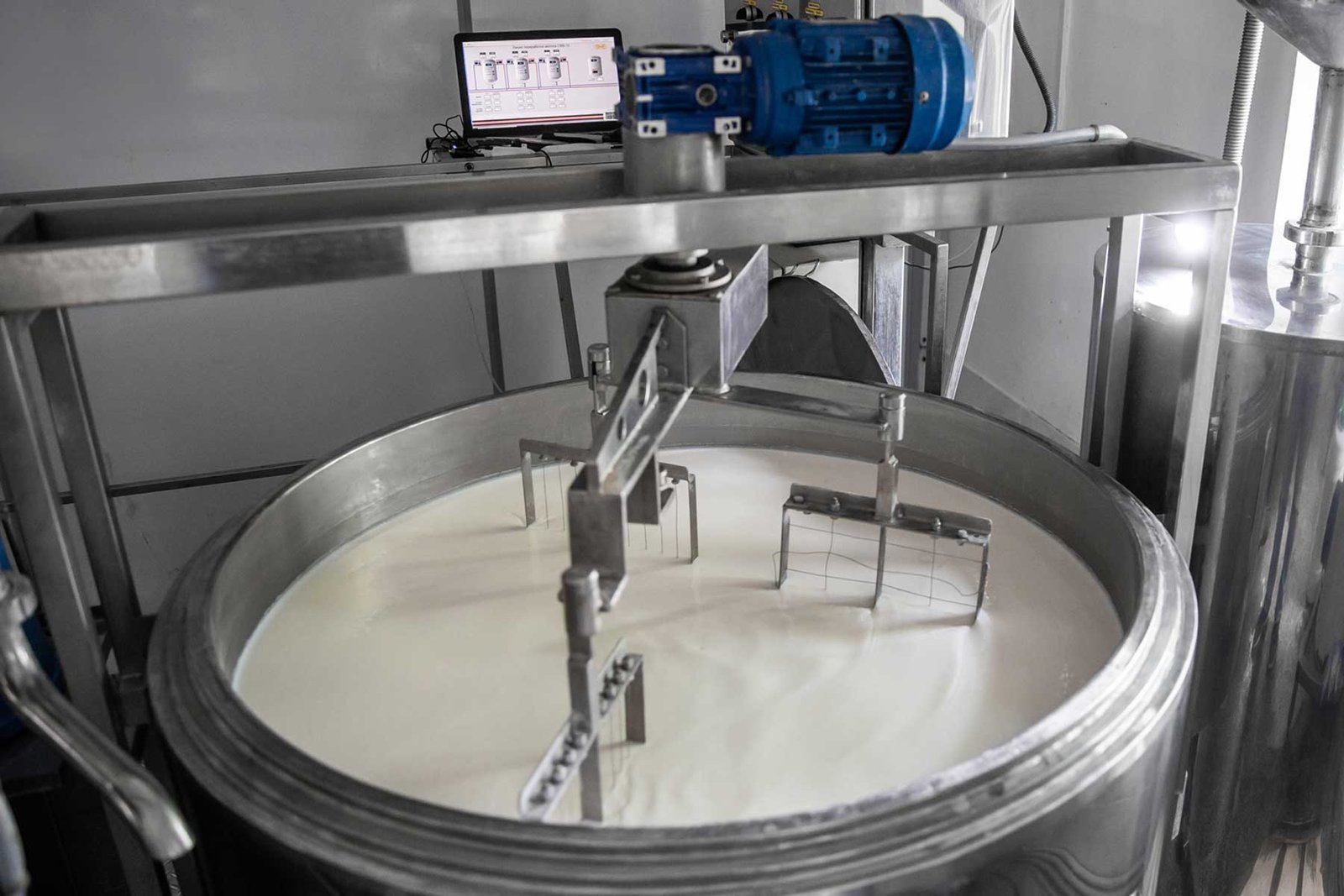
The process of self-manufacturing requires proper planning because it demands particular execution. The 120-day roadmap provides the necessary steps to achieve your mayonnaise manufacturing cost reduction goal while maintaining product safety and texture integrity.
Phase I: The Audit & Ingredient Sourcing (Days 1–15):
Make a detailed inspection of your current procurement agreements to identify hidden contract terms that relate to freight charges. Simultaneously, map the volatility of soybean and sunflower oil prices, your primary cost drivers. Your organisation needs to establish direct connections with Tier-1 refineries, which will enable your mayonnaise cost control process to start from basic material acquisition without paying retail prices.
Phase II: Infrastructure & The Pilot (Days 16–45):
The operation requires a vacuum emulsifier for high-shear processing because this equipment enables the production of an unbreakable product that maintains its original form. The organisation needs to establish a fundamental Quality Control (QC) laboratory within its premises, together with the installation of equipment. The laboratory needs to have capabilities for testing three essential food safety indicators, which include pH levels for food safety and taste assessment, viscosity measurements for maintaining classic mouthfeel, and microbial stability testing.
Phase III: Formulation & Stress Testing (Days 46–90):
Conduct stability tests before executing the full implementation. Your formulation must stay intact when exposed to “stress conditions,” which include both kitchen high-heat environments and long-term refrigeration throughout the cold chain. The phase requires testing different acidity levels together with emulsifier quantities until the in-house mayonnaise production achieves comparable quality to top commercial mayonnaise products.
Phase IV: Tiered Scaling & Supplier Transition (Days 91–120):
Do not terminate all vendor work immediately because this method creates operational challenges. Start testing your internal supply chain by producing 20% of your total supply needs through in-house operations. Your organisation needs to maintain consistent delivery results for three consecutive years.
Vertical Integration: Simplifying Mayonnaise Cost Control
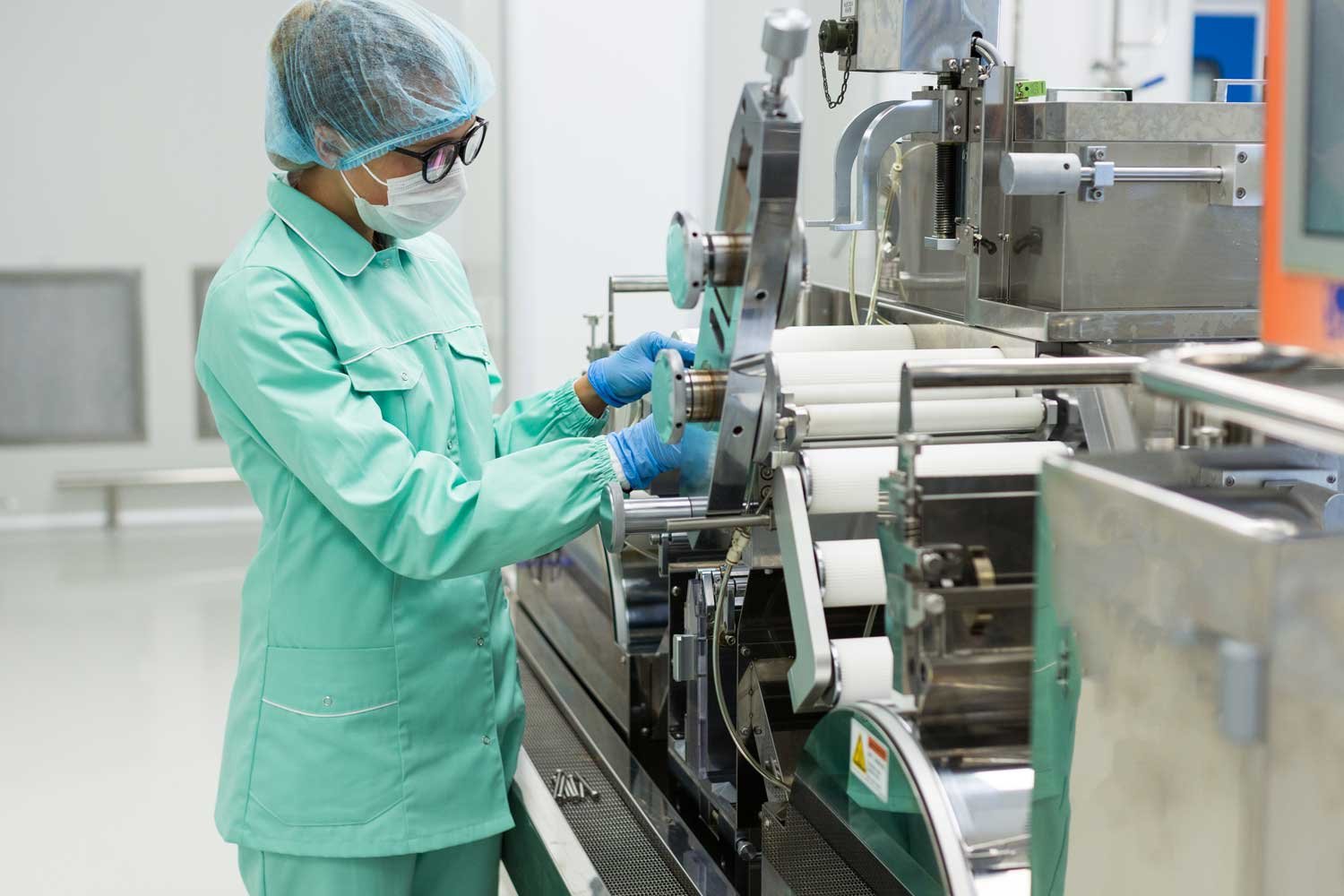
The main obstacle arises from the belief that they operate as a food company instead of a chemical manufacturing facility. In 2026, the top-performing brands will achieve success through their ability to execute vertical integration. The company establishes its own mayonnaise production facility to ensure product quality control.
The process produces “clean label” products, which eliminate all unnecessary starches and artificial thickening agents that bulk suppliers use to prolong product shelf life. The new business direction creates substantial marketing benefits that appeal to health-conscious customers who expect companies to reveal their product information.
Conclusion
The most effective method for driving food cost optimisation at your business requires you to control all aspects of your mayonnaise price. Brands can boost their EBITDA by 1–3% through margin reclamation from suppliers, which creates a substantial competitive advantage over rivals who depend on market price changes. Supply chain ownership provides businesses with three benefits, which include product quality maintenance, consistent output delivery and protection against price fluctuations.
Take Control with Foodsure Machines
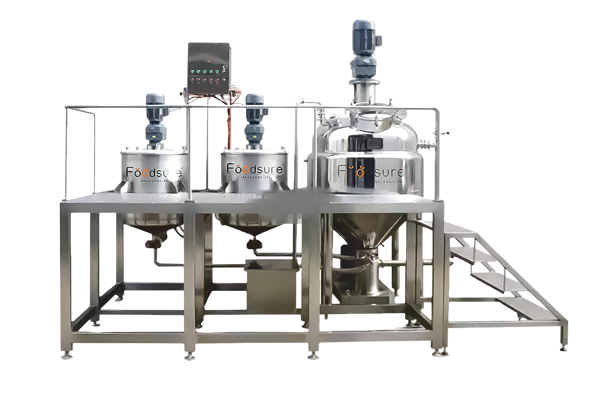
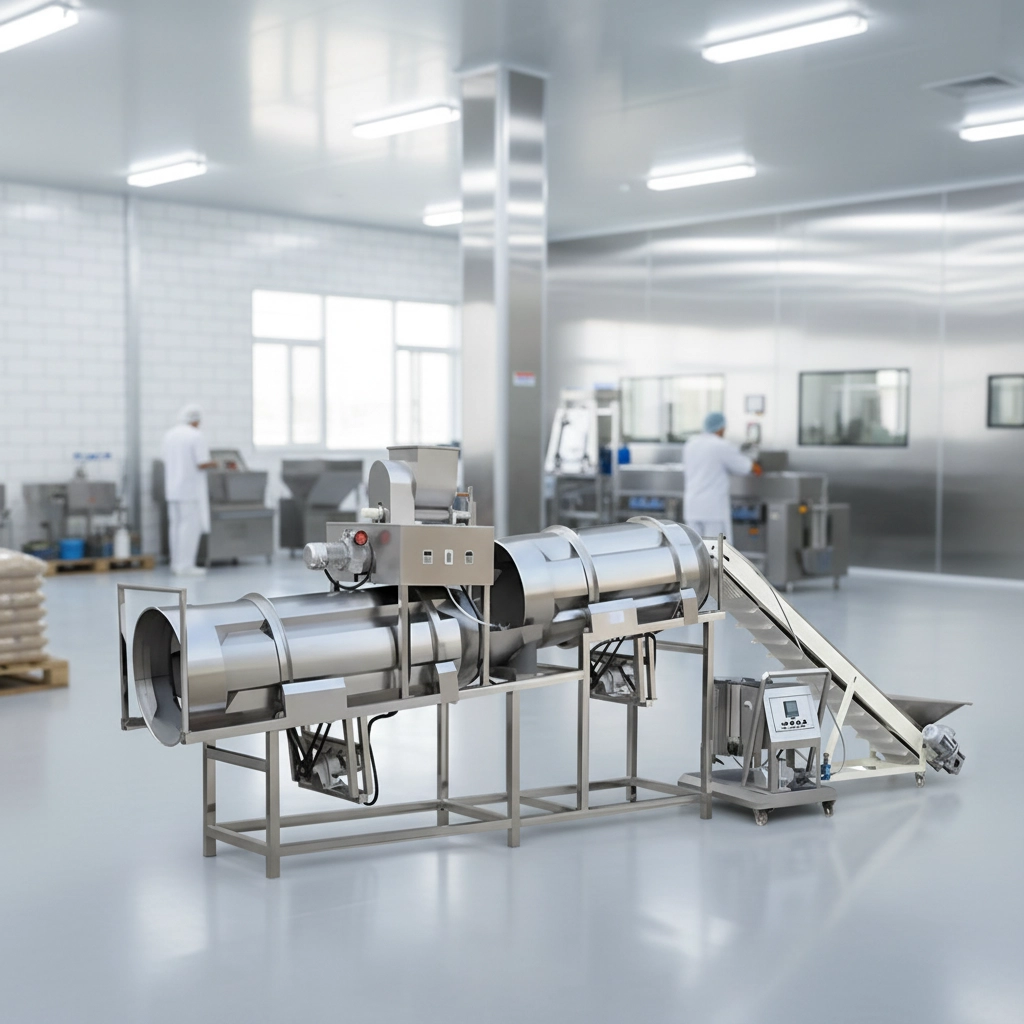
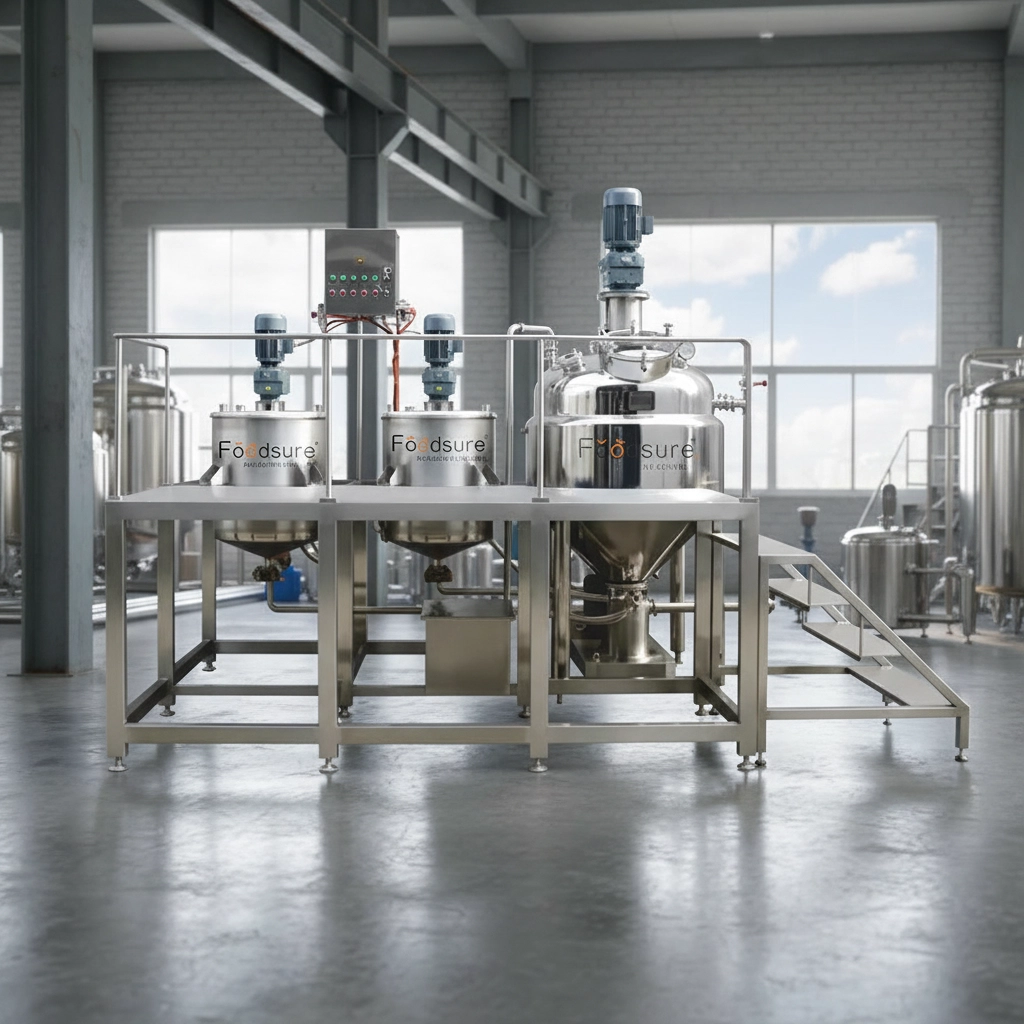
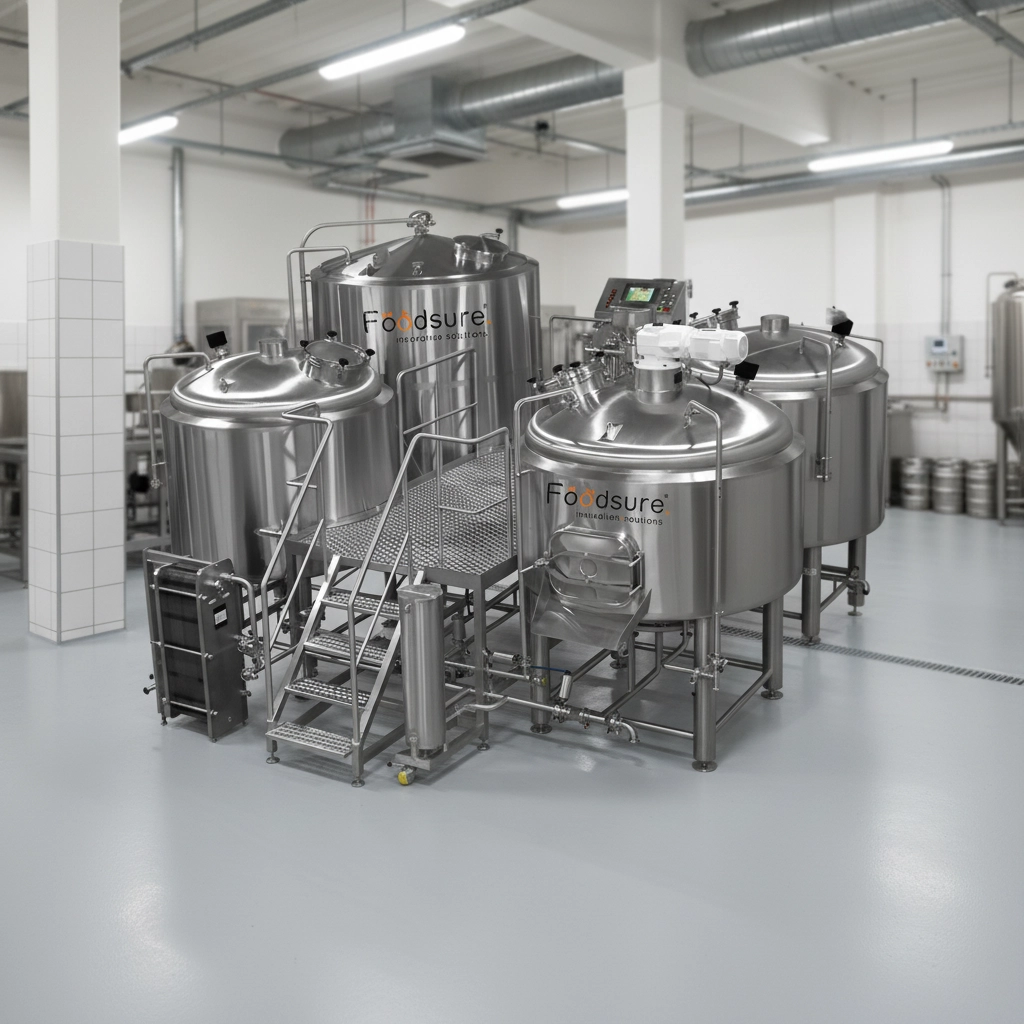
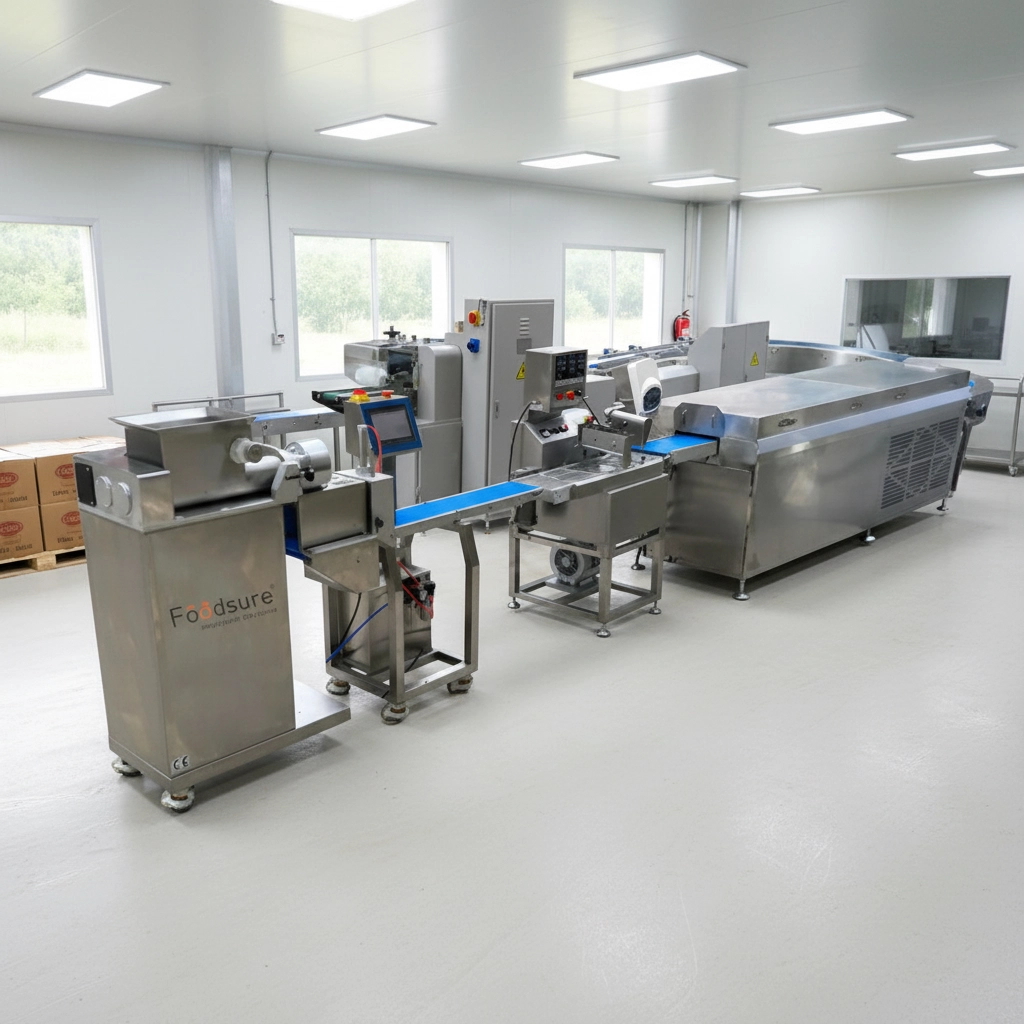
Foodsure Machines provides professional high-shear mayonnaise manufacturing machines to help clients achieve complete vertical integration. Our technology enables perfect emulsion production, which results in complete control over mayonnaise production expenses.
Want better control over mayonnaise production costs?
Get expert guidance on in-house mayonnaise manufacturing, machine pricing, batch capacity, margins, and long-term cost savings for your brand.
Frequently Asked Questions
Q: What can be done to lower the cost of mayonnaise in food brands, yet maintain high quality?
A: The high-shear mixing technology can enable brands to realise high food cost optimisation through the elimination of waste ingredients, the achievement of a stable emulsion, and the ability to control high-cost ingredients such as refined oil and eggs with greater precision.
Q: In 2026, what is the price of mayonnaise per kg in bulk in India?
A: The average price of mayonnaise per kg in India to bulk purchasers would be between 80 and 170 INR to buy standard types of white veg mayonnaise in bulk, and premium or speciality blends (such as Tandoori or Garlic) can cost INR 220-270 per kg as of early 2026.
Q: What is the cost of in-house vs outsourced mayonnaise production of large chains?
A: The cost analysis of in-house vs outsourced production of mayonnaise shows that in-house production can save 2040% of the per-kg cost by removing the costs of markups by suppliers and unseen logistics taxes.
Q: Which factors have the largest influence on the overall cost to produce mayonnaise?
A: Raw material volatility is the main driver in the manufacturing cost of mayonnaise, with refined vegetable oil and eggs contributing 7080 percent of total operating costs, then packaging and energy-intensive emulsification operations.
Q: Can in-house mayonnaise be a strategy of regional QSR brands?
A: Yes, in-house mayonnaise manufacturing can be a very viable plan when consumption is 30+ tons per month, which often can lead to an ROI of equipment in a very short period of 8 to 14 months.