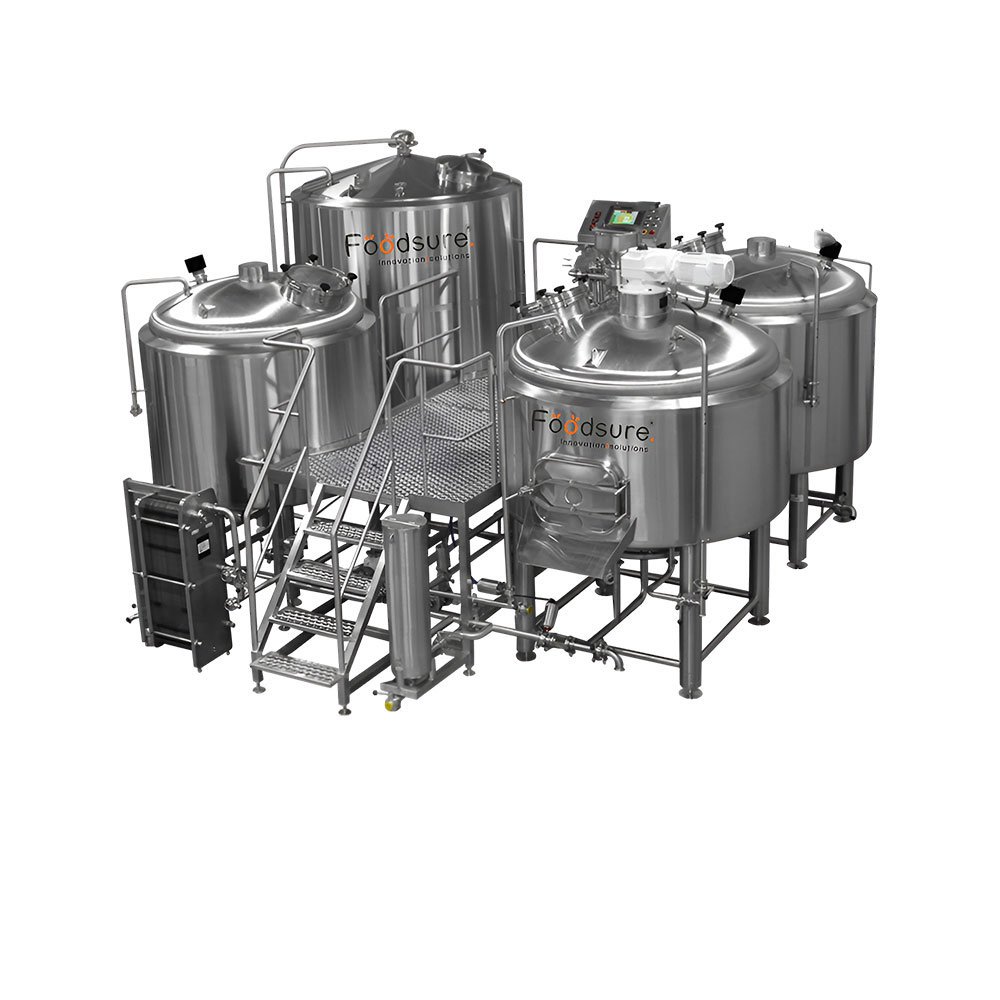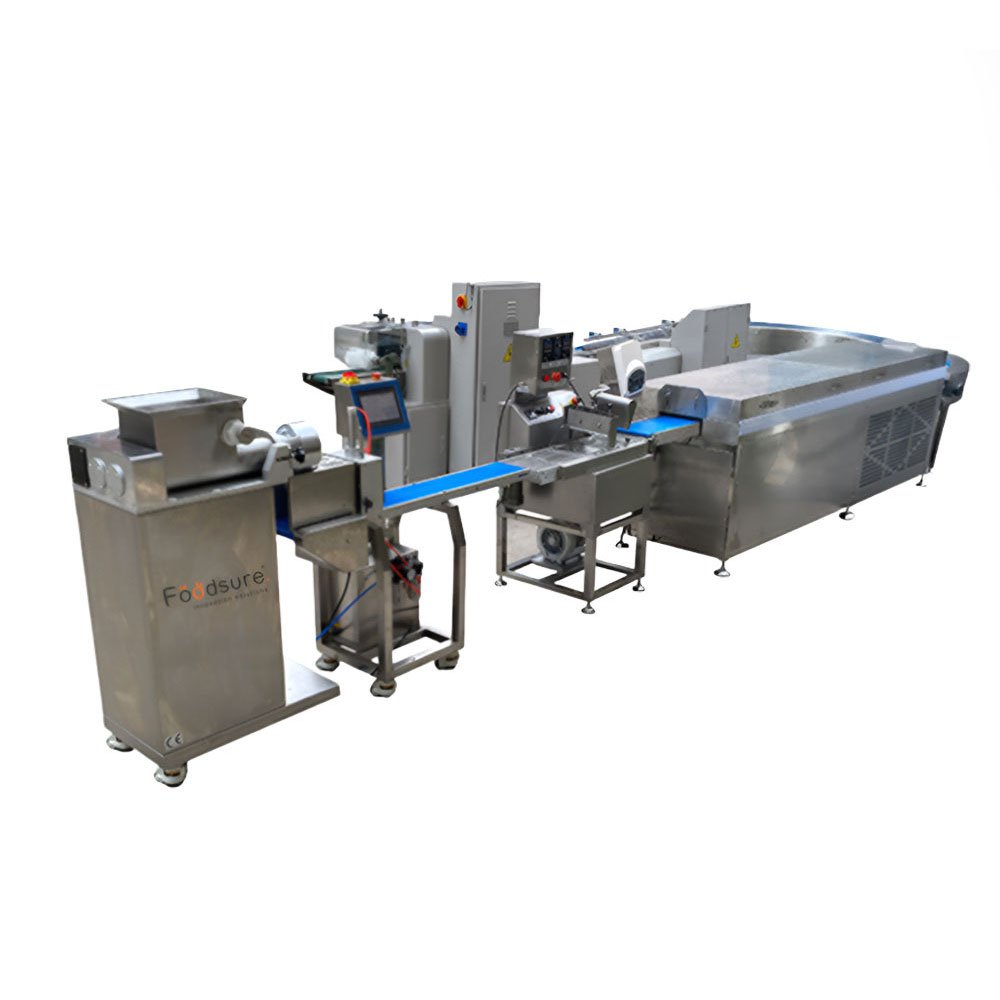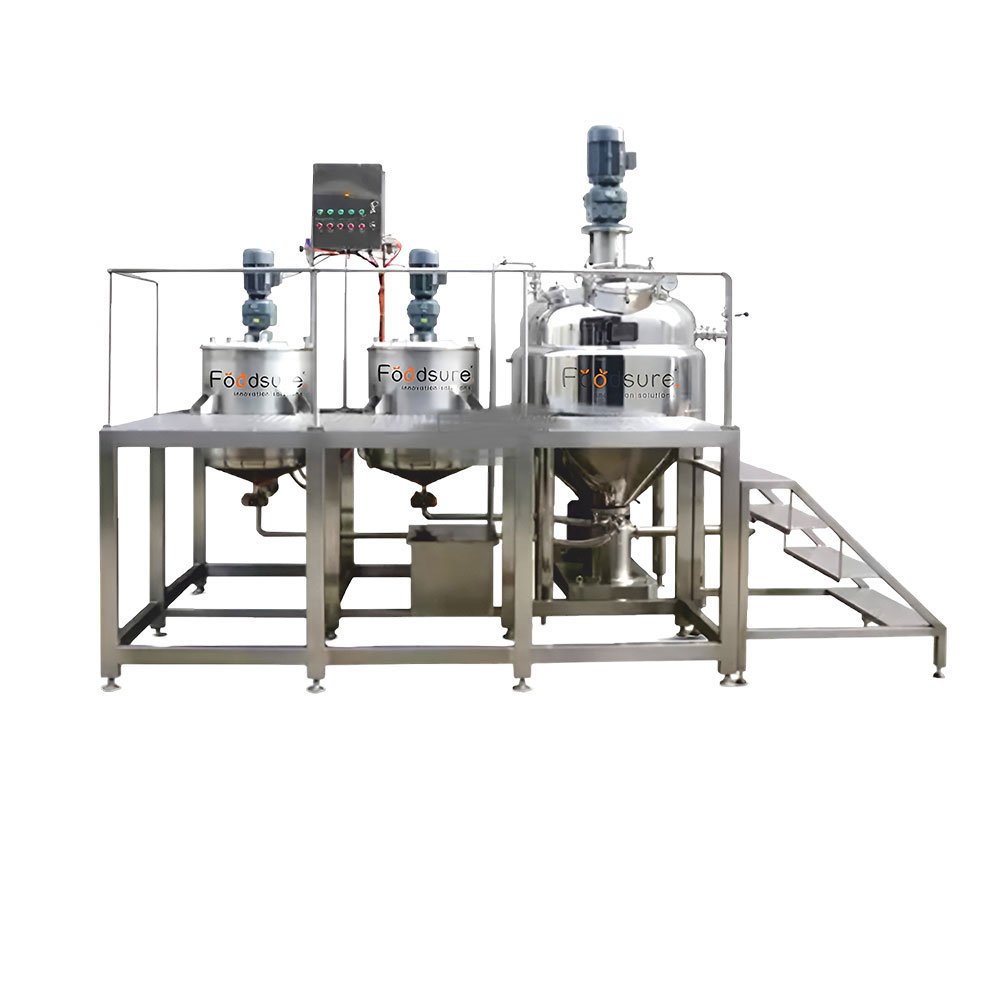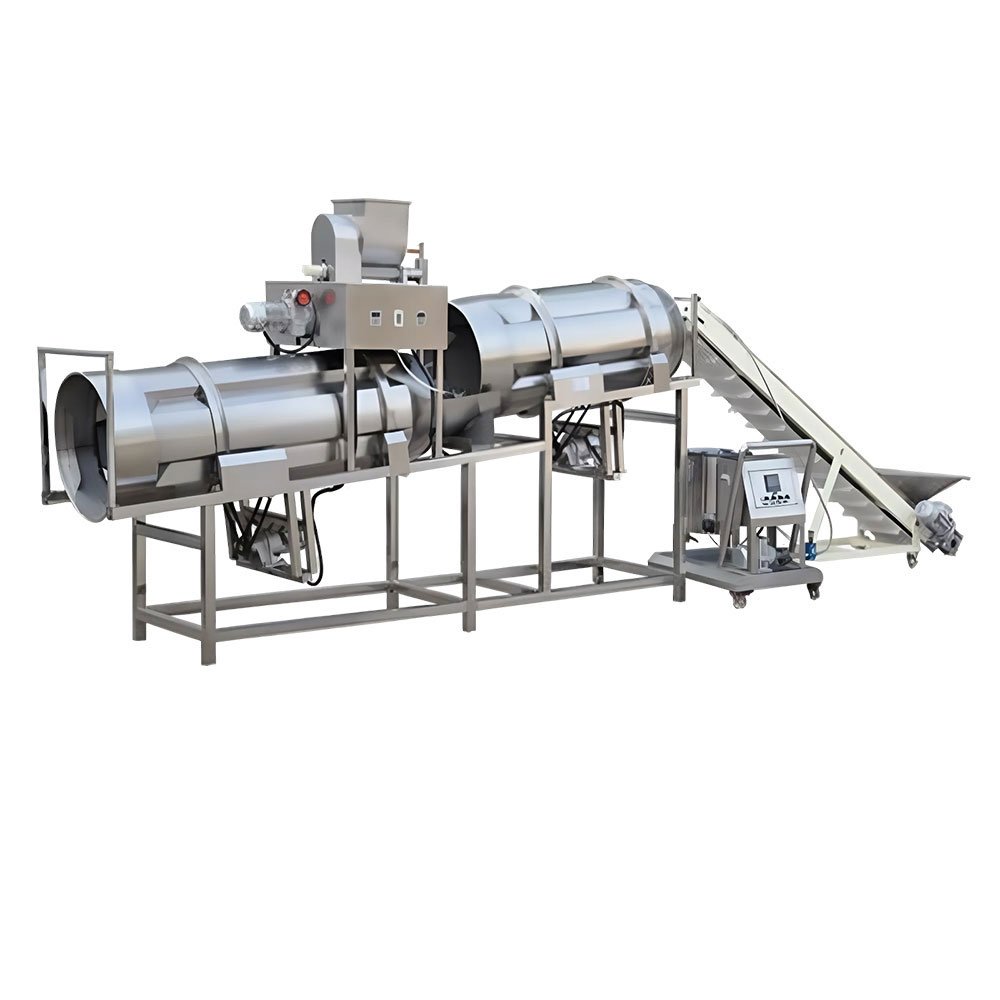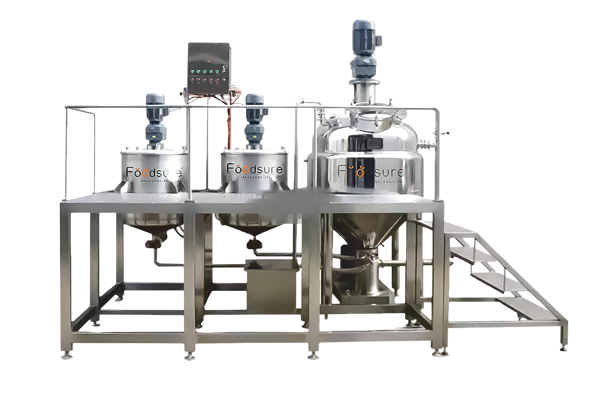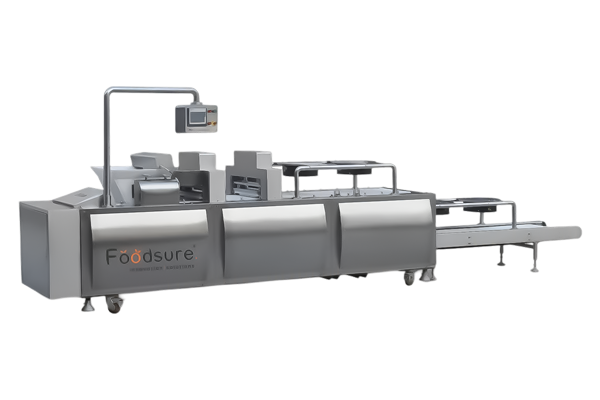

Thinking to buy makhana extrusion equipment for village use? Make a confident, informed purchase. The right makhana extrusion machine becomes the engine of your local business. Most first-time buyers focus on price or output and miss the deeper questions that actually matter, like how it handles your raw material, or if it fits your team’s current skill level. This checklist of 7 key questions will help you avoid expensive mistakes, choose smarter, and make sure your investment delivers results.
Why The Right Makhana Extrusion Machine Matters For Rural Units
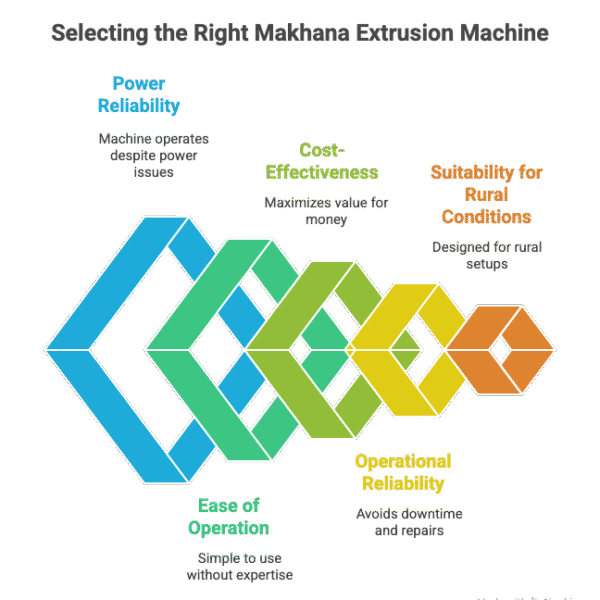
- Power isn’t always reliable. Your small-scale makhana processing machine should still run when the voltage dips or the grid gets shaky. That’s just the reality in many village setups.
- You won’t always have a big team. The makhana extrusion machine kit needs to be simple to operate; no engineering degree required. If two people can manage it, that’s a win.
- Every rupee counts. This isn’t about buying the cheapest machine. It’s about buying the one that actually works for your setup and makes every input count.
- The wrong machine won’t just slow you down; it can stop your entire operation. Small-scale makhana processing machine built for other contexts often fail in rural conditions. That leads to downtime, repairs, and frustration.
- You need a makhana machine kit that’s built for how you work, not how city factories work. Compact. Easy to clean. Minimal maintenance. Ready to run in real-world conditions.
7 Smart Questions Before Buying A Makhana Extrusion Machine Kit
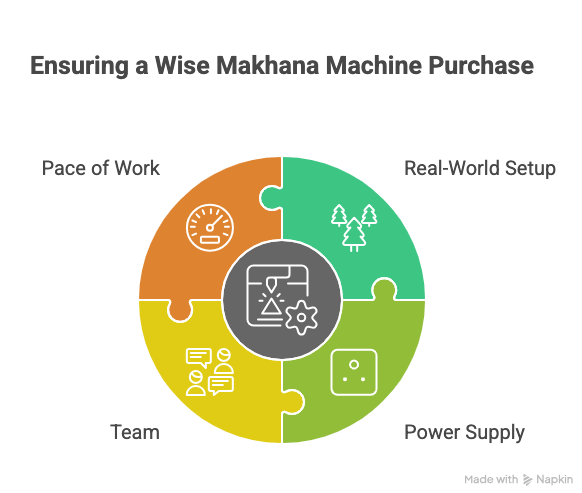
Let’s be honest: buying a makhana extrusion machine kit in India isn’t just about ticking specifications off a brochure. It’s about how well that commercial makhana extrusion machine for villages fits your real-world setup, your power supply, your team, and your pace of work. Too many people skip the right questions and end up with equipment that looks good on paper but fails on the floor. Let’s not do that. These seven questions will help you see clearly before you commit. Ask them now, and you will thank yourself later.
Curious how real rural units are using the right extrusion kits to grow? The Success Story of Makhana Processing in Rajkot
1. Can Your Makhana Extrusion Machine Run on Rural Power?
- Most rural units run on single-phase electricity. Many commercial makhana extrusion machine for villages require three-phase power, which is harder to access and more expensive to install.
- Stick to low-power machines. Look for something in the 3–20 kW range that can run on single-phase or low-load three-phase.
- Power cuts are real. If the best makhana equipment for small-scale manufacturing kit can also run on LPG, you’ve got a solid backup that keeps work moving.
- Why it matters: You won’t waste money upgrading infrastructure or dealing with installation delays. You get a smoother start and fewer surprises later.
2. What Is the Hourly Output, and Can I Scale It Later?
Hourly output isn’t just a specification; it’s how you match production to your actual goals. For most SHGs or FPOs, machines in the 25–100 kg/hr range cover early-stage needs. If you are planning batches of 25–50 kg at a time, make sure the kit delivers that efficiently. Ask how easily you can scale up later. Can you add a second line? Swap in a larger hopper? Automate a few steps? A scalable makhana extrusion machine kit means you don’t need to start from scratch when demand grows.
3. Will This Makhana Extrusion Machine Process Both Popped and Raw Makhana?
- More input options mean more sourcing flexibility. A best makhana equipment for small-scale manufacturing kit that processes both types gives you the freedom to work with whatever is available or affordable.
- Inflexible machines lead to real losses. Makhana extrusion machine in India that jams or overheats mid-run causes downtime you can’t afford, especially where tech help isn’t nearby.
- Look for smart design. Temperature control, moisture tolerance, and smooth extrusion matter. These are the things that keep your unit running batch after batch.
4. Can Semi-Skilled Workers Operate the Makhana Extrusion Machine?
Makhana machines for rural use should be designed for first-time users, even for someone who’s never touched industrial equipment before. Clear buttons, labeled indicators, and direct instructions go a long way in avoiding mistakes and keeping things moving.
The better suppliers, like Foodsure Machines, don’t just drop off the machine; they walk you through it with training that fits real village conditions. When machines are designed with people in mind, productivity rises and downtime falls without needing an engineer around.
See it in action before you buy — Book a free demo
5. What After-Sales Service Is Available in My District or Block?
- On-site service matters. For installation and major issues, having a technician visit your unit is still the gold standard.
- But speed matters too. Remote support via phone support, video calls, or WhatsApp fixes can solve smaller problems fast without waiting days.
- Go with a supplier who does both. A smart support system combines hands-on help with quick digital responses. That keeps your machine running and your time protected.
6. Is the Machine Built with Food-Grade, FSSAI-Compliant Materials?
Let’s be clear: material choice matters, especially when you are dealing with food. Stainless steel (specifically SS304) isn’t just a fancy add-on. It’s what keeps your makhana safe during processing.
Some best makhana extrusion kit for production scale machines even come with CIP systems, Clean-In-Place, which means internal cleaning happens without taking the machine apart. That saves time, cuts down labor, and keeps things consistent. If you are aiming for quality, safety, and less hassle, SS304 and CIP compatibility aren’t optional; they are essential.
7. What’s the Total 3-Year Cost, Not Just the Purchase Price?
Choose a vendor who plans with you. Local support, fair AMC pricing, and available spares keep things running and costs under control.
| Cost Component | Year 1 (₹) | Year 2 (₹) | Year 3 (₹) | Total (₹) | Notes |
|---|---|---|---|---|---|
| Machine Purchase Price | 1,65,000 | – | – | 1,65,000 | One-time upfront investment |
| AMC (Annual Maintenance) | 0 | 12,000 | 12,000 | 24,000 | Optional; covers service visits, checks |
| Spare Parts (Avg. Usage) | 3,000 | 5,000 | 5,000 | 13,000 | Includes belts, bush, heating coils, etc. |
| Electricity (Avg. Monthly ₹850) | 10,200 | 10,200 | 10,200 | 30,600 | Based on 2–3 hours/day use |
| Operator Wages (Optional) | 36,000 | 36,000 | 36,000 | 1,08,000 | If outsourced; based on ₹3,000/month |
| Unplanned Downtime Cost | 2,000 | 3,000 | 3,000 | 8,000 | Estimated cost of raw material or time lost |
Now that you know the price range, it’s smart to see who’s offering real value. Read more: Top Makhana Machine Companies in India
Final Thought: Buy For Today, Build For Tomorrow
At Foodsure Machines, we believe a makhana extrusion machine kit should do more than run; it should build futures. Our machines are made for rural use: durable, easy to operate, and low on maintenance. When local units have the right tools, they don’t just process better makhana, they create jobs, raise incomes, and spark real village entrepreneurship.
Get a Custom Quote Based on Your Unit’s Capacity!
Reach out to us anytime via phone or email.
FAQ
1. What is the cost of a makhana extrusion machine?
Typically ranges from ₹1,50,000 to ₹6,00,000 depending on capacity and automation.
2. Is the makhana extrusion machine business profitable?
Yes—high demand and low processing cost make it a strong profit-margin business.
3. How to start a makhana extrusion machine–based business?
Get raw makhana, purchase an extrusion machine, set up power supply, and start production.
4. Who is the largest supplier of makhana extrusion machines?
Several leading Indian manufacturers supply extrusion machines at industrial scale.
5. How much output does a makhana extrusion machine give?
Most machines deliver 30–200 kg per hour depending on the model.
6. Which city is famous for makhana extrusion machine manufacturing?
Patna and Delhi are well-known hubs for makhana machinery production.
7. In which state are makhana extrusion machines the cheapest?
Prices are generally lowest in Bihar due to local manufacturing.
8. How much does a makhana extrusion and packaging machine combo cost?
Combined units usually range from ₹2,50,000 to ₹10,00,000.
9. What license is required for a makhana extrusion machine business?
You typically need an MSME/Udyam registration and a basic FSSAI license for food processing.
10. How much does a makhana extrusion machine cost?
A makhana extrusion machine generally costs between ₹1,50,000 and ₹6,00,000 depending on capacity.
11. How to start exporting makhana processed through an extrusion machine?
Register with DGFT, obtain an IEC code, ensure FSSAI compliance, and partner with export buyers.