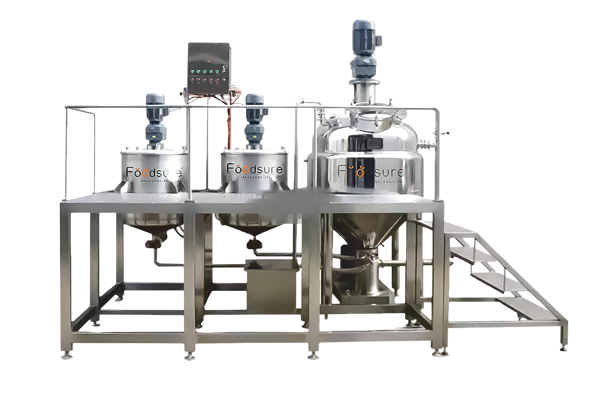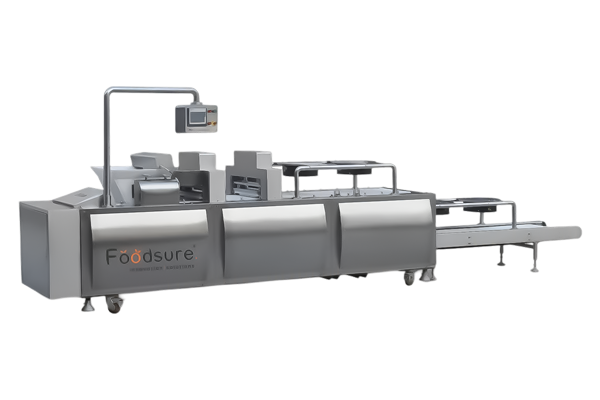

If you are looking for how to start a mayonnaise business in India, this blog could be the motivation for your automated mayonnaise production setup for food startups. You need a modest mayonnaise machine for low-investment food factories in India, managed to grow its sales to ₹5 crore help of one smart automated machine, no large team, no fancy setup, just the right move at the right time.
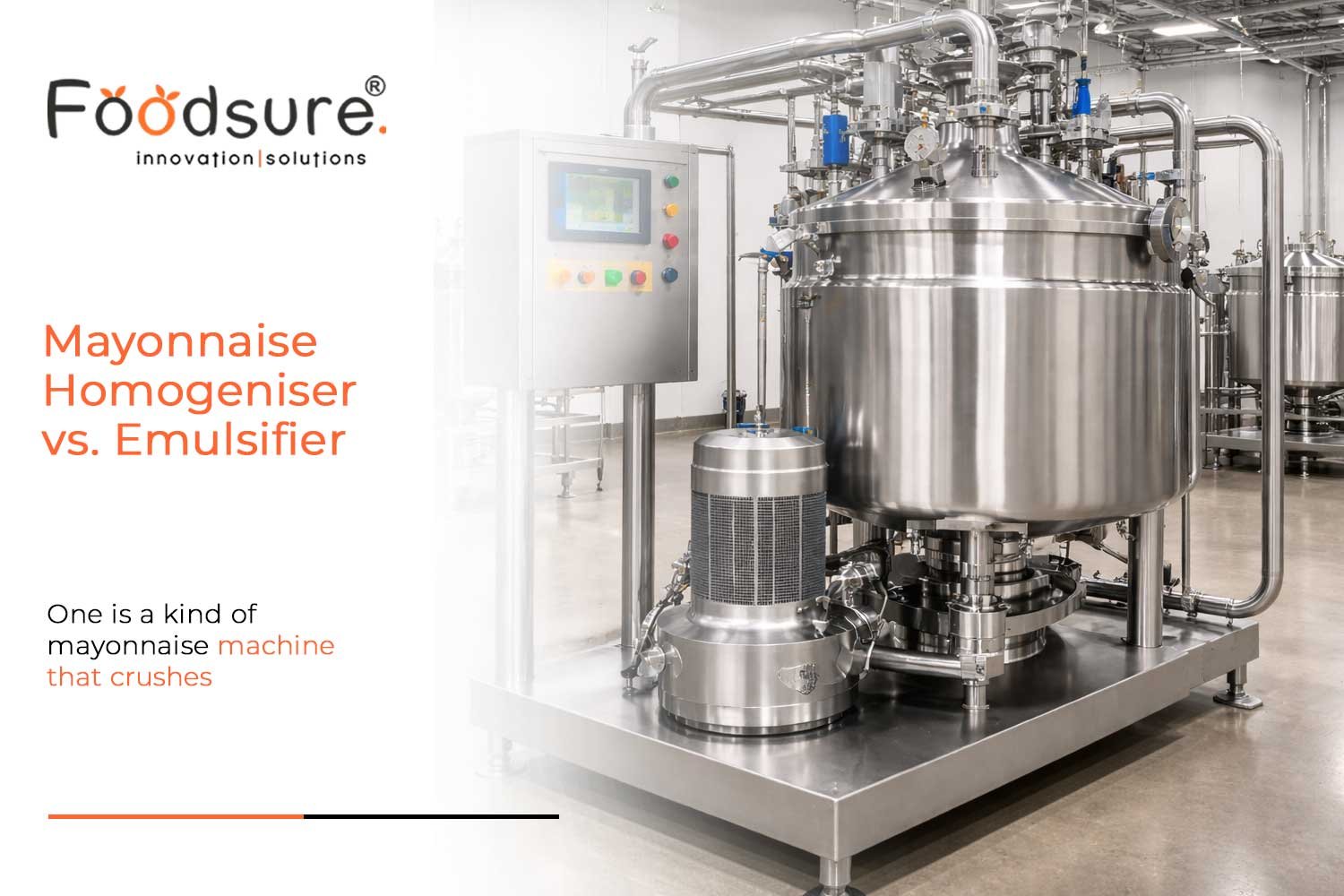
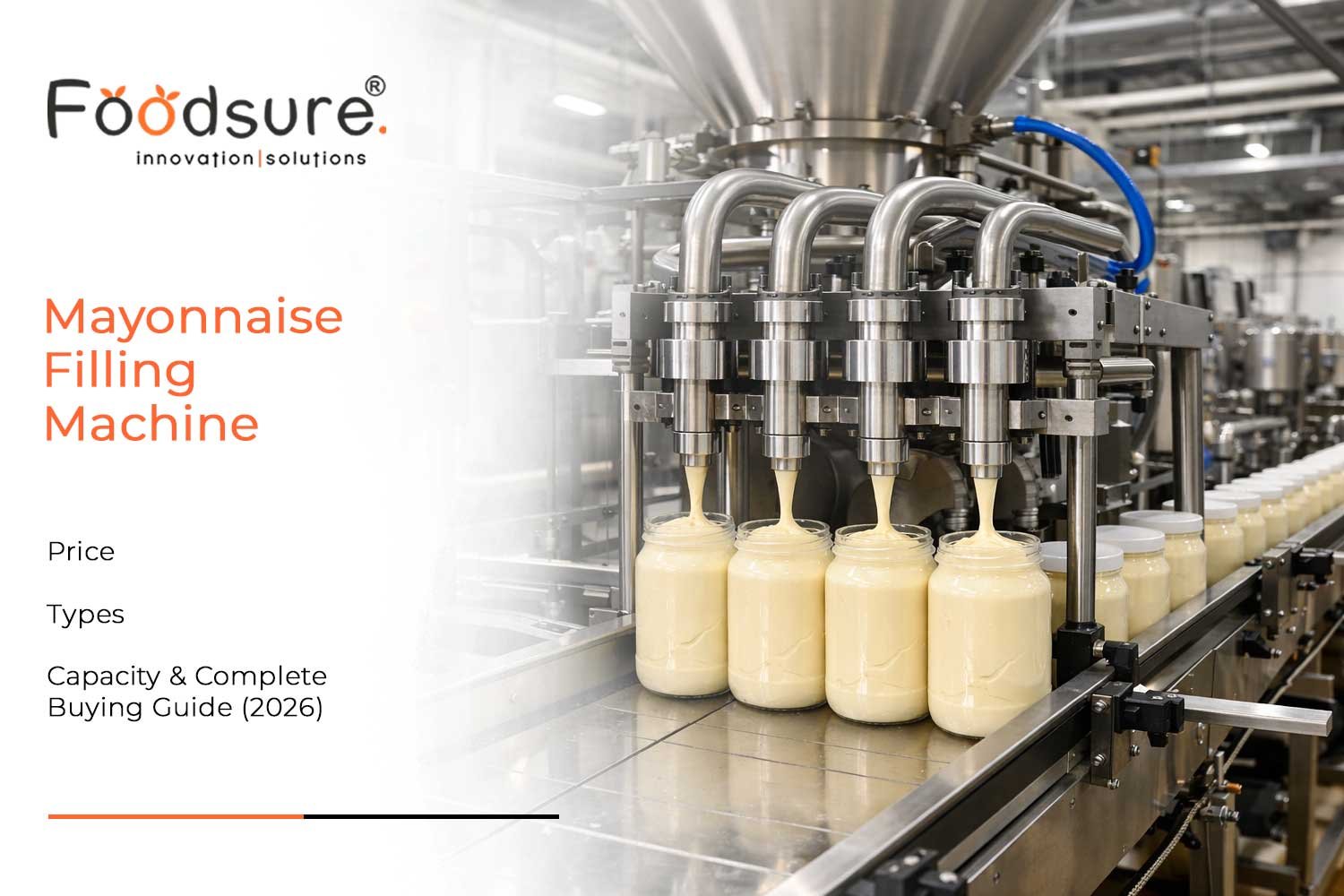
When it comes to a mayonnaise-making machine for small businesses, it helps them save on labor, speed up production, and ensure batch-to-batch reliability. As the demand best machines for mayonnaise production units kept growing in India, they grabbed the opportunity and grew fast.
Why India’s Mayonnaise Market Is Booming?
Let’s take a look at why the demand for mayonnaise machines for low-investment food factories is growing in India. Best machines for mayonnaise production units are growing fast, with a projected 24.8% annual growth rate between 2025 and 2034.
I think we’ve all seen that burgers, wraps, sandwiches, and salads. Mayonnaise is everywhere now, with the rise of western-style meals in India, it’s not just something you find in cafés or fast-food joints anymore; it’s in everyday kitchens like yours and mine. There is a rising demand for eggless, low-fat, and vegan options, especially among health-conscious individuals and those following a vegetarian diet.
Read more: Mayonnaise Market Trends 2025: Global Demand & Growth Opportunities
How To Start A Mayonnaise Business In India with Automation
Let’s take a moment to talk about how to start a mayonnaise business in India. The dream was simple: to grow and be known in the market. But like many small food businesses, which struggled with limited resources and a small team, the rising demand quickly became overwhelming for them.
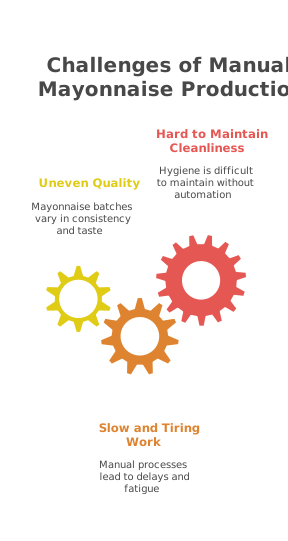
Before Automation: Challenges Of Manual Mayonnaise Production
Before adopting food processing automation, there were problems that small units struggled with that made progress nearly impossible. Let’s take a deep look at it.
- Uneven Quality: If we talk about the equipment at that time, there was no proper equipment, and every batch turned out a little different. If the mayonnaise was too thick or too watery, then it was very hard to make the mayonnaise taste the same every time, and when that happens, it tough to earn people trust or keep your customers coming back.
- Slow and Tiring Work: In the early days, everything was done by hand, even adding ingredients to the mixing. This took a lot of time and energy, especially with a small team, because the process was so slow, they lost out on bulk clients due to delays.
- Hard to Maintain Cleanliness: Most of us already know that back then, mixing was a slow, repetitive task with no machinery to assist. Quality varied, bulk orders were delayed, and keeping things hygienic, especially when handling raw ingredients, was a constant challenge.
These problems weren’t just slowing things down, but also they were hindering their momentum.
After Automation – What Changed For The Start a Mayonnaise Business in India
Once they brought in a small-scale food factory for mayonnaise production, things started to turn around fast.
- Smarter Production with Consistent Results: Every batch came out the same with no changes in taste or texture. By carefully controlling how the single ingredients were mixed and in what amounts, this process removed all the guesswork. It gave them a reputation for reliability that buyers could count on.
- Maximized Output with Minimized Manual Labor: This machine automatically adjusts everything, streamlining production from mixing to packing, so the team could handle larger orders without burnout. Each batch turned out competitive edge, reliably, and of high quality, earning the trust of returning customers. Also, you can handle this with the same small manual team; they could handle more orders and say yes to new customers with confidence.
- Cost Optimization Through Process Automation: When you reduce manual mistakes and ingredient waste, fewer hands are needed, and a smarter use of resources, profits start to rise without increasing stress.
- CIP-Enabled Systems for Safe and Efficient Production: To make the product hygienic, this machine make it easier than ever. Built with food safety in mind, it cleaned itself (via built-in CIP systems) and kept raw ingredients from being mishandled. That meant fewer risks and more confidence in every batch.
Before food processing automation, they were always catching up. After food processing automation, they finally got ahead. This automation step helped them deliver better, grow a small-scale food factory for mayonnaise production, and build an automated mayonnaise production setup for food startup success that’s ready for tomorrow.
Read More: How to Start a Mayonnaise Manufacturing Business
From Investment To Income: The Real ROI Of Mayonnaise Automation
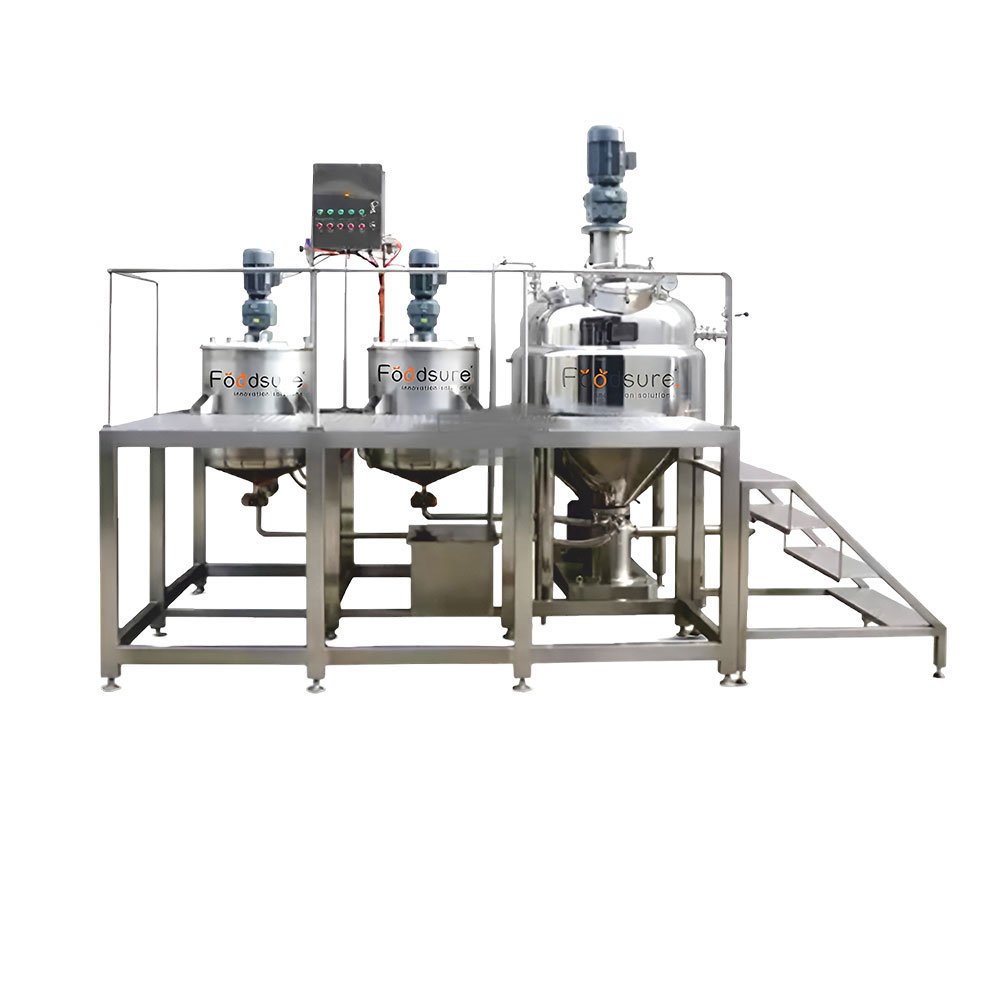
Investing in a mayonnaise-making machine for a small business might seem like a big decision at first, but it has turned out to be the smartest move they have ever made. Let’s break down the actual return on investment (ROI) and understand why this one machine changed the demand.
| Item | Estimated Cost (INR) |
|---|---|
| Mayonnaise Machine (300–500 L/hour capacity) | ₹7–₹12 lakh |
| Installation, training & setup support | ₹50,000–₹1 lakh |
| Utility Setup (Power, Water, Drainage) | ₹80,000–₹1.5 lakh |
| Packaging Unit (optional, pouch/jar filler) | ₹1.5–₹3 lakh |
| Gross Revenue | ₹10,00,000/month |
| Production Cost (₹55/liter) | ₹5,50,000/month |
| Gross Profit | ₹4,50,000/month |
Read More: Mayonnaise Plant Losing Profit? 7 Mayonnaise Machine Mistakes to Avoid
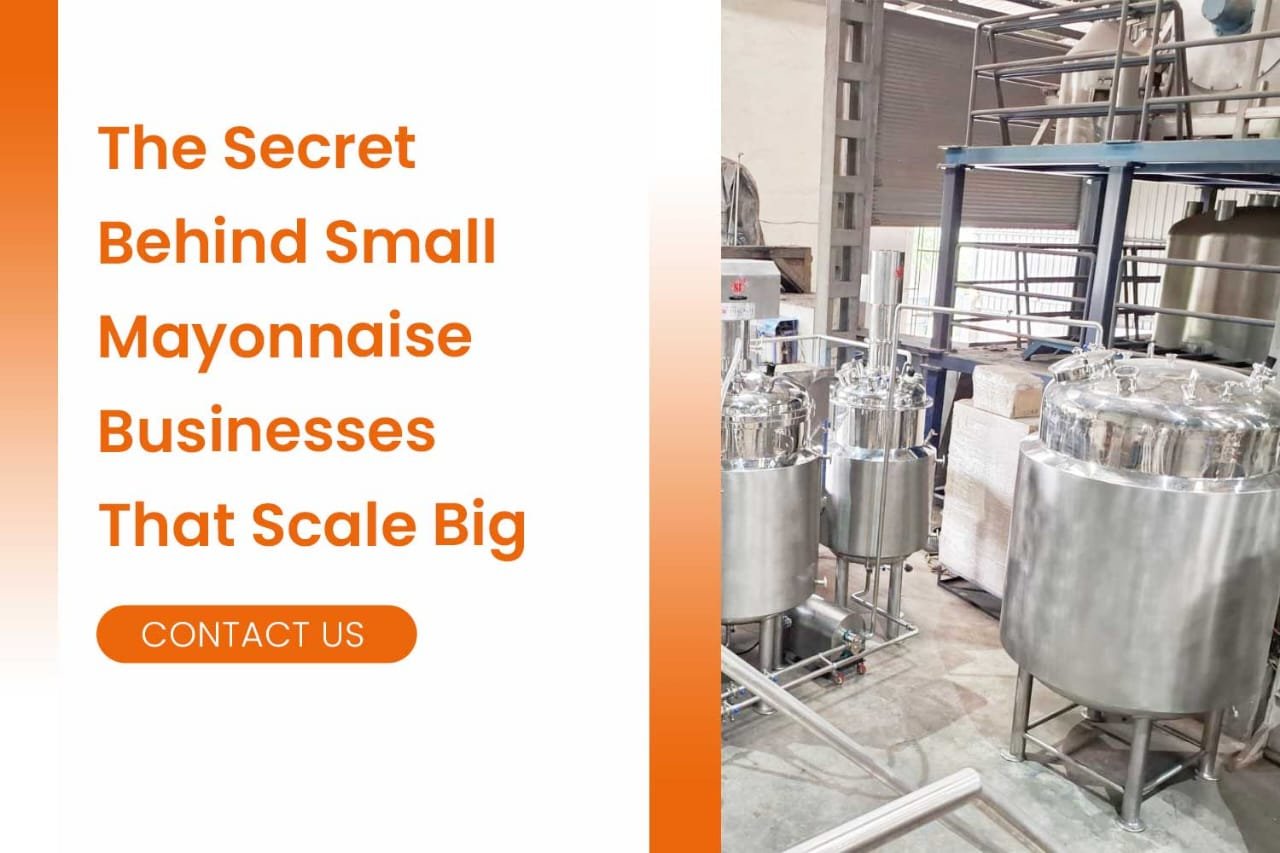
The Secret Behind Small Mayonnaise Businesses That Scale Big
We are trusted by processed food businesses like yours all over the world. 12+ years of experience and happy clients in more than 7 countries, our experts know what it takes to help you grow. It’s creating your mayonnaise recipe, setting up production, or handling legal approvals; we’ve got everything covered in one place. Our smart planning can also help you save up to 40% on setup costs. If you are looking to grow a food business with the right support, Foodsure Machines is the partner you can count on from day one.
FAQs
1. How do I start a mayonnaise business in India?
Begin with a small production unit, get licenses, and choose the right mayonnaise machine.
2. What licenses do I need?
You need FSSAI, GST, and local trade licenses.
3. How much investment is required?
A small unit can start with ₹5–12 lakh including equipment and setup.
4. Which machine is essential to start?
A small-scale mayonnaise making machine with emulsification and mixing controls.
5. Can I start from a home kitchen?
Only for sampling; commercial production needs a licensed workspace.
6. What is the ideal production capacity for beginners?
20–100 L batch machines work well for startups.
7. Which ingredients are needed?
Oil, egg/eggless premix, vinegar, seasonings, stabilizers.
8. How do I ensure product consistency?
Use a vacuum emulsifier and follow fixed batch recipes.
9. Where can I sell my mayonnaise?
Local stores, cafes, cloud kitchens, distributors, and online platforms.
10. Is branding important for mayonnaise?
Yes, packaging and flavor variety strongly influence repeat sales.
11. How much profit margin can I expect?
Margins typically range from 25–50% depending on scale.
12. Which company offers reliable machines for beginners?
Foodsure Machines provides small-scale to industrial mayonnaise units with full support.