Protein bars are one of the fastest-growing healthy snacks in India today. In this guide, you’ll learn exactly how to make protein bars step-by-step, from choosing the right ingredients to perfecting your recipe. Plus, discover modern Protein Bar Machines that help small food businesses produce consistent, hygienic, and market-ready bars with ease. Start turning your protein bar idea into a profitable snack business today
What Are Protein Bars Made Of? Ingredients and Purpose Explained
Protein bars are small snacks that are concentrated sources of nutrition that making them a quick and easy food and protein source that gives energy and nutrients.
How protein bars are made and common ingredients in protein bars:
- Protein powder (whey, soy, or pea)
- Oats or puffed grains
- A natural sweetener (honey or dates)
- Nut butter or a binding agent
It is also very common to see different flavorings, seeds or grains, and some form of dried fruit in many of the recipes of protein bars. The primary purpose or function of protein bar making process for muscle recovery, as a quick meal while on the go, or for daily intake of protein. Knowing the basic ingredients is the first step to creating a well-balanced protein bar as a small food entrepreneur.
Why Protein Bars Are the Next Big Snack Trend
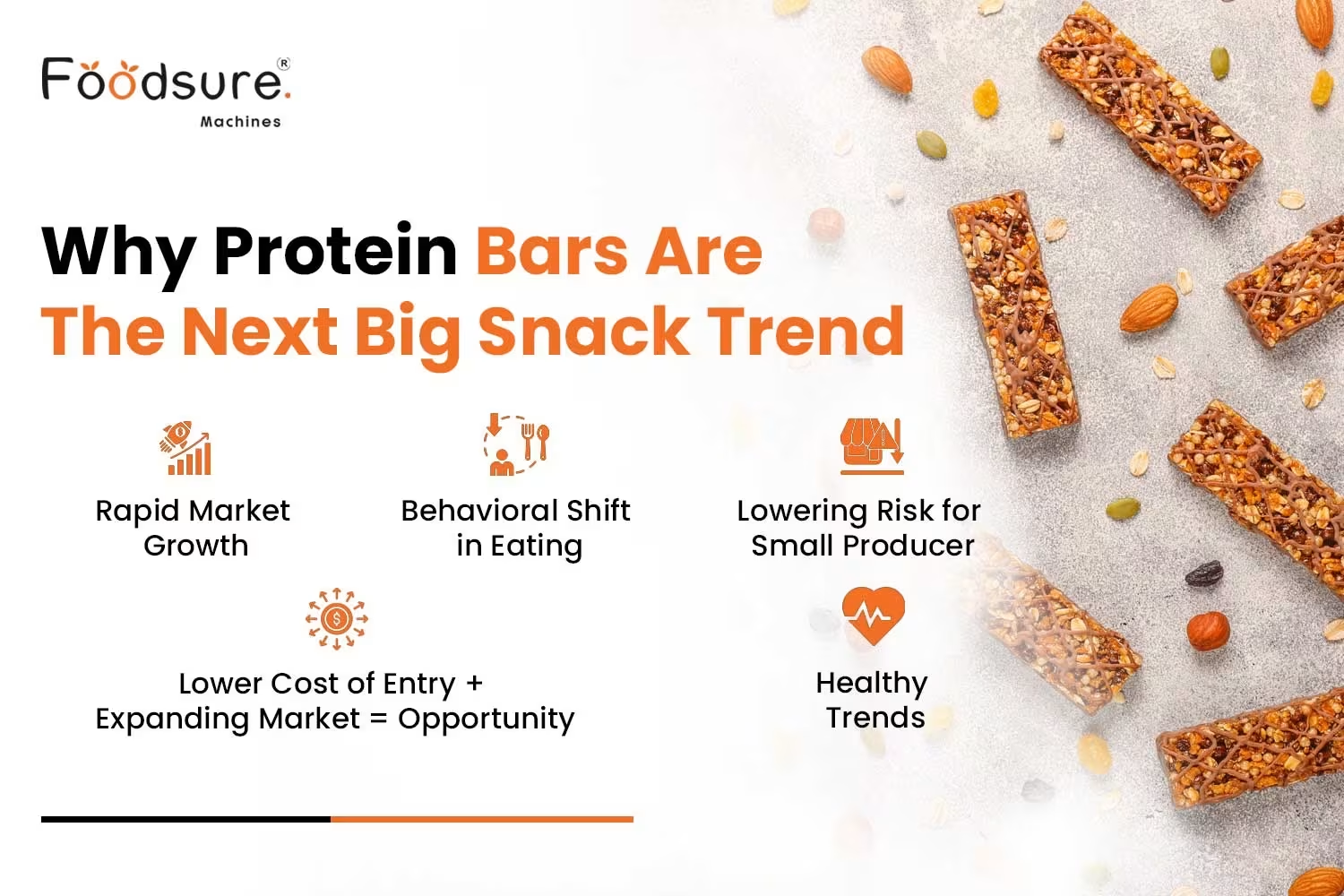
- Rapid Market Growth: Due to an increase in demand for healthy, on-the-go snacking options, the protein bar market is growing rapidly in India. The protein bar market is already a billion-dollar market worldwide, and India represents a large, growing, untapped market.
- Behavioral Shift in Eating: Protein bars are consumed outside of the home, especially with many going to the gym, taking them out of the home to the office, or even at home instead of biscuits and chips.
- Lowering Risk for Small Producer: The low cost of ingredients, as well as the low-cost protein bar machines, lowers the risk of an initial investment for small producers to access this growing market.
- Lower Cost of Entry + Expanding Market = Opportunity: There are lower costs of entry (of production) and more of a market and sales growth in healthful snack food. This presents a win-win for new food producers to introduce a protein bar into this market.
- Healthy Trends: There are more people engaged in and aware of fitness and urban lifestyles, which leads to more demand for easier access to protein-rich and healthy on-the-go snack options.
Step-by-Step: How to Make Protein Bars
-
Step 1 – Prepare the Dry Ingredients
Weigh out the protein powders, oats, seeds, and any flavoring powders if you will use them. Sift together; this is to eliminate lumps and mix evenly. It is also important to provide a structure, next to nutrition, in dry ingredients.
-
Step 2 – Incorporating the Liquid Ingredients
Mix in any nut butter, honey, syrup, or other binding agents. Move this all together thoroughly until it is sticky but still moldable. In general, you do not want to mix for too long, or your bars might become hard.
-
Step 3 – Shape or Extrude
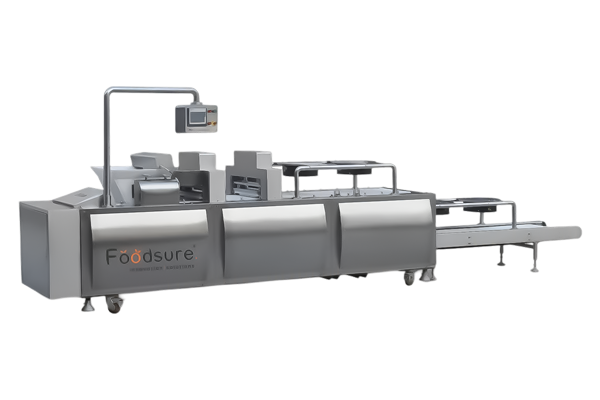
If you have them, use molds, trays, or a Protein Bar Machine to shape your bars so they are uniform and provide the desired shape and size. Press down in molds, trays, and the protein bar making machine as this helps with even thickness and will provide assistance cooling or cooking process.
-
Step 4 – Cool, Coat, Wrap
Cool your bars so they hold their shape. You might coat with chocolate or yogurt. If going to coat, you should do this after completely cooling, while still molding them if using tray(s), molds, or Protein Bar Machine. It is best to wrap Protein bars in an airtight wrap immediately after making for freshness and protein bars fridge shelf life 7 days, and hygiene reasons.
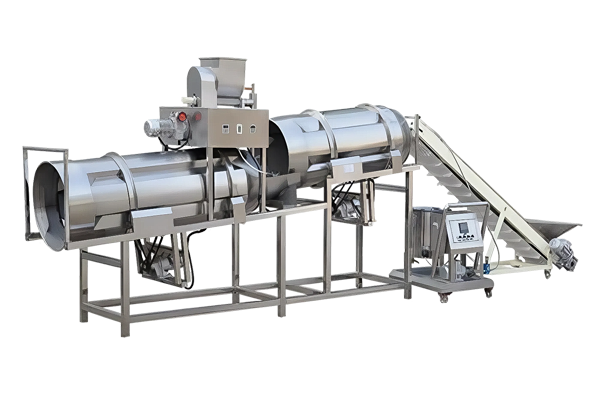
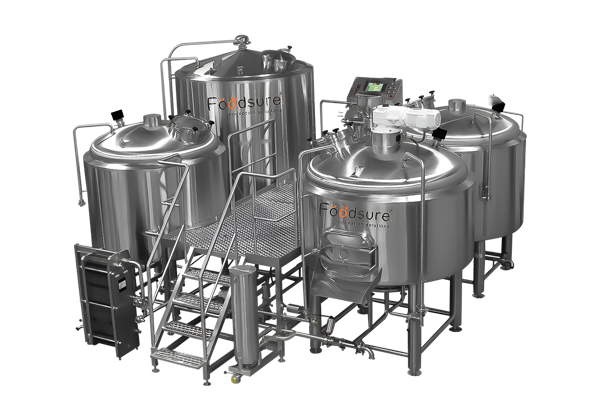
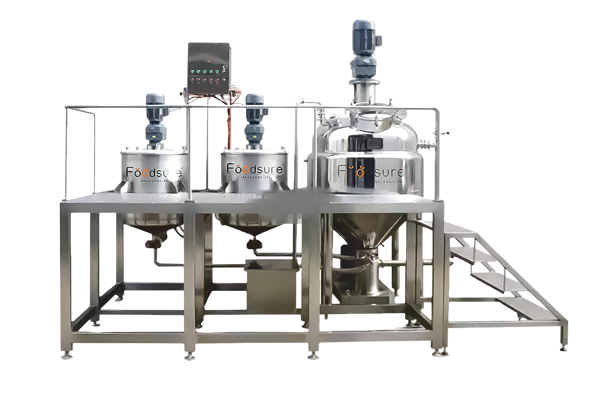
Protein Bar Production Process: Machines and Equipment Overview
The benefits of the Experience protein bar manufacturing process are:
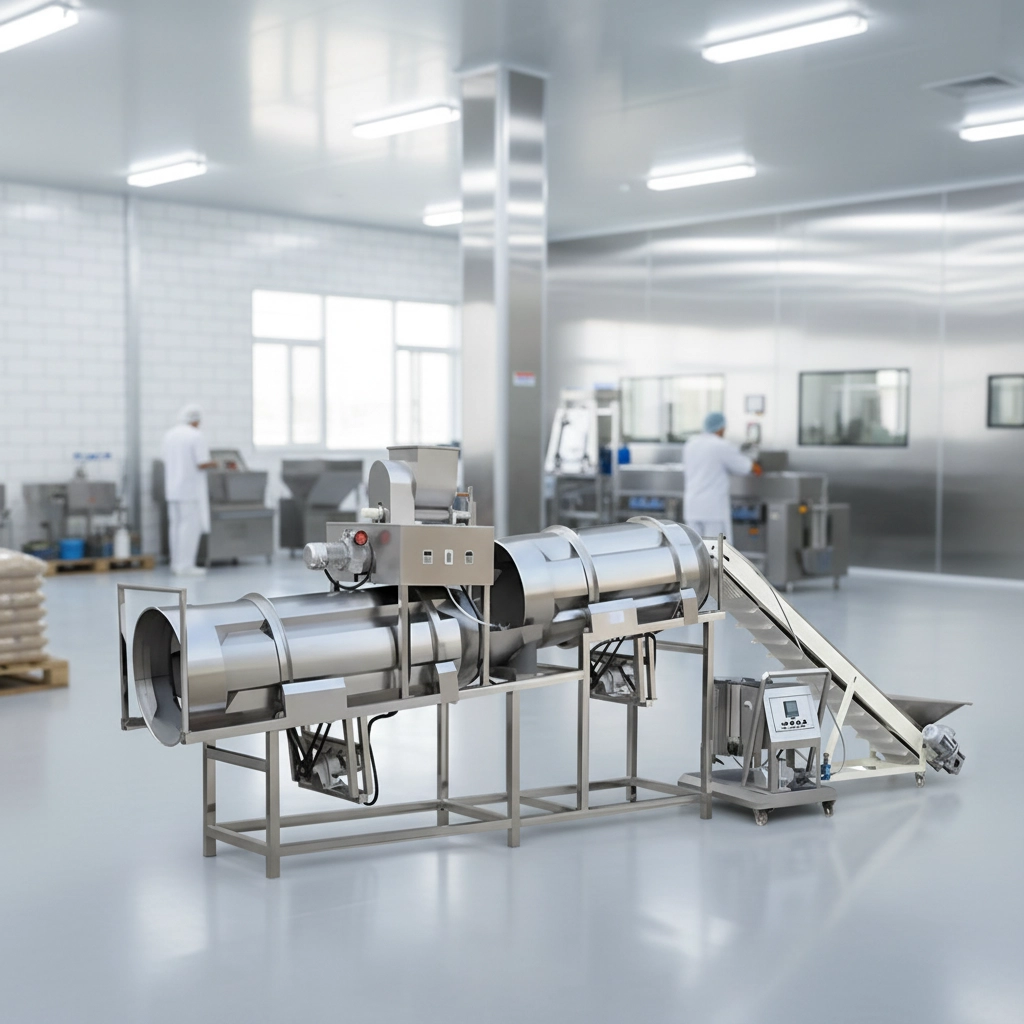
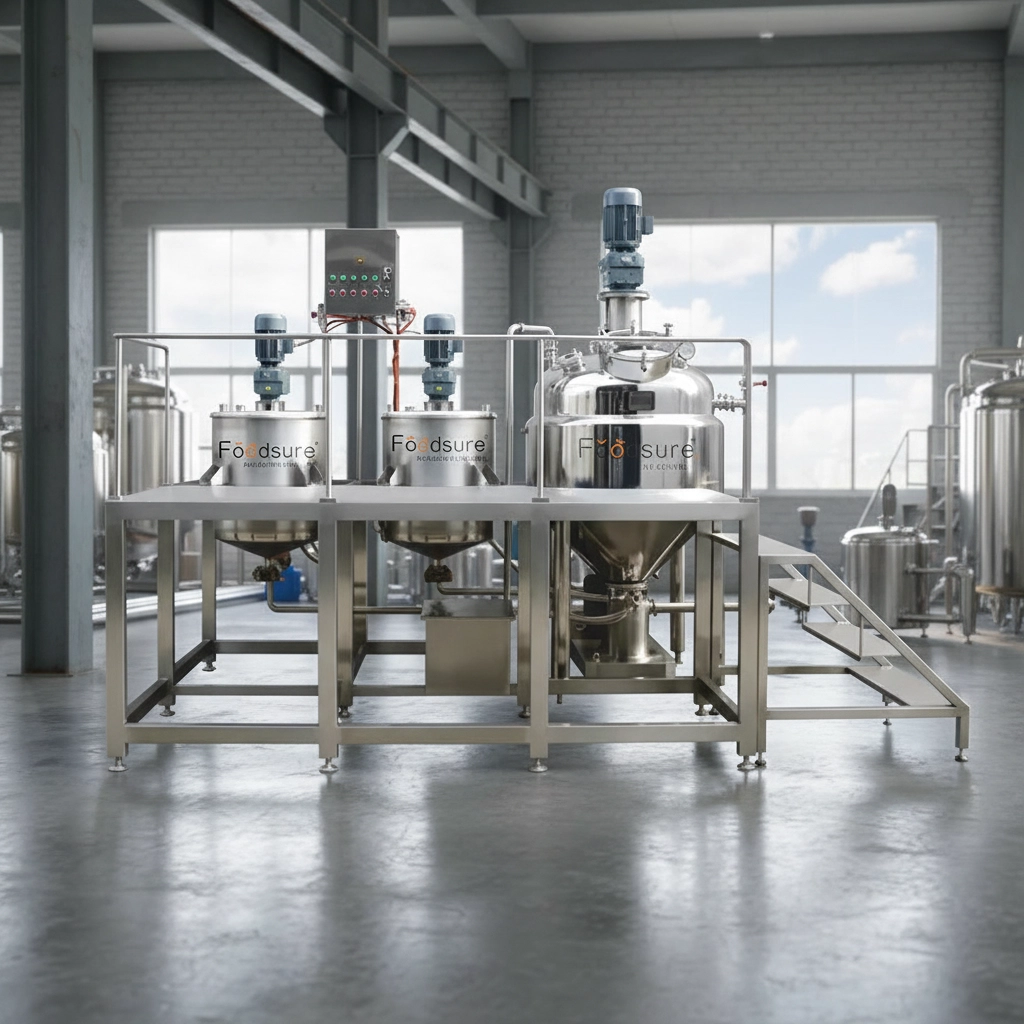
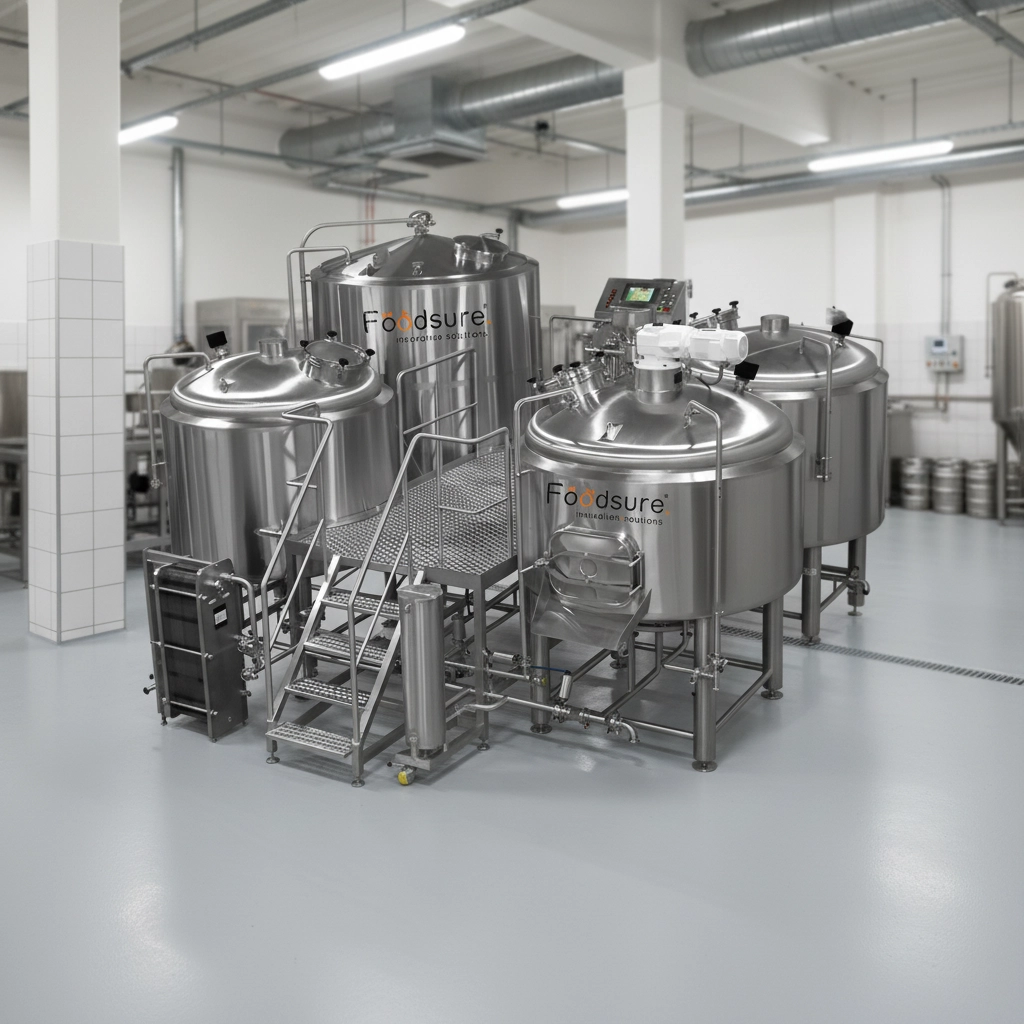
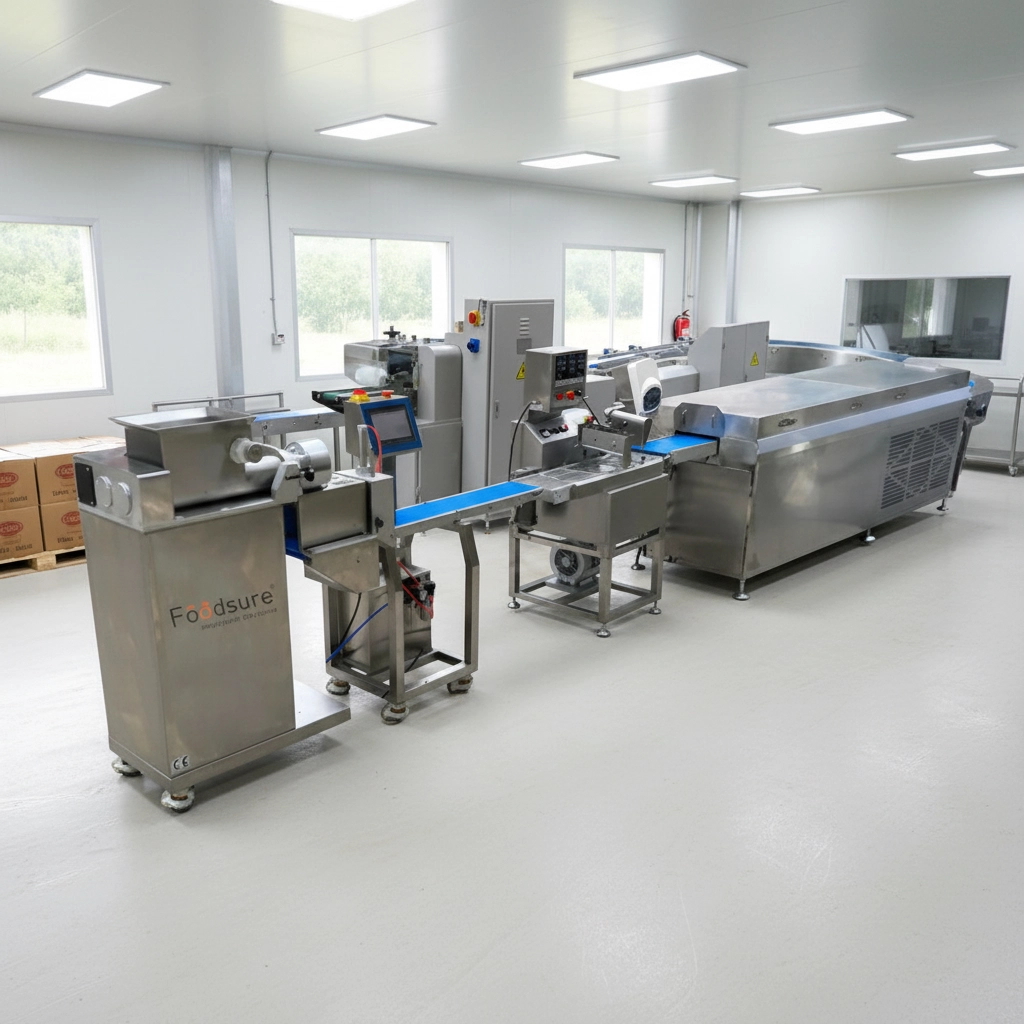
- Automated protein bar manufacturing process: The bars can be mixed, formed, cut, and wrapped with minimal human touch. Speed is consistent.
- Consistent product quality: Each bar will be as consistent as possible in height, weight, and density. This is best from a food safety perspective and in terms of presentation.
- Technical specifications: Capacity: 50-500 kg/hr (this is the load for what you need), Bar size: 25-80 g, Power: 5-7 kW, Base: capacity for any base – nut based, cereal based, enrobing, etc.
- Options: cooling tunnel, chocolate enrobing line, flow wrap line etc, There is flexibility for small batch or large batch.
- Small scale: Upon demand (10-50kg/hr), suitable for new business or R&D trials.
- Large scale (100-500kg/hr) suitable for commercial scale.
How to Fix Common Problems When Make Protein Bars
Even when using a good recipe, you may face some potential problems when preparing a protein bar:
- Bars are too dry or crumbly: This could often be a result of too little binder (i.e., nut butter, syrup, or honey). I would try to increase the binder slowly, and the mixes should come together in a nice cohesive state, but not sticky.
- Bars are sticking to the roller or mold: If your mixture is too soft/warm, it will stick to the roller or mold. You will want to put it in the refrigerator for approximately 10-15 minutes and dust the surface of the mixture with protein powder or flour.
- Bars have an inconsistent texture: Consider your mixing process. All ingredients should be mixed evenly. If you are extruding the ingredients, ensure the pressure is applied evenly each time, or the extrusion will have areas of density or airiness.
How to Turn Your Protein Bar Recipe into a Profitable Business
Transitioning the experience from creating a recipe at home your own to the other side of having an actual small-scale protein bar production process requires preparation. Start building a full budget, including predicted expenses for: Ingredients, Packaging, Equipment, which could include a protein bar manufacturing equipment that allows you to create the actual protein bars consistently.
Small-scale may mean some different things, but from a reasonable view, small scale could mean producing ~100 kg a day. Once you get to that stage, you can begin to calculate profits based on both your ingredients and the price you will charge for your product.
You will need to ensure you are compliant with FSSAI licensing and any food safety processes before selling a food product to the general public, is extremely important.
Conclusion
With Foodsure Machines, turning your protein bar concept into a business is easy and reliable. From our dependable Protein Bar Machines, you will get the same quality product every time and a quicker production process with simple, small-scale, or industrial setups designed to help entrepreneurs get recipes from idea to profitable and market-ready product.
Request Your Free Quote Fast
Please reach out to us anytime via phone or email.
FAQ
Who invented protein bars?
Early modern protein bars were popularized in the 1980s by sports nutrition companies, not a single inventor.
Who is the founder of the first protein bar brand?
PowerBar was founded by Brian Maxwell, a marathon runner and entrepreneur.
Why did founders start protein bar companies?
To solve the need for convenient, portable nutrition for athletes and busy lifestyles.
How did protein bar founders validate demand?
By targeting gyms, athletes, and endurance sports communities first.
What inspired founders to enter the protein bar market?
Personal fitness struggles and lack of clean, high-protein snack options.
Are most protein bar founders athletes?
Many are ex-athletes or fitness enthusiasts, but not all.
What mistake do protein bar founders regret early on?
Focusing too much on taste or protein alone instead of ingredient transparency.
How do protein bar founders differentiate their brand?
Through clean labels, unique protein sources, and specific diet positioning.
What challenges do protein bar founders face first?
Shelf life, texture consistency, and scaling manufacturing.
Can a solo founder build a protein bar brand?
Yes, many successful brands started with one founder and a small kitchen.