The transition from artisanal mayonnaise production to bulk manufacturing presents a major challenge for food manufacturers who want to compete in the market. The achievement of industrial success depends on both recipe development and the ability to control fluid dynamics and organic chemistry processes. To achieve success, brands need to comprehend how to make mayonnaise and purchase suitable equipment for processing mayonnaise to maintain quality during large-scale production.
The Science of Emulsification: How to Make Mayonnaise at Scale
The industrial process of how to make mayonnaise needs scientific understanding before anyone can begin their work. Mayonnaise exists as a high-internal-phase emulsion (HIPE) with its two main components. The goal requires skilled workers to achieve a successful oil suspension, which maintains 70% to 80% oil content inside 15% to 20% aqueous solution through egg yolk lecithin, which serves as a connecting agent.
- If the internal temperature during mixing exceeds 28°C, which results in protein denaturation, the lecithin proteins will break the emulsion through separation.
- Home methods produce large oil droplets, while industrial mayonnaise production requires professional methods to create droplets between 2 and 5 microns that produce the signature glossy mouthfeel.
Choosing Your Mayonnaise Processing Machine: Scale & CAPEX
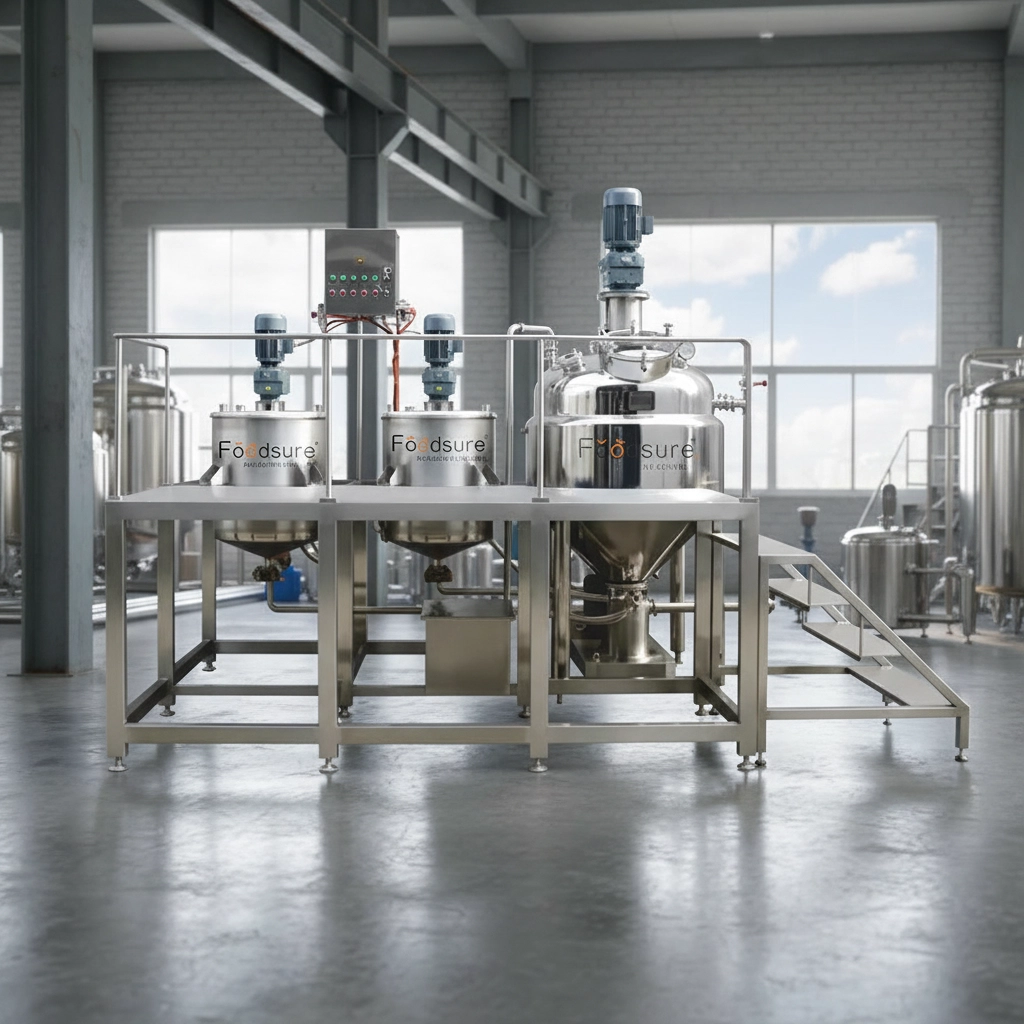
The equipment needed for how to make mayonnaise varies between two extreme ends of the spectrum, according to your monthly production requirements. The correct hardware selection serves as the initial step that leads to successful mayonnaise production.
| Production Scale | Equipment Type | Monthly Capacity | ROI Period |
|---|---|---|---|
| Small (Pilot) | Vertical Batch Mixer | <15 Tons | 6–8 Months |
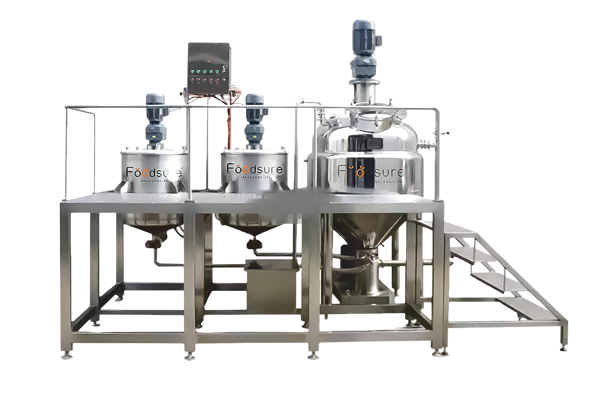
| Medium (Industrial) | Mixing Horizontal Mixer + Colloid Mill | 20–60 Tons | 8–12 Months |
| Large (Continuous) | PLC-Controlled Continuous Line | 100+ Tons | 18–24 Months |
Pro-Tip: For starting a mayonnaise production business with larger volumes, a 500-litre horizontal mixer with a jacket for cooling provides the best balance of flexibility and economy.
The Mayonnaise Production Process Step by Step
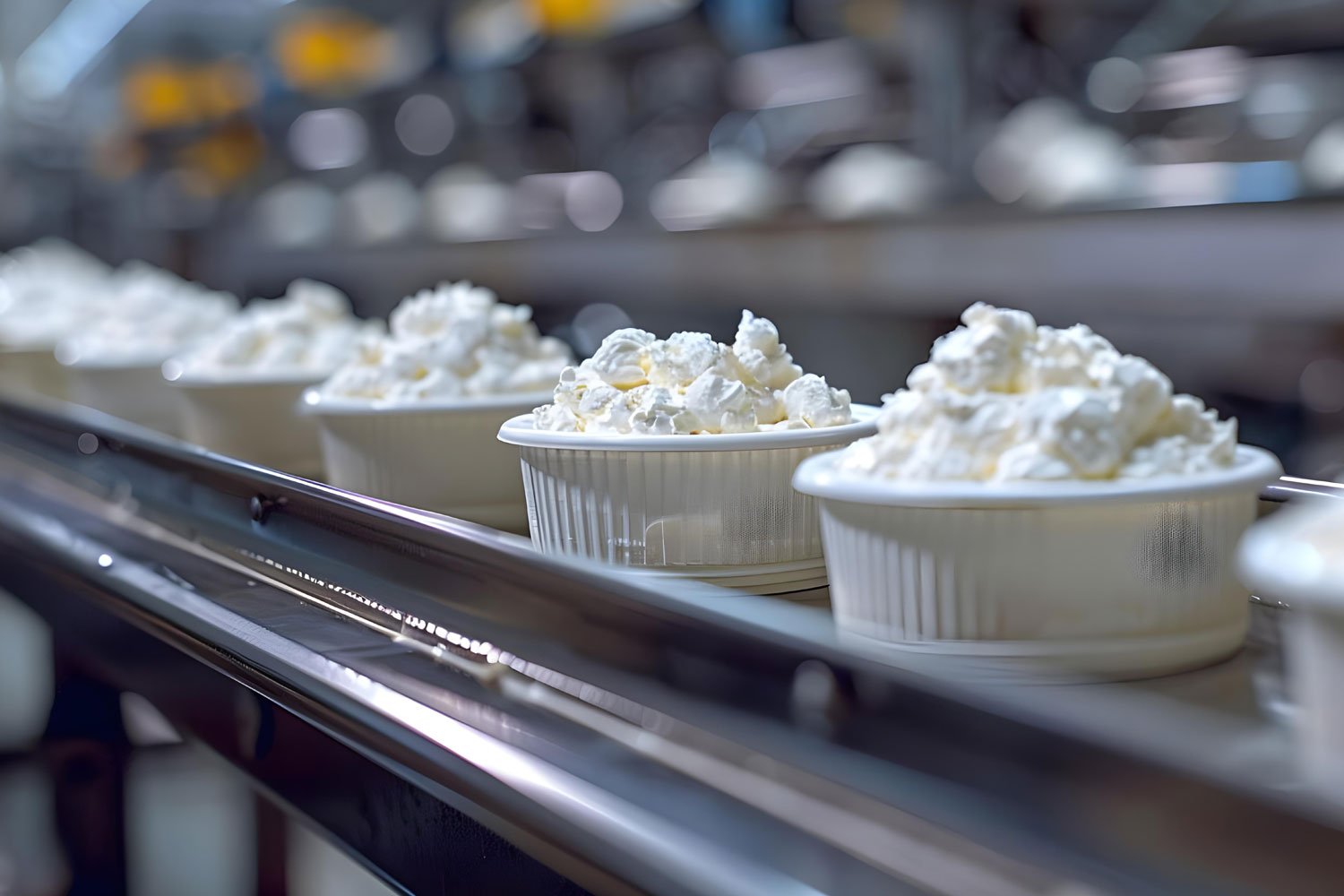
To guarantee its structural integrity, the manufacturing of 100 kg of mayonnaise follows a specific 60-minute sequence.
Phase 1: The Aqueous Base (0–10 min)
The pasteurised egg yolks, together with dry ingredients, salt and mustard powder, should be added to the mixing vessel. The mayonnaise processing machine should be started at a low speed of 80 to 100 RPM for preconditioning the emulsifiers while keeping air intake to a minimum.
Phase 2: The Critical Oil Injection (10–40 min)
- Primary Emulsion: The primary emulsion “nuclei” will be formed when 10% of the oil is added through a “drip rate” which delivers 0.8 kilograms per minute.
- Scaling the Flow: The oil flow should be increased to 2.5 kilograms per minute after the base reaches its glossy appearance and thick consistency. The mixer speed needs to be increased to 300 RPM.
- Thermal Control: The system requires activation of the cooling jacket. The emulsion needs to maintain a temperature range between 20 and 22 degrees Celsius to keep its structure intact.
Phase 3: Acidification & Finishing (40–60 min)
The process requires vinegar to be added in gradual increments. The pH level decreases to the range of 3.5 to 4.2, which functions as a natural preservative. The structure needs to be stabilised through a final high-speed shear process, which operates at 450 RPM for a duration of 2 minutes.
Quality Control Gates in Industrial Mayonnaise Production
The product has to undergo three quality gates that cannot be compromised before it moves out of the mayonnaise processing machine to the packaging line:
- Viscosity: Determined through a viscometer; the desired range is 4,000 -6,000 mPa -s.
- pH Level: It should be less than 4.2 to maintain food safety and prevent spoilage by microbes.
- Centrifuge Stress Test: This method is used to stress a sample by spinning it at high speeds to replicate six months of shelf-life stress in only minutes.
Troubleshooting the Industrial Manufacturing Process
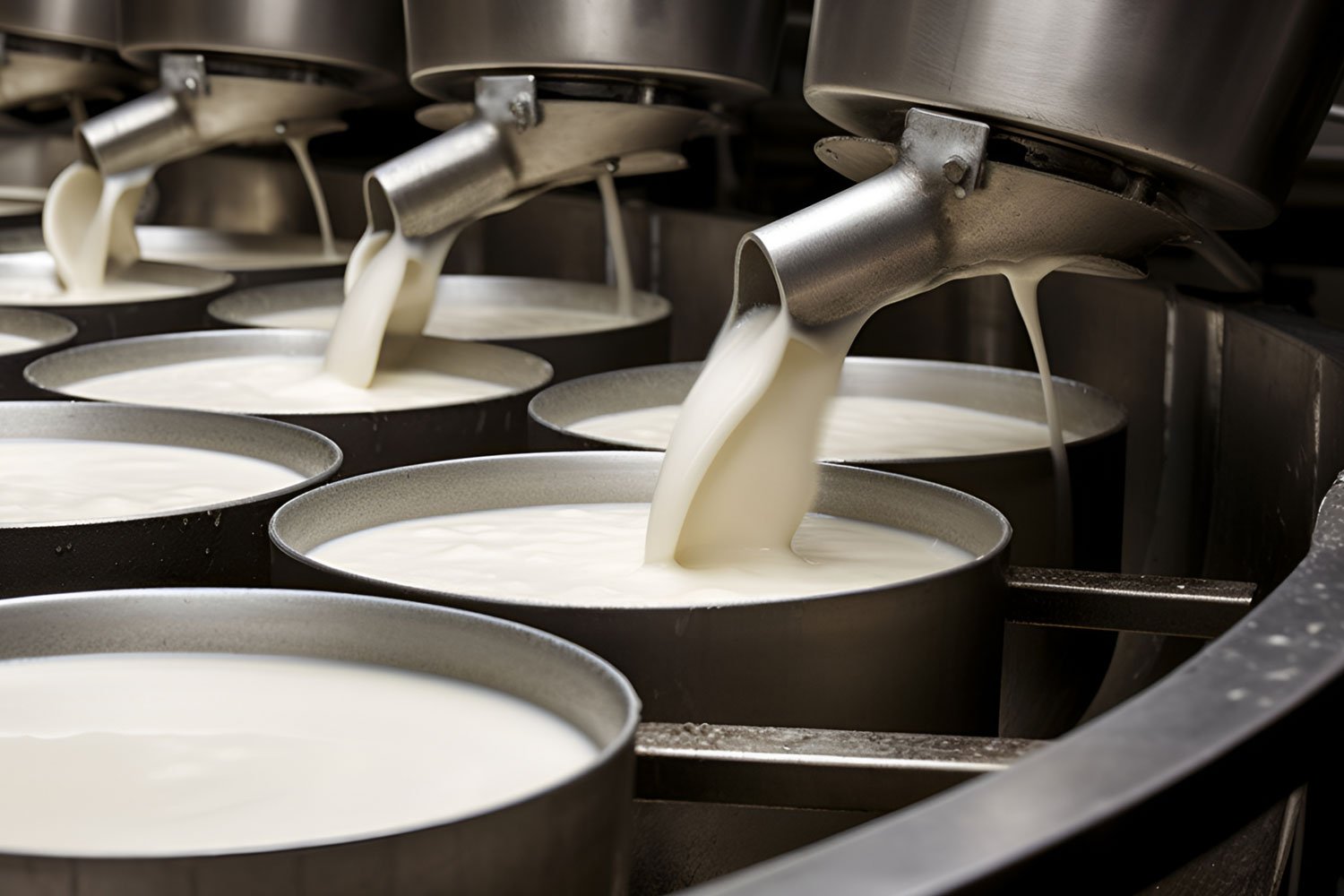
The best equipment for mayonnaise production still leads to potential production problems. Use this quick reference to maintain bulk mayonnaise production standards:
- Grainy Texture: Usually caused by adding oil too fast during Phase 2.
- Solution: Recalibrate your automated dosing pumps.
- Thin Consistency: Likely due to a temperature spike above 26°C. Solution: Inspect your cooling jacket and ensure a steady flow of chilled water.
- Oil Separation: Occurs when egg yolks have low quality and when mustard powder, which serves as a secondary emulsifier, is insufficient.
Conclusion
The process of how to make mayonnaise in industrial quantities needs a complete transformation from cooking methods to process engineering techniques. Your mayonnaise production system achieves market-leading food brand quality through process documentation and high-performance equipment utilisation.
Scale Your Brand with Foodsure Machines
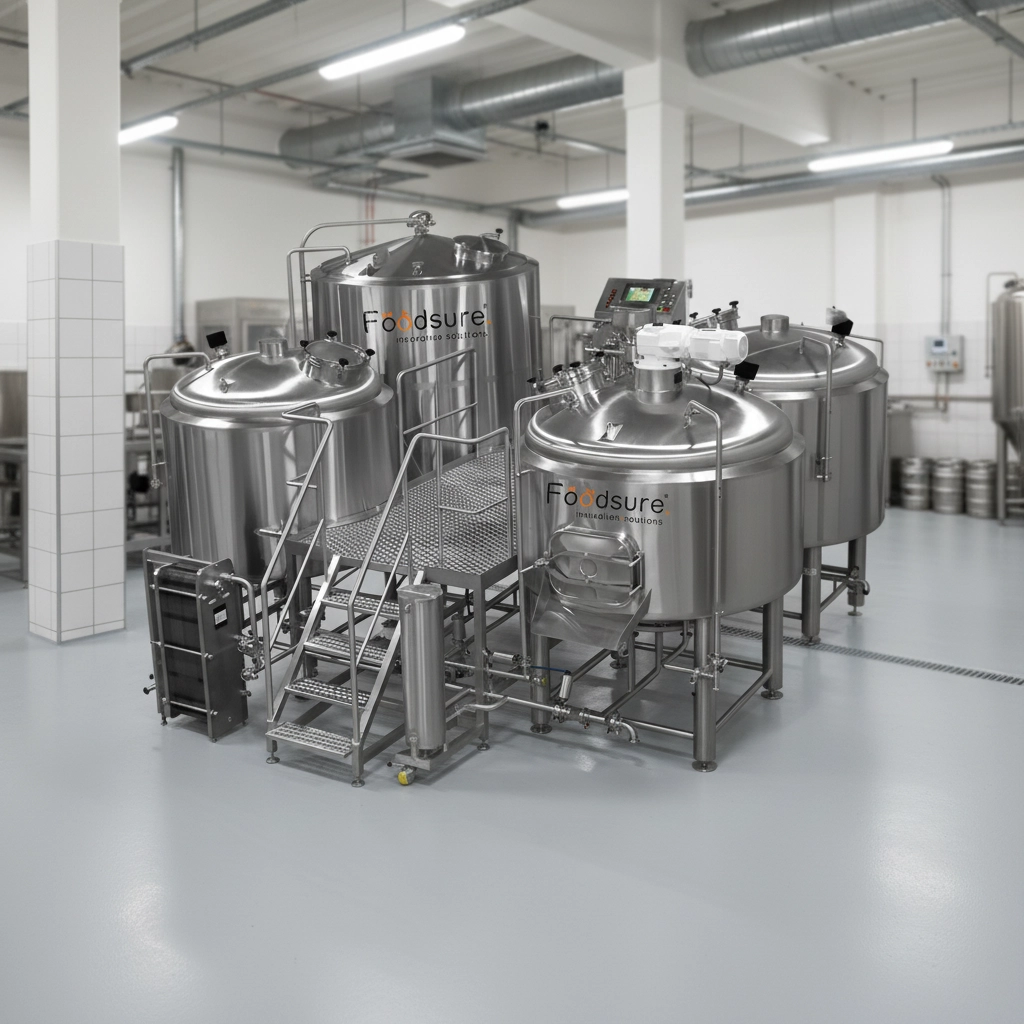
At Foodsure Machines, we produce high-shear mayonnaise processing machines that create emulsions with perfect stability through our advanced processing equipment. Our food-safe machines, which provide maximum return on investment, suit both pilot plant operations and high-volume facility expansions.
Planning industrial-scale mayonnaise production?
Get expert guidance on mayonnaise machines, 50kg batch systems, continuous production lines, automation, and setup cost for your factory.
Frequently Asked Questions
Q: How to make mayonnaise that remains shelf-stable for commercial distribution?
A: Commercial stability requirements operators need to implement a precise mayonnaise manufacturing process that uses high-shear emulsification for creating microscopic oil droplets that remain intact throughout the storage period.
Q: What is the most critical equipment needed for mayonnaise manufacturing at high volumes?
A: Any production line requires a professional mayonnaise processing machine, which includes a vacuum emulsifier or colloid mill as its main equipment to achieve the desired dense, glossy appearance in bulk mayonnaise products.
Q: How to produce mayonnaise on an industrial scale while maintaining consistency?
A: The process of industrial mayonnaise production uses automated PLC systems, which control both the oil injection rate and temperature to produce batches that exactly match the brand’s distinctive flavour and viscosity.
Q: Can you provide a step-by-step mayonnaise production process step by step for new facilities?
A: The process begins with aqueous phase preparation, followed by a metered oil injection under high shear, and finishes with acidification and cooling to lock in the emulsion’s structural integrity.
Q: Why is a specialised mayonnaise processing machine better than a standard mixer?
A: Bulk mayonnaise production requires a dedicated machine because it generates the extreme mechanical force that enables oil and water to combine, which creates the essential texture that defines premium mayonnaise.