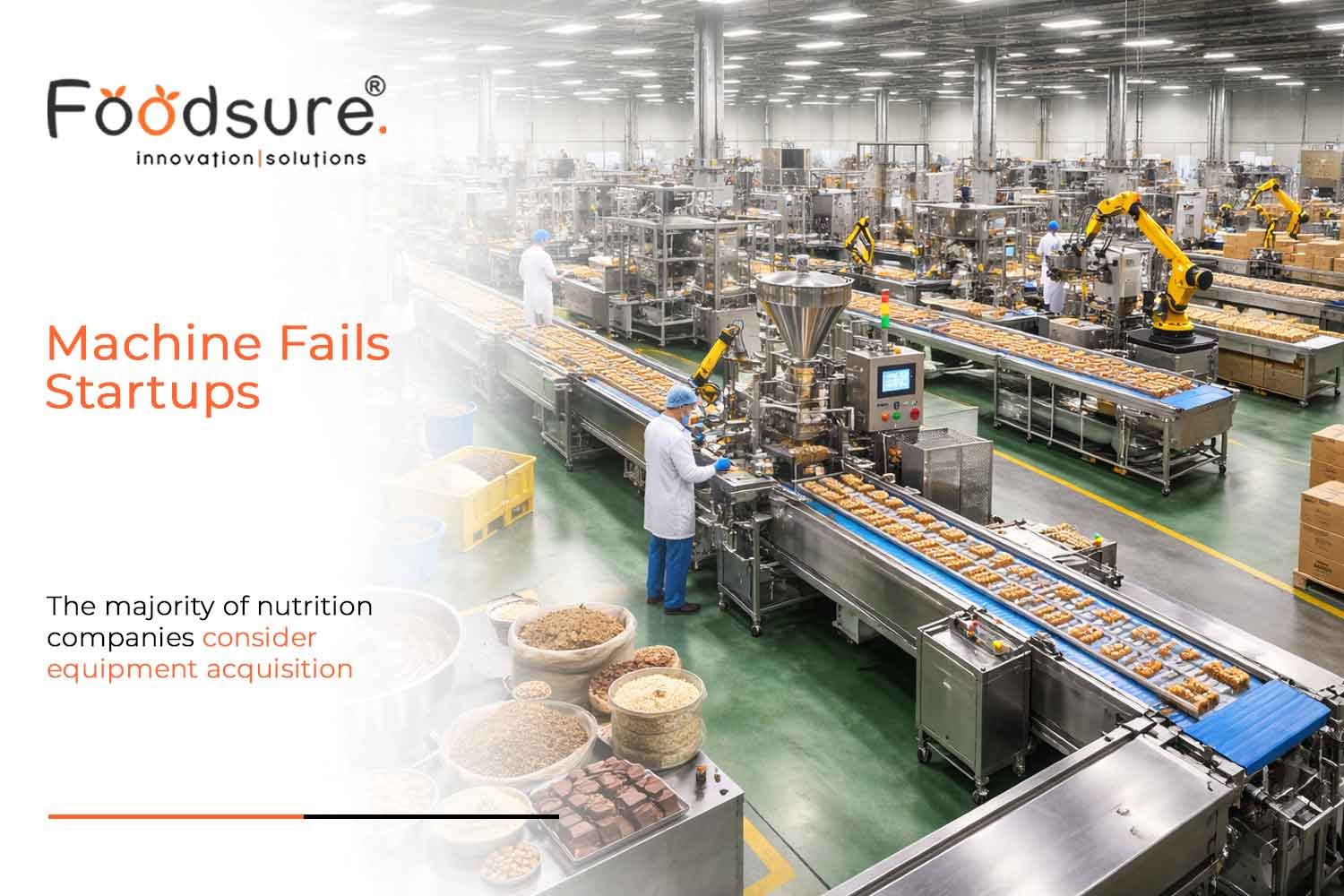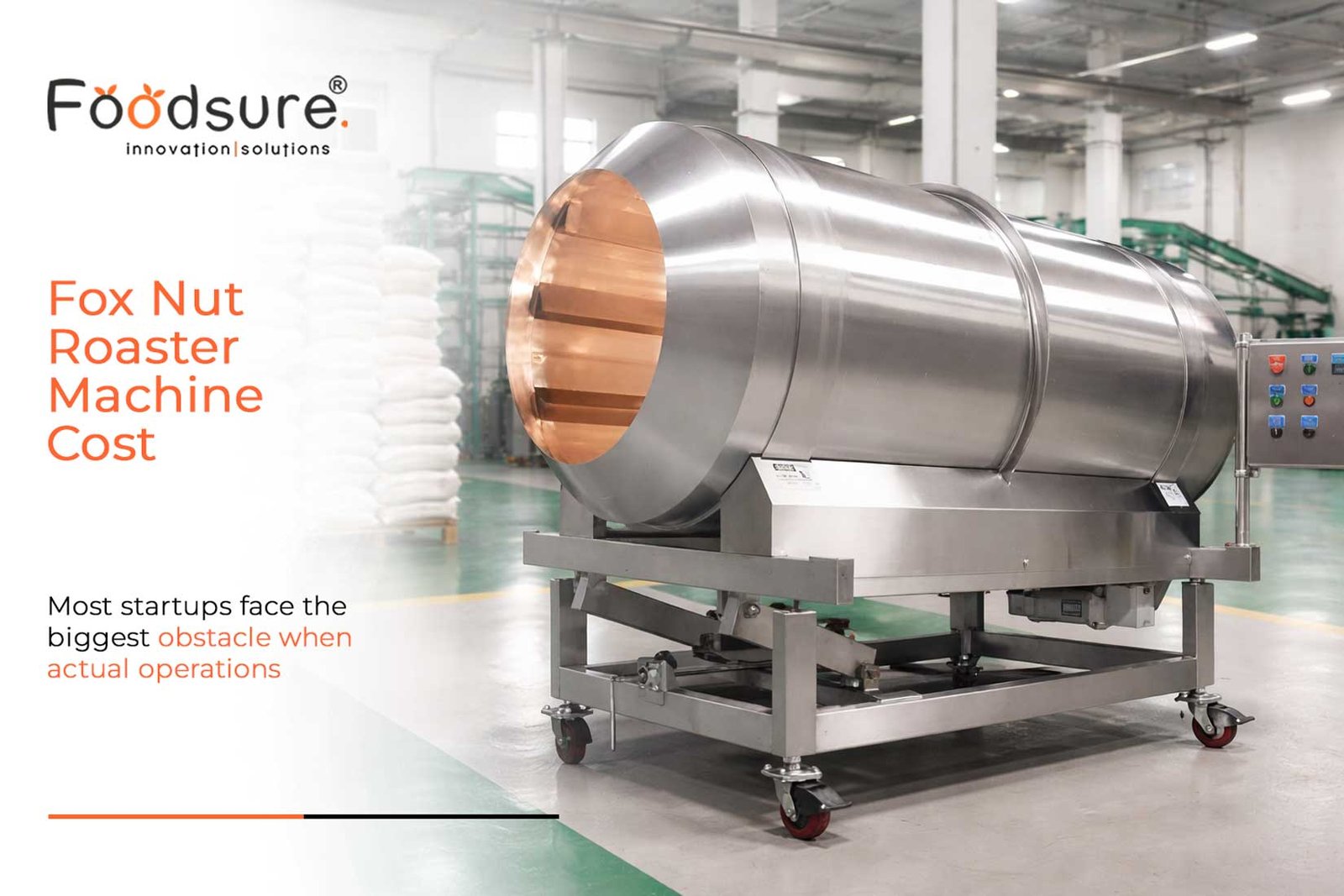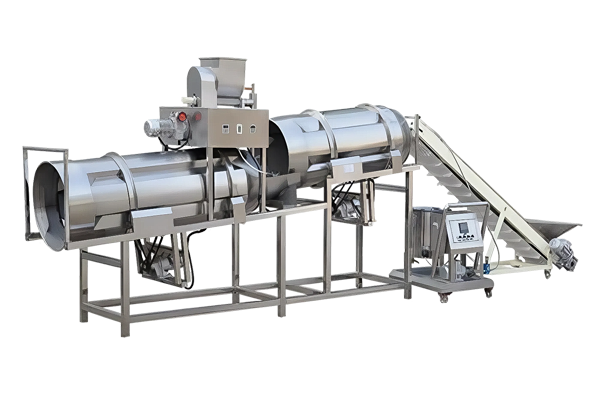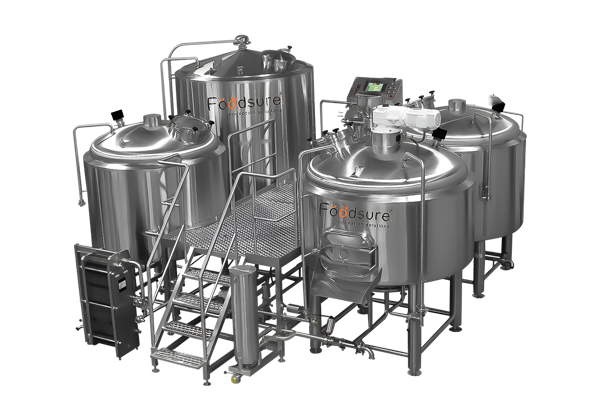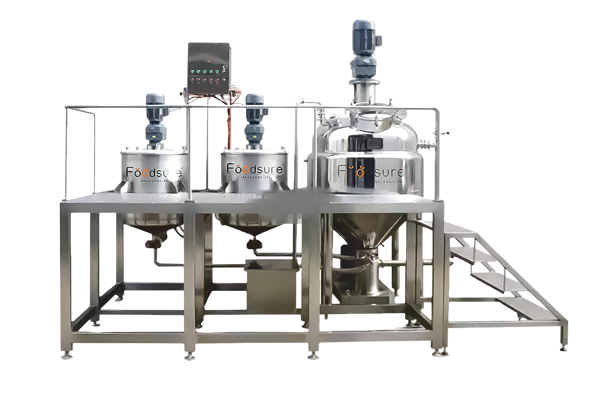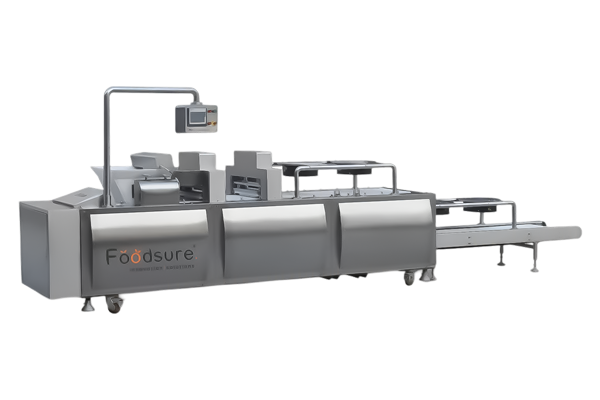
By the end of 2026, it is anticipated that the global instant nutrition market will surpass ₹419.86 billion. The energy bar making machine is the centre of attention of this expansion for established FMCG producers and entrepreneurs. The consistency, shelf life, and profitability of your product are all determined by the equipment you select, regardless of whether you are launching a D2C protein brand or an industrial-scale granola line.
Energy Bar Machine Price: Investment, ROI & Profitability Guide
The automatic energy bar making machine is a cost function that directly benefits your financial results by reducing workforce expenses and material disposal costs.
| Scale | Equipment Scope | Estimated Price (INR) | Best For |
|---|---|---|---|
| Micro / Startup | Tabletop Extruder + Manual Cutter | ₹3.5 Lakh – ₹7.5 Lakh | Test kitchens & Pilot batches |
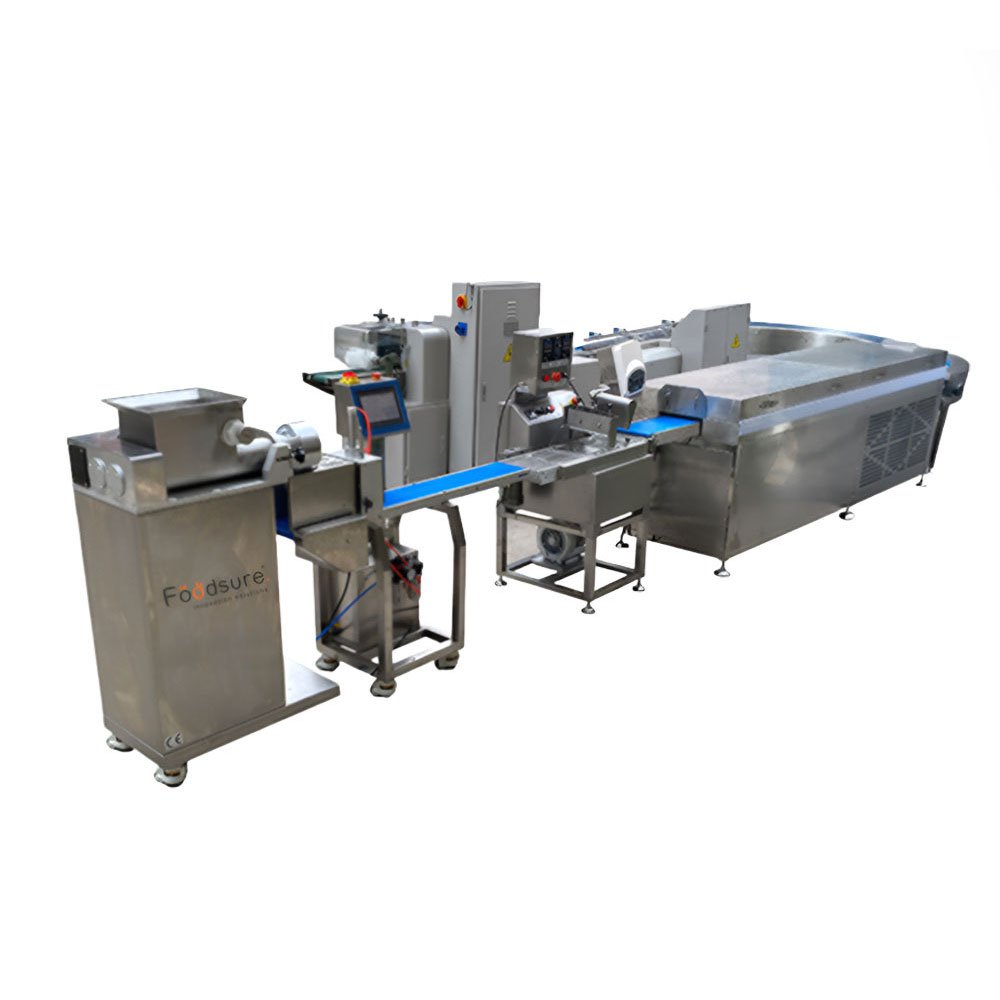
| Commercial | Automatic Line (Mixer + Extruder + Wrapper) | ₹18 Lakh – ₹35 Lakh | Growing D2C brands |
| Industrial | Full Production Line + Cooling Tunnel + Enrober | ₹60 Lakh – ₹1.5 Cr+ | National FMCG & Exports |
ROI and Profit Margins
- Gross Margins: The majority of energy bars achieve gross margins of 60-70%.
- Operational Savings: The installation of an automatic energy bar production machine decreases labour requirements by 60% and reduces material waste from 5% down to 1.5%.
- Payback Period: Businesses that operate their units with effective management practices reach complete Return on Investment (ROI) between 15-24 months.
Industrial Energy Bar Machine Capacity Per Hour: Machine Types & Output
The initial step in production planning is to comprehend the energy bar equipment capacity to produce products on an hourly basis. Your ingredient profile and required market positioning determine which processing method, between extrusion and slab-forming, you should select.
Cold-Press Extruders (50 – 250 kg/hr)
- This nutrition bar making machine serves best to produce dense no-bake bars which contain date-paste or protein blends as ingredients.
- The engineering team specifies equipment requirements through their use of high-torque screw systems.
- Advanced units feature Variable Frequency Drives (VFD), which let operators change screw speeds according to different material viscosities. This prevents “oil-out” in nut-heavy recipes.
Slab Forming Lines (200 – 1,000+ kg/hr)
- This commercial energy bar machine operates most effectively for processing fragile ingredients, which include whole nuts, puffed rice and seeds.
- Slab lines operate through pressing action, while extruders require pushing force as their main operating method.
- Multi-stage compression rollers ensure uniform density across the slab, preventing hollow spots that cause structural failure (snapping) during transit.
Read more: Energy bar packaging machine
Energy Bar Manufacturing Machine: Technical Essentials
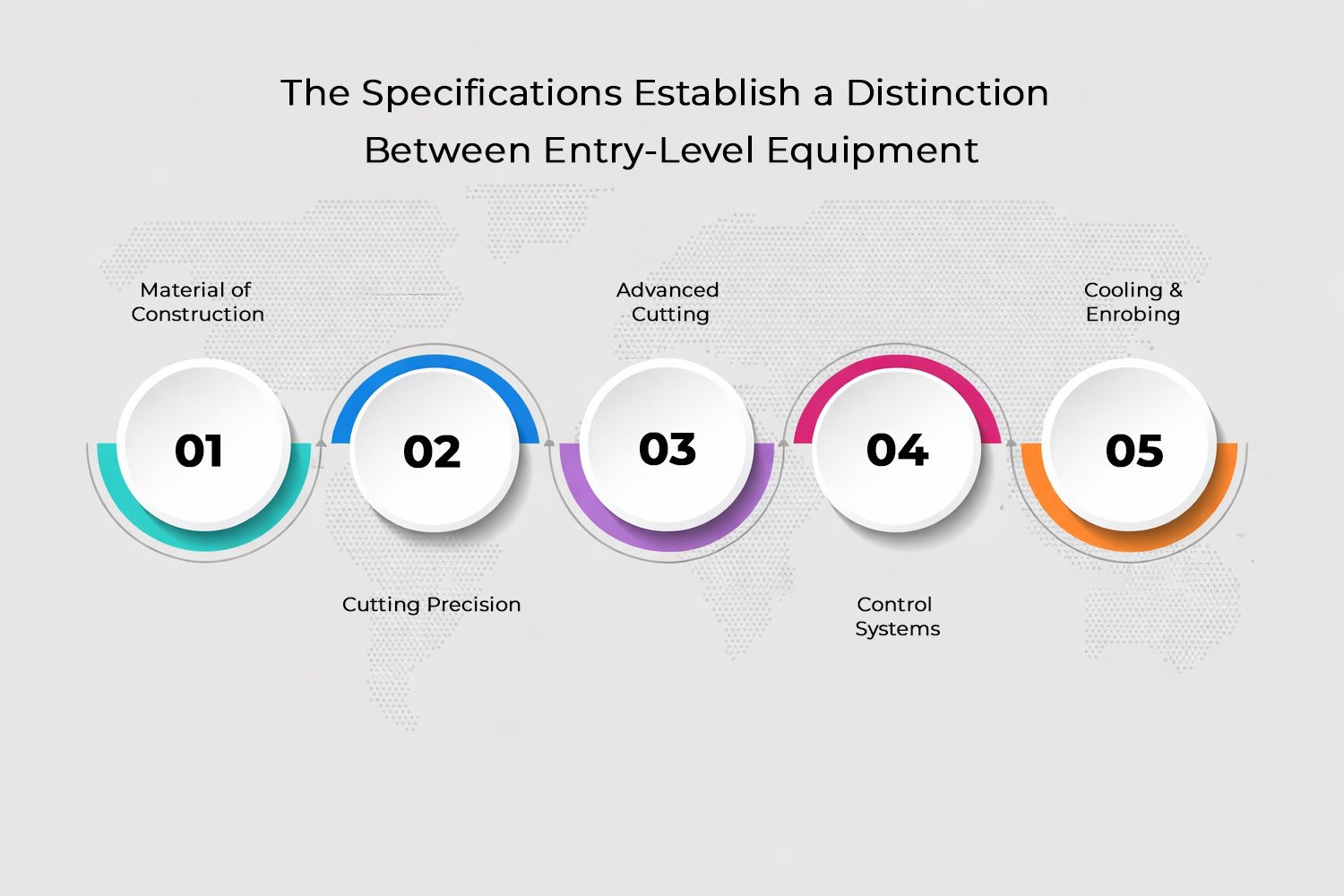
When sourcing the best energy bar making machine in India, use this checklist to ensure industrial-grade performance. The specifications establish a distinction between entry-level equipment and high-efficiency production lines.
A. Material of Construction (MOC)
The material selection process must follow mandatory requirements for FSSAI and HACCP compliance in facilities.
- The Body: Insist on SS304 (Stainless Steel) for the main frame. It is durable, rust-resistant, and easy to sanitise.
- Food-Contact Parts: For hoppers, screws, and nozzles, use SS316. This grade resists corrosion from natural acids found in fruits (dates/cranberries) and salts used in protein mixes.
B. Cutting Precision: Servo vs. Mechanical
The most significant hidden expense that manufacturers face originates from product giveaways.
- Standard Mechanical Cutters: These use physical gears with timing systems, which result in weight variations that reach ±5%. The overfill process results in material losses, which cost lakhs of expenses for raw material.
- Servo-Controlled Guillotine: The system uses digital motors, which achieve a weight variation of only ±0.5%. The system guarantees that all bars will weigh exactly what their labels state, which results in legal compliance and optimised production output.
C. Advanced Cutting: Ultrasonic Technology
Your recipe requires honey, syrups, or thick nut butters, which will cause traditional blades to either tear or smear the ingredients.
- The Innovation: Ultrasonic blades produce vibrations between 20 kHz-40 kHz, which generate a frictionless surface that enables the blades to slice instead of pushing forward.
- The Result: A sharp surgical-grade edge produces superior performance on sticky bars while requiring reduced cleaning time.
D. Control Systems: PLC & HMI
Modern production requirements need operational flexibility. The automatic energy bar manufacturing machine must operate in Recipe-Driven mode according to its requirements for 2026.
- Delta or Siemens PLC: The advanced Programmable Logic Controllers enable users to store multiple recipes within their systems.
- HMI Touchscreen: The system lets users change from a Peanut Butter Protein Bar to a Berry Blast Granola Bar through a single button press, which eliminates the need for manual system adjustment.
E. Cooling & Enrobing (The Professional Finish)
The biggest challenge occurs when you need to maintain proper temperatures for chocolate or yoghurt coating.
- Cooling Tunnels: The process requires a mandatory 6-12m tunnel, which must be established after the product undergoes enrobing.
- The Science: To achieve a professional snap and glossy finish, the bar must be cooled gradually from 28°C down to 12°C. Short conveyors lead to fat bloom (white streaks) and soft coatings.
Read more: Everything you should know before buying an energy bar machine
How to Start Energy Bar Manufacturing Business: Technical & Factory Essentials
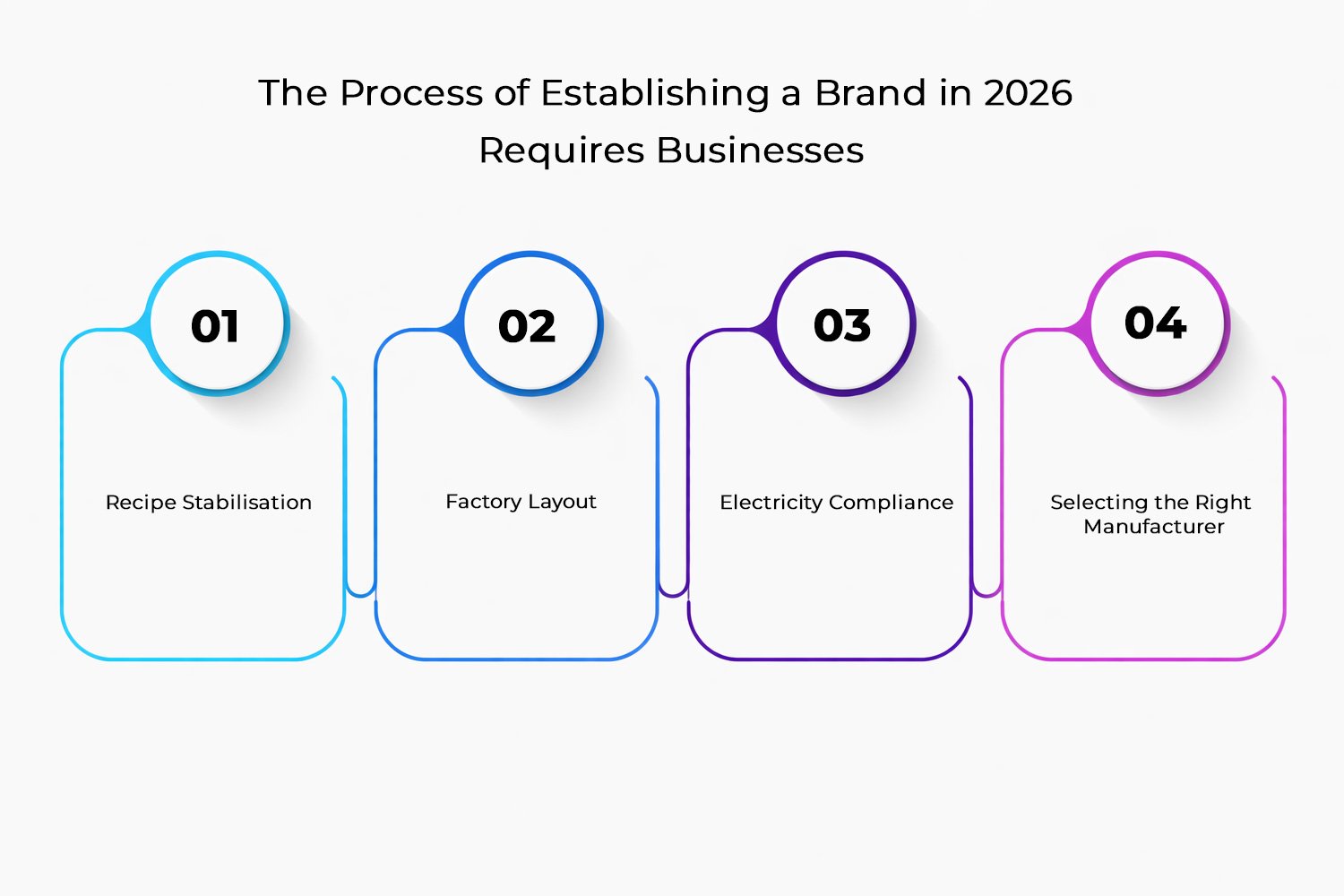
The process of establishing a brand in 2026 requires businesses to transition their operations from kitchen-based models toward industrial production methods. The following four pillars serve as essential guidelines that lead to successful energy bar production operations.
Recipe Stabilisation:
- Finalise your Water Activity (aw) level. Your bars will develop mould within weeks when the aw > 0.6 value exceeds 0.6.
- The target shelf stability should reach 0.4-0.5, which allows products to maintain quality for 6-12 months without using excessive preservatives.
Factory Layout:
- The factory should design its operations to use the Linear Flow system, which moves products through different stages starting from Inbound to Mixing to Forming to Packing, and finally to Outbound.
- The mid-scale energy bar manufacturing machine system requires approximately 1,500 to 2,000 sq ft of space to operate according to FSSAI and HACCP standards.
Electricity Compliance:
- Industrial lines operate as systems that manage heavy electrical loads.
- The majority of systems need 3-phase power, which provides 440V electricity and requires a connected load between 15 kW-30 kW, based on the inclusion of a cooling tunnel.
Selecting the Right Manufacturer:
- The machine purchase requires you to choose a business partner who will help you achieve your goals.
- The company should be your main focus because it provides Factory Acceptance Testing (FAT) and employs service technicians who work in India.
Energy Bar Making Machine: Price, Capacity & Complete Buying Guide
Conclusion
Energy bar manufacturing success depends on the right machine, layout, and compliance foundation. Foodsure Machines designs scalable production systems that operate efficiently while maintaining your profit margins and safeguarding your product standards. We support you from setup to scale because your growth is our priority.
FAQ
What is the profit margin in an energy bar manufacturing business in India?
Energy bar businesses in India typically operate at 50–70% gross margins, depending on scale and automation.
What licenses are required to start a energy bar factory in India?
You need FSSAI registration, GST registration, and local factory compliance approvals.
How much electricity is required for an automatic energy bar plant?
Most automatic energy bar plants require 15–30 kW with a 3-phase 440V power supply.
What is the minimum investment to start a commercial energy bar unit?
A commercial energy bar unit typically starts from ₹18 lakh, depending on capacity and automation.
How long does it take to install an industrial energy bar production line?
An industrial energy bar production line usually takes 30–60 days for manufacturing, delivery, and commissioning.