



While distinguishing between condiments at tables, it always raises questions about whether one is referring to a sauce or ketchup. As both terms are frequently used interchangeably in everyday life, there is still no doubt that they are different. This is why it becomes crucial for consumers and companies alike to distinguish between ketchup and sauce.
This subject becomes important if you want to introduce a bottled condiment, select equipment, or analyse the positioning of products in the food industry. In terms of contents, flavour, production process, and even licensing issues, there is a clear distinction between sauce and ketchup.
Difference Between Sauce and Ketchup (Quick Comparison Table)
| Basis | Sauce | Ketchup |
|---|---|---|
| Ingredients | Can be made from tomato, chili, soy, fruits, herbs, dairy, or spices | Usually made with tomatoes, sugar, vinegar, salt, and spices |
| Taste | Can be sweet, spicy, tangy, savory, or creamy | Mostly sweet-tangy with a mild spice profile |
| Consistency | Depending on the type, it can be thin or thick | Usually thick, smooth, and uniform |
| Usage | Used in cooking, dipping, marination, and finishing | Mainly used as a table condiment or dip |
| Variety | Very wide range of categories | More specific product category |
| Processing Method | Depends on recipe and sauce type | Standardised tomato processing including cooking, homogenising, and filling |
Key Differences Explained in Detail
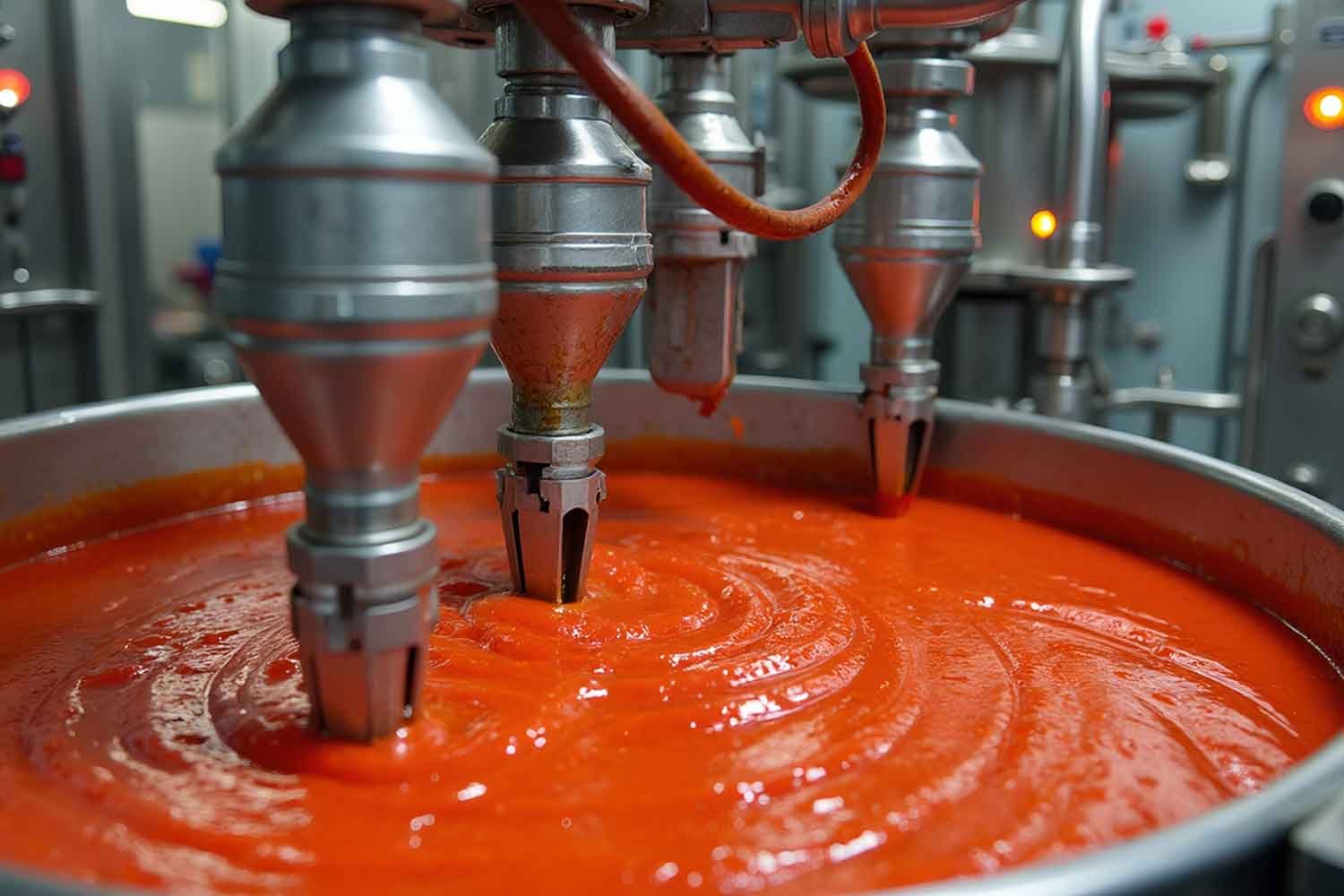
Ingredients Difference
One main distinction between sauce and ketchup begins with ingredients. A sauce is a general term that refers to a wide variety of types of sauces, including but not limited to: tomato, chili, soy, pasta, cheese, mayonnaise-based sauces, and others.
However, the latter is somewhat more specific in its production than the former. Ketchup is normally produced by using tomato puree or tomato pulp, together with sugar, vinegar, salt, stabilizers where necessary, and some chosen spices. Therefore, although ketchup belongs to the general sauces group, it is somewhat more precise.
Taste & Flavor Profile
One more factor that sets apart these condiments is taste. Sauce may be spicy, smoky, salty, creamy, herby, or tangy in taste. Depending on the type of the cuisine and the use of the sauce, the taste of the sauce will vary significantly.
Ketchup, however, always maintains a balance of sweetness in taste, making it popular among people because it serves well as a dip for fries and hamburgers.
Texture & Consistency
Sauce textures can be highly varied. The texture of sauce may be either liquid, creamy, or semi-solid. For example, while pizza sauce is a little more viscous than soy sauce, white sauce is quite dissimilar to hot sauce.
A very distinct and characteristic texture is found in ketchup; its texture is very thick and smooth. The industrial production process of ketchup demands consistency in its texture.
Preparation Process
The method for preparation serves as yet another means of demarcating between a sauce and a ketchup. In general, a sauce is made using a combination of one or all of the following methods: mixing, cooking, fermentation, emulsifying, and blending. The method used to make a sauce differs from one type of sauce to another.
In contrast, making ketchup requires a lot more precision and planning. Here is how one makes ketchup in an industrial setting: tomato preparation, cooking, flavouring, thickening, homogenising, pasteurising, and hygienic packaging.
Shelf Life & Preservation
The shelf-life of sauces may vary widely depending on whether a sauce requires refrigeration, preservation, or remains shelf-stable by virtue of acidity or heating process.
The shelf-life of ketchup is relatively longer due to its optimal pH, sugar content, vinegar concentration, and heating process, which makes it more stable from a spoilage point of view, making it fit for commercialization.
Is Ketchup a Sauce? (Common Confusion Explained)
Yes, ketchup is a type of sauce.
It is the simplest explanation. Ketchup is one of the sauces, but not all sauces are ketchup. “Sauce” is the broader term here, while “ketchup” is the item among the various items under this term.
The reason why this confusion arises is that in most of the markets around the world, including Indian markets, the term “sauce” is considered synonymous with “tomato ketchup.” But from the perspective of the food industry, it needs to be known that the term “sauce” comprises a wider variety of items, while ketchup is a specific variety of sauces.
Types of Sauces in the Food Industry
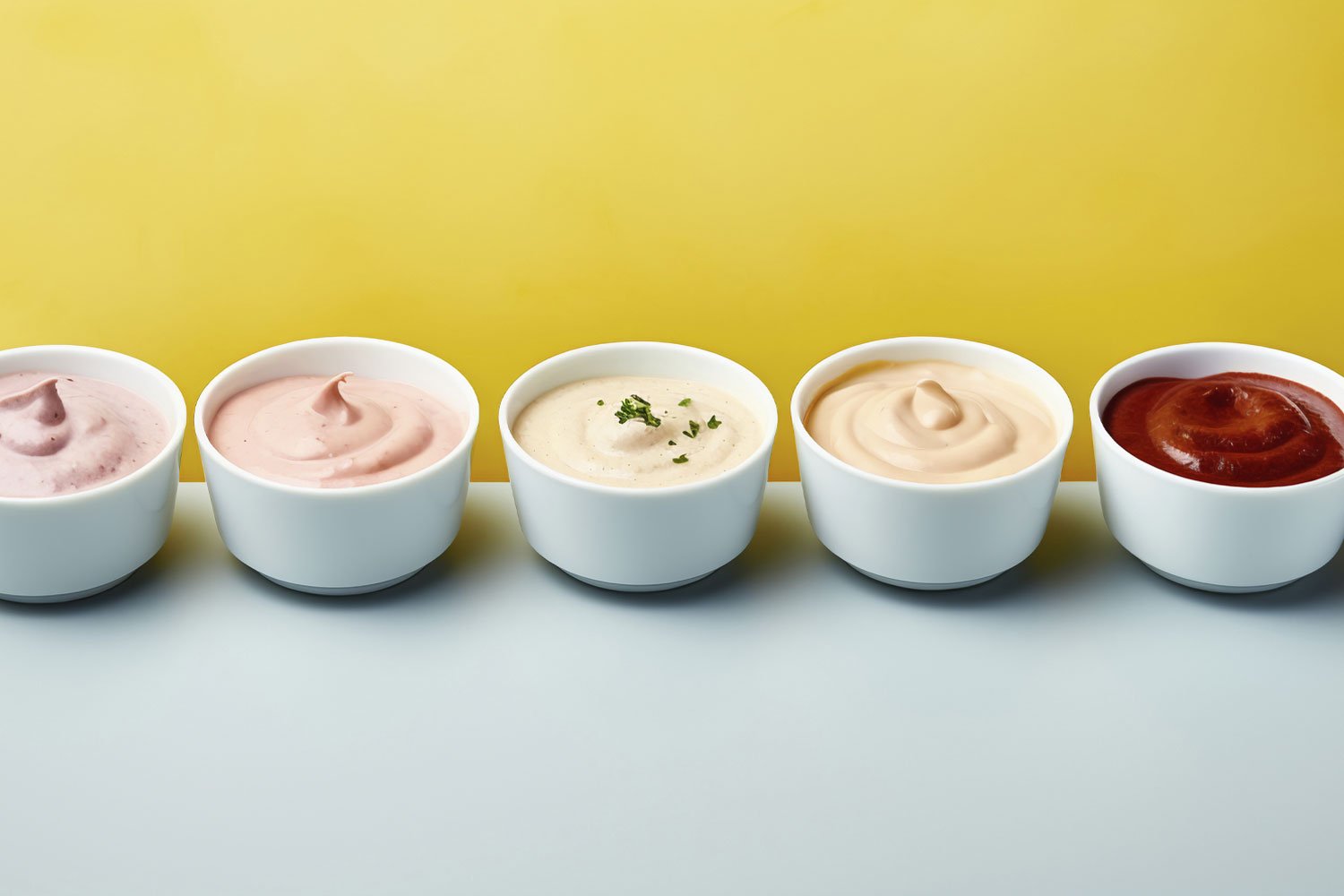
In the food industry, the word “sauce” is used in a number of different ways, each with its own meaning.
Sauces for cooking are used as a base to make the food. Some examples are pasta sauce, curry sauce, and stir-fry sauces.
Dipping sauces are made to be eaten along with the foods accompanying them. Some examples are hot sauce, mustard dip, and cheese dip.
Emulsified sauces use oil and water combined through the process of emulsification. Some examples are mayonnaise and salad dressings.
Sauces intended for industrial use are designed for the mass production of food products. Such sauces can be incorporated into frozen foods, quick-service restaurants, ready-to-eat meals, and even snack coating applications.
The type of product frequently needs specific processing equipment, which is a good reason to create internal links to the corresponding equipment pages.
How Ketchup is Manufactured Commercially
To make sure that ketchup is safe, consistent, and has a long shelf life, the process is done in steps.
- Sorting: Sorting and inspection is done in order to filter out any damaged tomatoes from the raw material.
- Pulping: Pulping is done to convert the tomatoes into pulp or paste.
- Cooking: This is done using heat by adding things like sugar, vinegar, and other spices to the pulp. This is done for flavour and also to reduce the water content.
- Homogenizing: This step results in a smooth and homogeneous paste.
- Pasteurization: This process is done using heat.
- Packaging: The final product is packed in bottles, packs, sachets, or bulk packs.
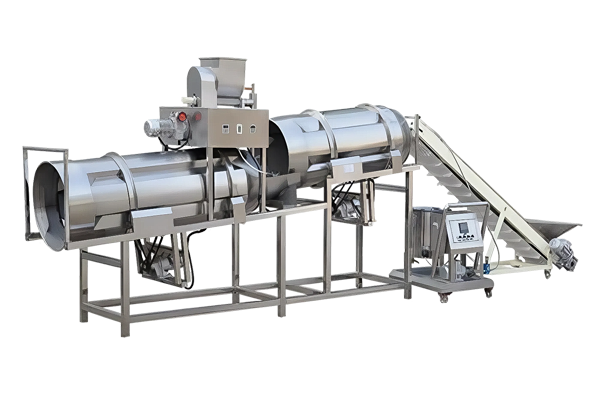
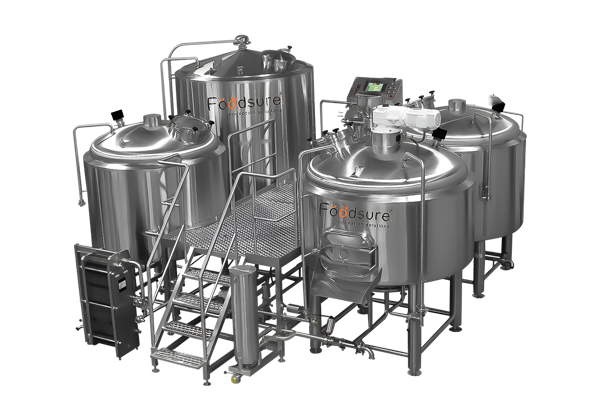
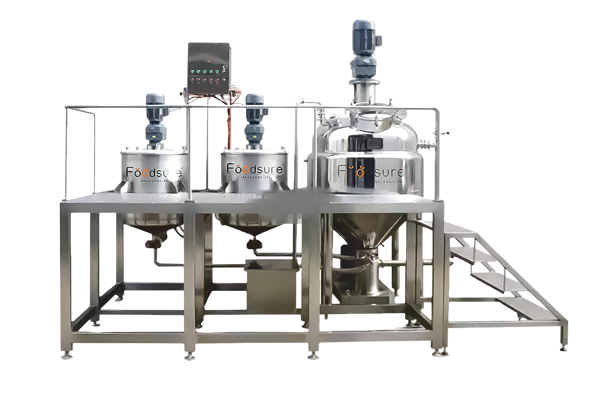
This topic has a natural linkage with topics about machinery such as ketchup factory, pulper, steam jacketed kettle, homogenizer, pasteurizer, and bottling line.
FSSAI License for Ketchup & Sauce
If your plan includes producing or distributing sauces and ketchup products in India, then getting an FSSAI license is mandatory. The kind of license required will depend upon several factors including your business turnover, size, and nature.
Food safety rules concerning ingredients, food additive use, labelling, hygiene, and packing must be followed by companies. The label on each product should clearly indicate all ingredients, nutritional value, batch number, shelf life, and other relevant manufacturer-related information. In case the claims made by the brand involve being preservative-free or without artificial colors, then those claims must also be validated.
Planning for regulatory compliance must commence well in advance, preferably before commercialization and launch.
Sauce vs Ketchup: Which is Better for Your Food Business?
Your choice would depend upon your marketing target.
- Sauces have an advantage for restaurants, as the restaurant may require a variety of sauces such as chili, pasta, gravy base, or dips according to their menu items. The importance of ketchup cannot be undermined but still, it will not be everything.
- While developing own brand packaged products, it might be easier to sell ketchup because people have already become familiar with using the product. Ketchup is always popular, highly recognizable, and repeat purchases can easily be made.
- In the case of exporting companies, both types of products will be successful; however, sauce will offer a lot more scope to innovate because of its ethnic flavoring, luxury image, and private labeling options.
- Regarding profit margins and demand, while ketchup will be cheaper owing to economies of scale, it will communicate easily with its consumers, but speciality sauces can earn better margins if developed well.
Conclusion
The difference between the two becomes clear when one considers factors like ingredients, taste, consistency, processing, and usage. In this case, ketchup is simply a kind of sauce, and this is because it is defined by a tangy tomato taste. On the other hand, sauce is a general term for a range of sauces and products.
It would be helpful for you to know about it as a consumer. For producers and brands, it will allow them to develop their strategies for producing sauces and ketchup.
In case you have any plans to produce your own ketchup or tomato sauce, then you can always count on Foodsure Machines.
Planning to launch a sauce or ketchup brand?
Get expert guidance on sauce and ketchup manufacturing machines, formulation, filling systems, packaging, and production setup for your business.
FAQs
Which one is healthy: ketchup or sauce?
Well, this will depend on a number of factors such as the type of sauce used, the amount of sugar in the sauce, fats, and others.
Why is ketchup sweet compared to tomato sauce?
It is due to the fact that most ketchups contain extra sugar and vinegar for their sweetness.
Is tomato sauce suitable as a substitute for ketchup?
In some cases, although this is dependent on the location of usage.
Are tomato sauce and ketchup the same?
By no means; these are completely different sauces.