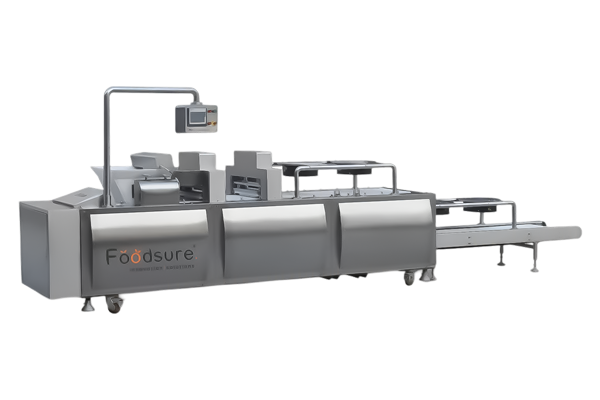
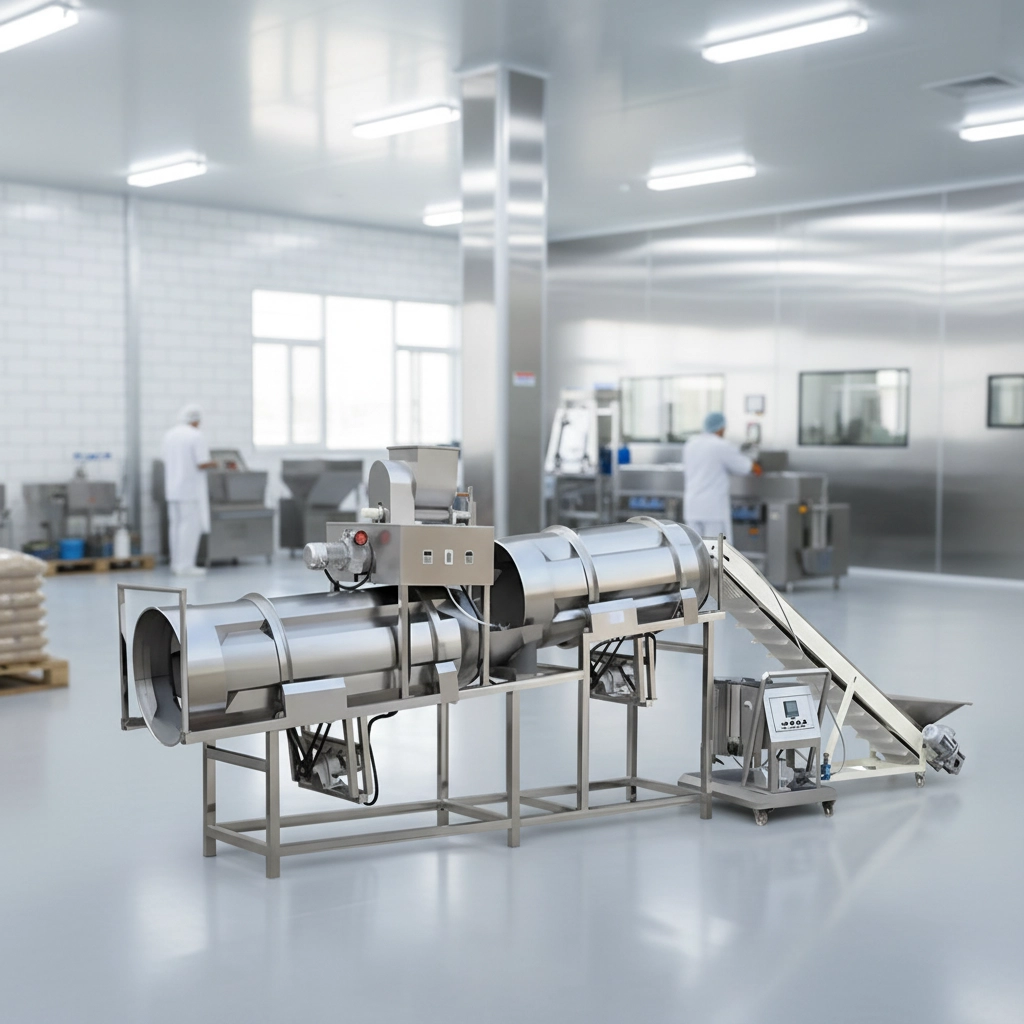
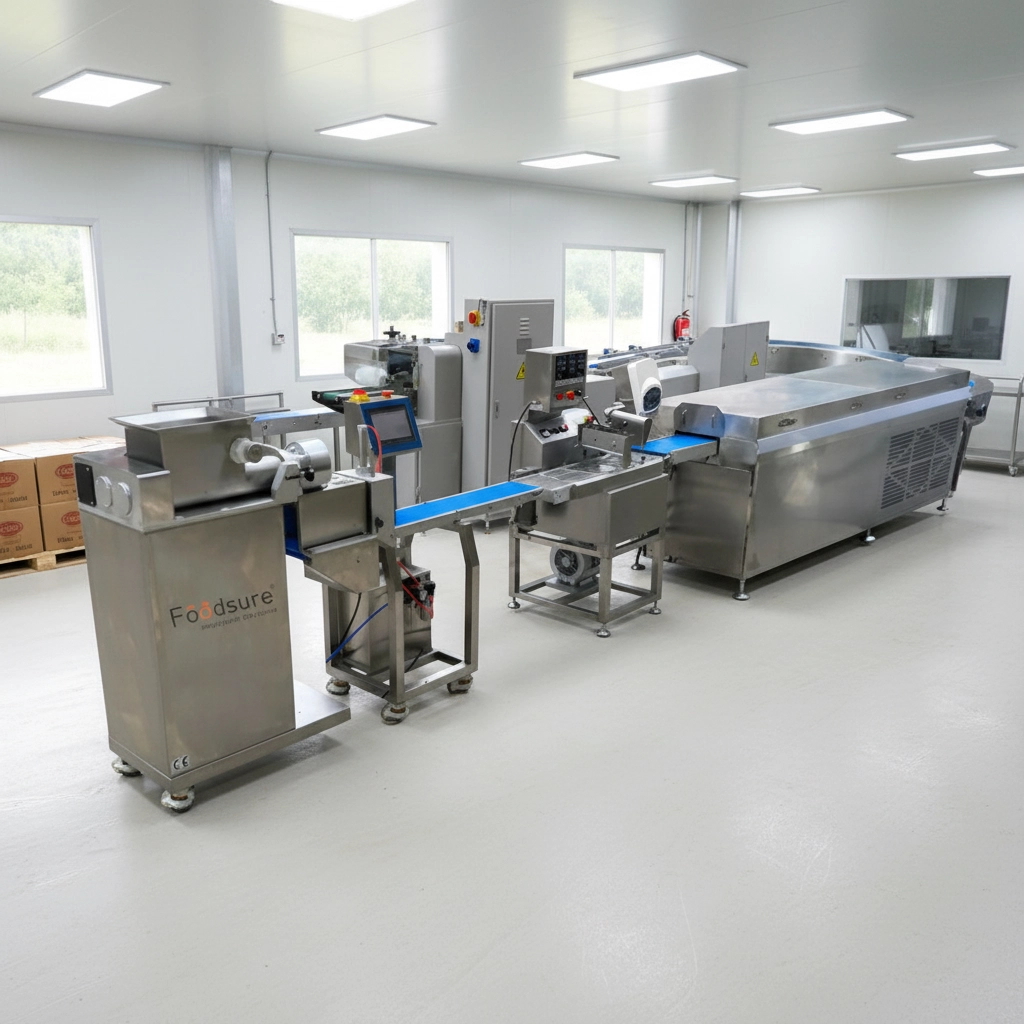
The conveyor belt seemed like an easy purchase until it brought down the whole assembly line after just three weeks. In food processing industries, a broken conveyor belt means loss of products, failure of quality checks, and angry consumers. Despite all this, purchasing departments still tend to buy the most affordable solution possible, considering industrial conveyor belts a commodity item instead of a piece of equipment essential for the process. However, the real expenses associated with such purchases usually exceed initial savings dramatically. For food processing plants, there is no middle ground when it comes to conveyor belts; they either serve as a risk or an investment. Your choice depends on their cost.
In our latest blog post, we will explore why cheap conveyor belt machines don’t work for food processing plants, what expenses come with them, how to select an appropriate system, and what really helps ensure return on investment.
How Conveyor Belts Power Food Processing Operations
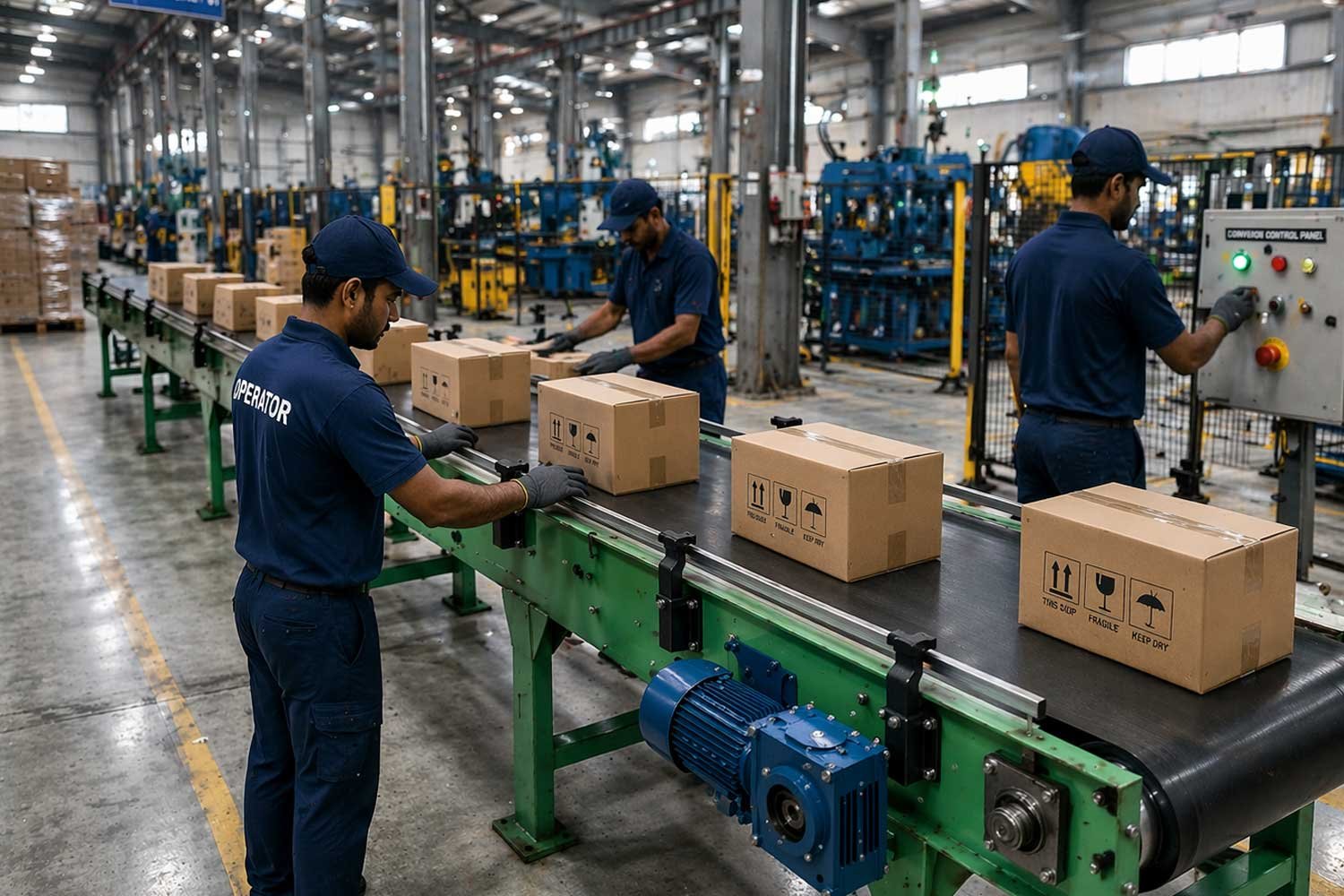
The food processing conveyor belt refers to an advanced mechanism designed specifically to move food products through the manufacturing plant. Contrary to conventional belt systems used in industries, these systems are highly designed to ensure food safety standards, thus protecting foodstuffs from contamination and preserving their quality.
These systems play a key role in the following stages of manufacturing:
- Sorting: They can be used to transport raw materials along inspection areas or sensors for removing contaminants or damaged food products.
- Processing: The process entails transporting foods through processes that include heating, cooling, washing, or coating.
- Packaging: It refers to the transportation of final food products to packaging areas.
To meet regulatory requirements and safeguard the consumers, the conveyor belt should be made of non-toxic, non-porous, and non-reactive material, like certain types of polymers or stainless steel. Additionally, the whole assembly should form a hygienic conveyor belt system by incorporating design features that prevent the formation of any areas where germs can gather.
Why Cheap Conveyor Belts Fail in Food Processing Plants
When selecting replacement equipment, bear in mind these essential considerations to prolong its life span and meet compliance requirements:
- Material Certification: Ensure that the material used in the belt is FDA-approved and suitable for the particular product (i.e., resistant to oils, fat, or high temperatures).
- Sanitation Needs: Check for the level of cleanability of the frame; frames made of stainless steel with an open design and little horizontal surface save time needed for cleaning.
- Durability: Choose machines with positive drive systems or plastic modular belts that do not slip and therefore avoid wear caused by low-quality friction drives.
- Accessibility of Maintenance: Opt for systems that include easy-to-take-apart features, which enable maintenance staff to inspect the system and clean it faster.
- Contamination: Steer away from systems whose belt structure creates areas where contaminants can easily settle and propagate.
Hidden Costs of Low Quality Conveyor Belt Systems in Food Processing Plants
The selection of a poor conveyor belt machine quality often ends up being an instance of a false economy because the savings made on initial costs are quickly offset by rising operational costs. Firstly, there are production stoppages due to unplanned failures of the belts, which means that production cannot be conducted and delivery deadlines are missed.
Product contamination caused by the wear of belts or the breakdown of material is another hazard that may result in an entire batch of products having to be discarded, and could possibly result in product recall and loss of reputation. Additionally, such automatic conveyor belt systems often need to be regularly repaired due to stretching, belt tracking problems, or excessive strain placed on the motor.
Cumulative Financial Impact:
- Direct Cost: Expense related to spoilage of ingredients and rejection of product batches because of contamination.
- Operational Cost: Over-time pay earned by maintenance workers while executing urgent repairs.
- Efficiency Cost: Decline in Overall Equipment Effectiveness (OEE) owing to continuous mechanical problems.
- Capital Cost: Depreciation cost leading to early replacement of machinery.
Stop losing money on poor conveyor systems
Get expert guidance on durable food-grade conveyor belts built for hygiene, uptime, and lower long-term operating costs.
Stainless Steel vs PVC Conveyor Belt for Food Processing Industry Comparison
The choice of either using stainless steel belts or PVC or PU belts greatly depends on the needs of the food processing task.
In harsh conditions, stainless steel belts set the standard because of their exceptional quality. This type of belt is extremely durable to temperature variations; apart from its durability, it also has a smooth surface that prevents the seepage of oils, cutting, and corrosion. For instance, one may employ stainless steel belts in processes involving cooking at very high temperatures or in freezing processes.
Selection Guidance for Optimal Performance:
- Select Stainless Steel Belt: For operations that involve using ovens, frying stations or chillers, and when there is a need for pressure washing on your production lines.
- Consider PVC/PU: In case your machine processes dried products, operates faster, and requires frequent replacement of the belts, owing to budget issues.
- Think about Ease of Maintenance: Stainless steel belts will take longer to wear out but require accurate tracking; PU/PVC belts are easy to replace but will not last as long.
Common Problems with Cheap Conveyor Belts in Food Processing Plants
Low-quality belting presents risks that will limit production levels and affect food safety. One such problem is misalignment, since most poor-quality belts have no rigidity or appropriate alignment systems that would enable them to be aligned correctly. The lack of rigidity makes the belts unstable, causing them to tear, fray and break apart. Loose bits of the belt may contaminate the food.
- Misalignment of Belt: The lower quality of belts means they don’t have enough rigidity to remain centred, which causes wear and tear on the edges.
- Tear and Wear: Belts with low tensile strength become damaged physically, generating fragments, which directly contribute to contamination.
- Problems With Cleaning: The poor quality of surfaces has deep cracks where bacteria can thrive, making cleaning harder.
- Unexpected Stoppages: The defects in construction cause many problems, necessitating stoppages for urgent repairs and decreasing productivity.
How to Choose the Right Conveyor Belt System for Food Industry
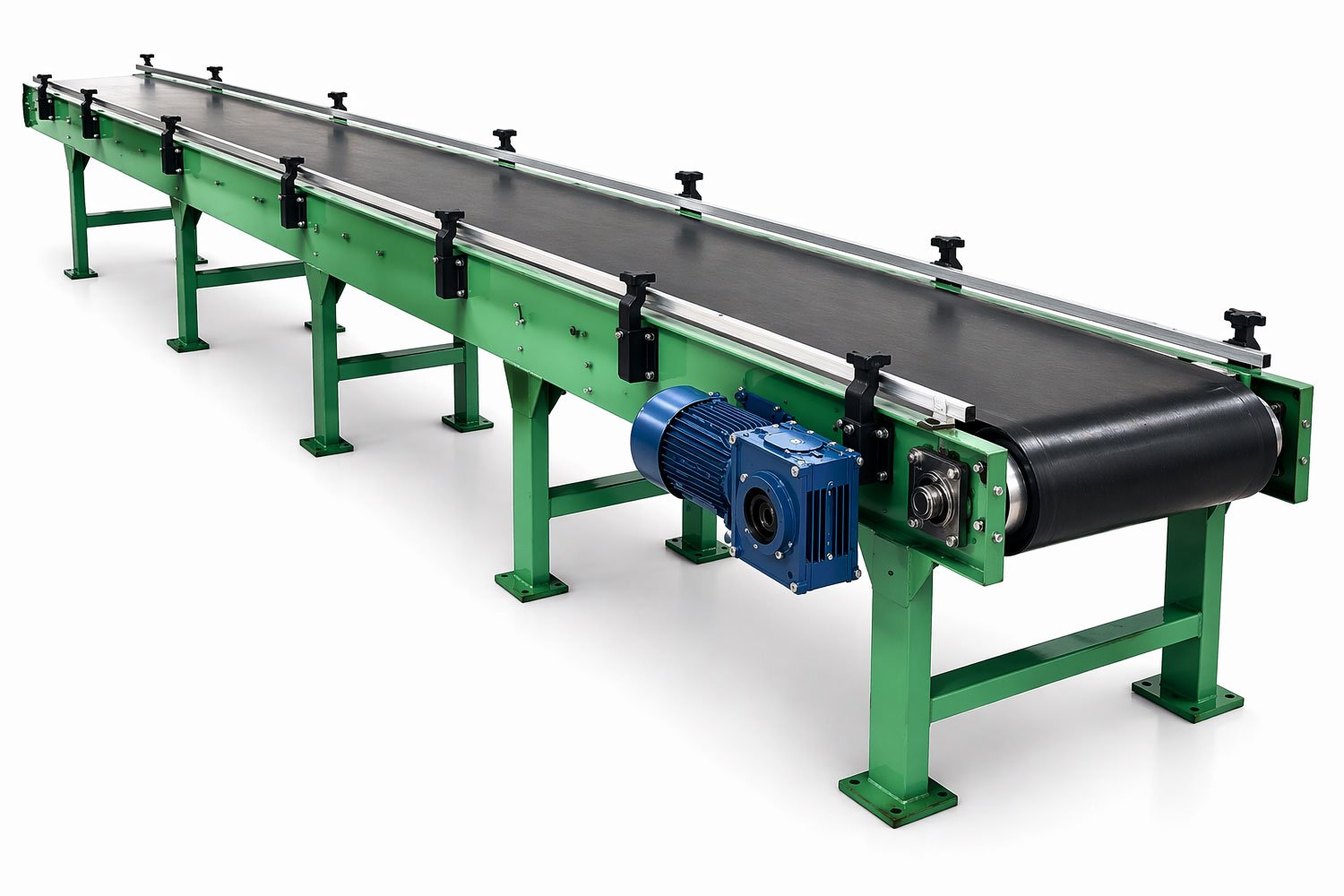
Selecting a reliable conveyor system for your food manufacturing process should be a wise choice since it is an expensive acquisition for your business. In this case, here are factors you should put into consideration before purchasing the system:
- Quality of Material Used: Make sure that the material used is of a food-grade nature, it is non-toxic, non-porous, and resistant to your cleaning chemicals.
- Loading Capability: It should have the ability to handle your loading capacity and should be free from any belt stretching as well as motor overheating.
- Hygienic Nature of the System: Pick those that ensure effective cleaning, which means their structures are not only open but also assemble easily without the use of tools, making bacterial formation impossible.
- Belt Width & Speed Compatibility: Select the system whose belt speed and width match yours.
Foodsure Machines Consults You: We specialise in modern makhana manufacturing technology. Our experts will advise you on choosing, configuring, and integrating the best conveyor systems to increase your production volume while keeping high hygienic standards.
Long-Term ROI of High Quality Conveyor Belt System in Food Processing
Investing in high-quality conveyor systems that meet the standards of food-grade will provide you with an outstanding ROI that goes way beyond the purchase price. By focusing on the durability and excellent engineering of your equipment, you can effectively turn your processing line from a costly burden into a highly productive one.
- Fewer Maintenance Costs: Premium-quality equipment is designed for constant use, which means it requires fewer stops due to unexpected breakdowns compared to inexpensive products.
- Improved Efficiency: The use of well-aligned belts and powerful motors will help improve your efficiency and reduce energy costs during the production process.
- Sanitation: The modern design of premium equipment helps you comply with all food hygiene standards without any additional effort.
- Cost-effective Over Time: Although initially such investments may seem pricey, they pay off through minimised labour costs and reduced expenses on parts and maintenance over the entire operational period of your machine.
Ultimately, investing in quality equipment will help protect your company’s reputation while increasing its profits in the long run.
Conclusion
In terms of choosing conveyor belt systems, any form of saving will never affect your business operations, quality of products, and profits. It is a fact that cheap products lead to expensive maintenance costs, hygiene issues, and eventually raise the total costs of operation.
We would like to advise you to consider investing in premium quality food-grade conveyor belts because the machinery will give you efficiency in your operations. We manufacture custom-made hygienic conveyor belt systems at Foodsure Machines.
Need the right conveyor belt for your food plant?
Get expert advice on food-grade quality, durability, pricing, and the best conveyor solution for long-term savings.
FAQs
Why are cheap conveyor belts risky for food processing?
Affordable conveyor belts have a shorter lifespan, leading to potential contamination and greater costs over time.
What is the best material for a food-grade conveyor belt?
Stainless steel and food-grade PVC are recommended due to hygiene and longevity.
How long does a high-quality conveyor belt last?
The high-quality conveyor belt may serve for 5-10 years if properly maintained.
What are the hidden costs of low-quality conveyor belts?
Recurring malfunctions, losses, and maintenance raise the total cost.
How to choose the right conveyor belt for a food factory?
Choose depending on material, load-bearing capacity, hygiene level, and production needs.