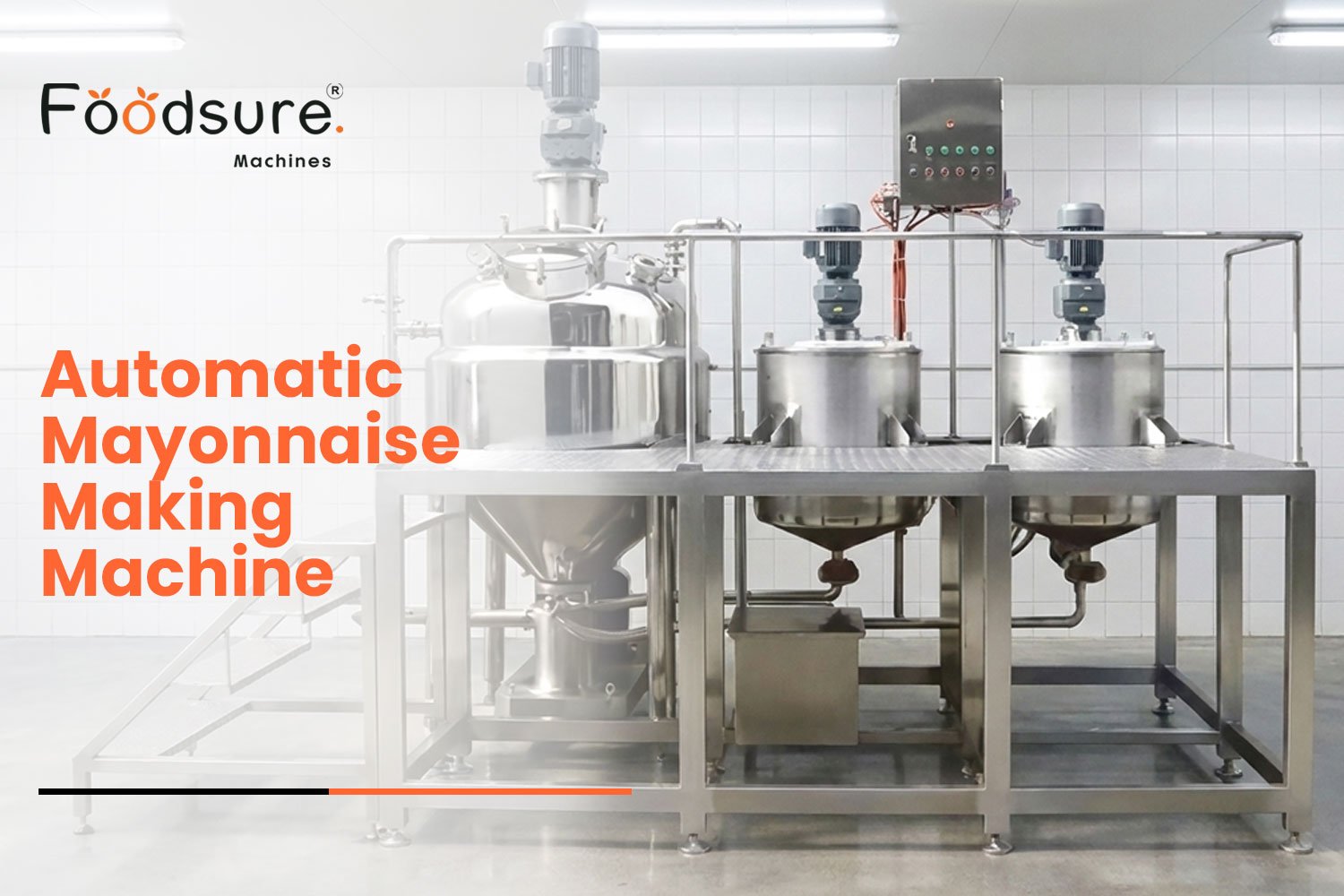
India’s processed food market is racing toward $535 billion by 2027, yet most small units still lose margin due to manual mixing, inconsistency, and high labour dependence. So here’s the question: what’s the one upgrade that fixes all three? Automatic mayonnaise making machines the system is built to remove errors, cut costs, and scale production fast.
The Hidden Challenges Food Processors Face With Small-Scale Mayonnaise Machines
This is due in part to many of the outside influences on the economy, as well as external economic pressures and challenges from the environmental sector.
- Disruption of Supply Chains and Rising Costs of Raw Materials and Energy have resulted in the continued high demand for raw material inputs in the processing industry and the increase in energy utilization by the industry.
- Labor Shortages are creating problems in attracting and keeping qualified workers and driving up operating costs. Therefore, there is a reliance upon automation and technological solutions for efficiency, productivity, and consistency.
Additionally, Regulatory and Compliance issues associated with food safety and quality have increased the complexity of these requirements, making it difficult for processors to comply with these regulations.
How Automatic Mayonnaise Making Machines Fix Everyday Production Problems
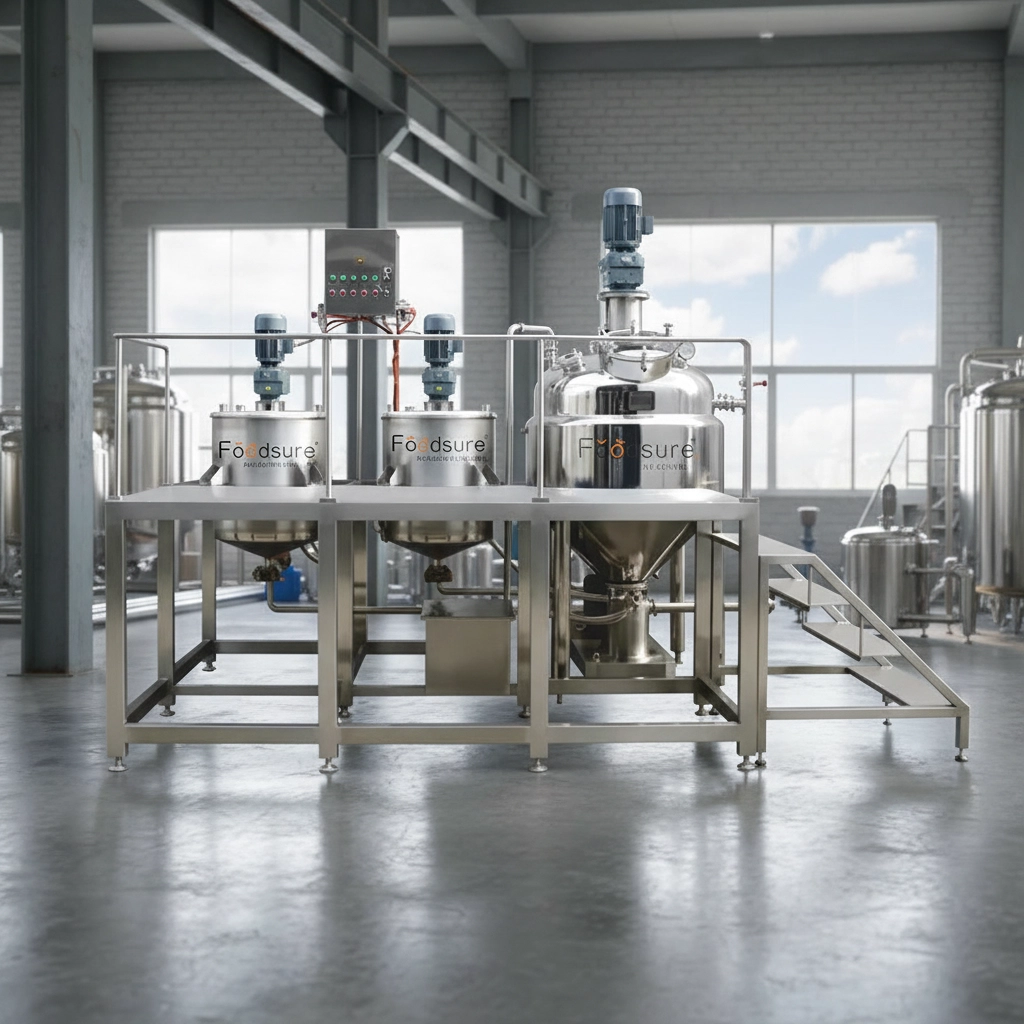
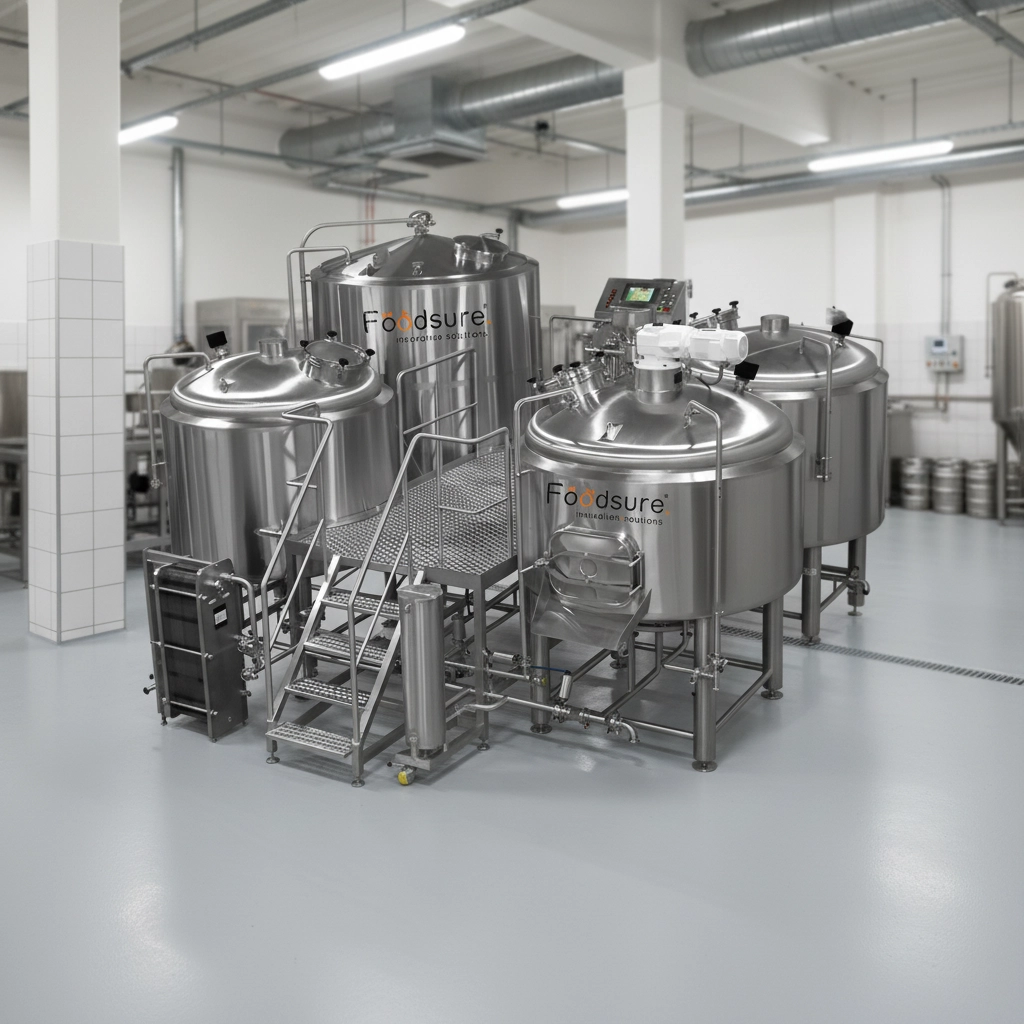
A mayonnaise manufacturing machine that manufactures mayonnaise automatically addresses all the issues associated with producing mayonnaise using traditional methods through better control and more accurate measurement of ingredients.
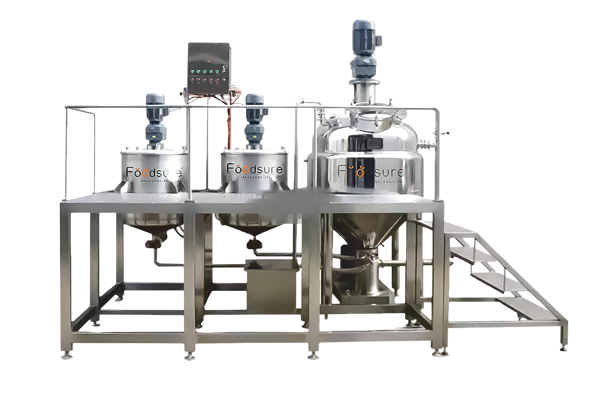
- The process of producing a mayonnaise emulsion utilizing a high-shear emulsifier (HSE) under vacuum conditions guarantees a very fine, even emulsification of vegetable oils.
- The use of PLC-based dosing equipment allows for the accurate measurement and combination of all ingredients (including fats/oils), and therefore eliminates human error, spills, and product rework.
- CIP cleaning systems and sanitary stainless-steel products used in automated cleaning and sanitation reduce or eliminate the possibility of contamination, while greatly reducing the time and effort required to clean.
- The production of mayonnaise via high-speed manufacture and continuous running of multiple batches dramatically increases the output of the production facility and greatly reduces the amount of labour required to operate the machinery used to manufacture mayonnaise.
What You Actually Save When You Switch to Automatic Mayonnaise Making Machines
| Parameter | Manual / Semi-Auto Setup | Automatic Mayonnaise Machine (100 kg/hr) | What You Save |
|---|---|---|---|
| Machine Price | ₹3–6 lakh | ₹12–18 lakh | — (Higher upfront, faster ROI) |
| Batch Time | 60–90 minutes | 20–30 minutes | 40–60 minutes per batch |
| Labor Required | 4–6 people | 1–2 people | ₹1.5–3 lakh/month |
| Batch Loss / Rework | High (2–5%) | Near zero | ₹20,000–₹60,000/month |
| Energy Usage | Higher (no load optimization) | Optimized motor load | 10–18% lower bills |
| Ingredient Wastage | Frequent overdosing | Automated dosing | ₹15,000–₹40,000/month |
| Hygiene & Compliance Cost | More manual cleaning | CIP (Clean-In-Place) system | Saves labor & downtime |
| Annual Savings | — | — | ₹5–15 lakh/year |
Read More: 2025 Buyer’s Guide: Fully vs Semi-Automatic Mayonnaise Machines – Which One Wins?
How to Pick the Right Automatic Mayonnaise Making Machine for Your Plant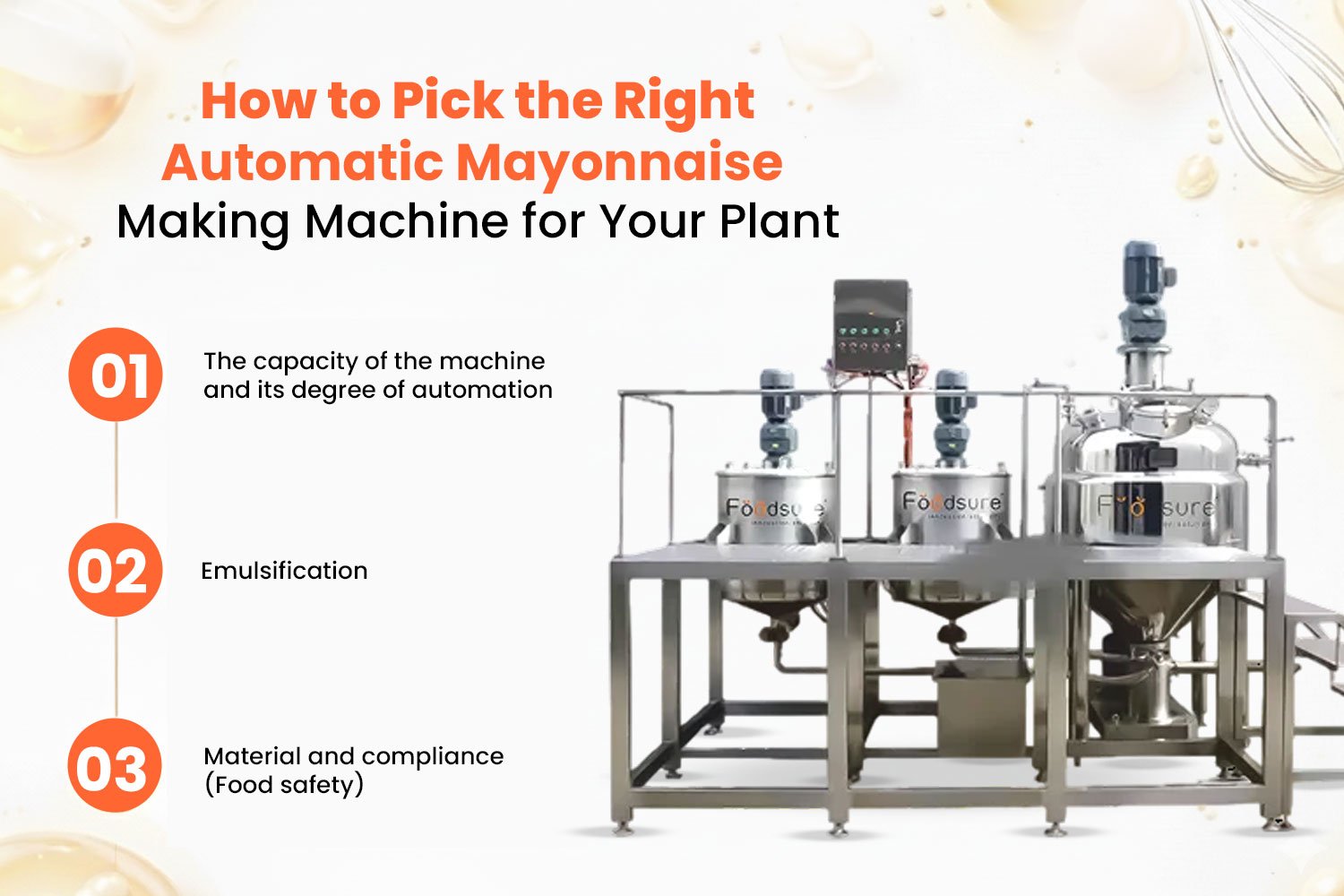
When buying an automatic mayonnaise making machine, you should consider three aspects:
- The capacity of the machine and its degree of automation: you should take the capacity of the mayonnaise processing machine (for example, 200 kg/hour vs. 1000 kg/hour) against what you expect to sell in each hour. A new company might want to use a partially automated machine that produces smaller batches and requires more manual labor.
- Emulsification: Your automatic mayonnaise making machine should include a vacuum high shear emulsification machinery so that the final product produced by the machine will contain particles less than (sub micron) in size and will be produced under a vacuum.
- Material and compliance (Food safety): Any part of the mayonnaise production equipment that touches food must be made from fully sanitary (TP 316 L or 304) stainless steel to ensure durability, be safe to use, and not corrode.
Read More: How To Set Up A Profitable Mayonnaise Production Line
What You Should Always Ask a Mayonnaise Machine Supplier
It is critical to obtain complete and accurate data regarding the supplier’s overall performance, reliability, and total cost to own the product over the entire life of the product. To identify problems that may not be obvious and to avoid unexpected additional costs, it is necessary to ask the right questions prior to making an investment. Consider asking the following questions:
- Estimated manufacturing efficiency, actual hours of production, and batch time.
- Rework percentage and assurance of consistency with respect to the quality of work.
- Availability of trained technicians for technical support.
- Estimated installation, validation, and ongoing in-house support.
- Warranty availability, spare parts availability, and service level agreement.
Read More: Best Mayonnaise Machine Companies In India: All You Need To Know
Conclusion
The automatic mayonnaise making machine is not only an improvement over existing machines. However, it also provides all processors with a new standard for speed, consistency, and hygiene. At Foodsure Machines, we help manufacturers scale smarter by providing them with consistent, reliable systems that allow manufacturers to grow faster. When you’re ready for increased production, let us help you achieve your goals by providing you with the best mayonnaise solutions available.
FAQ
Q1. What is an automatic mayonnaise making machine?
It’s a system that takes over mixing, emulsifying, and stabilizing mayonnaise so you don’t have to manage each step by hand.
Q2. How does it improve consistency?
It controls shear rate, RPM, and dosing with real precision, which means every batch comes out with the same texture.
Q3. What capacity options are available?
You’ll see models starting at 50 kg an hour and scaling well beyond 1000 kg an hour.
Q4. Does it reduce labor needs?
Yes. Most plants run the entire line with one or two operators.
Q5. Is CIP cleaning included?
In most automatic setups, yes. CIP keeps hygiene tight and cleaning predictable.
Q6. Can it handle eggless and flavored mayo?
It can. The PLC memory stores multiple recipes, so switching variants is quick.
Q7. How much does it cost?
Entry-level automatic machines start around ₹12 lakh and go up with capacity and features.
Q8. What power supply does it need?
A standard three-phase industrial connection is usually enough.
Q9. Does it reduce batch time?
Yes. It often cuts your cycle time by half, sometimes even more, depending on the model.
Q10. Is ingredient dosing automated?
Yes. Oil, water, and stabilizers are dosed automatically so you don’t lose money on overuse.
Q11. What materials are used?
SS304 or SS316 is standard because both meet food-grade requirements.
Q12.What’s the typical payback period?
Most manufacturers recover their investment within six to eighteen months.