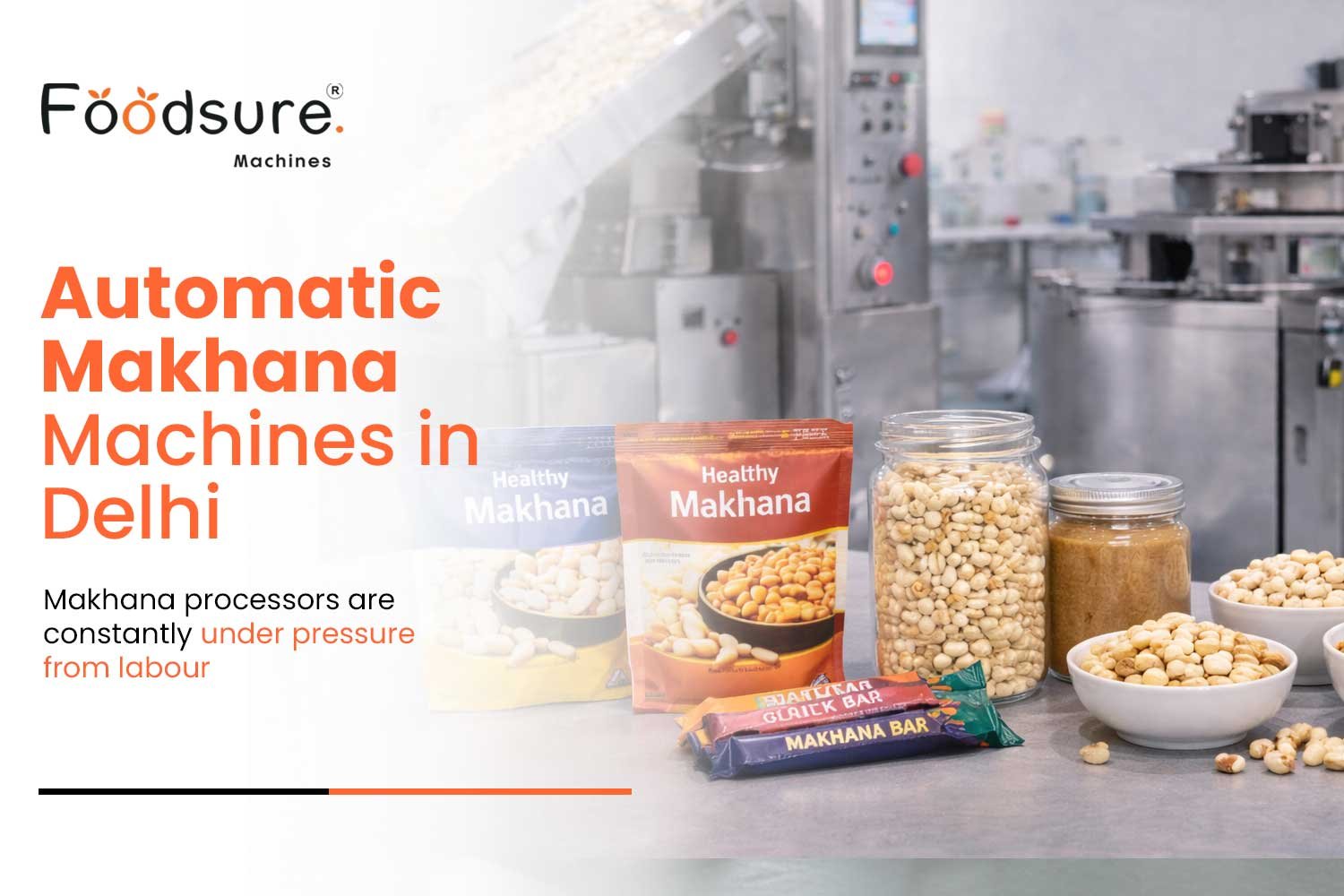
Automatic Makhana Machines in Delhi are gaining traction as demand for roasted and processed makhana surges across the Delhi-NCR region. Most manufacturers begin with manual or semi-automatic makhana machine setups to control costs. However, as orders increase, these systems can limit output, consistency, and dispatch speed. This blog helps you assess when upgrading to automation becomes a smart business move.
Why Manufacturers Are Actively Shifting to Automatic Makhana Machines in Delhi
Makhana processors are constantly under pressure from labour fluctuations, increased compliance costs, and stringent dispatch commitments. Full manual and semi-automatic facilities require extensive monitoring, particularly during night shifts when production is at its lowest and mistakes are at their highest. There are industrial clusters in Bawana, Narela, Okhla, and Noida that are limited by space; batch-based workflows can’t cope with the seasonal demand spikes of retailers, exporters, and aggregators.
- Labour absences disrupt continuous production.
- Increased supervision fatigue can lead to errors in roasting and grading.
- Under volume pressure, rework and rejection rates go up.
- Parallel processing is limited by the availability of floor space.
- There is no buffer for batch delays because of fixed dispatch windows.
The Bottlenecks That Automatic Makhana Machines Eliminate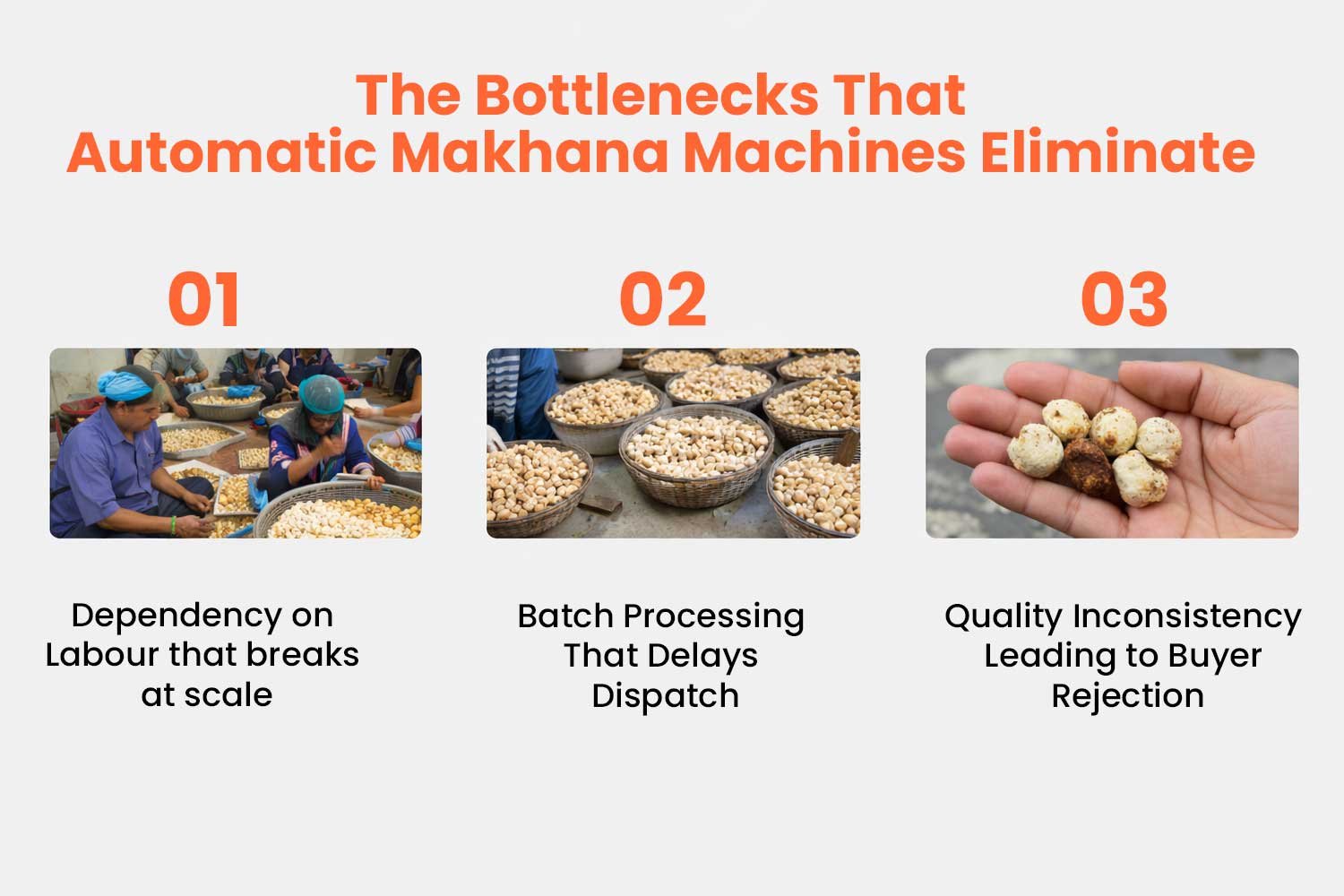
Dependency on Labour that breaks at scale:
Every production hour is infused with variability due to manual control. Decisions made by operators about grading standards and roasting intensity change during shifts. Instead of being process-driven, output becomes person-dependent. Increasing the workforce promotes variation rather than ensuring consistency. Regardless of workforce availability or personal preference, an automated makhana processing equipment guarantees parameter-led output.
The following major problems were resolved:
- Variability in skill-dependent quality.
- Fatigue from supervision during long or night shifts.
- Variability in output among operators.
Batch Processing That Delays Dispatch
Systems that are semi-automatic work sequentially. The subsequent batch is blocked by the previous one. Unfinished orders build up more quickly than clearance capacity during periods of high demand. Particularly in Delhi-NCR units with limited space, dispatch commitments are stretched. Continuous processing, cycle time compression, and delivery schedule stabilisation are made by a commercial makhana making machine.
The following major problems were resolved:
- Orders pile up during seasonal spikes.
- Floor-space congestion from in-process merchandise.
Quality Inconsistency Leading to Buyer Rejection
Texture and shelf stability are compromised by uneven roasting. Container uniformity is distorted by inconsistent grading. Rejections, discounts, or fewer orders are the response from buyers. Rework increases expenses and subtly damages trustworthiness. Automation guarantees consistent grading and regulated roasting curves that meet commercial buyer requirements.
The following major problems were resolved:
- Non-uniform roast profiles.
- Grading discrepancies across batches.
- Deterioration of brand credibility with exporters and retailers.
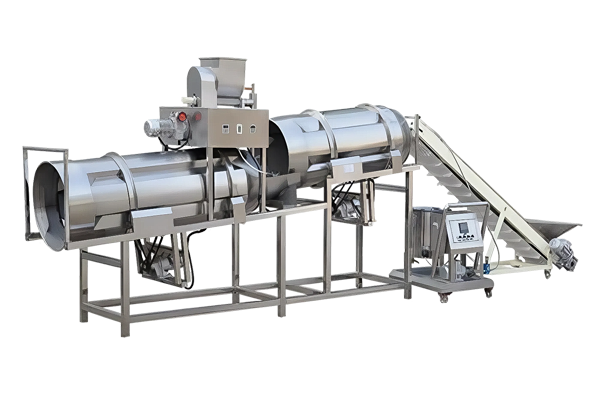
Roasted Makhana Machine In Delhi
What Makes Automatic Makhana Machines Practical for Delhi Units
There is a common misconception that automatic systems require a lot of space and consume a significant amount of power. In fact, they are designed and developed to work in very crowded places like Delhi and Delhi-NCR, where the floor space, availability of labour, and the need to comply with regulations all meet.
Reasons for their suitability for Delhi units:
-
- Compact Measurements: By reducing the number of machines dispersed throughout the Bawana, Narela, and Okhla facilities, integrated roasting, grading, and cooling operations free up useful floor space.
- Controlled Power Consumption: Manual roasting causes energy shortages that are avoided with the use of load-balanced motors and temperature-controlled heating.
- Cleaner Operations: The entire processing area is enclosed so that no dust, spills, or cross-contamination can occur, which is the most important part of FSSAI compliance and food audits.
When Does Upgrading to an Automatic Makhana Machine Make Business Sense?
- Output per day is always above 300-400 kgs: For this amount, the manual control is already giving up. The heat control, the grading accuracy, and the throughput stability are all going down, and this causes operational stress and hidden losses.
- Rejection or rework going beyond 5-7%: The small inconsistencies are not only a problem, but the main problem. The activities of trimming, re-roasting, and repacking are gradually reducing the profit margins and postponing the dispatch.
- Labour management seems to be a nightmare: The different work schedules, unavailability of workers, and lack of skilled workers are not only making the production slower but also transforming the whole process into a daily battle instead of a predictable procedure.
- Dispatch delays becoming a common practice: Batch dependencies are prolonging the timelines, increasing the likelihood of incurring penalties from both the retailers and the exporters.
- Expansion envisaged in the next 6-12 months: The only guarantee that automation will provide is merely an increase in capacity without multiplying the labour, space, or quality risks.
What to Look for When Buying Automatic Makhana Machines in Delhi
The excellent choice of an automatic makhana processing machine not only saves money but also eliminates the possibility of future production stoppages.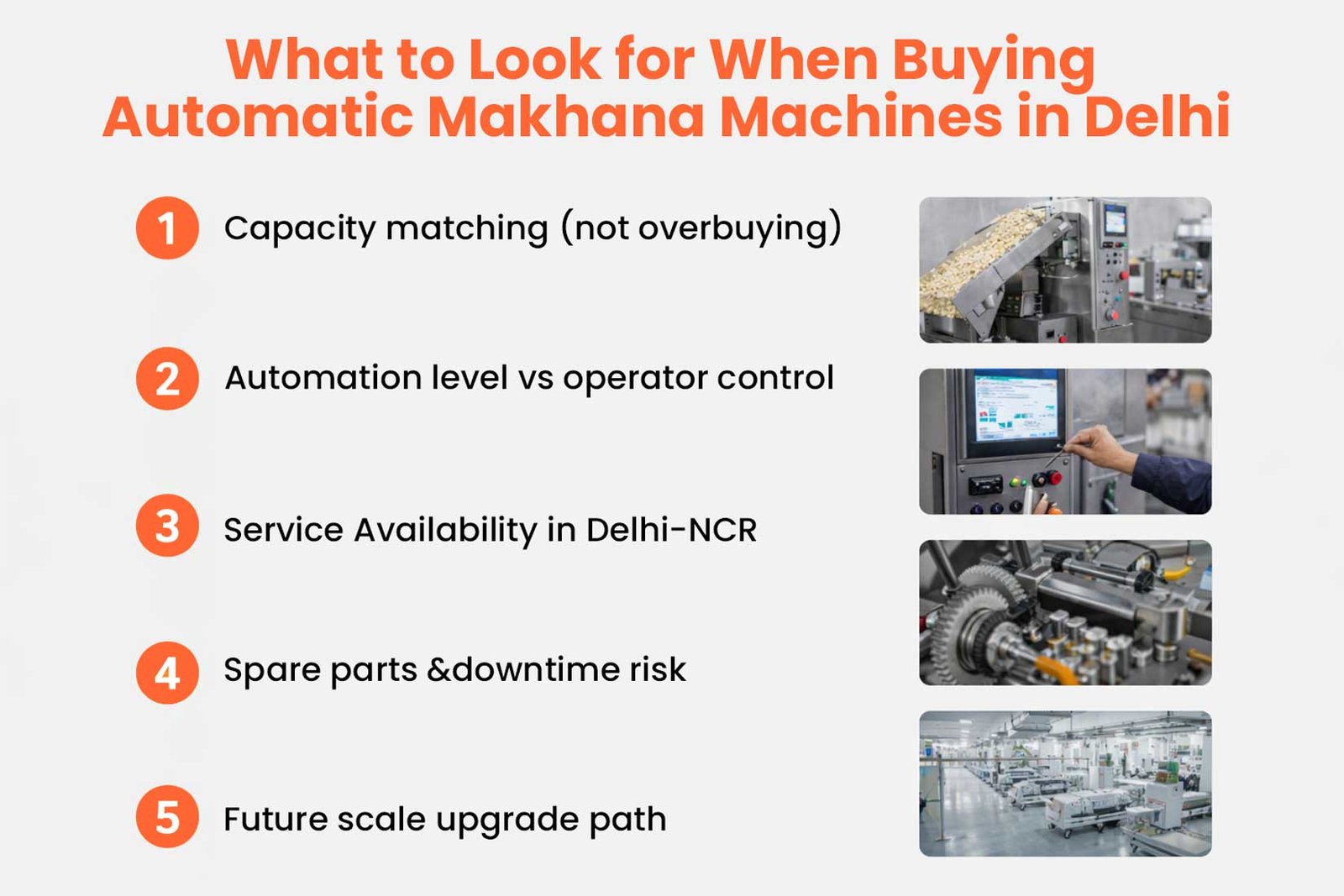
- Capacity matching (not overbuying): Measure the present and near-future demand and choose machines accordingly. Bigger systems are not only expensive but also use up a lot of space in the expensive industrial areas of Delhi, with no ROI.
- Automation level vs operator control: Opt for configurable automation, where a whole process is done automatically, but it still allows human intervention for fine-tuning. This setup guarantees consistency while at the same time providing the option of flexibility for certain orders.
- Service Availability in Delhi-NCR: Prefer those suppliers who either have their service personnel stationed nearby or have quick response units located in Delhi, Noida, and Ghaziabad so that the unavailability time can be minimised.
- Spare parts &downtime risk: Confirm the availability of spare parts along with the lead times and guarantee. The lack of availability of spare parts leads to prolonged downtime and, thus, the stoppage of income.
- Future scale upgrade path: Check if the system is open for modular upgrades (e.g., larger feeders, sophisticated grading optics, or export quality packing). Thus, the company’s expansion will not require that an entire machine be replaced.
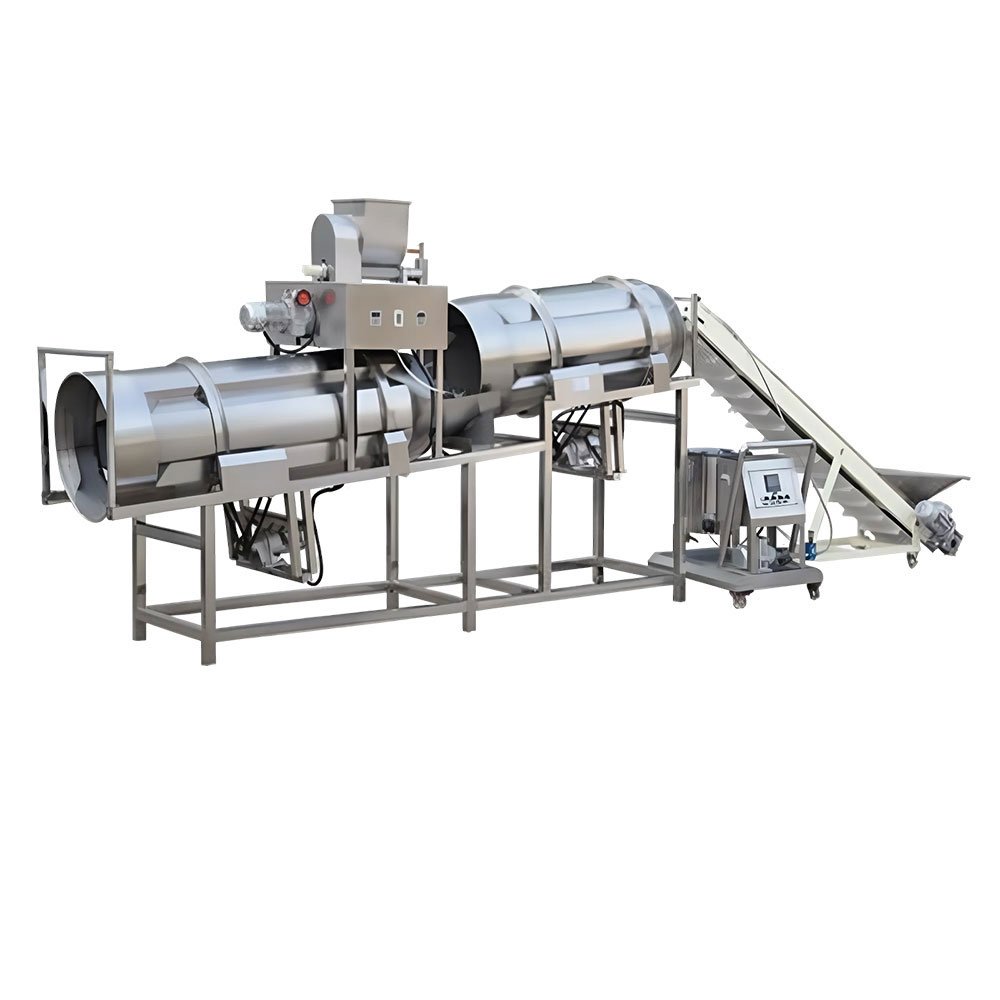
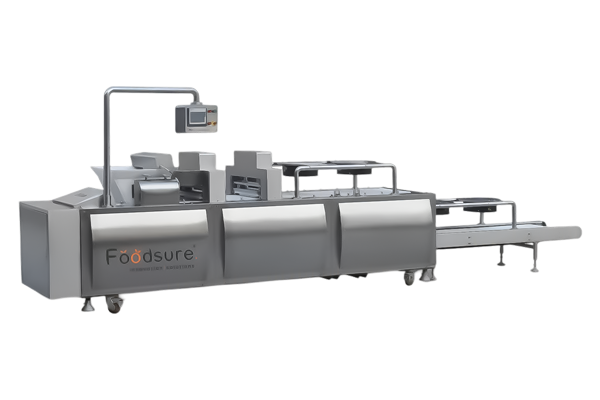
Automatic Makhana Roasting Machine
Conclusion
The Automatic Makhana Machines in Delhi are not about taking jobs away from people but rather about creating a production system that guarantees the same quality, batch after batch, and shift after shift. Foodsure Machines supports the manufacturers of Delhi in scaling up their production, taking the risk out of control over the quality, operating cost, and food compliance.
Frequently Asked Questions
What are the automatic makhana machines in Delhi?
They handle roasting, grading, and processing with preset controls, so output stays consistent without constant human adjustment.
Why are automatic makhana machines popular in Delhi?
Labour is unpredictable, and space is tight, and these machines solve both without slowing production.
When should a manufacturer upgrade to an automatic makhana machine?
Once daily output crosses 300–400 kg, manual control starts breaking down, and quality becomes harder to hold.
Are automatic makhana machines suitable for small manufacturers in Delhi?
Yes, many systems are built specifically for compact Delhi-NCR units where floor space is limited.
Do automatic makhana machines reduce labour costs?
Fewer people are needed per shift, and far less supervision is needed to keep quality steady.
How do automatic makhana machines improve product quality?
They keep roasting temperatures and grading standards fixed, batch after batch, shift after shift.
What floor space is required for automatic makhana machines?
Most fit comfortably into standard industrial layouts used across Delhi’s processing clusters.
Are automatic makhana machines power-efficient?
Yes, controlled heating and balanced motor loads prevent the spikes common in manual roasting setups.
Can automatic makhana machines handle continuous production?
They’re designed for continuous production, which removes batch waiting and keeps dispatch schedules predictable.
Is local service available for automatic makhana machines in Delhi?
Reliable suppliers maintain service teams across Delhi, Noida, and Ghaziabad to reduce downtime.
Do automatic makhana machines help reduce rejection rates?
Consistent roasting and grading significantly reduce rejection rates and buyer complaints.
Are automatic makhana machines compliant with food safety regulations?
Yes, enclosed designs and cleaner workflows align well with FSSAI audits and food safety requirements.