Mayonnaise is among the most popular condiments consumed around the world. Available in almost all kitchens and food processing plants, the condiment is rich, versatile, and very easy to understand. However, did you know that mayonnaise is not only popular but is also made from a very interesting method? Do you know what ingredients go into making mayonnaise and how can you make it at home?
This article answers all your questions about this wonderful condiment.
What Is Mayonnaise? A Quick Introduction
Mayonnaise is an oily emulsion that is made using oil, egg yolk, and an acidic component like vinegar or lemon juice.
This sauce is consumed all over the world and is used both as a dressing and as a component for making other sauces. The global mayonnaise market was estimated at over USD 14 billion in 2023 and is forecast to achieve a CAGR of about 4.5% between 2024 and 2030.
What makes mayonnaise unique lies not in its components but in how those components interact.
Main Ingredient of Mayonnaise Breaking It Down
Mayonnaise has four key components. Each plays a specific role.
However, the most important ingredient is undoubtedly oil. It constitutes the thick, creamy base of the mayonnaise. Commonly used varieties of oils include sunflower, canola, and soybean oils, but olive and avocado oils are sometimes added for their distinct flavors.
Egg yolk has lecithin, which is a natural phospholipid that holds together oil and aqueous materials. Without it, the components would just separate. Vinegar and lemon juice give sourness and preserve the product. The acidic content reduces the pH value, thereby inhibiting bacteria and increasing the shelf life of the product.
Want to Start Mayonnaise Production?
Get expert guidance on ingredients, emulsification systems, production setup, and commercial mayonnaise machine manufacturing.
The Science of Emulsification, How Is Mayonnaise Made Creamy
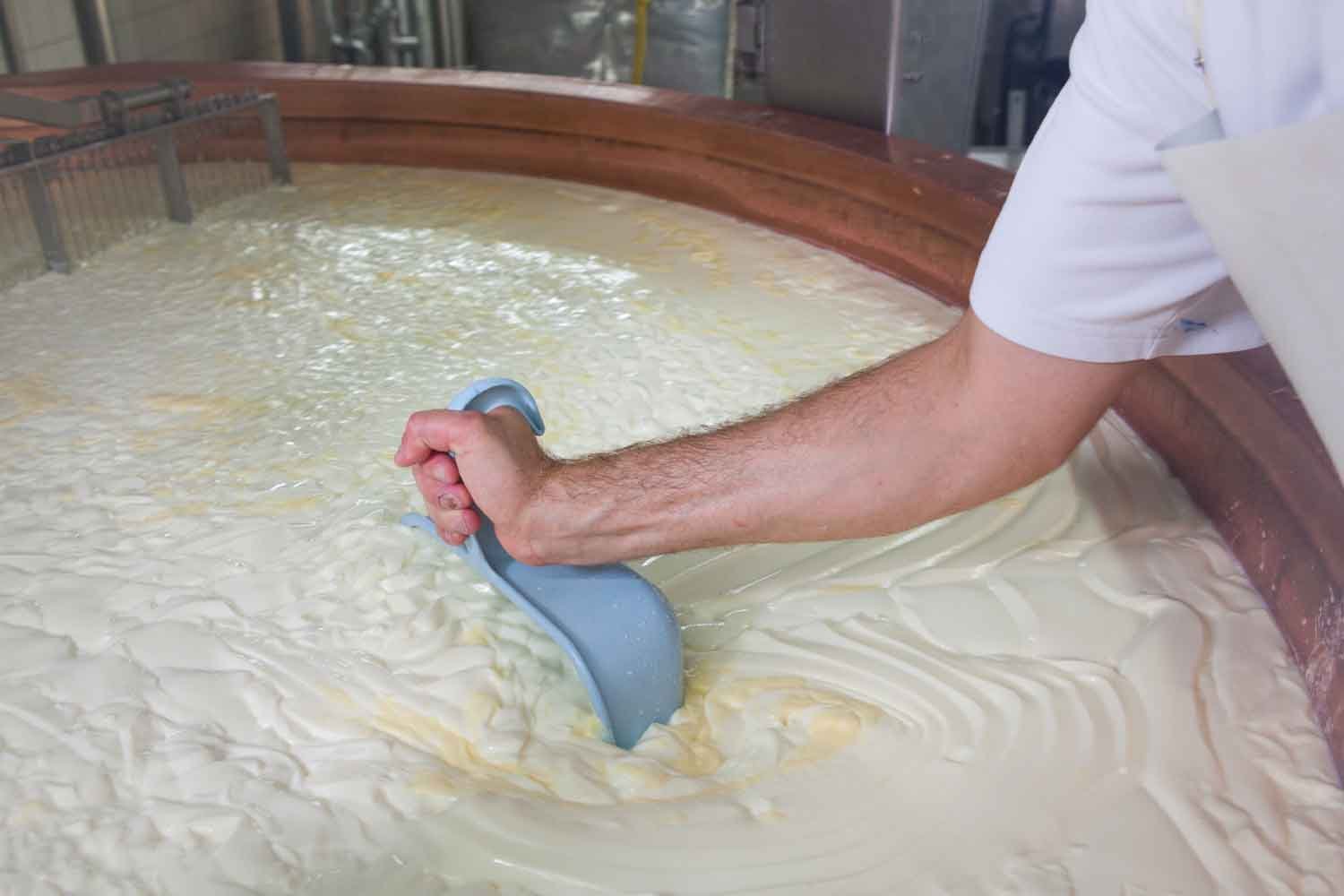
Mayo is an emulsion of oil in water, which means there are little oil drops within the water.
In general, oil and water do not mix. However, using the proper emulsifying agent and technique, oil can be dispersed in minute particles that remain uniformly suspended in the mixture to create a rich sauce.
One end of the lecithin molecule is hydrophilic, meaning it can attract water, while the other end is hydrophobic, meaning it can attract oil. Lecithin molecules surround individual droplets of oil, ensuring separation from other oil droplets.
Why mixing speed and temperature affects how is mayonnaise made
- Pouring oil too quickly into the mixture saturates the lecithin → emulsification fails
- Using cold liquid reduces the effectiveness of lecithin → weak emulsifying effect
- Ingredients at room temperature (about 20-22°C) provide the best consistency
How Is Mayonnaise Made: Full Ingredient Breakdown
Knowing the ingredients that make up mayonnaise can improve your ability to make it properly.
| Ingredient | Role | Best Options |
|---|---|---|
| Oil | Rich base | Sunflower, Canola |
| Egg Yolk | Binding agent | Fresh yolk |
| Acid | Sharp flavor | Lemon, Vinegar |
| Water | Adjust density | Filtered water |
| Salt | Enhances taste | Sea salt |
Optional Ingredients That Enhance Flavor
They are not crucial, but they play an important part in the final taste profile.
Dijon mustard has mucilage content from mustard seeds that increases emulsification and provides additional flavor and a little kick.
Salt, sugar, and white pepper proportions
Starting point for proportions per 1 cup of mayonnaise:
- Salt: ¼ teaspoon
- Sugar: ½ teaspoon
- White pepper: pinch
Special ingredients for specific varieties
- Roasted garlic: gives you aioli style mayonnaise
- Fresh dill/chives: creates herb flavored mayonnaise
- Spices: results in smoky mayonnaise
How Is Mayonnaise Made at Home Step-by-Step Process
Mayonnaise is easy to make at home. All you need is the proper equipment and technique.
Best equipment: The immersion blender is the quickest and most efficient method, taking less than 90 seconds. The whisk will work, but it can take 5 to 10 minutes of constant work.
Tip before starting: Make sure that the ingredients are at room temperature; cold egg yolk does not combine well with cold oil.
Instructions:
- Mix one egg yolk + one teaspoon of vinegar or lemon juice + salt in a bowl
- Blend continuously while slowly adding oil drop by drop
- After it becomes thick, add seasoning (mustard, pepper, sugar)
- Put it in an airtight container and keep it in the refrigerator – consume within three to five days
Eggless Mayonnaise Ingredients and How It Differs
Eggless mayo has the same oil-acid base just a different emulsifier.
| Ingredient | Role |
|---|---|
| Aquafaba (Chickpea Water) | Best egg yolk substitute |
| Unsweetened Soy Milk | Creamy, widely used alternative |
| Neutral Oil | Provides the rich mayo base |
| Vinegar or Lemon Juice | Adds acidity and preservation |
| Dijon Mustard | Supports emulsification and flavor |
For whom it’s intended: vegans, people allergic to eggs, and those who need to avoid cholesterol. The mayo doesn’t contain any cholesterol and serves its purpose well in dressings, spreads, and dips.
The taste is just as good; only the consistency is a little thinner compared to the traditional one.
How Is Mayonnaise Made Commercially- Industrial Process
Commercial mayonnaise production utilizes the same emulsification process, except that on an extremely large scale. Some of the important distinctions between commercial mayo and hand-made mayo include:
- Use of pasteurized egg liquids (food-grade)
- Stabilizers (xanthan gum) and preservatives (EDTA)
- High shear homogenization, resulting in small, consistent oil droplet sizes
- Production rate of 5,000 to 10,000 jars per hour
| Feature | Homemade | Commercial |
|---|---|---|
| Shelf Life | 3–5 days | 9–12 months |
| Eggs | Raw | Pasteurized |
| Stabilizers | None | Xanthan gum, starch |
| Preservatives | None | EDTA, citric acid |
Why Commercial Mayo Production Requires Proper Machinery
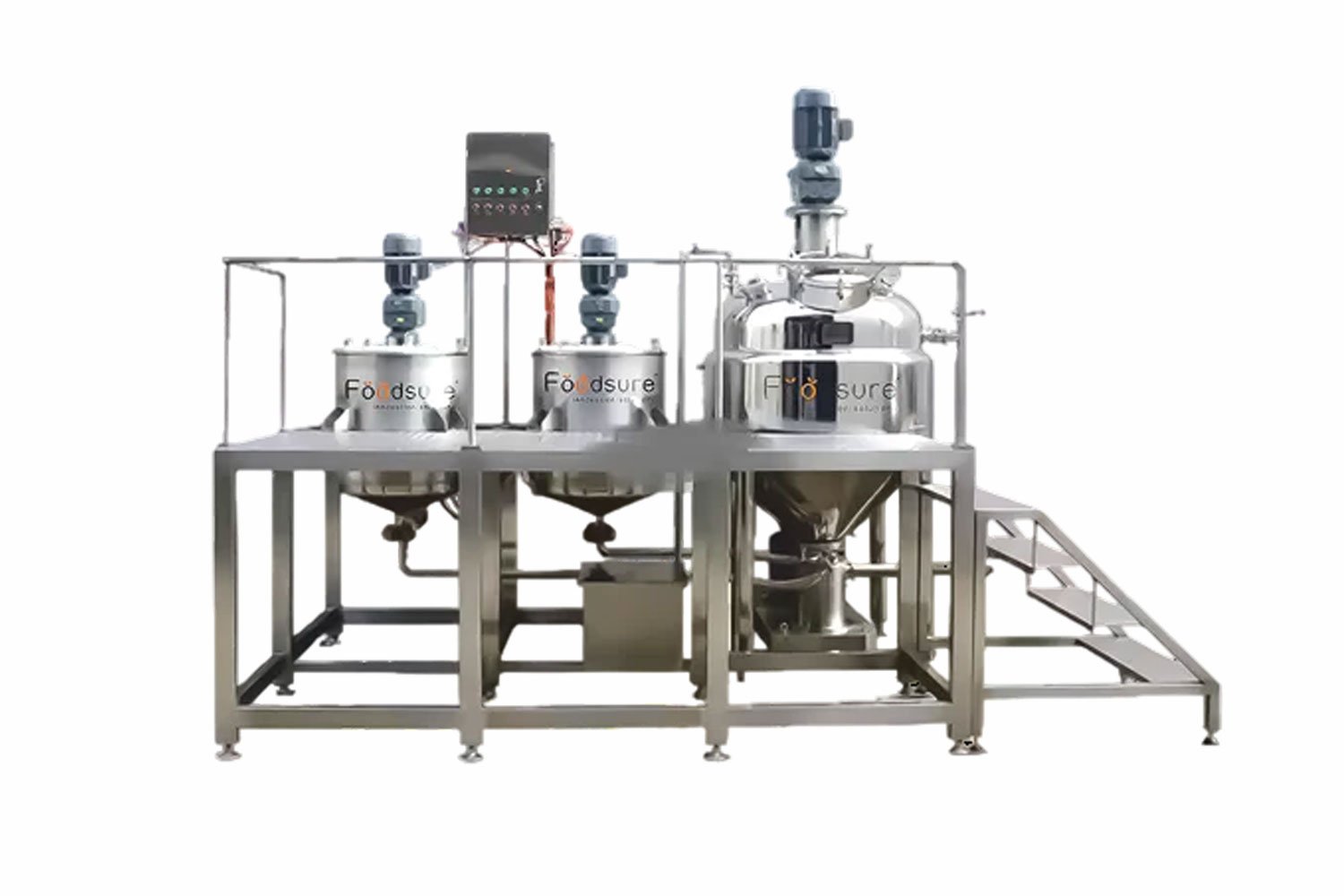
When it comes to large-scale production, consistency is key – and this is where having the proper machinery plays a critical role.
Manual mixing will never guarantee consistency in large batches. Any change in the speed of oil drops or in the temperature of the mixture will result in completely different mayo. Automation ensures there is no room for such deviations.
The main problems faced during production:
- Stability of the emulsion in 500 kg+ batches
- Compliance with hygienic requirements in egg-containing products
- Efficiency and productivity without compromising consistency
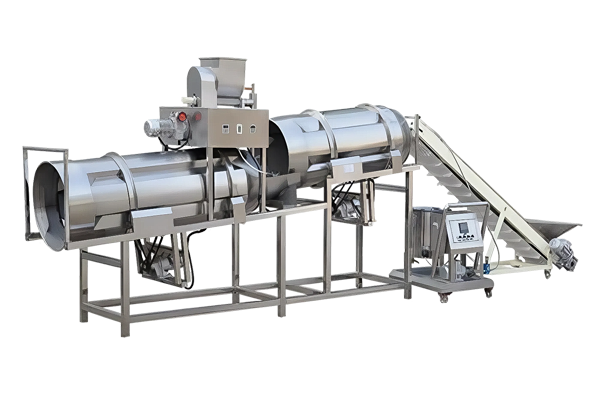
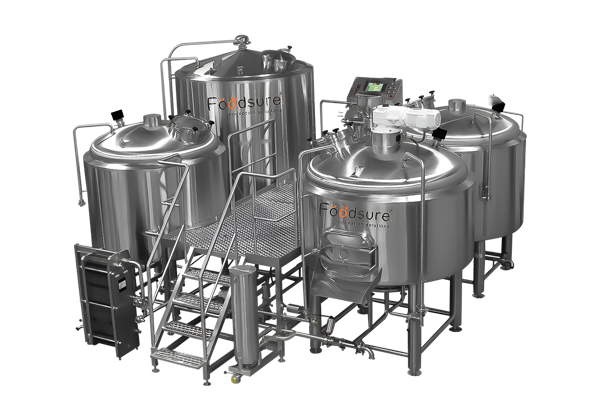
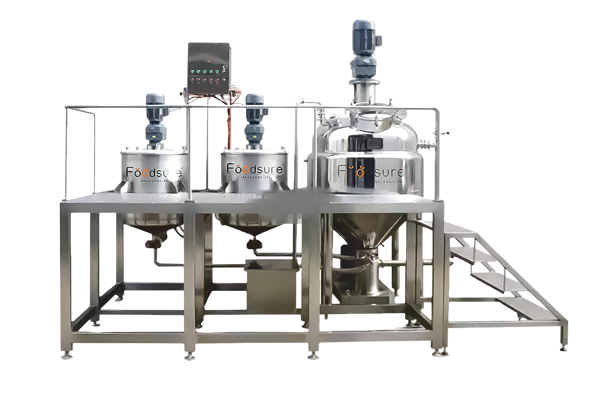
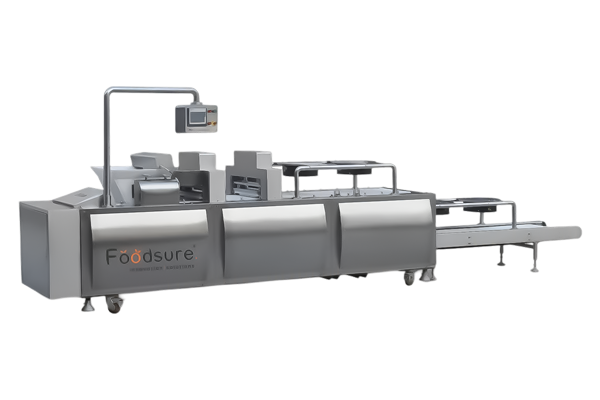
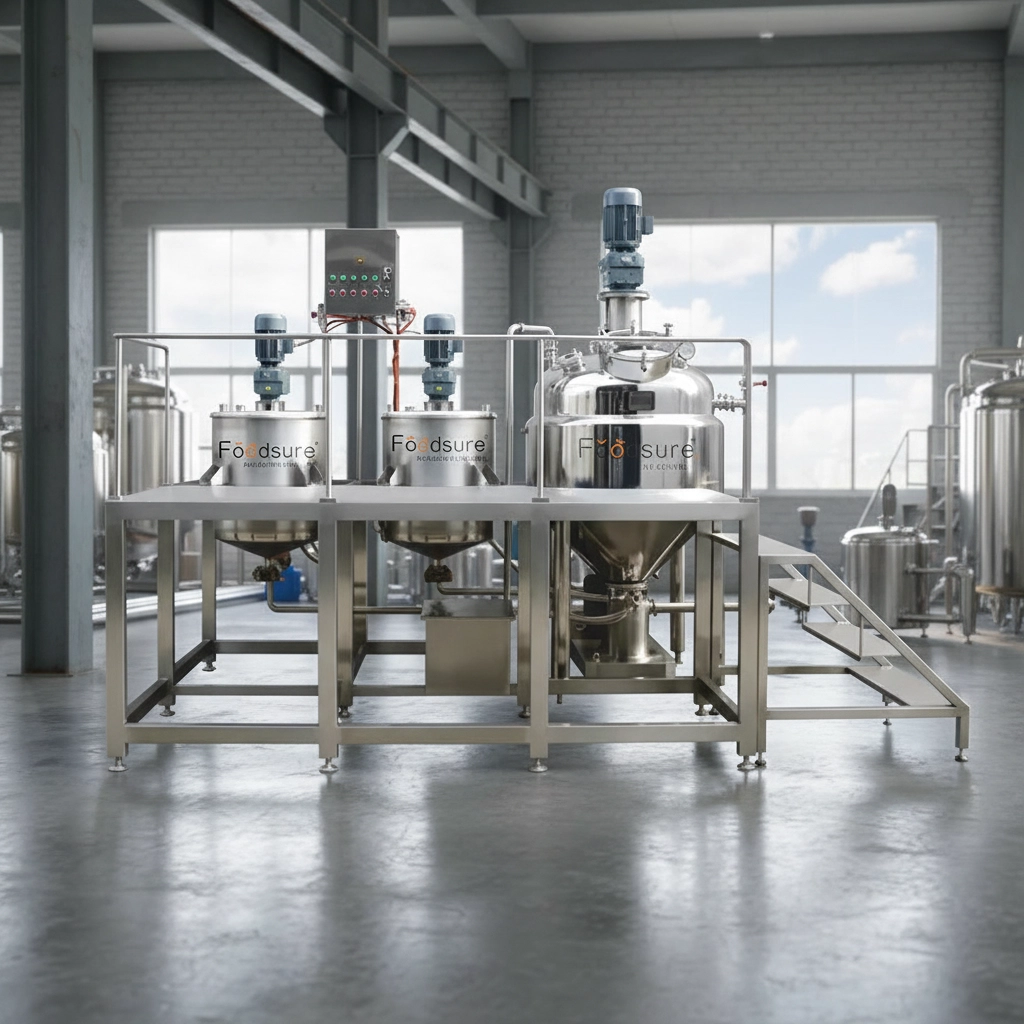
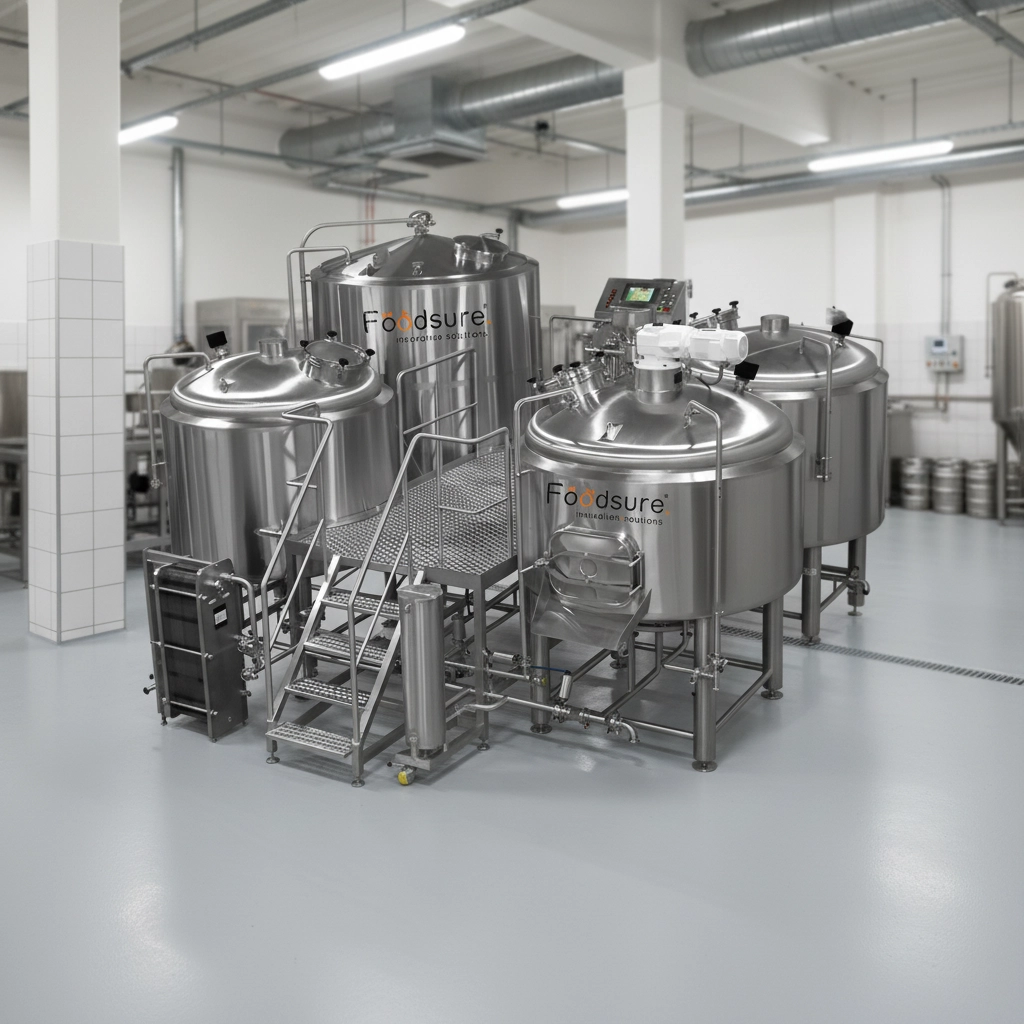
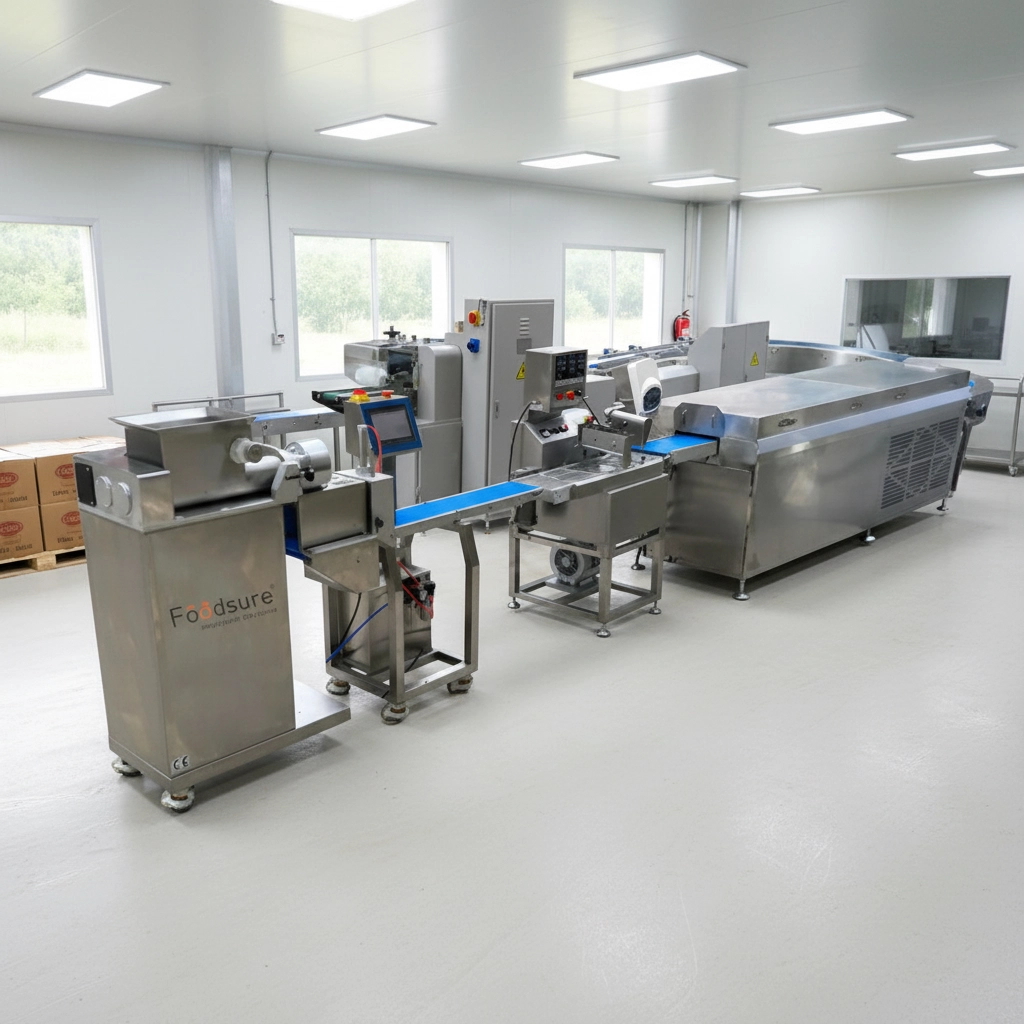
This is where Foodsure Machines step in. Tailored to the production of foods based on emulsions, Foodsure provides high shear mixers, vacuum homogenizers, filling machines, and hygienic CIP systems.
Uses of Mayonnaise in Everyday Cooking
Mayo is far more versatile than most people realize.
- Spreadable: sandwiches, wraps, rolls
- Dressing: Caesar salad, coleslaw, potato salad
- Grill tip: Apply mayonnaise to your fish or chicken before grilling; it keeps the meat moist and browns nicely
- Cake baking: Mix in 2 to 3 tablespoons for extra richness and moisture
Pairing guide:
- Kewpie → sushi rolls, ramen, okonomiyaki
- Chipotle mayo → tacos, burgers, grilled corn
- Herb mayo → grilled fish, chilled chicken
- Light mayo → light slaw and dressings
Is Mayonnaise Healthy?
Mayo can be included in almost all diets in small quantities.
- Full-fat mayonnaise: about 90–100 kcal per tablespoon
- Low-fat mayonnaise: 35–45 kcal per tablespoon
- Mayonnaise without eggs: 70–90 kcal per tablespoon
The bulk of the fat content in mayonnaise is made up of unsaturated fatty acids obtained from vegetables, which are regarded as healthy for the heart in moderate amounts. The amount of
Conclusion
Learning about the process of how is mayonnaise made, from the chemistry of emulsification to the comparison between home-made and factory-made, allows one to know how to utilize mayonnaise effectively, and which mayonnaise should be used in specific situations.
Foodsure supplies you with all the industrial equipment required for turning your production of mayonnaise into a truly commercial process.
Making mayo consists of a few key ingredients: oil + egg yolk (or an alternative ingredient)+ acid. That’s all there is to it.
When it comes to manufacturing processes, equipment plays a critical role in ensuring consistency and avoiding wasted batches. If you’re looking for industrial mayonnaise development , Foodsure Machines will deliver them.
Want to Start Mayonnaise Production?
Get expert guidance on ingredients, emulsification systems, production setup, and commercial mayonnaise manufacturing.
FAQs
What are the basic components of mayonnaise?
Oil, egg yolk, and acid (vinegar or lemon juice) make the core of any type of mayonnaise.
What is the primary component in mayonnaise that gives it the creamy texture?
Oil comprises about 70 to 80% of the total volume of mayonnaise. Egg yolk emulsifies oil to give creamy texture to the mayonnaise.
What is eggless mayonnaise?
Eggless mayonnaise is prepared by substituting egg yolk with aquafaba or unsweetened soy milk while maintaining all other components including mustard and oil.
Name a few variants of mayonnaise?
American, Kewpie from Japan, European, Spanish aioli, vegan, eggless, chipotle, sriracha, truffle etc.
Is there any difference between factory-produced mayonnaise and home-prepared mayonnaise?
Factory-produced mayonnaise is made from pasteurized eggs, stabilizing agents, industrial-level homogenizers, and packing machines.