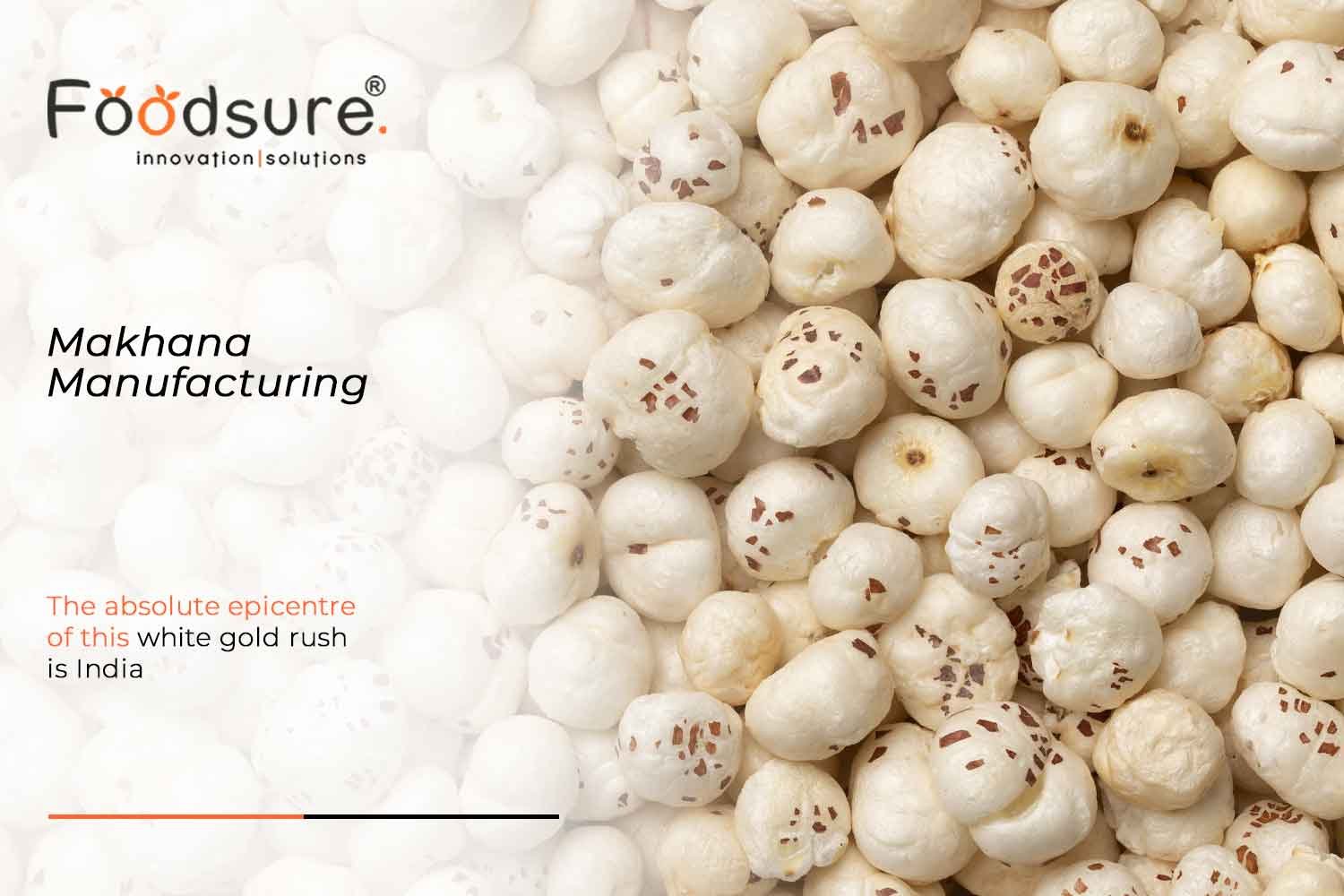
Over centuries, the makhana (fox nuts) were hidden in the religious food section and were mostly consumed in temples or during fasts. Now in 2026, this lowly water nut has gone through a radical change. Now it is a multi-billion dollar worldwide super-food, with its place on the shelves of fine supermarkets in Mumbai to Manhattan.
The absolute epicentre of this white gold rush is India, which controls a staggering 90% of the market share in the world. As health snacking, gluten-free diets, and a prestigious GI tag to Mithila Makhana gain popularity, the growth prospects are unlimited. When you are a food entrepreneur and want a high margin, scalable business, there is no doubt that the most profitable thing that you can do this year is to start a makhana manufacturing unit.
The Market Potential: Decoding the Economics of Makhana Manufacturing
The economic nature of a makhana manufacturing venture is related to its exclusive demand-supply discrepancy. The demand is worldwide, but production is concentrated in certain states in India, such as Bihar and Assam.
- Global Trend and Demand: The new generation of consumers is abandoning greasy potato chips in favour of Clean Label, foods with natural, simple ingredients. The market of fox nuts is expected to increase by more than 8% till 2035.
- The Profit Margin Gap: The raw makhana seeds are cheap when they are obtained at the farms. But once the makhana manufacturing process is complete, roasted, flavoured, and branded, the retail value may increase 400 – 500%.
- Government Support: This sector is actively supported by the Indian government. The entrepreneurs are eligible to receive a 35% credit-based subsidy (up to ₹10 lakh) in order to establish a makhana production plant under the PMFME (Pradhan Mantri Formalisation of Micro food processing Enterprises) scheme.
The Makhana Manufacturing Process Step by Step
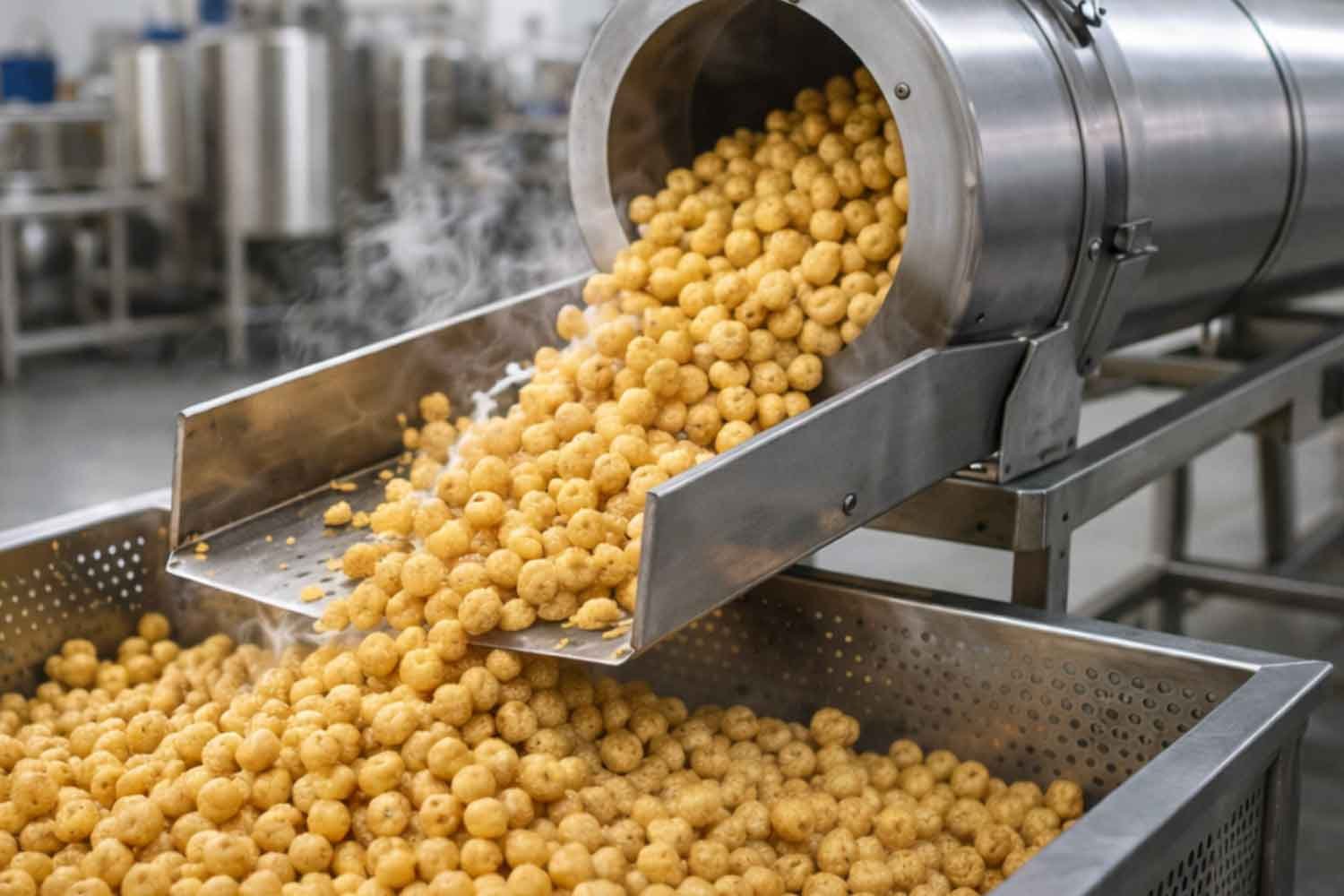
The makhana manufacturing process should be accurate in order to produce export-quality makhana. Now, instead of manual labour, which was tedious and labour-intensive, automation has brought about higher yields and hygiene.
- Cleaning & Sorting: Unprocessed seeds come in with mud, silt, and stones. These impurities are washed and removed by specialised cleaning machines in order to prevent contamination.
- Assessment: Not every nut is alike. Seeds are sorted depending on size (typically 5mm to 8mm) using grading machines. Even size is essential as it would guarantee that all nuts are evenly roasted without burning.
- The Roasting: This is the centre of making makhana. The seeds are first warmed to soften the shell, followed by high-heat roasting. With a robo machining process.
- Polishing and Cleaning: The makhana is polished (to get rid of the leftover black husks) to a snowy white crunching finish that consumers adore.
Technical Requirements for Your Makhana Manufacturing Factory Setup
A modern makhana factory setup needs more than four walls to be constructed. It has to be designed in a strategic layout that meets food safety standards.
- Location & Space: 1,500 to 2,000 sq. ft. is what you generally require. This should be a dry and well-ventilated area because moisture is the greatest foe of makhana.
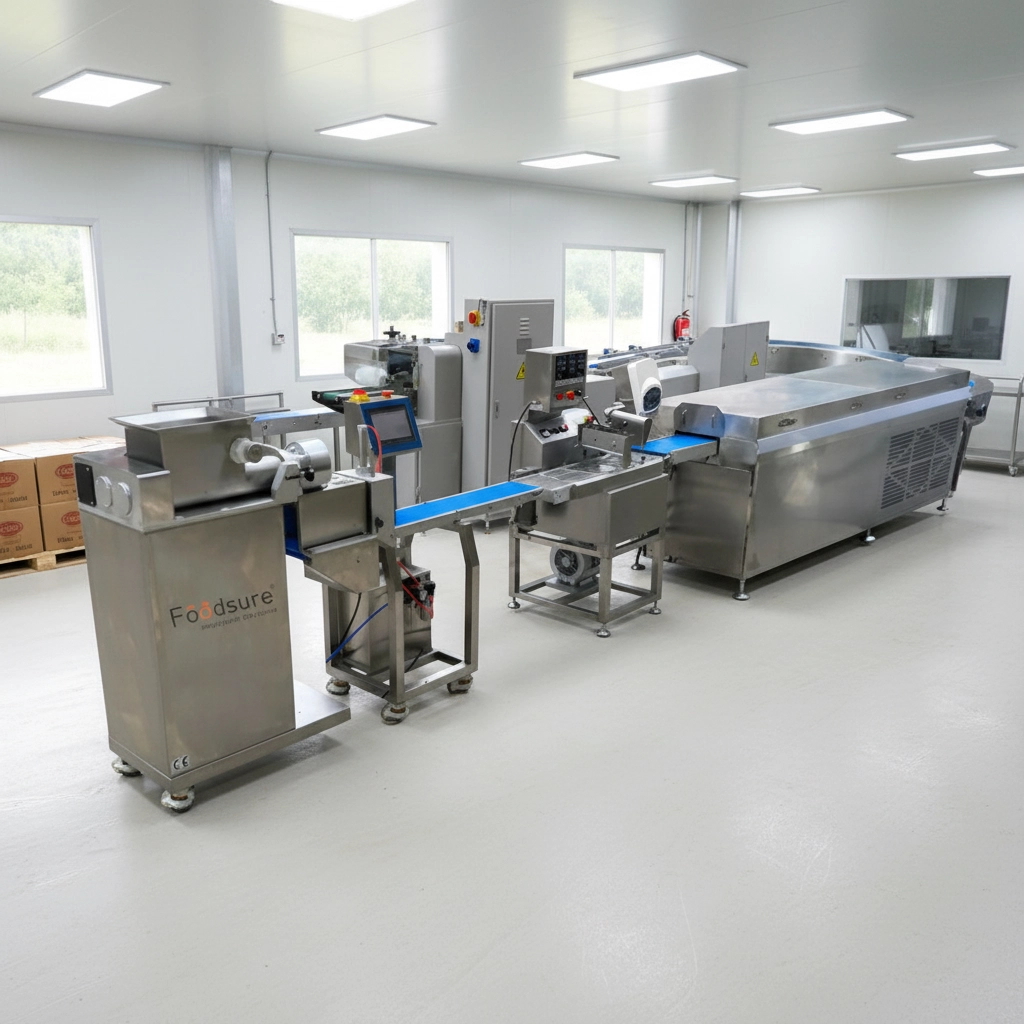
- Essential Machinery:
- Grading Machines: To sort by size.
- Rotary Roasting Machines: The main engine for achieving perfect crunch and texture.
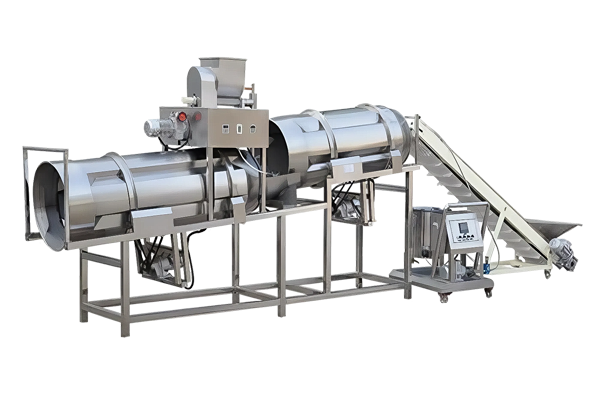
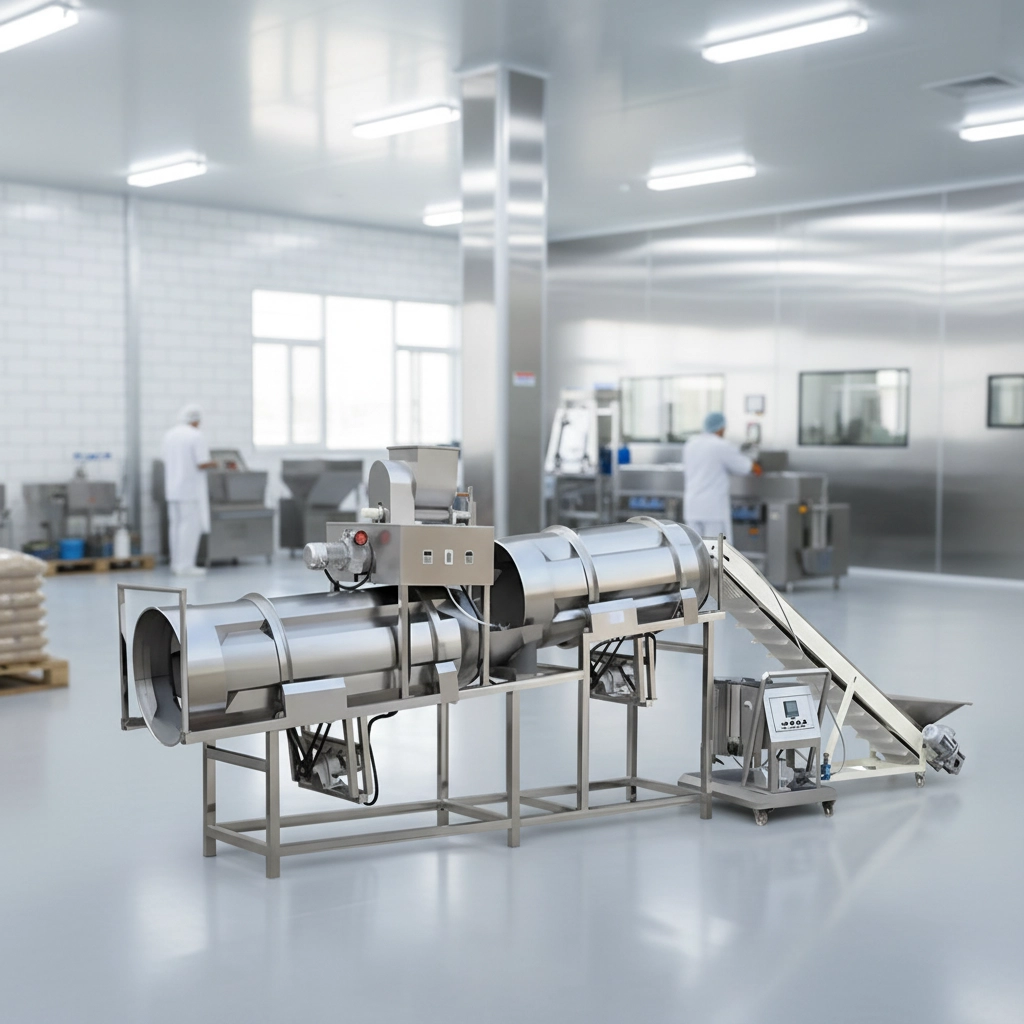
- Seasoning Drums: These are used to add value-added flavours such as Peri-Peri, Mint or Cheese.
- Nitrogen-flushed Packing Machines: This is necessary to ensure a shelf life of 6 -12 months without preservatives.
Building a Makhana Manufacturing Business Plan
The makhana udyog will be successful according to how well you fill the gap between the consumer and the farm.
- Sourcing Strategy: To obtain maximum margins, source raw seeds directly with FPOs (Farmer-Producer Organisations) in Bihar. This will avoid middlemen and maintain the quality of raw materials.
- Target Segments: Sell bulk, not only. Consider private labelling with bigger retailers or open your own D2C (Direct-to-Consumer) label on sites such as Amazon or Blinkit.
- Financial Estimates: A medium-sized makhana manufacturing unit will normally need an investment of 15-25 lakhs in machinery and working capital. But, as the operations become efficient, the payback period can be as short as 6 – 12 months.
Regulatory & Compliance Checklist
To conduct business and export goods, you have to obtain:
- FSSAI License: Not negotiable for manufacturing any food-related makhana.
- MSME/Udyam Registration: To get government subsidies and easier bank loans.
- IEC (Import-Export Code): In case you intend to access the profitable US or the Gulf markets.
Overcoming Challenges in Makhana Manufacturing
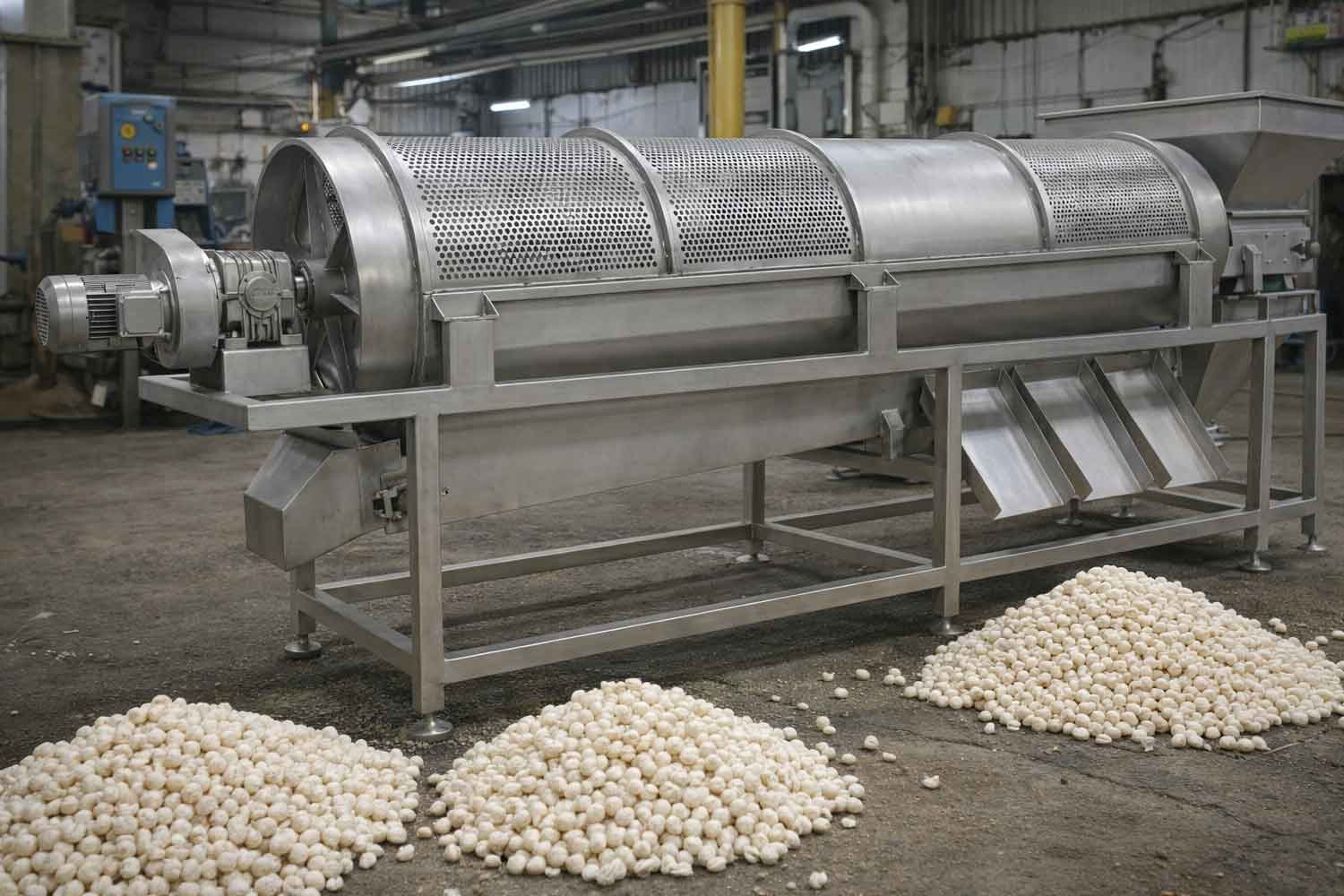
There are no obstacles to the shift of a traditional craft into a modern industry.
- The Tech Gap: Manual roasting continues to be used by many small players, resulting in high breakage (up to 20%) and contamination of the soot.
- Quality Control: It is important to have a moisture level of less than 5%. Any more will make it a wet product that will become soft after a few weeks.
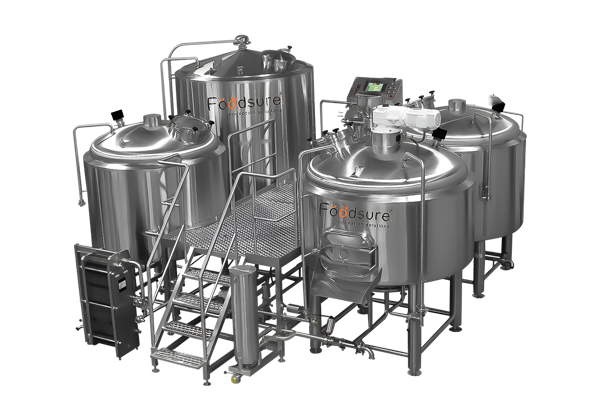
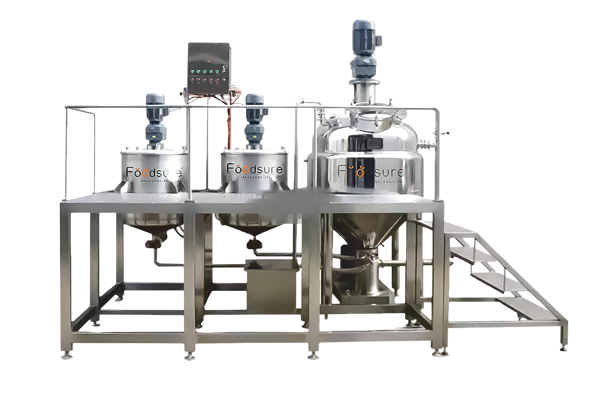
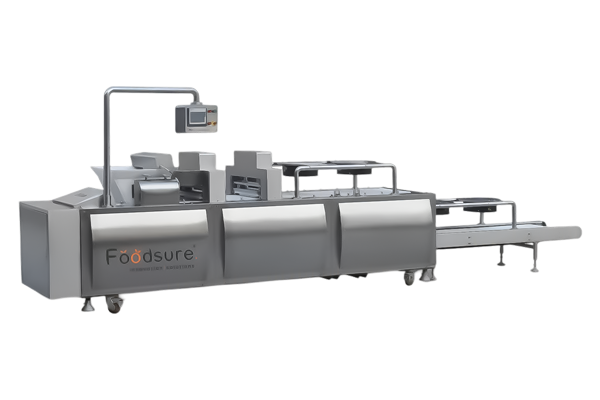
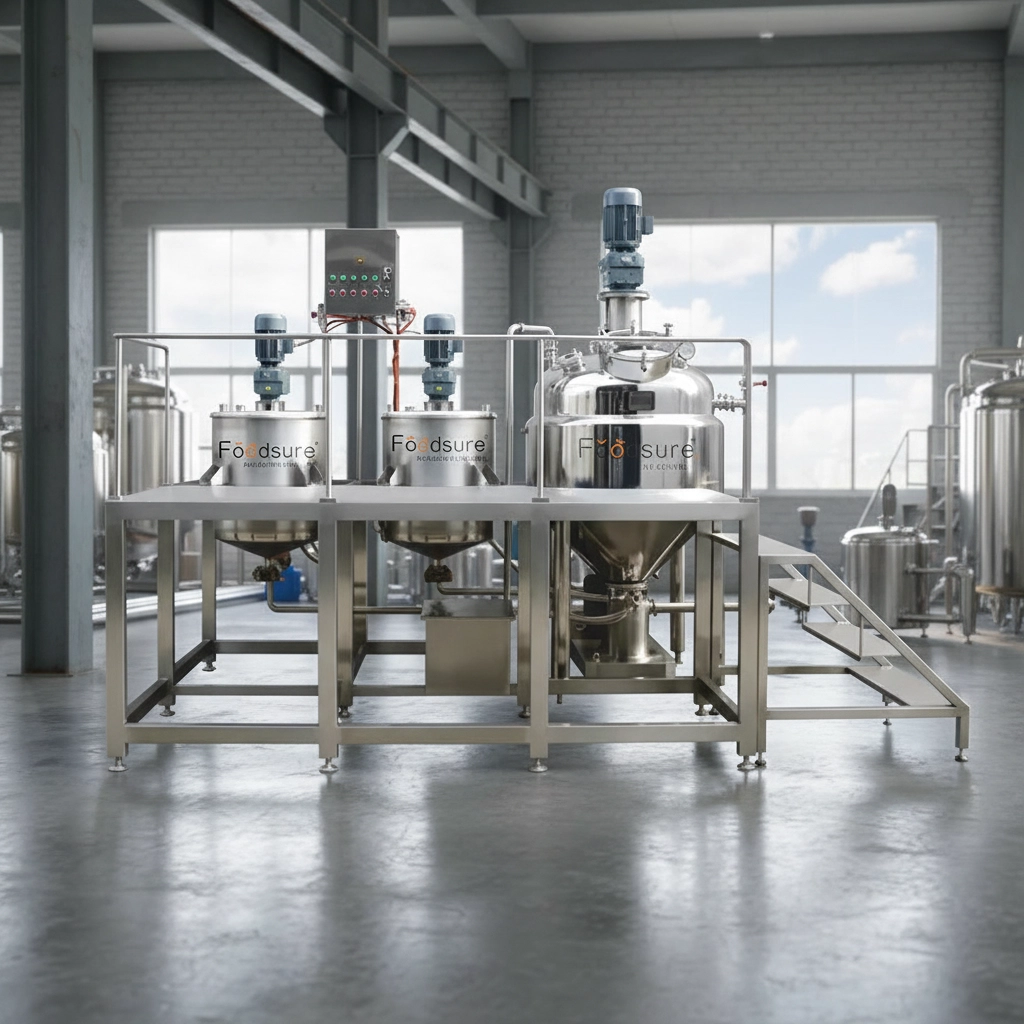
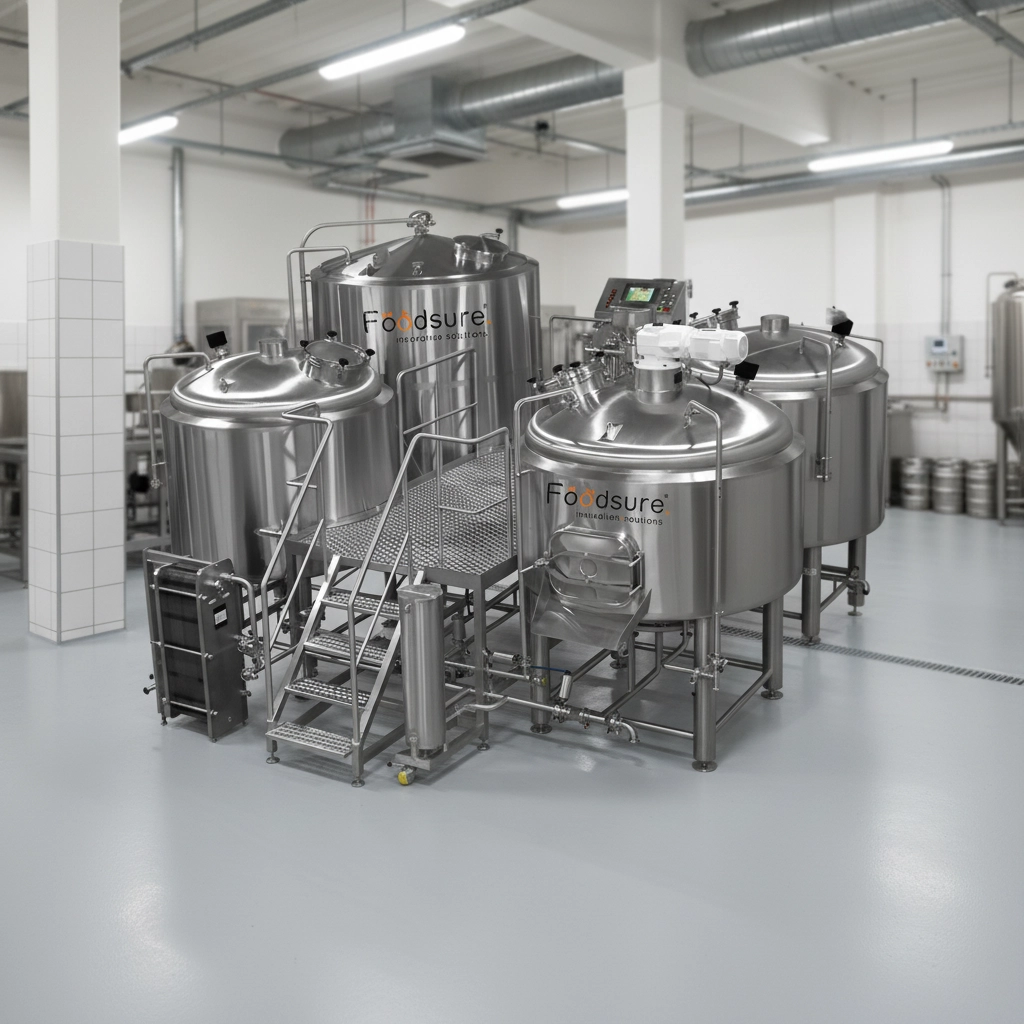
- The solution: Automation, you can lessen labour reliance, remove ‘dead zones’ in the equipment, and have each batch meet the international safety standards by applying the high-tech Foodsure Machines technology of makhana production.
Conclusion: The Future of Makhana in India
No longer is Makhana merely a fasting food; it is a powerhouse of nutrition and will be the future of Indian agro-processing. With the world shifting towards plant-based, gluten-free snacking, the demand for high-quality makhana will only rise to the sky.
You can transform a basic nut into a worldwide brand by changing suppliers of a raw commodity to a producer of a value-added product. The time is now, the government is ready to help, and the technology is ready.
Want to build your own Makhana Udyog?
Connect with Foodsure Machines for a complete turnkey makhana factory setup, tailored project report, and the right machines to capture India’s growing makhana market.
FAQs
Is makhana manufacturing a profitable business in India?
Yes, it is 20 – 40% with low cost of raw materials and high demand all over the world.
What is the total cost to set up a makhana manufacturing unit?
The cost of a semi-automated makhana production plant ranges between 25 -15 lakhs, as per the production capacity.
How much space is required for a makhana manufacturing factory?
Storage, roasting, and hygienic packaging will need about 1,500 – 2000 sq. ft.
Can I export products from my makhana manufacturing business?
Yes, to access high-demand markets such as the US and Europe, you require an IEC (Import-Export Code) and an FSSAI license.
Why is automation important in the makhana manufacturing process?
The use of automated makhana manufacturing minimises breakage to less than 5%, labour costs are also saved, and food safety is maintained.