A typical situation in the busy food markets of Indore, Rajkot, and Noida occurs daily: a budding food company gets three estimates on a packaging machine. One of them is ₹2 Lakh, one is ₹5 Lakh, and there is a premium offer of ₹12 Lakh.
The biggest error that most small and medium enterprises (SMEs) commit is to go after the lowest price, thinking that it will help them to save capital. But in the 2026 Indian food processing environment, where labor is increasing by 10-15% a year, and food safety standards are more stringent than ever, automation is no longer a luxury. It is an instrument of survival.
To expand, you need to quit thinking of the food packing machine price as a one-time cost and begin thinking of it as a multi-year investment. This is how to figure out the market and get your actual Return on Investment (ROI) before you can sign that purchase order.
Decoding the Food Packing Machine Price in India
The Indian market is so diverse. A simple sealing machine costs 15000, and a high-speed multi-track system costs 35 Lakh. The sweet spot of most food businesses is between 1.5 Lakh and 15 lakh.
Price Range by Machine Type
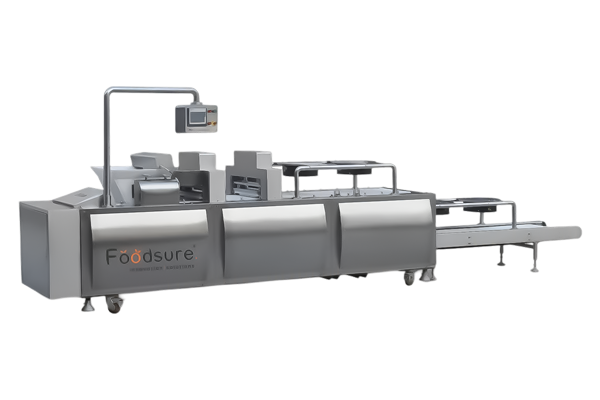
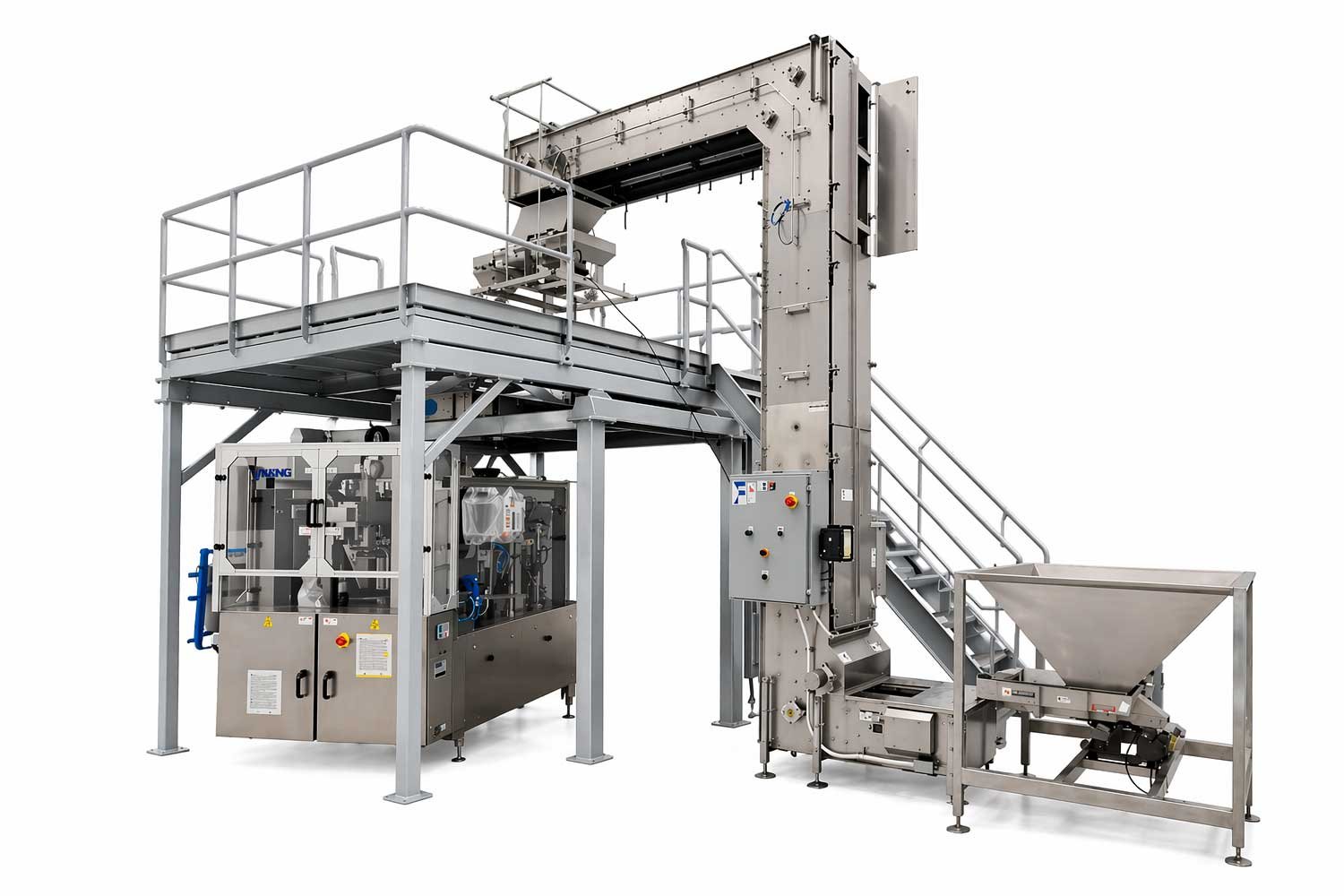
- Pouch Packing Machines (VFFS): The workhorses of the industry. The entry-level pneumatic machines cost between 1.8 Lakh and 3 Lakh, but the high-speed fully automatic Form Fill Seal (FFS) with servo control may cost between 4.5 Lakh and 8 Lakh.
- Vacuum Packaging Machines: Essential for items that are perishable, such as paneer or ready-to-eat meals. The beginning price of desktop models is 50,000, and the industrial version of the two-chamber machine is between 2.5 and 5 Lakh.
- Liquid & Granule Fillers: In the case of honey or ghee, you will need either piston fillers or auger fillers. The food packing machine price here is very dependent on the nozzle accuracy and anti-drip technology, which generally costs 3 Lakh to 7 Lakh.
- Semi-Automatic vs Fully Automatic: A semi-automatic machine (you have to feed the pouch in yourself) could save you 2 Lakh of initial cost, but it restricts the production capacity. Fully automatic systems are more expensive, yet can be used in the operation of Lights-out manufacturing.
Why is one quote ₹2 Lakh and another is ₹6 Lakh?
When you find an enormous price difference between the so-called similar-looking machines, the difference is under the hood:
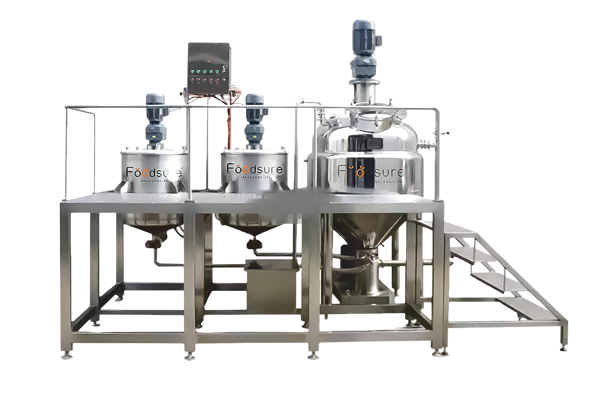
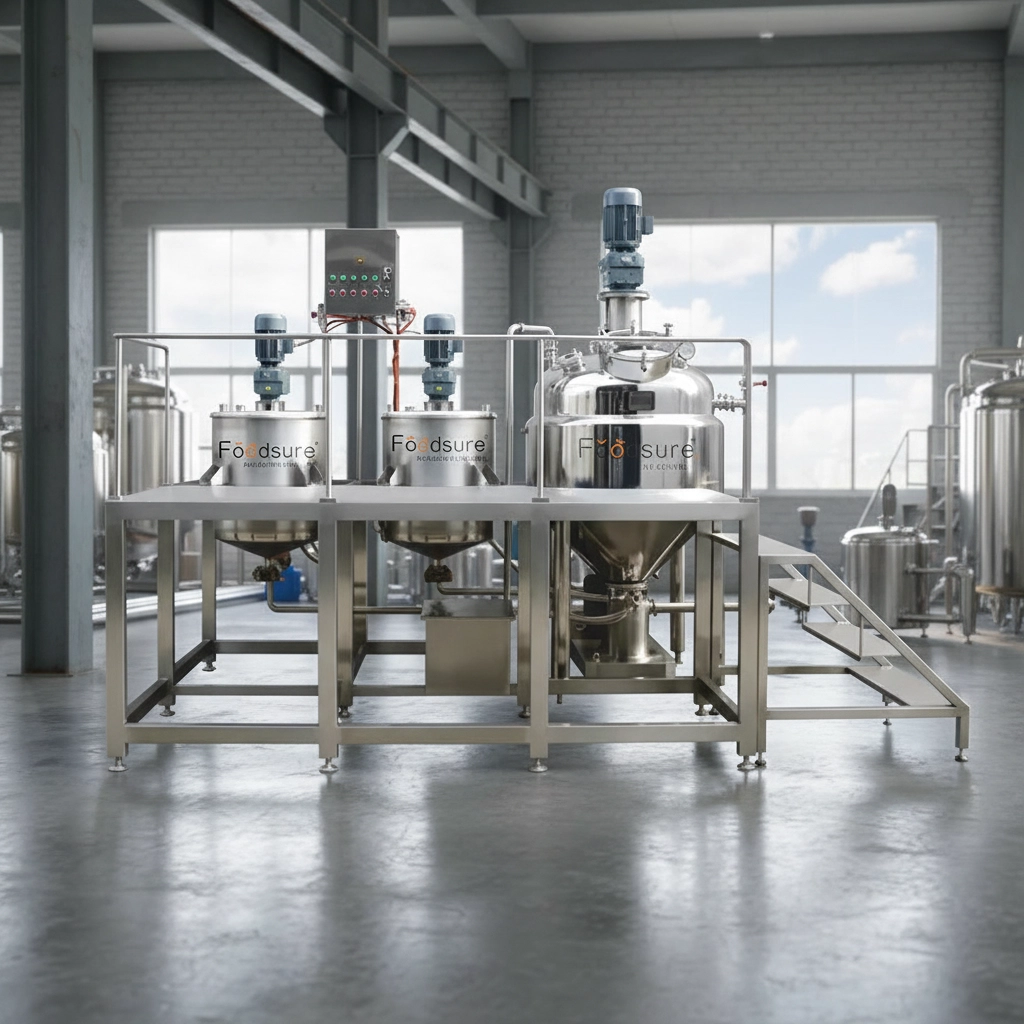
- Quality of Material: Low-cost machines may have low-end grades of steel. Foodsure Machines uses SS304 or SS316 food-grade stainless steel that does not corrode with acidic food and is in compliance with the hygiene requirements of FSSAI.
- Technology Integration: A ₹6 Lakh machine is probably equipped with PLC controls and HMI touchscreens (such as Delta or Schneider), which can be used to set recipes precisely. Less expensive models have simple analog timers which drift.
- Speed of Production (BPM): What you are not buying is a machine; you are buying Beats Per Minute. A high-end machine will always reach 6080 BPM without stuttering; on the other hand, a low-end machine may have a hard time holding 30 BPM.
- After-Sales Support: This is the unseen element of the food packing machine price. It is a cheap producer that tends to disappear following delivery. A good brand incorporates the price of engineers, original components, and maintenance in the value proposal.
How to Calculate ROI Before You Compare Quotes
It is not the comparison of stickers but the Cost of Ownership. The following three steps will help you determine the time it takes the machine to pay off.
Step 1: Labor Savings
Weighing, filling, and sealing are normally done by 4 – 6 workers in order to do the manual packing. This is reduced to only one supervisor by an automatic machine.
- Assuming that you save 60,000/month in salaries, you save 7.2 lakh/year, which is usually more than the machine itself.
Step 2: Material Wastage Reduction
Anthropogenic causes of overfilling (giving away free product) or spillage.
- Example: On a 10,000-pouch daily machine run, a machine that only saves 2 grams of product per pouch would save 20 kg of product per day. At ₹100/kg, that’s an extra ₹60,000 profit per month.
Step 3: Shelf-Life & Branding
Precision sealing reduces “micro-leaks.” This increases the shelf life and avoids costly returns in the market. A more attractive design will also enable you to sell at a higher price on fast-commerce sites such as Blinkit or Zepto.
The ROI Formula
Justify why you are buying this:
ROI = (Annual Saving + Annual Profit Increase) – Annual operating costs/ Initial Food Packaging Machine Price x 10
- Pro Tip: In 2026, on average, Indian food businesses utilizing Foodsure Machines technology break even (ROI) in 10 to 14 months.
Avoiding “Hidden Costs” in Your Investment
In comparing the food packing machine price, beware of the following three “gotchas”:
- Installation & Training: Does the vendor come and train your staff on-site, or will you spend weeks testing how to calibrate the sensors?
- Power Consumption: The use of Variable Frequency Drives (VFDs) in modern machines helps lower the electricity bill. You may have to spend thousands more a month on electricity with a cheap motor.
- Spare Parts: Make sure that the machine has universal electronic parts. When the components are proprietary, the manufacturer can fix the component by charging 5x the market rate.
Why Foodsure Machines Offers the Best Value for Your Investment
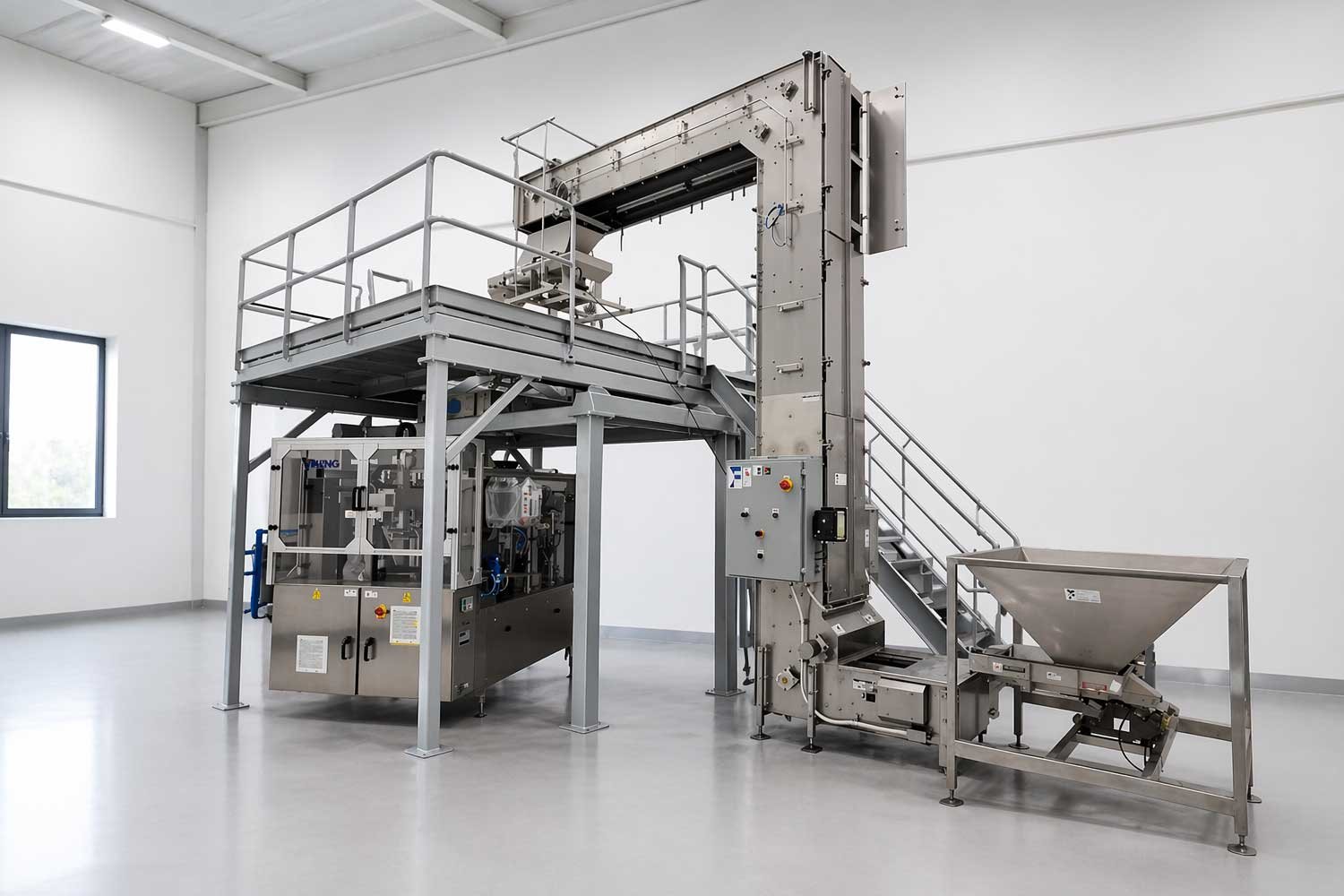
In Foodsure Machines, we do not sell machines; we construct production lines. We know that a spice producer in Kerala will not have the same needs as a bakery in Punjab.
- Engineering Excellence: Our machines will be constructed to run 24/7 with minimum vibration, and the sensors will have long-term accuracy.
- Customization: We provide customized nozzles and feeders to problematic packed products such as sticky powders, greasy snacks, or delicate cookies.
- Verified Performance: A snack-manufacturing company was one of our recent customers, and after purchasing a food packing machine, they regained the initial equipment cost after 11 months by doubling their production and reducing the material waste by 18%.
Conclusion: Making an Informed Decision
What you pay is price, and what you get is value. Look beyond the check you write when you analyze the food packing machine price. Imagine the amount of labor you will save, the wastage you will avoid, and the brand image you will create with airtight, professional packaging.
Are you ready to automate?
Don’t chase the lowest bid. Invest in a machine that grows with your business. Get a custom ROI discussion and a clear quote based on your unique production needs.
FAQs
What is the average food packing machine price in India?
Semi-automatic models cost ₹50,000, fully automatic FFS machines cost between ₹2.5 Lakh and ₹8 Lakh, depending on speed and technology.
What is the rate of return on these machines?
It takes most businesses less than 10 -14 months to break even due to lower labor expenses and less wastage of products.
Does the price include GST and shipping?
Usually, quotes are “Ex-factory.” You are to budget an extra 18% GST and transportation and installation expenses unless otherwise noted.
Do I want to use a less expensive MS or SS machine?
Always choose SS304 (Stainless Steel). Although the initial cost is higher, it is an FSSAI condition, and it will avoid the maintenance expenses caused by rust.
Are spare parts expensive and difficult to replace?
Simple wear and tear components (cutters/heaters) are cheap. By selecting a machine that has universal PLC parts, you are not tied up in expensive proprietary parts.