
Launching a protein bar brand may appear straightforward, are develop a formulation, design packaging, and secure sales. However, the most significant obstacle is establishing a profitable production system. Selecting the wrong protein bar machine capacity can result in increased costs, reduced margins, and slower growth. Founders can start a protein bar business that is both financially stable and scalable by understanding manufacturing planning at an early stage.
How to Start a Protein Bar Brand Successfully

The protein bar industry encounters its greatest risk when founders attempt to transform their home recipes into commercial success. Founders often face a valley of death where the product tastes great in the kitchen but fails on the production line or loses all its margin to hidden logistics costs.
The following analysis provides an in-depth examination of both the commercial aspects and technical requirements necessary to build your protein bar brand into a success during its startup phase.
1. Mastering the Formula: From Kitchen to Factory
The first challenge for protein bar entrepreneurs is formulation shift. A recipe that works in a 5-quart mixer will likely fail in a 200kg industrial extruder.
- The Simple Explanation: Your bar needs to stay soft on the shelf for 12 months without turning into a rock.
- The Expert Insight: The water activity control system (aw) manages this process. The water needs to be bound through humectants, which include vegetable glycerin and fibre syrups (IMO/Allulose).
- Founder Tip: Use a blend of Whey Protein Isolate (WPI) and Milk Protein Isolate (MPI) to create your product. The MPI component serves as a structural buffer that maintains bar softness while WPI delivers the essential nutritional components that customers expect.
2. The Manufacturing Choice: Scaling and Investment
The main financial choice for new protein bar companies comes from deciding between Co-Pack (outsource) and Self-Manufacture (make their products themselves).
-
Co-Packing (Lower Risk): You pay a factory to make your bars.
- The Cost: Expect a Minimum Order Quantity (MOQ) of 10,000-25,000 bars per flavour.
- Scaling Insight: Your Cost of Goods Sold (COGS) will be higher here, which results in costs between 0.80 and 1.20 for each bar produced.
-
Self-Manufacturing (Higher Margin): You buy the equipment.
- The Investment: A basic semi-automated protein bar line (extruders, cooling tunnels, flow-wrappers) will cost between ₹150,000-₹500,000.
- Scaling Insight: The process enables you to manage your scrap rate. The production process contributes to financial losses when protein bar extruder machines create dead space, which results in product waste that costs startups thousands of dollars every month.
3. Packaging and Branding for Retail Success
The requirements for Retail Ready standards that startup companies encounter during their development process.
- The Expert Insight: You must account for Oxygen Transmission Rates (OTR) in your film. The fats in your bar will become rancid because oxygen will enter your product through its nut and high-fat cocoa ingredients. You need a high-barrier metallised film to ensure the best-by date is actually achievable.
- Commercial Signal: Branding requires more than a logo because it establishes your Price-to-Weight ratio. The 60g weight of your bar will give customers a perception of low value because it appears small in their hands. Engineers call this volumetric density, designing the bar shape to look substantial on the shelf.
4. Financial Planning: The Hidden Costs of Growth
Retail business owners often go bankrupt not just because the sales are low, but also because they have poor credit flow management during the course of an expansion in retail.
| Expense Type | Typical Cost (India Equivalent) | Why it Matters |
|---|---|---|
| Slotting Fees | ₹4 lakh – ₹21 lakh | Shelf placement cost in modern retail chains |
| Chargebacks | 2% – 5% of revenue | Penalties for logistics or compliance issues |
| Trade Spend | 15% – 20% of sales | Promotional discounts and offers |
The Bottom Line: To achieve success, you require a 3x Markup. You need to sell the bar at a distributor price of ₹1.50, which costs you ₹1.00 to produce (Landed COGS) because the distributor sells it to retailers at ₹2.1,0 who then sell it to customers at prices starting from ₹3.00.
5. Distribution Strategy: Start Local, Scale Digital
The most successful new protein bar businesses in 2026 use a Hybrid Model.
- Direct-to-Consumer (DTC): Sell on your website first. This gives you high margins and, more importantly, customer data.
- Speciality Retail: Move into gyms, juice bars, and independent grocers because these locations require no payment of excessive slotting fees.
- Big Box: National retail access requires production capacity to complete a 50,000-bar order within two weeks.
The Biggest Mistake New Protein Bar Brands Make
The protein bar industry suffers from overcapitalization, as its hidden detrimental effect. The initial setup of a protein bar brand creates an idealised vision of running an entirely mechanised protein bar production plant that operates at maximum efficiency. Founders encounter a difficult situation because their production facility needs to create 100 bars each minute, yet they only receive monthly orders of 10,000 bars.
In order to work through these initial stage challenges, understand the Efficiency Gap, and see how massive machinery can actually suffocate your cash flow.
1. The Utilisation Trap: Why Bigger Isn’t Better
The primary objective for new protein bar businesses is to create protein bars that generate profitable earnings.
- The Simple Explanation: The expenses for the machine, which operates at full capacity all week except for its weekly shutdown, will create higher production costs because its expenses are spread across fewer bars than the actual output.
- The Expert Insight: OEE stands for Overall Equipment Effectiveness, which measures equipment performance. High-capacity production lines need specific time intervals for both their warming and cooling procedures. A machine requires 4 hrs of cleaning time to prepare for production when your batch size remains too small for this process.
- Commercial Signal: Investors prioritise Asset Turnover over Asset Turnover because they assess machine performance through different criteria. Investors expect you to demonstrate that your 50,000 machine delivers maximum value before you request funds for your 500,000 industrial line project.
2. The Flexibility Factor: The Power of Modular Scaling
The startup phase requires businesses to continuously change their operations because customers provide ongoing feedback on their products.
- The Simple Explanation: Fully automatic protein bar machines have stiff construction. They are designed to do one thing very fast. Small machines operate with agile capabilities.
- The Expert Insight: High-speed FMCG (Fast-Moving Consumer Goods) lines often use Hard-Tooled Changeover parts. Changing the bar shape from brick to square requires a large-scale machine to spend ₹15000 on custom-milled steel parts, while needing 48 hrs for sensor recalibration.
- Investment Strategy: Smart brands invest in Modular Machinery. Start with a tabletop extruder and a manual flow-wrapper. The process requires you to keep the existing equipment when your business grows because you need to add a conveyor belt and an automated cutter. This method enables you to match your Capital Expenditure (CapEx) expenses with your actual revenue.
3. Maintenance and Technical Debt
The expense of operating high-end equipment requires maintenance costs, which founders of protein bar companies will not see until they grow their business.
- The Simple Explanation: Complex machines need expensive mechanics.
- The Expert Insight: Large-scale European or American machinery often requires specialised technicians and proprietary spare parts. Your production operation stops for two weeks because your international component supply requires two weeks to deliver after your ₹200 sensor fails on the high-speed production line.
- Startup Stage Challenge: The brand needs to keep Repair & Maintenance costs under 3-5% of COGS during its first year of operation. The operational costs of a major underused production line can reach 15%, which results in the complete elimination of your total earnings.
4. The Minimum Efficient Scale (MES) Table
Founders need to determine their minimum efficient scale before they sign a lease agreement or purchase order. This is the point where the cost of the machine finally pays for itself.
| Machine Level | Initial Cost (₹) | Monthly Output Needed | Best Stage |
|---|---|---|---|
| Manual / Batch | ₹8,30,000 – ₹24,90,000 | 5,000 – 20,000 bars | Proof of Concept (Beta) |
| Semi-Auto Line | ₹41,50,000 – ₹99,60,000 | 20,000 – 1,00,000 bars | Regional Growth / DTC |
| Full FMCG Line | ₹4,15,00,000+ | 5,00,000+ bars | National Retail / Global |
Why Protein Bar Machine Capacity Directly Impacts Profit
The attraction of a fully industrial FMCG-scale factory shows dangerous effects on the protein bar brand founders. New protein bar brand owners need to understand manufacturing costs because these expenses weigh more heavily than their product recipes. Your business will fail if your production expenses exceed your limits because marketing will not fix your financial problems.
1. The Idle Machine Tax: A Real-World Example
Founders often need to purchase machines that produce 5000 bars each hr although their actual production needs only 5000 bars each week.
- The Simple Explanation: For a large machine, both the monthly EMI payment and insurance costs remain constant whether the machine operates or remains unused.
- The Numeric Reality: Imagine you buy an ₹18 Lakh machine. Your EMI payment amounts to approximately ₹45,000 each month.
- If you produce 20,000 bars, your machine cost alone is ₹2.25 per bar.
- If you produce 100,000 bars that cost drops to ₹0.45 per bar.
- Founder Insight: The startup stage requires founders to spend their entire net profit, which equals the ₹1.80 difference. Protein bar brand founders who over-invest early find themselves working just to pay the bank, not to grow the business.
2. The Freshness Trap: Balancing Stock and Sales
New protein bar brand owners need to understand that Shelf Life serves as their primary value. Proper protein bar brand expansion requires businesses to maintain sufficient product inventory while avoiding excessive stock, which results in product expiration.
- The Simple Explanation: Large machines force you to make huge batches to be efficient, but those bars start losing their Best Before window the moment they hit the box.
- The Expert Insight: Most Indian retailers (like Reliance Signature) won’t accept your bars if 25% of the shelf life has already passed.
- Commercial Signal: The implementation of semi-automatic protein bar machinery enables production through Just-In-Time manufacturing. You make what you sold last week. The system prevents your cash from becoming Working Capital because it stops your inventory from accumulating in unused warehouse space.
3. Choosing the Right Automation Level
When starting a protein bar brand, you don’t need a massive industrial complex. You need a facility that enables business expansion while maintaining affordable operational costs.
| Feature | Small-Scale (Semi-Auto) | Fully Industrial (FMCG Scale) |
|---|---|---|
| Initial Investment | ₹10 Lakhs – ₹25 Lakhs | ₹1 Crore+ |
| Labor Needed | 3–4 People | 1–2 Specialised Engineers |
| Changeover Time | 30 Mins (Agile) | 4+ Hours (Stiff) |
| Ideal For | D2C Nutrition Startups | Established National Brands |
4. Practical Roadmap for Protein Bar Brand Founders
The Profit First strategy should be used by you because you are currently establishing a protein bar brand.
- The 50% Rule: Only upgrade to a larger, faster machine when your current one is running at 50-60% capacity at least 4 days a week.
- Watch the Scrap Rate: The Scrap Rate needs to be monitored because high-speed machines create waste, which results in 1-2 kilograms of dough loss during their startup and calibration process. The small 20-kilogram batch results in 5-10% material loss before the company begins to sell its bars.
- Prioritise Distribution: Distribution should receive priority because the saved Capital Expenditure funds need to be used for Customer Acquisition. A perfect automated factory becomes useless when there are no orders available to maintain production operations.
Real Startup Example – A ₹25 Lakh Capacity Mistake
When starting a protein bar brand, over-investing in a fully industrial FMCG-scale factory early on can be fatal. For new protein bar brand owners, the math of manufacturing is often more critical than the recipe itself; if your overhead is too high, your brand cannot breathe.
The ₹2.25 Idle Machine Tax
Founders often face the Efficiency Paradox. A startup purchases a high-capacity line, which costs ₹18 lakh and requires a monthly payment of ₹45,000.
- Scenario A (Under-utilised): The machinery cost becomes ₹2.25 per bar when your monthly output reaches 20000 bars.
- Scenario B (Scaled): The cost decreases to ₹0.45 at 100000 bars per month production.
The startup period functions as your complete operational profit because the ₹1.80 difference between expenses represents all of your profit. Protein bar brand founders who over-invest find themselves working to pay the bank rather than scaling the business.
Agility is More Profitable Than Volume
Capacity decisions require organisations to assess two factors, which include operational speed and their ability to maintain system control. Protein bar production for brands needs to operate with heightened flexibility during its first year of business.
- The industrial line: Which costs ₹25 lakh to install, maintains a stiff design because companies must spend ₹5 lakh on special components to change their bar shape, resulting in multiple days of equipment unavailability.
- The semi-automatic line Which costs between ₹7-₹12 lakh, enables you to manufacture products through sprints, which preserves your operational cash for marketing activities instead of tying it up in storage facilities.
Not sure what capacity your protein bar brand needs? Get a free production planning consultation and avoid costly mistakes. Talk to an Expert
Machines Required to Start a Protein Bar Brand
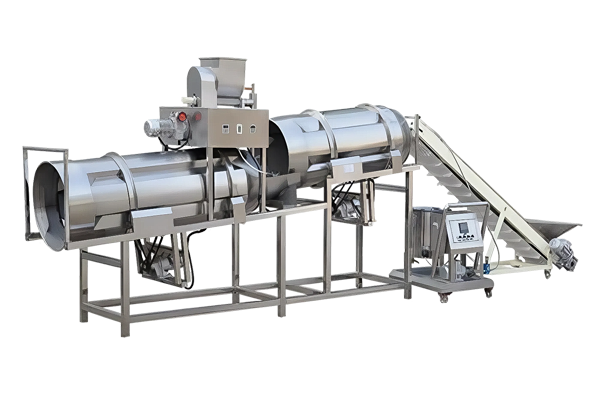
The selection of your production equipment determines your brand identity when you establish a protein bar business. The process requires you to establish an integrated production system that operates through dedicated equipment, which processes your dough at its specific thickness and stickiness level.
Many protein bar brand founders buy machines based on price rather than compatibility with their recipe. The decision results in product defects, which create inconsistent textures and lead to production losses that diminish their profit margins.

1. High Torque vs High Speed
Founders often face the mistake of using a standard bakery mixer. The standard mixer will burn out because protein dough contains denser weight than cake batter.
- Simple Explanation: The machine needs to remain operational while you work with dough that has reached its maximum resistance.
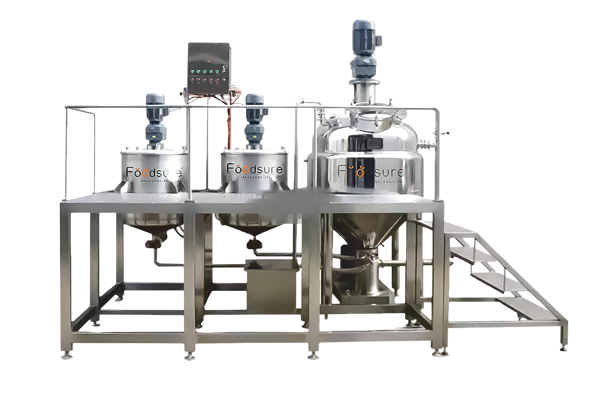
- Expert Insight: The Z-Blade and Sigma Mixer function as optimal equipment for your tasks because these machines use kneading processes to prevent heat-sensitive ingredients from chocolate chips and probiotics from being damaged through friction.
- Founder Tip: The mixer needs to have a cooling jacket because this feature enables you to maintain cold water circulation throughout the mixing process, which protects your protein from denaturing and your fats from melting.
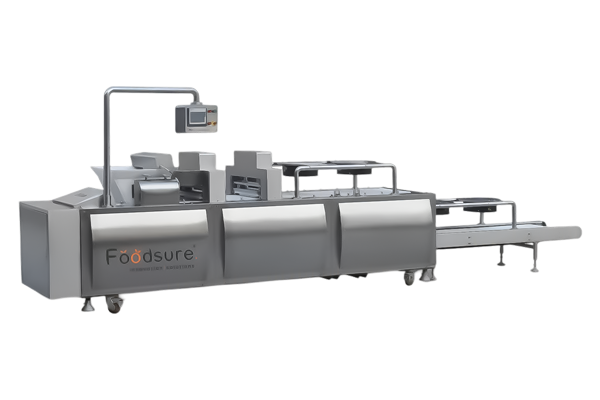
2. The Extruder:
The dough undergoes shaping processes at this location. The speed of operations determines capacity selections but also enables operators to maintain system control.
- The Numeric Reality: A high-end Piston Extruder offers better weight accuracy (within ±0.5g). The machine will produce 100000 bars, which results in 200 kgs of lost protein blend when it overfills each bar by 2 grams.
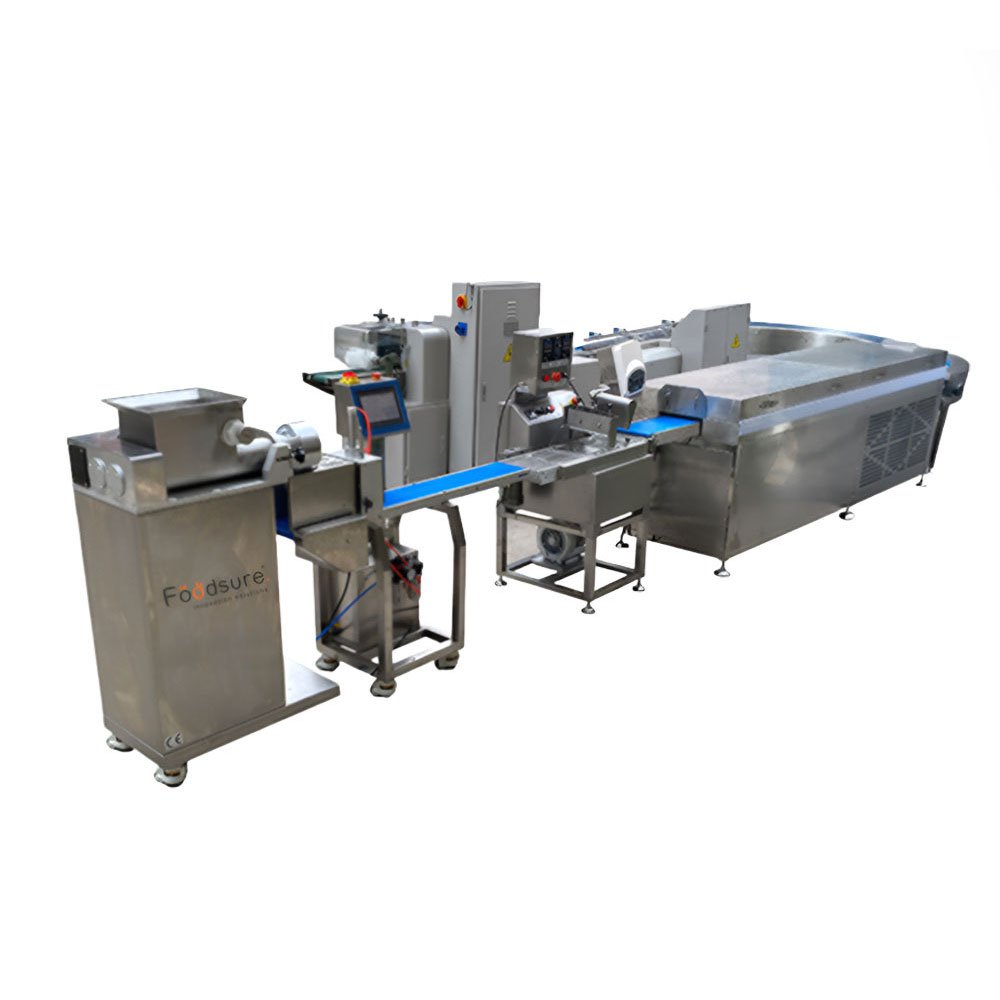
- Startup Stage Challenge: A Semi-Automatic Extruder provides new protein bar brand owners with ideal equipment for their business needs. The system enables you to change nozzles, which allows you to create thin energy bars or thick meal replacement bars within minutes.
3. Cooling and Cutting: The Texture Secret
Capacity decisions involve speed and control because they determine operational control. The edges of a bar will smear when you cut it while the bar remains warm.
- Expert Insight: You need a cooling rack or tunnel to bring the core temperature to 18°C–22°C before cutting.
- Advanced Tooling: An Ultrasonic Cutter operates as the proper equipment to cut sticky bars that contain dates or honey. The system uses high-frequency vibrations to cut through dough without making contact, which results in the clean-cut appearance that premium consumers demand.
4. Flow-Wrap Packaging: The Shelf-Life Guardian
The packaging system serves as your first protection against product deterioration, which your protein bar business needs to grow.
Founder Insight: Your protein bar machine must include Gas Flushing (MAP) system capabilities. The wrapper achieves a twelve-month shelf life through Nitrogen injection, which removes Oxygen without using chemical preservatives.
Typical Starter Investment for Protein Bar Brand Setup
| Machine | Semi-Auto (Starter) | Fully-Auto (Growth) |
|---|---|---|
| Z-Blade Mixer | ₹3.5 Lakhs | ₹8+ Lakhs |
| Extruder | ₹6.5 Lakhs | ₹15+ Lakhs |
| Flow Wrapper | ₹4.5 Lakhs | ₹12+ Lakhs |
| TOTAL | ₹14.5 Lakhs | ₹35+ Lakhs |
Conclusion
At Foodsure Machines, we understand that choosing the right capacity is not just a technical decision because it establishes your brand’s ability to make profits and grow its business. We help founders create efficient protein bar production systems that use our machines to provide flexibility, control, and sustained business growth without financial burdens during their early development phase.
FAQ
Q1. How to start a protein bar brand with the right machine capacity?
Ans: Begin with a semi-automated setup that corresponds to your actual requirement so that you will keep costs modest while you scale up gradually.
Q2. How to choose protein bar machine capacity for startups?
Ans: The company should select production capacity according to its weekly sales forecasts because this approach will prevent them from investing in machinery that will remain unused.
Q3. What is the protein bar production plant setup cost for small businesses?
Ans: Small protein bar production ranges between ₹10- ₹25 Lakh depending on the level of automation.
Q4. What are common mistakes when starting a protein bar business?
Ans: The biggest mistake is the purchase of too-large machinery to early, which increases cost while reducing operating profits.
Q5. Is a semi-automated protein bar line good for new brands?
Ans: The semi-automated protein bar line system delivers three main benefits which include operational flexibility, reduced capital requirements and simplified production expansion for new businesses.