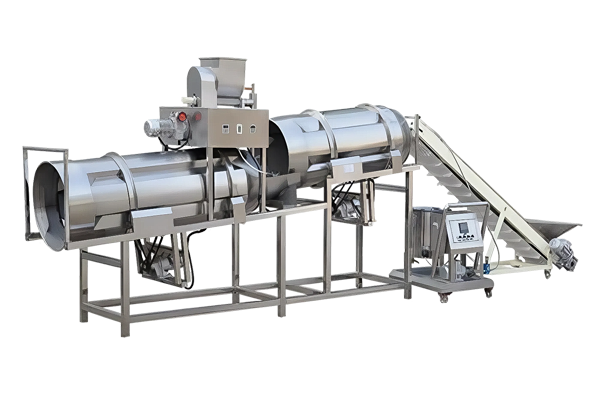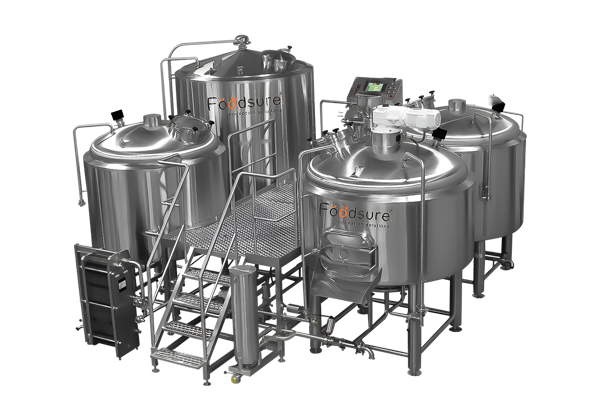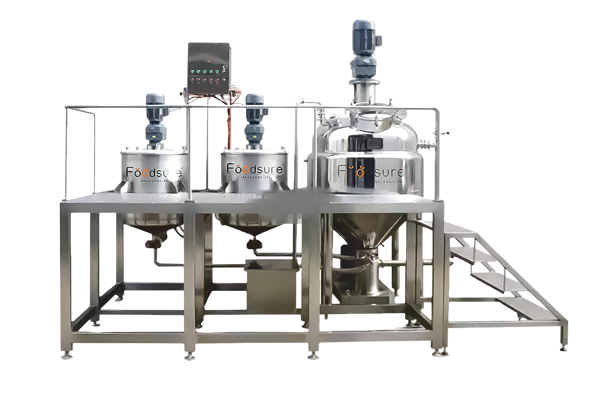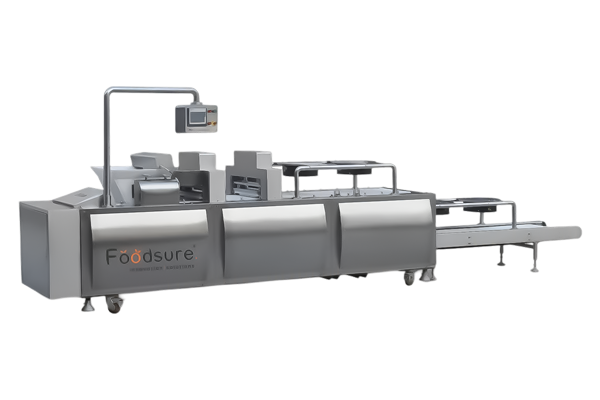
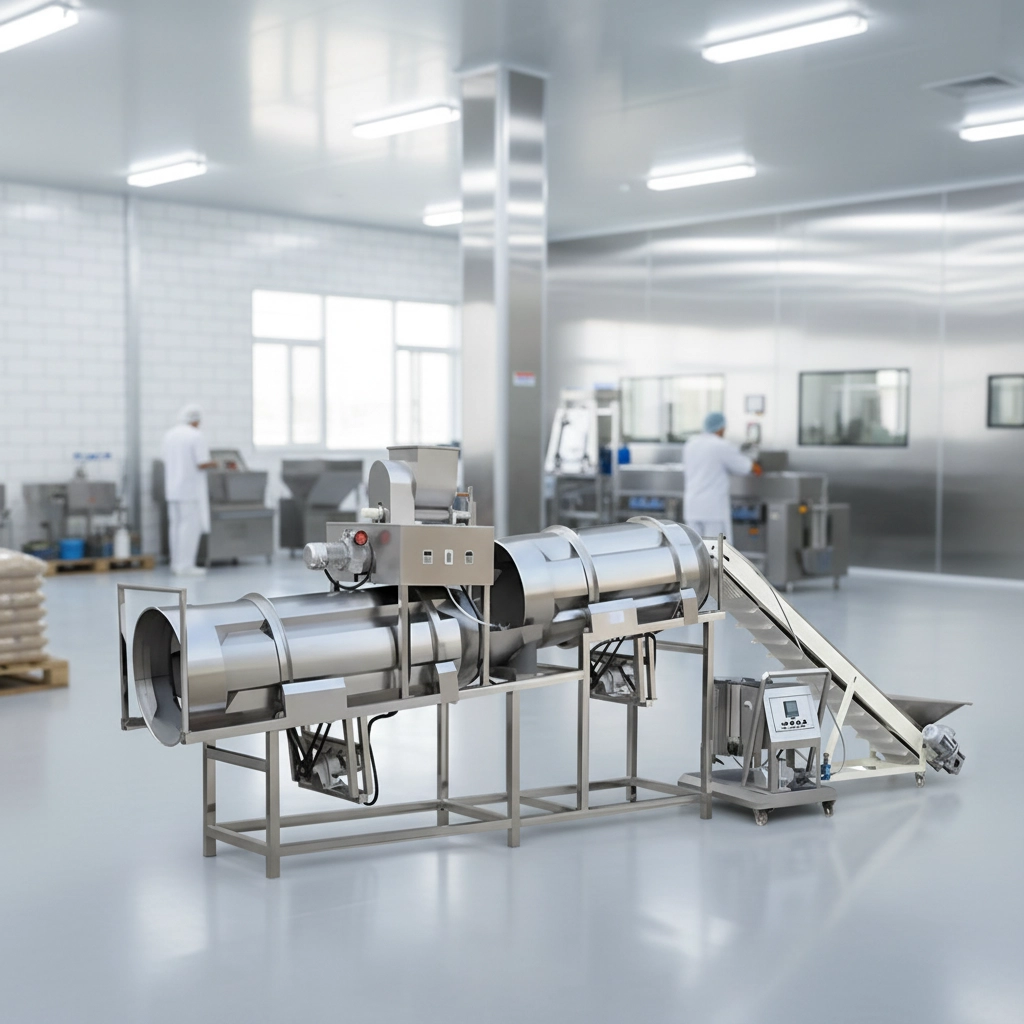
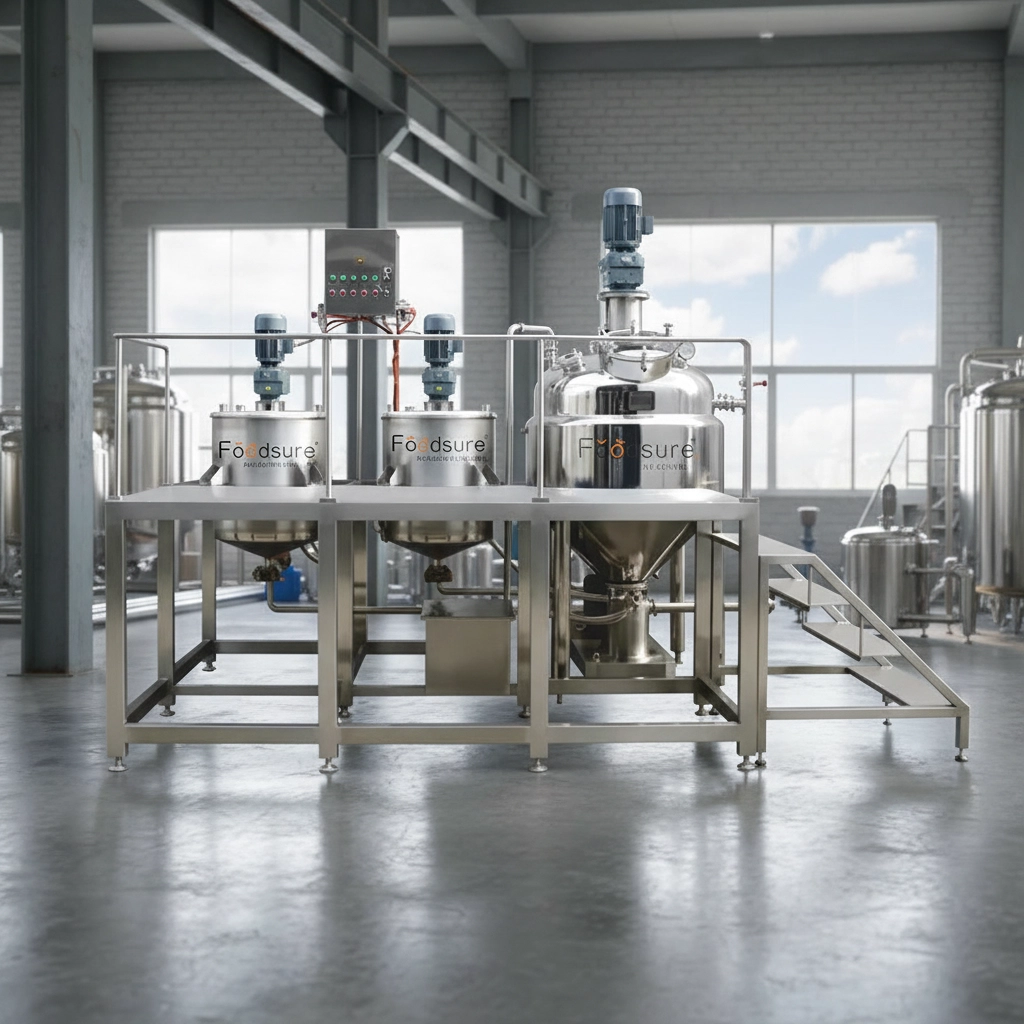
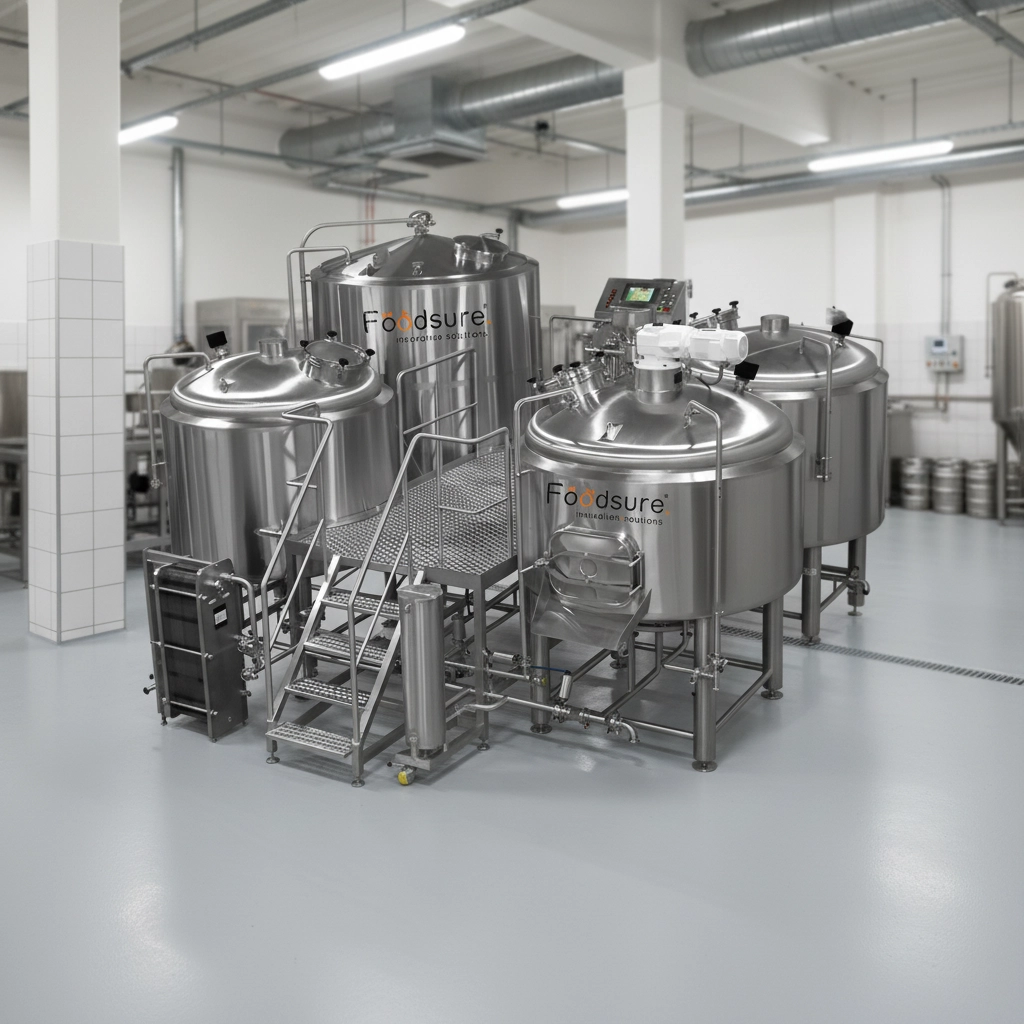
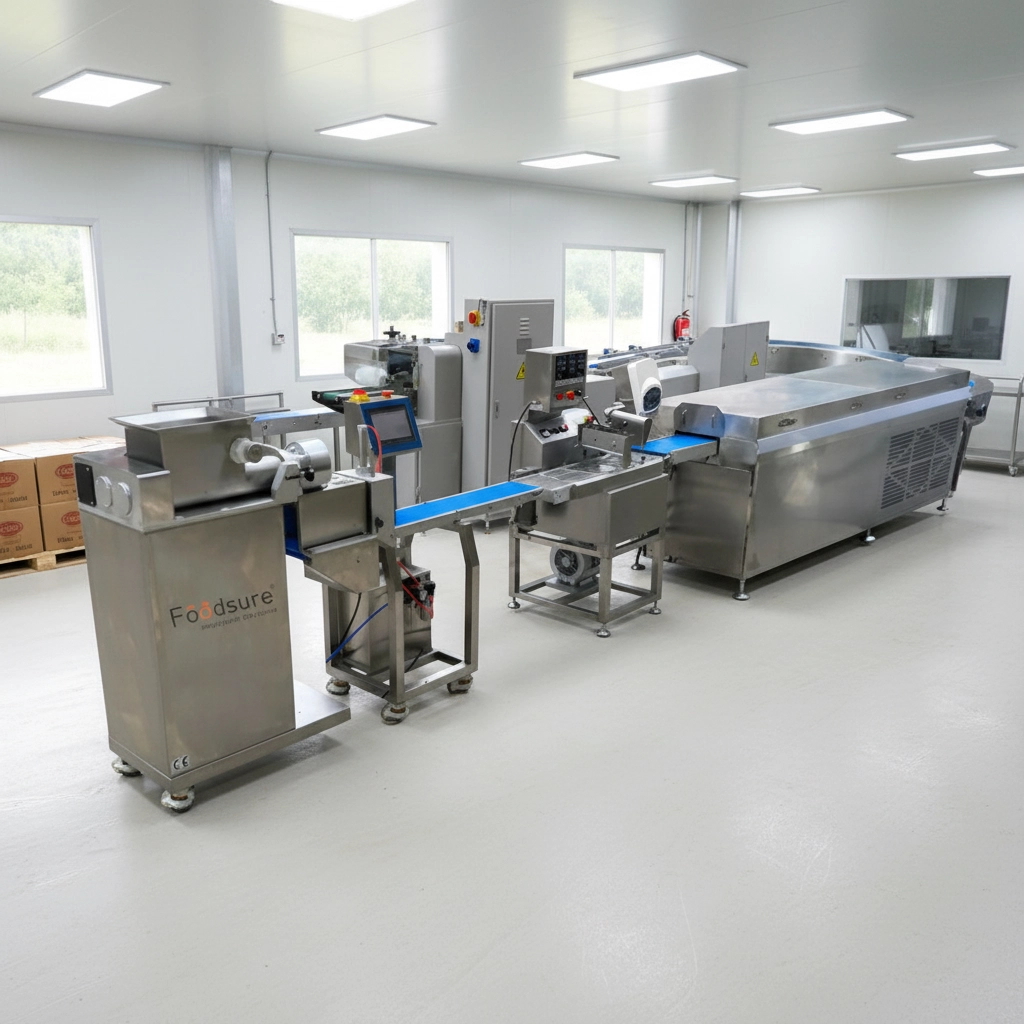

Selecting the wrong hardware is not merely a technical issue; it is the most efficient method of draining your startup’s working capital and reducing its margins before launch. You are not merely purchasing steel when you buy makhana processing machines India for grading, roasting, or flavouring; you are also purchasing the future efficacy of your brand.
Why Choosing the Right Machine Matters When You Buy Makhana Processing Machines India

The selection of a makhana making machine determines if a startup will experience rapid growth or fail as an FPO business. In India, your business can only maintain its profit margins through effective processing because raw material prices remain volatile.
- Maximise Yield Recovery: High-quality graders and roasters minimise broken kernels (flakes). The precise machine operation enables your business to increase revenue because premium large-sized flakes sell for 30-50% more than broken bits.
- Slash Hidden Operational Drain: Your profitable makhana business needs to spend between ₹50,000-₹1,00,000 every month because of increased electricity expenses, spare part costs and manual re-sorting labour requirements that result from using inferior machines.
- Global Compliance Readiness: To access export markets (US/EU) or premium retail chains, you need SS304 food-grade machinery that ensures zero contamination and consistent moisture levels (<10%), meeting strict FSSAI and international standards.
9 Questions to Ask Before Buy Makhana Processing Machines India
1. What is the Machine’s Actual vs. Rated Capacity?
Makhana machine manufacturers provide input capacity figures, which you must understand because your business sells finished goods. You need to know how much saleable makhana comes out the other end after moisture loss and shell removal.
The Advanced Check: Ask for the Volume-to-Weight ratio capacity. The hoppers will become blocked when the system needs to process extensive amounts of lightweight puffed makhana because of their insufficient size.
Founder Tip: Always calculate your ROI based on 80% of the quoted capacity. This gives you a realistic cushion for loading times and minor breaks.
2. Is the Material Truly Food-Grade Stainless Steel?
To get FSSAI approval and sell to big retailers, the parts touching the makhana must be SS304 Stainless Steel. If the material is rough or made from inexpensive metal, it will develop rust, which will trap oil and create foul odours that make your makhana smell off (rancid) quickly.
The Advanced Check: Ask if the internal welds are ground smooth. You need to eliminate any corners that have the potential to hide makhana dust because this dust can develop into harmful bacterial growth.
Founder Tip: Take a magnet with you. Real SS304 is non-magnetic. You are dealing with lower-quality steel when the magnet sticks to the processing drum because it does not have the high-grade steel you paid for.
3. What is the Real Electricity Cost per Quintal?
The monthly operating expenses require your attention because they matter more than the machine purchase cost. A cheap machine with an inefficient motor can eat your entire profit margin in power costs.
The Advanced Check: Check if the panel has VFDs (Variable Frequency Drives). These devices enable motor speed control, which results in electricity savings of up to 20%.
Founder Tip: In rural areas with unstable power, ensure the machine can handle voltage fluctuations without frying the sensitive sensors.
4. How Consistent is the Heat Control (Roasting)?
Unstable heat leads to one batch producing both burnt makhana and raw makhana. This situation causes damage to your business reputation.
The Advanced Check: Ask if the machine uses Multi-Zone heating. The heating process begins with high temperatures, which enable shell cracking before switching to lower temperatures for achieving optimal crunch.
Founder Tip: Look for a digital temperature display. The operator must “guess” the heat by observing the flame, which results in inconsistent quality production.
5. How Accurate is the Grading (Sizing)?
Large makhana (6-sut+) sells for a premium. Your business loses money when your fully automatic roasted makhana machine combines small seeds with premium bags.
The Advanced Check: Ask about the Screen Accuracy. A good grader should have a 98% success rate in separating sizes in a single pass.
Founder Tip: Watch the machine run. The excessive bouncing of makhana with clogging holes will force you to spend the entire day on manual re-sorting.
6. Does the Machine Break the Kernels?
Makhana is a delicate product. Every time a seed chips or breaks inside the machine, its value drops by 40%. You want a machine that supports the makhana, not one that crushes it.
The Advanced Check: Look at the Drop Heights. The makhana will break when it descends from heights exceeding one foot onto solid metal surfaces.
Founder Tip: Look for rubber-lined chutes or soft-landing designs. This minor detail will help you save ₹2,000 daily from broken waste expenses.
7. How Long Does it Take to Clean?
States that Makhana generates excessive black dust. When your staff needs to spend 4 hours daily on bolt removal for machine cleaning, your operation halts, which results in financial losses.
The Advanced Check: Ask for Tool-less access. Can you open the main chambers by hand to wipe them down?
Founder Tip: If the bearings (the spinning parts) are inside where the dust is, they will seize up. The machine requires the external placement of its bearings.
8. Can I Get Help Locally if it Breaks?
The machine requires completion through the operational functions of its equipment, which needs to be repaired by an experienced technician. The system breaks down when motor failure occurs during busy times, and the repair specialist works at a distance of 1000 km.
The Advanced Check: The system must provide a critical spares kit that contains its five most frequently used replacement parts. The kit needs to contain three different types of belts, two types of sensors and one type of fuse, which you can install by yourself within ten minutes.
The founder Tip: You need to contact one of their current clients who operates in your state. You should request them to answer this question about their previous experience, How many days did you have to wait for a mechanic the last time it broke?
9. Can I Upgrade or Add Machines Later?
You will require an automatic flavouring drum and a packing machine after starting your operation with a roaster.
The Advanced Check: The system needs to provide information about its Modular Ports. The system allows you to connect a conveyor system to your equipment without needing to disassemble parts through torch cutting.
The founder tip: Wants you to measure the exit height. The conveyor and bagger systems cannot operate if the makhana exits at a height that is too low for clearance.

Final Thoughts: Your Machine Is Not an Expense – It’s Your Production Strategy
When founders buy makhana processing machines India, who select their processing equipment based only on its cost, will experience hidden losses for many years because of equipment breakdowns, product quality problems, excessive power usage and necessary manual work.
At Foodsure Machines, we view our equipment as fundamental bridges that connect various types of machinery. The equipment functions as the core element that supports your entire production operations. Each grader, roaster and processing unit we create operates to achieve two goals are waste reduction, better yield recovery and capacity building for future growth.
We create systems that enable you to safeguard product quality while achieving uniform production results, which will support your upcoming business expansion. You should ask these nine questions before buy makhana processing machines India.
The answers will determine your business growth path or its operational difficulties. We will assist you in constructing the appropriate system when you decide to make that investment.
FAQ
Q1. What is the best fully automatic makhana processing machine for small business in India?
The best machine functions with consistent temperature management, which results in low equipment failure and features a construction of SS304 material and capabilities to expand its automated system.
Q2. How much does a fully automatic makhana processing machine cost in India?
The prices of products depend on their production capacity and degree of automation, which usually ranges from small semi-automatic systems to complete industrial production lines.
Q3. Is a fully automatic roasted makhana machine suitable for startups?
Yes, if production volume justifies it, automation will bring labour costs down and ensure better quality control.
Q4. How do I choose reliable makhana machine manufacturers in India?
You should look for food-grade compliance, local service, spare availability, and physical customer references.
Q5. Can a makhana processing machine help build a profitable makhana business?
Yes, the better grading, roasting, and reduction of breakage help improve margins and quality.