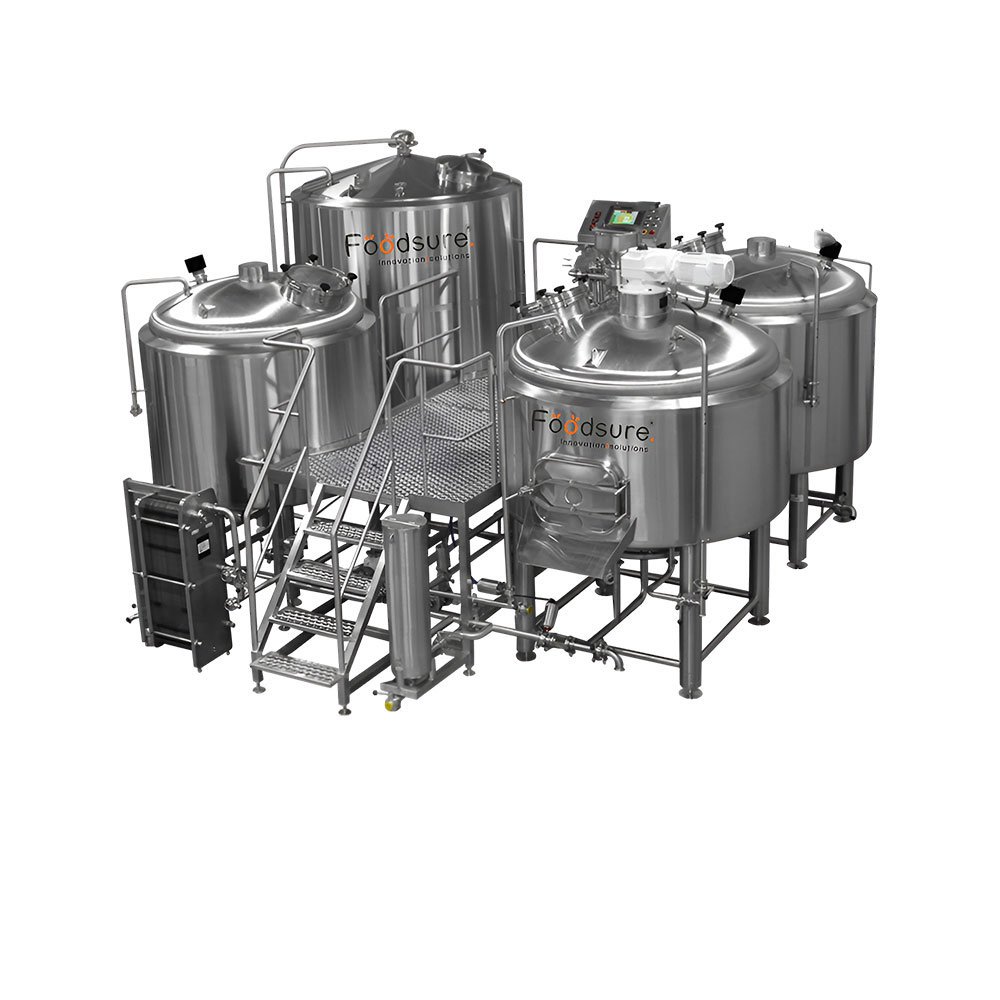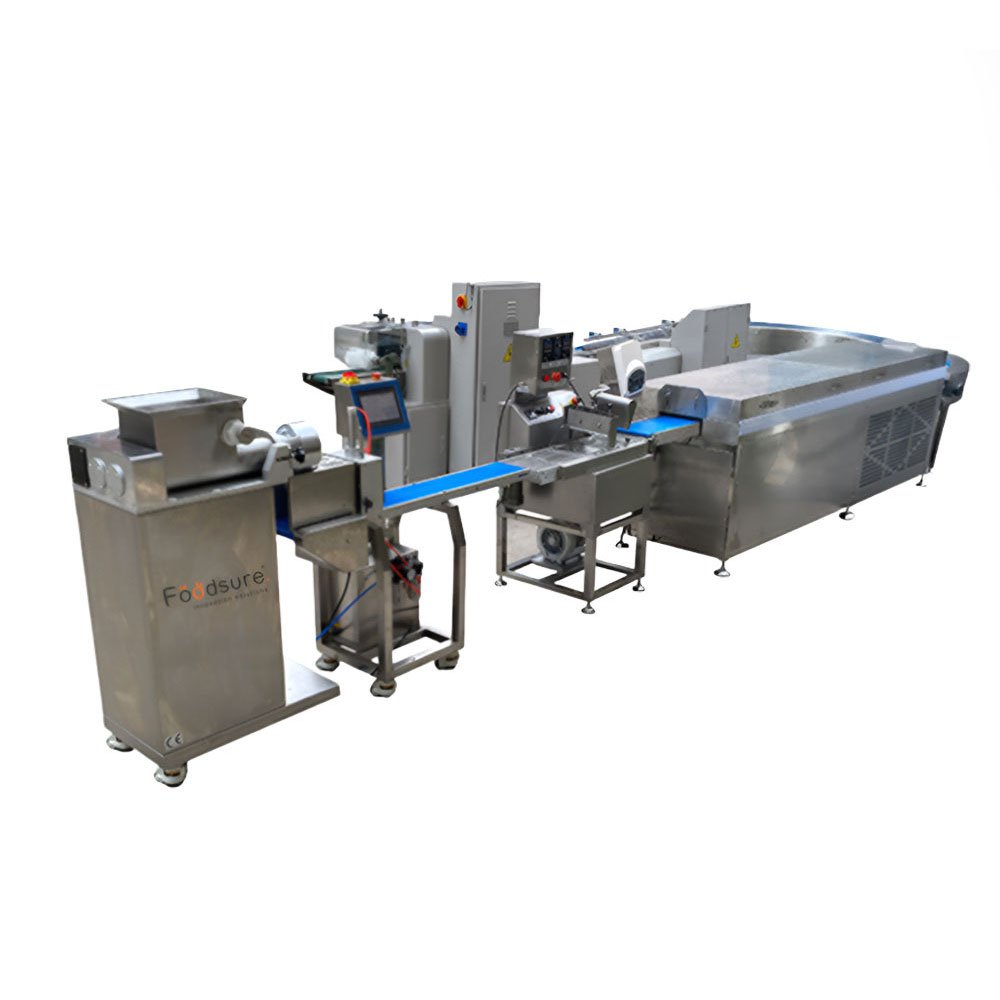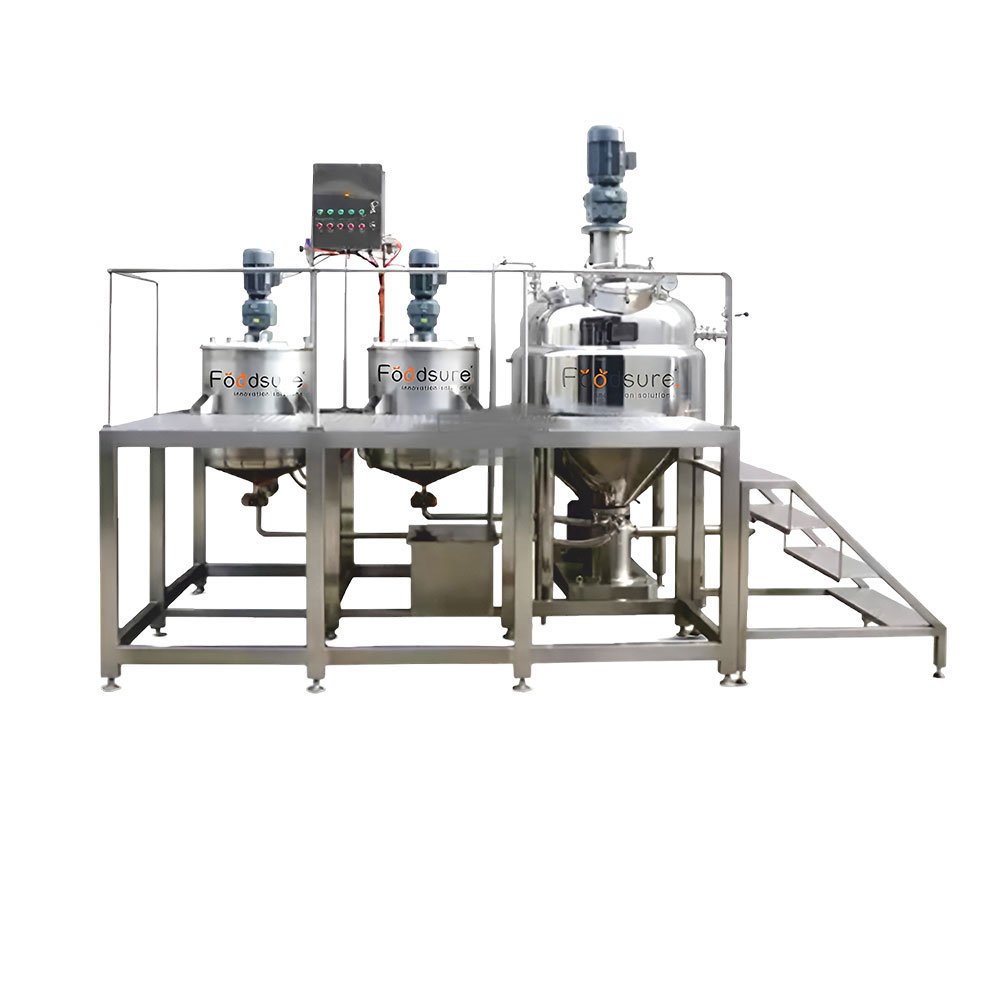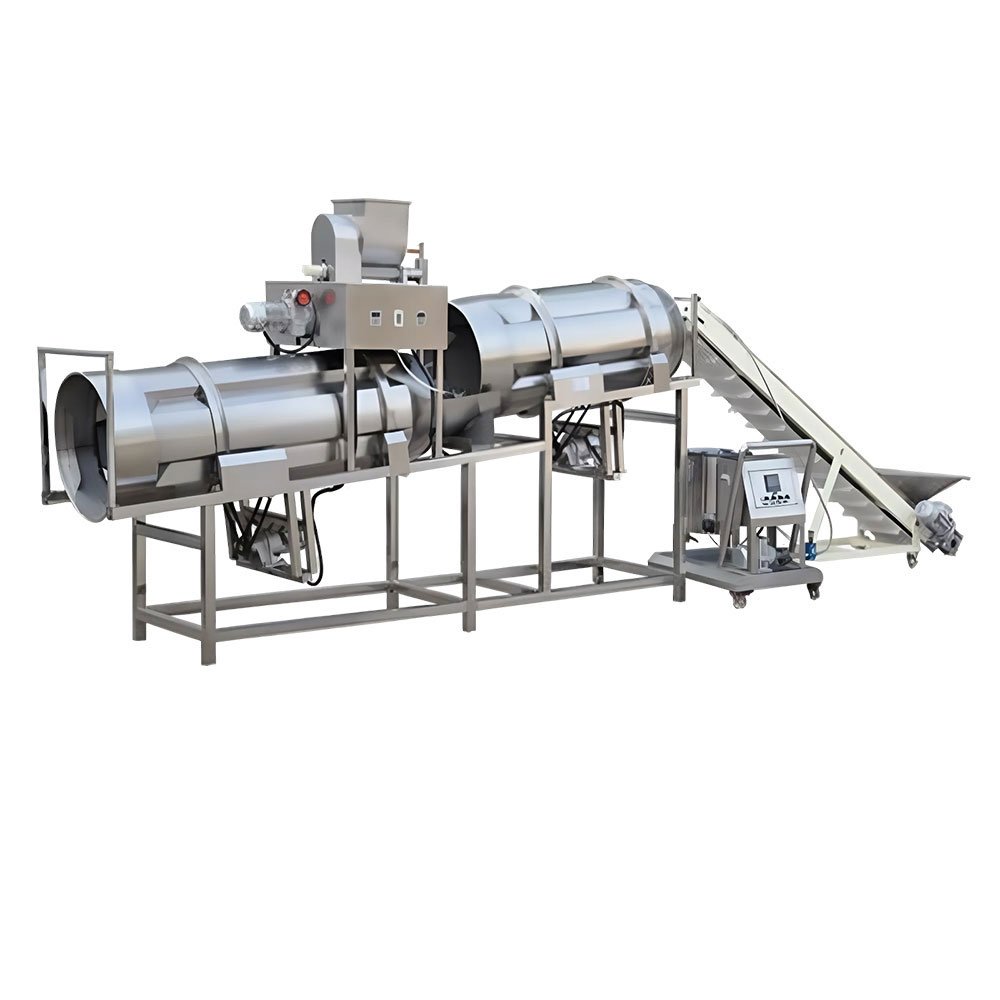

Roasted Makhana Brand Launches looks simple on the surface. Distributors are interested in the raw materials that are instant available, demand is increasing, and branding appears straightforward. However, many promising makhana brand in India either quietly close their doors before making their first significant sales or fail to start on schedule. Most of the time, demand, marketing, or even funding are not issues. In the pre-launch phase, when uniformity, timing, and predictability are more important than scale, the actual problem with roasted makhana manufacturing is inadequate automation.
This blog explains how poor or misdirected automation causes delays in brand launches, what smart processors automate first to safeguard their launch schedules, and the common mistakes made by small manufacturers.
How Poor Automation in Makhana Processing Disrupts Brand Launch Timelines
Most Automation issues do not seem to be critical. Everything goes on as usual in the case of machines, roasting, and packing. However, small areas of inefficiency below the surface can persist for weeks or even months without any noise.
Manual Roasting Leads to Inconsistency in Batches
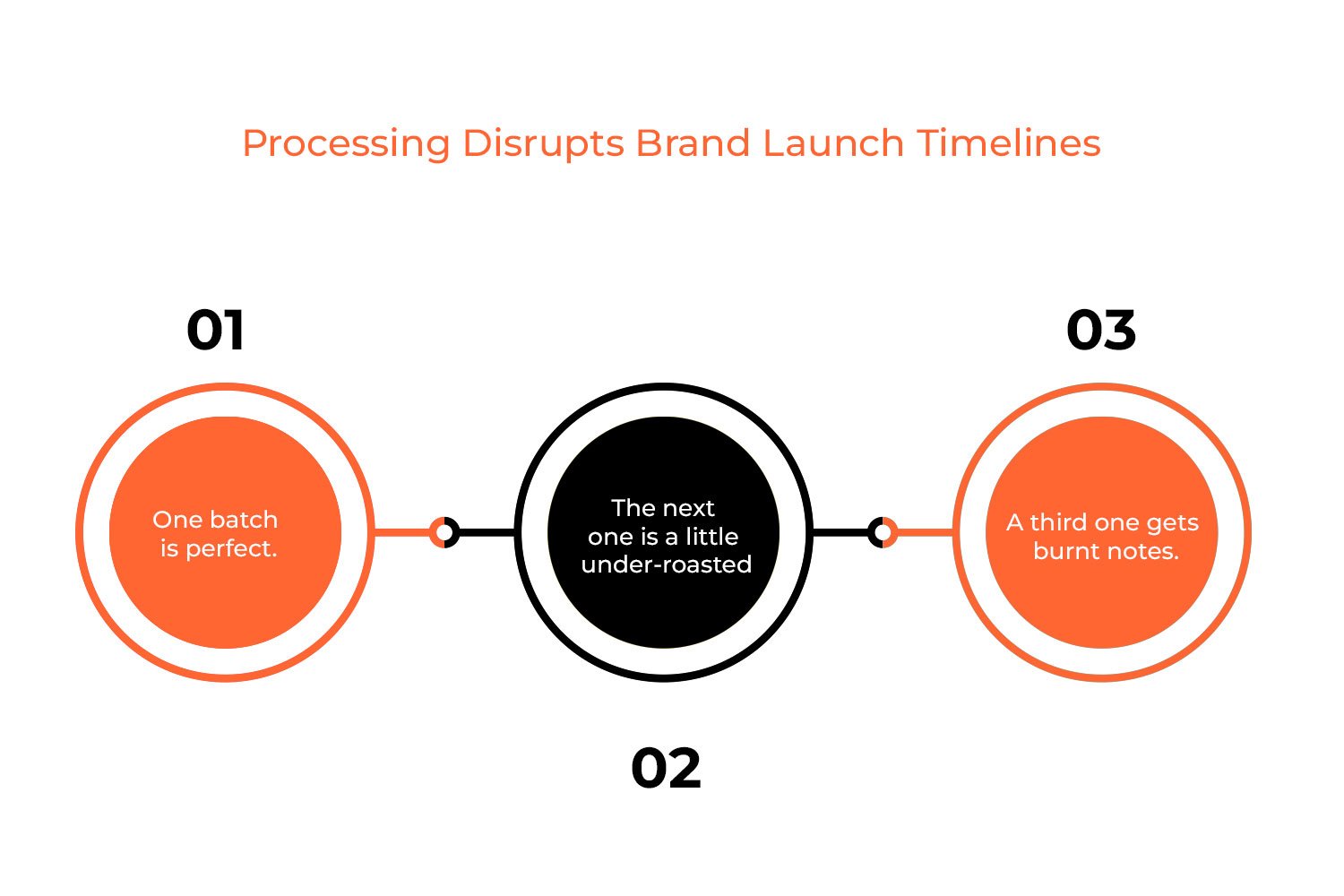
A manual or semi-automatic makhana roasting machine is dependent on the operator’s judgement. Variations in flame control, as well as different timings for batch loading, stirring speed, and discharge, vary from person to person. This creates a significant issue in the trial runs:
- One batch is perfect.
- The next one is a little under-roasted.
- A third one gets burnt notes.
Sampling gets stuck whenever there are changes in taste, colour, and texture. Retail buyers take more time for approval. The founders are still testing instead of launching. Without automated roasting control, production never stabilises long enough to proceed.
Packaging Bottlenecks Are Major Culprits in Killing Go-Live Timelines
The manual packaging line is either the bottleneck or less efficient. This is required for the rapid roasting of makhana, which can lead to the roasted makhana becoming stale, absorbing moisture, and losing its freshness. Shelf-life testing can no longer be relied upon. Instead of finalising MRP and distribution, the teams get stuck solving packaging failures. A pack-out stage delay is one of the quickest ways that poor automation silently pushes a Roasted Makhana Brand Launch back by months.
Dependence on Labour Disrupts Trial Production
The production of a pre-launch product is supposed to be repeatable. But the strong reliance on labour creates a risk:
- The skilled operators are not available.
- The output is reduced during the shift change.
- Quality varies when there is pressure.
When specific people rather than automated systems control production, it becomes impossible to plan a fixed launch date.
Why Roasted Makhana Brand Launches Fail at the Production Stage
Most Roasted Makhana Brand Launches do not fail due to a lack of demand. They fail because their production system is never sufficiently stable to support a launch.
Inadequate automation causes invisible pressure points that compound over time:
- Festival windows that are missed reduce the first bulk sales and make distributors less interested.
- Inconsistent output prevents finalising pricing, packaging, and shelf-life claims.
- Repeated trial batches drain working capital without generating revenue.
- When deadlines get pushed back, stakeholders pay more attention to FPOs and companies.
- Teams lose confidence in planning because output cannot be predicted.
- When production cannot be trusted to deliver the same result every day, launch decisions are continually postponed even when the market is ready.
What Smart Makhana Brands Automate First in Makhana Processing
The process of success of Roasted Makhana Brand Launches does not rely solely on automation. Instead, it begins with the application of automation that eliminates the uncertainty from the control points crucial to the roasting process.
Smart brands give priority to the upgrades in this specific order:
- The temperature and time are controlled by automation, ensuring uniform heat distribution and eliminating the risk of operator error, thereby maintaining product quality. This will lead to faster sampling and quicker taste approvals, as well as increased confidence in repeating the same output for every single batch.
- The flow control for cooling and seasoning prevents moisture retention, uneven flavouring, and texture damage. Consistent cooling also helps the spice stick evenly to the food. Without this, it would be hard to package or increase the volume.
- The semi-automatic packaging option was chosen early in the process because it gives a predictable throughput with minimal capital investment. At the launch stage, reliability is more important than speed, and the flexible packaging setups lower the financial risk.
In this way, the brands that selectively automate their processes can reduce launch timelines while maintaining quality and costs under control.
Why Smart Automation Accelerates Roasted Makhana Brand Launches
The majority of roasted makhana founders postpone automation because they associate it with large factories and heavy capital spending. In fact, early-stage automation is about saving time, not increasing the scale.
At the launch stage, innovative automation is providing value through:
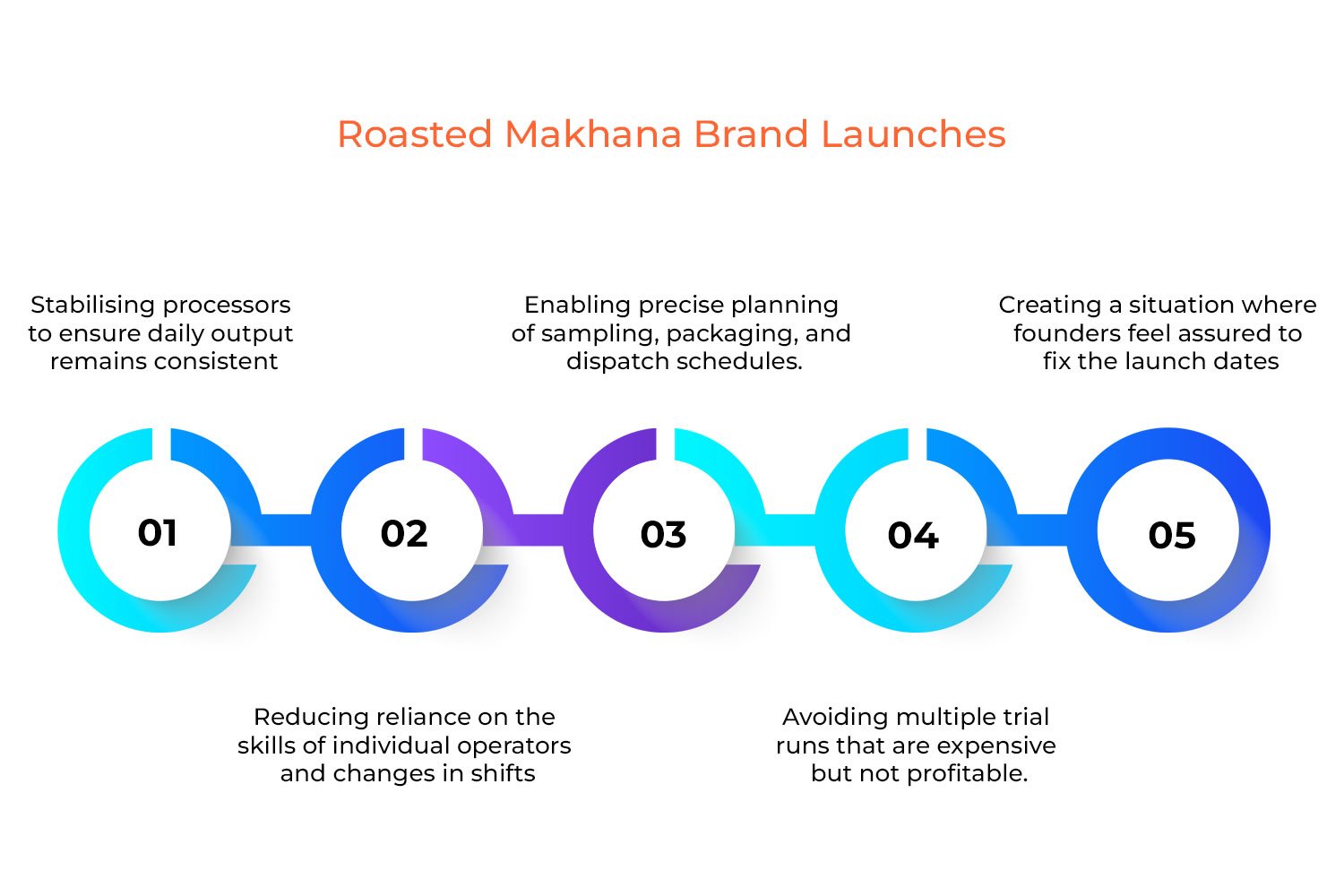
- Stabilising processors to ensure daily output remains consistent.
- Reducing reliance on the skills of individual operators and changes in shifts.
- Enabling precise planning of sampling, packaging, and dispatch schedules.
- Avoiding multiple trial runs that are expensive but not profitable.
- Creating a situation where founders feel assured to fix the launch dates.
Once the main control points are automated, production becomes predictable. The teams will not be put in a firefighting situation, and the decision will be clearer; launch timelines will not be delayed. Smart automation doesn’t eliminate people; it eliminates uncertainty from the system.
Conclusion
Roasted Makhana Brand Launches needs more than just hard work and a reliable production method. At Foodsure Machines, our automated designs eliminate uncertainty, safeguard launch schedules, and foster genuine growth. Our goal is to assist brands in launching on schedule each and every time.
FAQ
What is the biggest reason roasted makhana brand launches get delayed?
Weak automation causes inconsistent batches. Teams keep reworking the same issues, repeating trials, and losing weeks before the product is truly launch-ready.
Is full automation required to launch a roasted makhana brand?
No. You only need automation where uncertainty exists. Trusted, repeatable processes matter more than a massive setup.
Which process should be automated first in roasted makhana production?
Roasting. Once the roast is stable, taste approvals speed up and repeat orders stop feeling risky.
How does poor automation affect distributor approvals?
Distributors judge samples, not promises. Batch-to-batch variation slows approvals and erodes early trust.
Can small or FPO-led makhana brands automate on a limited budget?
Yes. Modular and semi-automatic makhana machines help brands gain control, reduce risk, and scale without locking up all their capital.