Over 70% of India’s makhana comes from Bihar, yet most farmers in Madhubani still sell raw seeds for thin margins. What if your Makhana Business in Madhubani could double its income through processing instead? This step-by-step guide shows exactly how to build profits from ground zero.
Why the Booming Market Makes a Makhana Business in Madhubani a Smart Move
The Makhana trade has now grown into a completely developed sector with the total market size forecasted to be approximately INR 8.50 billion by 2024 and an expected CAGR of 9.22% during the period between 2024 and 2032, bringing the total Market Size to approximately INR 19.60 billion by 2032. A growing desire for healthy snacks, along with the boom in Cafés and Restaurants, will drive Makhana Business Growth. The influence of Food Bloggers and their impact on generating interest in Makhana Products is another means to propel the growth of this sector. Therefore, if you are considering entering the Makhana Market in Madhubani, there should be no doubts as to the acceleration of Makhana Demand – it is indeed occurring.
Read More: Makhana Machine Trends 2026: Industry Growth & New Opportunities
Why Madhubani Is Ideal for Starting a Makhana Business
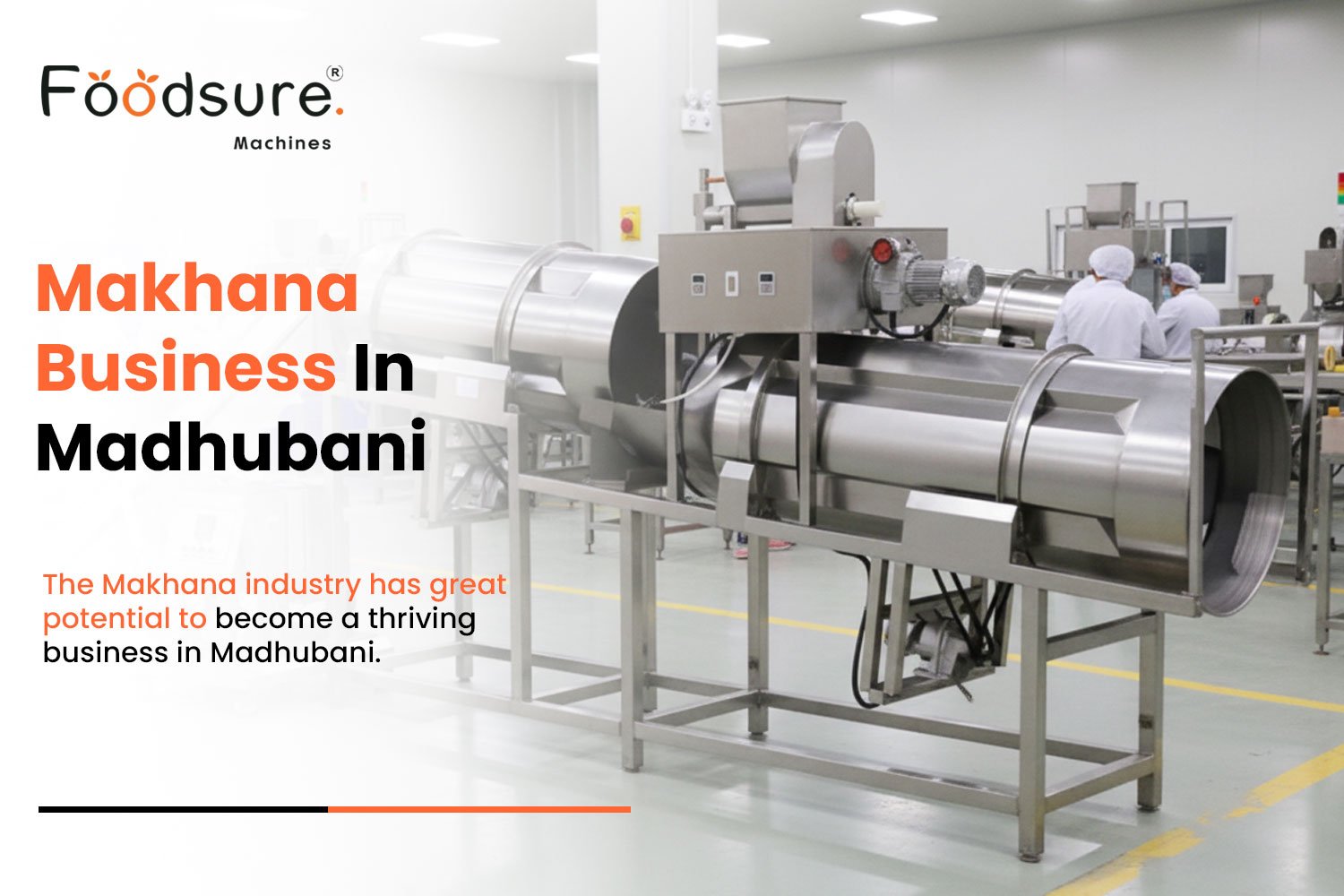
The Makhana industry has great potential to become a thriving business in Madhubani. All the environmental conditions necessary are present in the area.
- Makhana is mainly produced in Madhubani, Darbhanga, and Muzaffarpur, the three districts of Bihar. These areas also produce Makhana seeds, allowing residents to obtain them easily and at low prices.
- The people of Madhubani are experienced at cleaning, drying, grading, and preparing Makhana for consumption. Therefore, these workers will easily learn how to run a Makhana processing business.
- The increasing number of people who are interested in eating healthy snacks in urban locations in Bihar, and across India in general, has created a growing market for Makhana. This growing market has led to increased prices for Makhana products and helped local companies expand.
To summarise, the availability of sufficient amounts of Makhana, a trained workforce, and an expanding market present a golden opportunity for people from Madhubani to easily enter the Makhana business.
Step-by-Step Process to Start Your Makhana Business in Madhubani
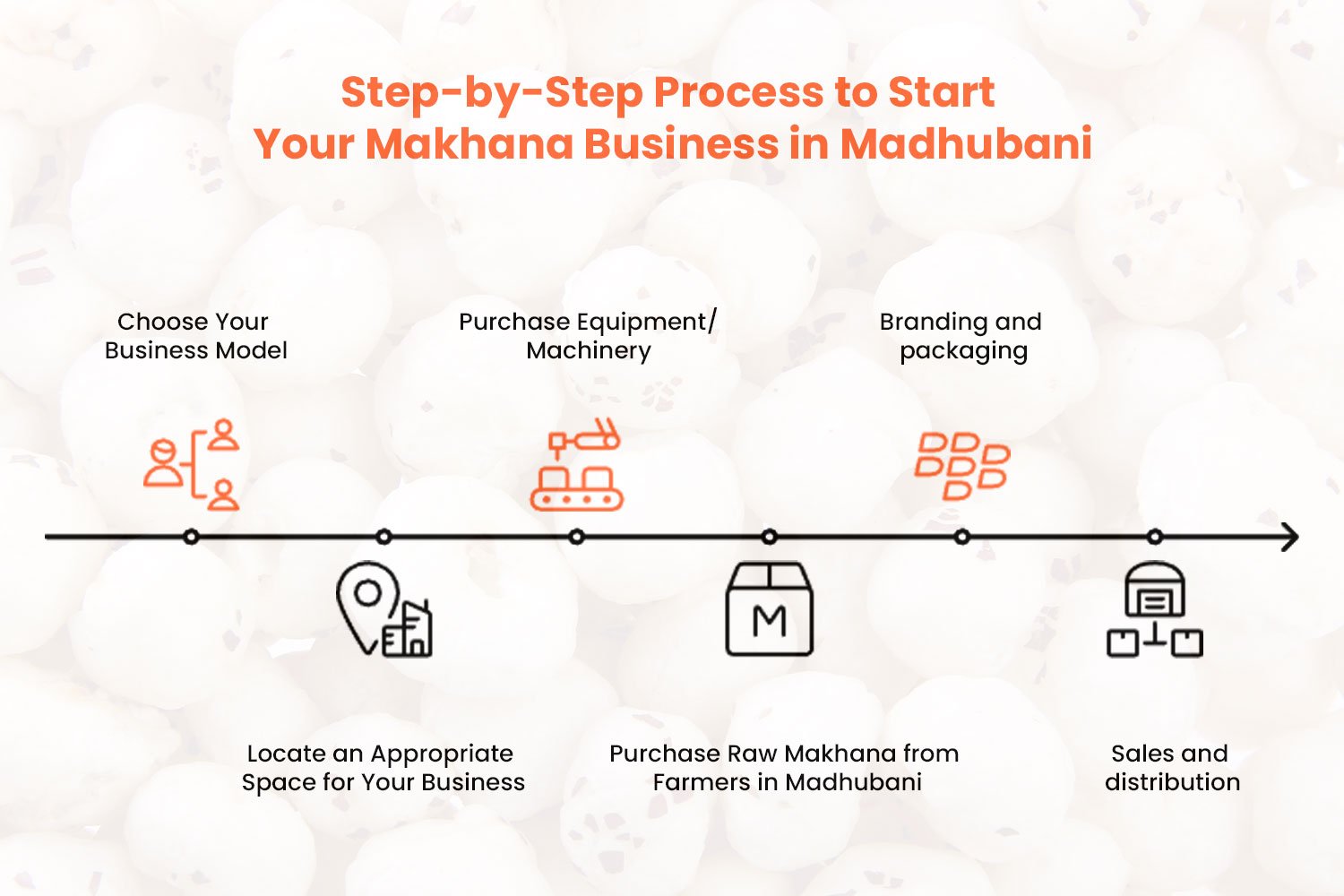
The criteria for success in your local Makhana Business will be much defined by following these steps to start a Madhubani-based Makhana Business in this order:
- Choose Your Business Model: A finished product that has undergone Grading, Roasting, and Retail Packaging. This is done by the Makhana processing machine. Presently, most new business owners of the makhana making machine are small-scale makhana processing units.
- Locate an Appropriate Space for Your Business: Choose an Appropriate Space for your business that has good ventilation for drying, roasting, and packing makhana. You will need a space of between 500-800 square feet to perform these activities. If your business operates from a rural area, you can expect to have lower variable costs than if you operate from an urban area. As a result of lower variable costs, your start-up costs will also be lower.
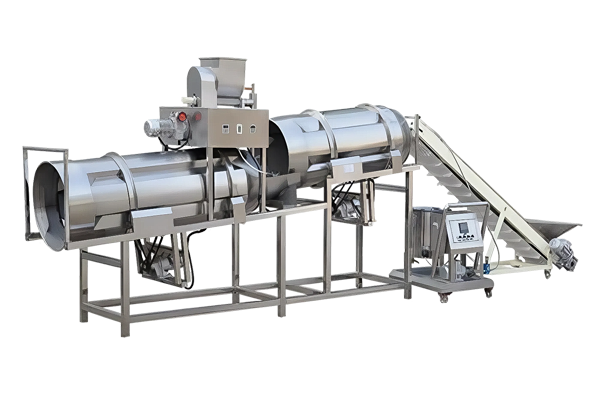
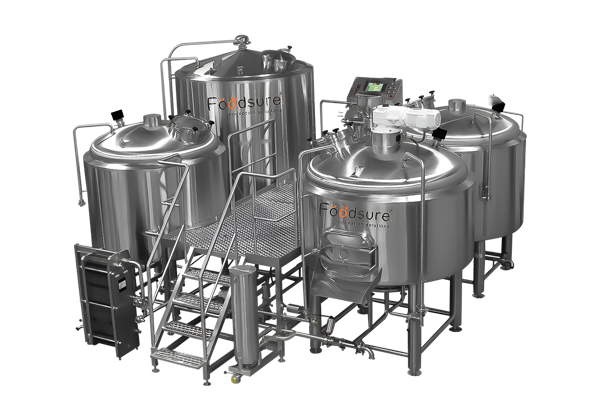
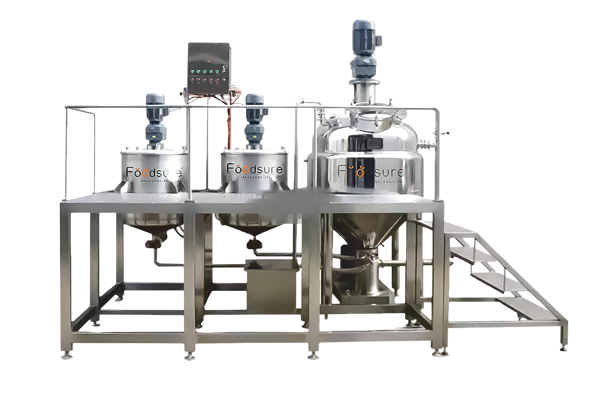
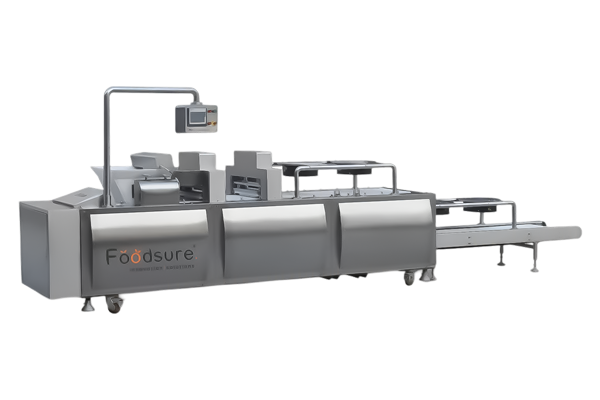
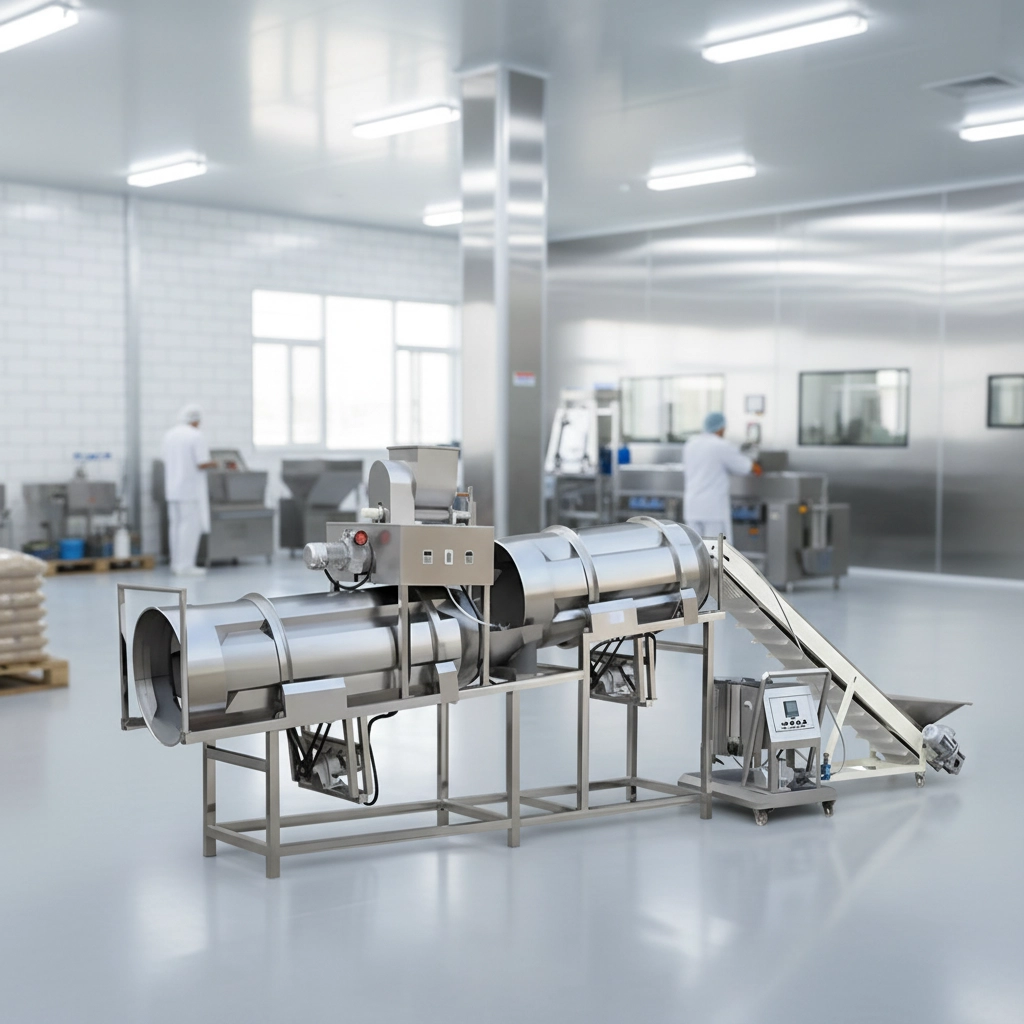
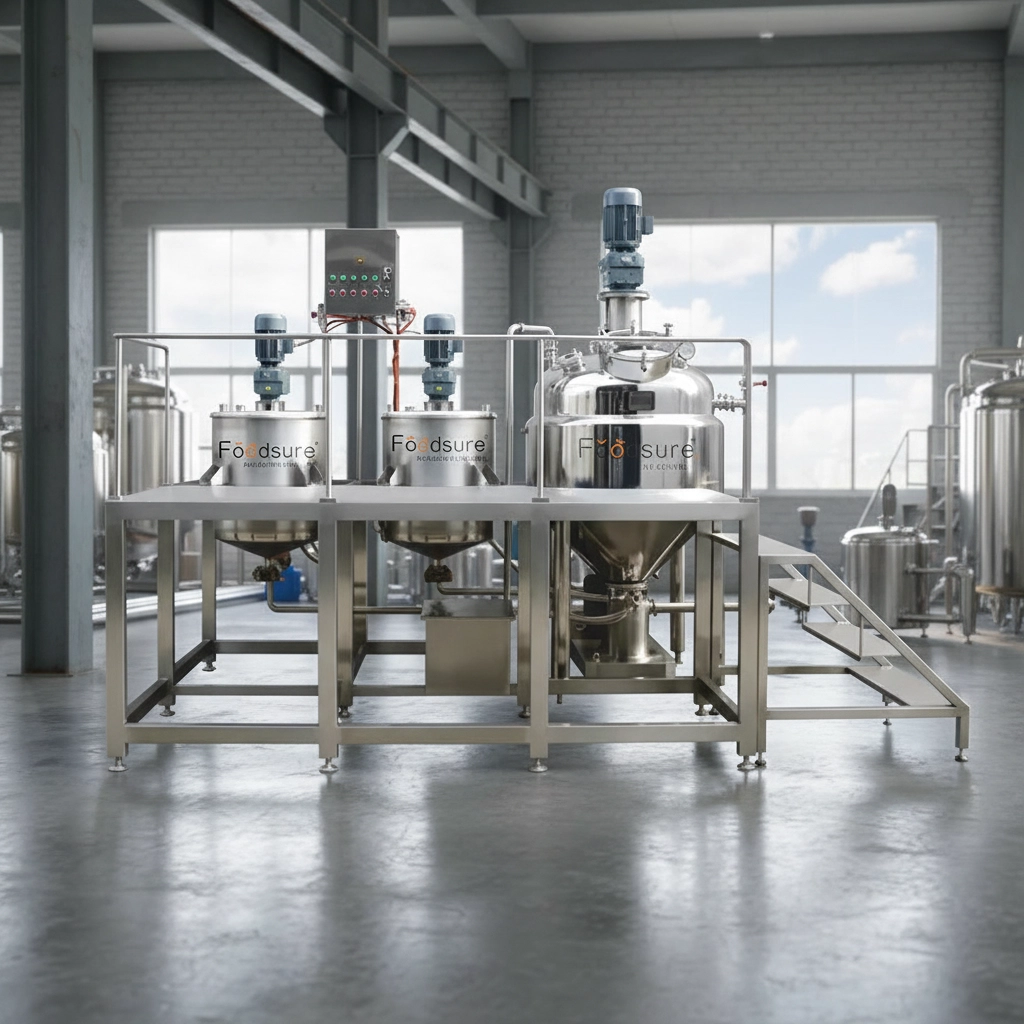
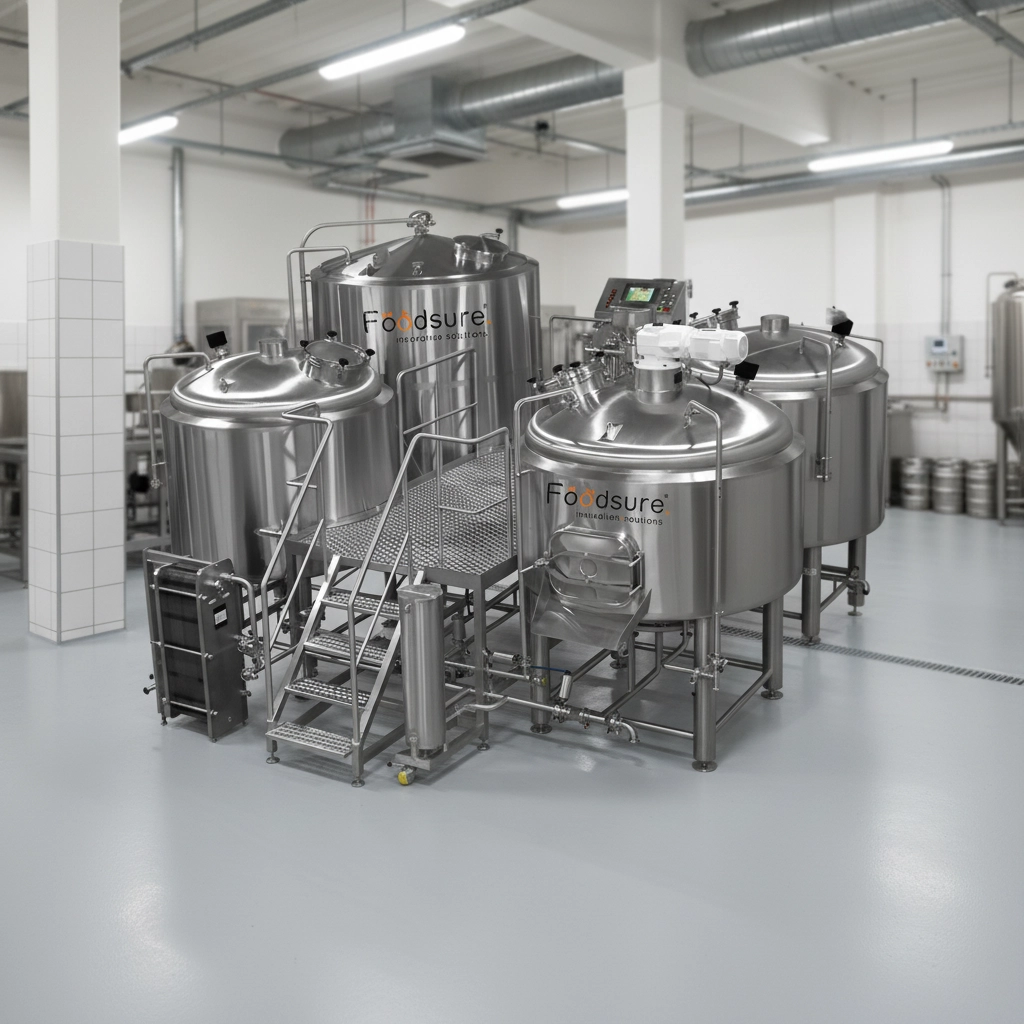
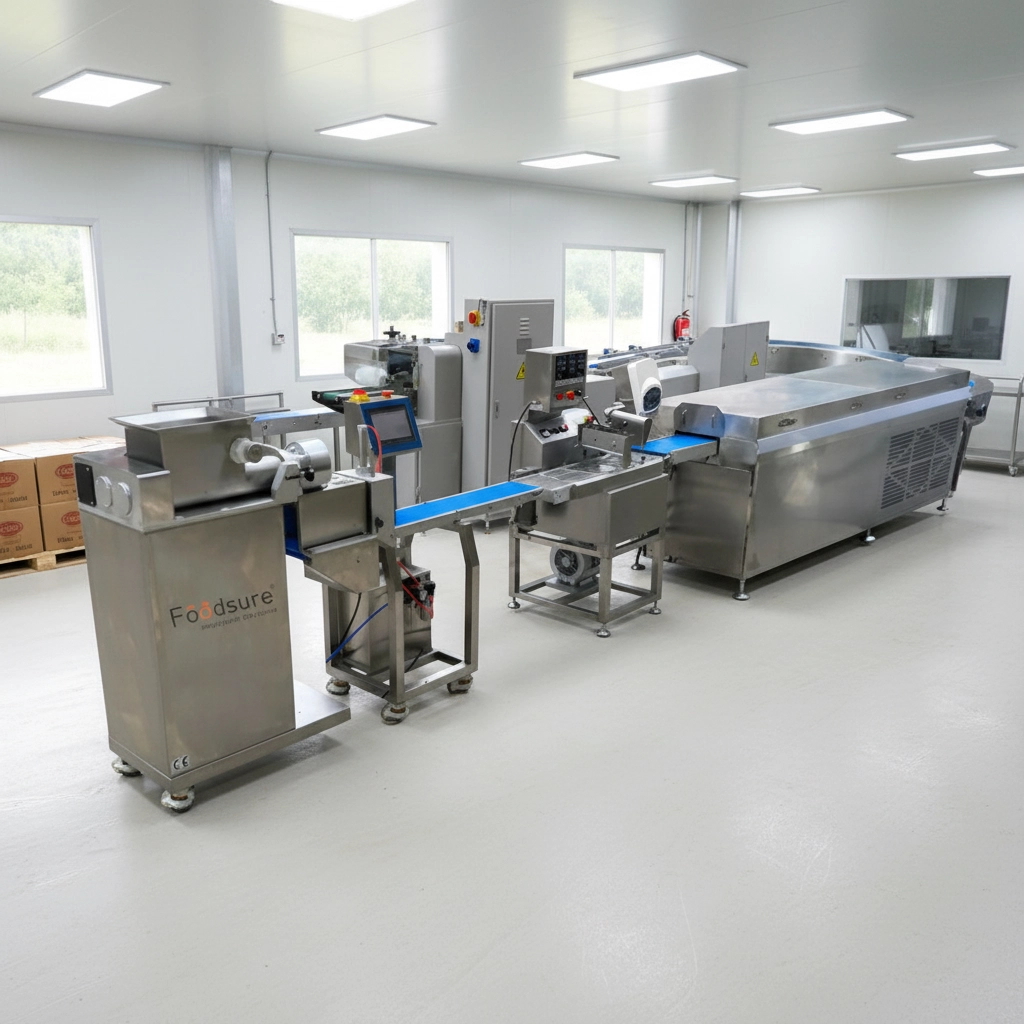
- Purchase Equipment/Machinery: Based upon the volume that you anticipate selling, you should purchase the required machines to perform the activities of grading, roasting, and packaging of makhana.
- Purchase Raw Makhana from Farmers in Madhubani, Darbhanga, and Muzaffarpur: When you purchase your raw makhana directly from the farmers, you will derive the maximum profit from the gross margin of your makhana.
- Branding and packaging with a simple FSSAI-compliant brand help get into the retail market.
- Sales and distribution should start from wholesalers, pharmacy stores, and distributors of local snacks.
Read More: From Manual To Modern: How Advanced Makhana Processing Machines Transform The Industry?
How Much Does a Makhana Machine Cost? Real Prices Explained
| Machine / Part | Typical Price Range (₹, India) |
|---|---|
| Basic/Small-Scale Roaster / Roasting Machine (for small batches) | ₹1.25 lakh – ₹2.50 lakh |
| Medium-Capacity Roaster / Processing Machine (semi-auto) | ₹2.45 lakh – ₹4.50 lakh |
| Grading / Cleaning / Sorting Machine / Vibratory Sieve | ₹75,000 – ₹1.40 lakh |
| Packaging Machine (basic/semi-auto) | ₹1.50 lakh – ₹3.50 lakh (for semi-automatic packing line) |
| Small integrated processing setup (cleaning + roasting + packing) | ₹3.5 lakh – ₹7.5 lakh (as small commercial unit baseline) |
| Larger / Fully-Automatic Processing Line (for high capacity) | ₹10 lakh and above (depending on capacity and automation) |
Read More: Makhana Machine Cost in India- ROI Analysis for Manufacturers
How to Get Licenses & Government Benefits for Makhana Business in Madhubani
In Madhubani, starting a Makhana business is a less complicated and less expensive endeavor when you know how to apply for all of the necessary licenses and take advantage of government-funded programs. The following Licenses and Programs will be useful when operating a Makhana business:
- You must register with the FSSAI if you are selling roasted or packaged makhana, which helps you gain the confidence of your customers and allows you to sell Makhana through Retail, Online, and Institutional Markets.
- Registering your business as a free MSME (Micro Small Medium Enterprises) with Udyam registration allows you access to Government Financial Programs, including Government Loans at reduced interest rates, along with various Subsidies.
- The PMFME Subsidy Program provides a 35% subsidy for the establishment of eligible food processing units (including Makhana Processing units).
- The Mudra Loans Government Scheme provides you access to ₹10 Lakhs maximum amount as a Collateral-free loan to acquire machinery, establish your business, and provide working Capital requirements.
- NABARD is a National Bank to support Agricultural and Rural Development, and it provides Special Financing and Grants for Infrastructure and Cluster Support for Farmer-Producer Organizations (FPOs).
How to Choose the Right Supplier for Your Makhana Business

- Experience – Choose a supplier that has successfully installed a makhana machine in Bihar, or in regions that are similar in geography.
- Support – Ensure your supplier provides fast and accessible local on-site support; price alone isn’t enough; you need local support.
- Machinery Quality – Examine the type of steel used in manufacturing the machinery, as well as the brand of the motor and the safety features provided.
- Capacity – Verify that the capacity of the machinery matches your anticipated daily manufacturing output.
- Training/Demonstration – The supplier should provide adequate training to enable you to safely and fully operate the machinery prior to putting it into production.
- Spare Parts – Down time resulting from a lack of spare parts available for the machinery has a negative impact on your profits. Therefore, it is essential that you have a sufficient supply of spare parts available for the equipment you operate.
Read More: Top 5 Makhana Machine Companies In India
Conclusion
Madhubani now offers great opportunities for entrepreneurs looking to start their Makhana business. Foodsure Machines offers assistance with all of your equipment needs related to processing and will help you set up your Makhana business in Madhubani. Our Processing Solutions are developed to allow you to run your operation in an efficient manner, improve your profits, and ultimately grow your Makhana business.
FAQs
Q1. What is the ideal location to start a Makhana Business in Madhubani?
Ans: The best spot is close to farms in Madhubani, Darbhanga, or Muzaffarpur. That way, sourcing raw makhana is easier, and costs stay low.
Q2. What is the minimum investment required?
Ans: For a small-scale setup, you’re looking at roughly ₹3–4 lakh.
Q3. Which machines are essential for processing?
Ans: You need a roaster, a grader, and a packing machine. That’s enough to start producing finished makhana products.
Q4. Do I need FSSAI registration?
Ans: Yes. If you plan to sell processed or packed makhana, it’s mandatory.
Q5. Can I get government subsidies?
Ans: Yes. PMFME and Udyam registrations can help reduce your initial cost.
Q6. Is skilled labor available locally?
Ans: Absolutely. Workers in Madhubani already know the basics of makhana processing.
Q7. What is the average profit margin?
Ans: Processed makhana can give you 25–35 percent, depending on scale and market.
Q8. How long does it take to break even?
Ans: For a small unit, expect around 12–18 months before you start seeing profit.
Q9. Where can I sell my products?
Ans: Think retail stores, online marketplaces, and wholesalers. There’s demand at all levels.
Q10. Can FPOs get special support?
Ans: Yes. NABARD offers funding, cluster support, and guidance for farmer-producer organizations.
Q11. Is online marketing effective?
Ans: Yes. Food vloggers and social media can boost visibility and sales quickly.
Q12. Do I need a separate storage facility?
Ans: Yes. A ventilated shed for drying and packing keeps your makhana safe and maintains quality.