The protein bar market is growing rapidly, with protein bars being consumed worldwide every day. The major brands already established in this field will challenge new entrants; however, due to the increased demand for plant-based foods and functional nutrition, as well as the ongoing challenges of manufacturing, pricing, and producing consistently high-quality protein bars in high volumes. Existing manufacturers of equipment for the manufacture of protein bars will offer solutions to some of these challenges.
Protein Bar Market Size & Growth Outlook (2024–2033)
The protein bar market is projected to reach $3.8 billion in 2024. In 2033, it is expected to grow to approximately $5.7 billion, with a CAGR of about 4.8% between 2025 and 2033. The reasons for this anticipated growth include more people making healthier food choices, more people leading busy lives and wanting convenience, and also an increased desire by many to consume high-quality protein and plant-based proteins, in conjunction with the continued development of interesting new flavours and textures for protein bars through advances in the functional protein ingredient industry.
2025 Protein Bar Market Trends Fueling the Next Wave of Growth
- As clean label and ingredient transparency continue to evolve, consumers will continue to shift towards products that do not contain artificial ingredients simply due to their ease of understanding and accessibility.
- The growing popularity of plant-derived (pea, soybean, nut) proteins is being driven by an increase in health benefits as well as sustainability associated with the cultivation and production of plant-derived proteins.
- In addition to protein convenience, many nutritional bars available today also offer additional benefits for skin and hair, along with support for healthy joints.
- As more consumers learn about the effects of gut health on total body health, they will continue to seek ways to support their digestive systems and immune systems through prebiotics, fiber, and probiotics.
Protein Bar Manufacturing Machines Powering Industry Growth
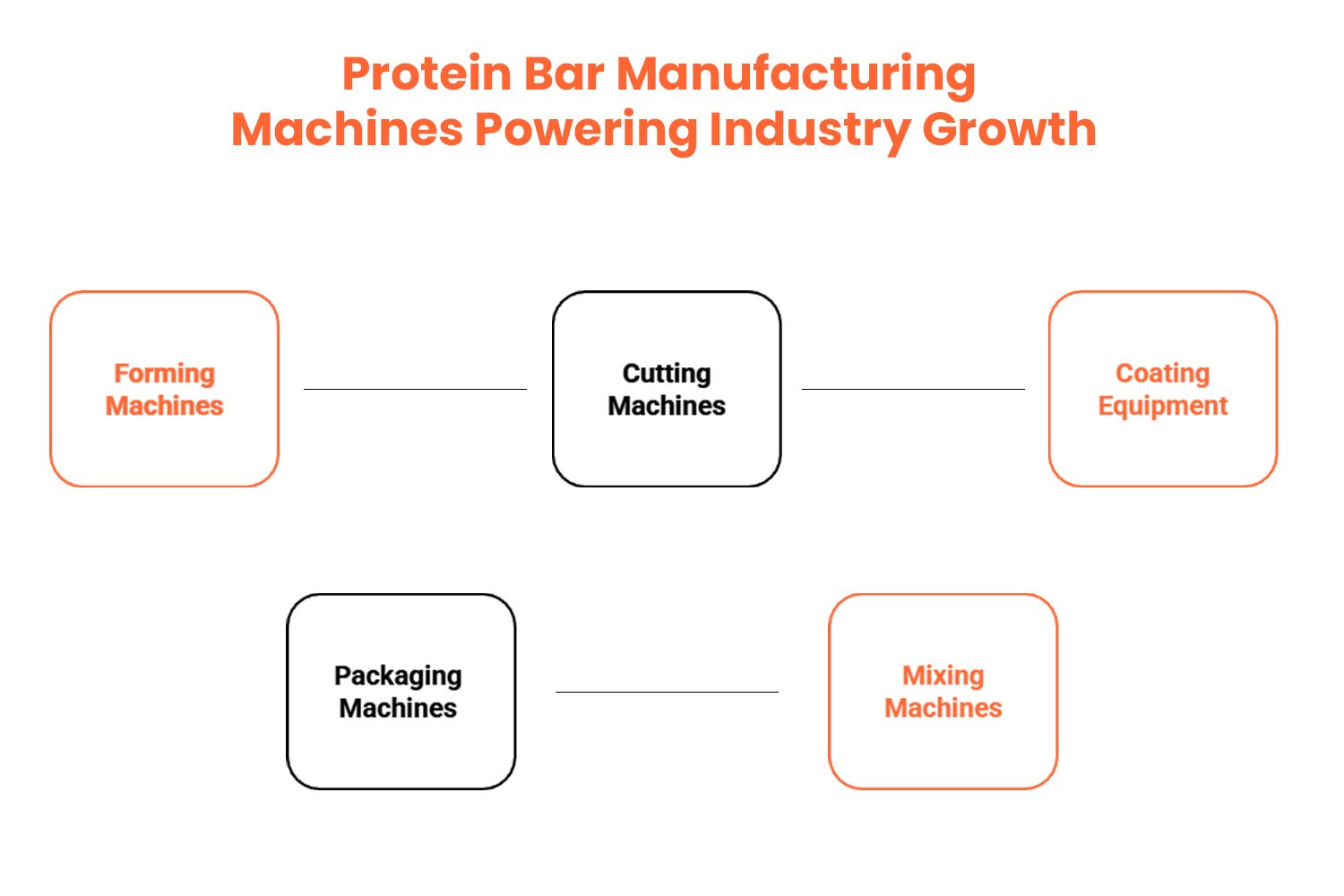
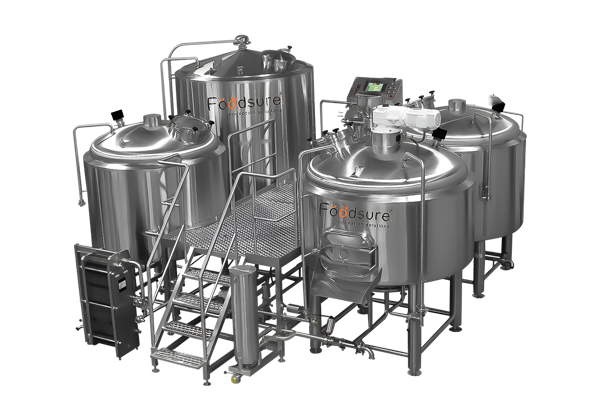
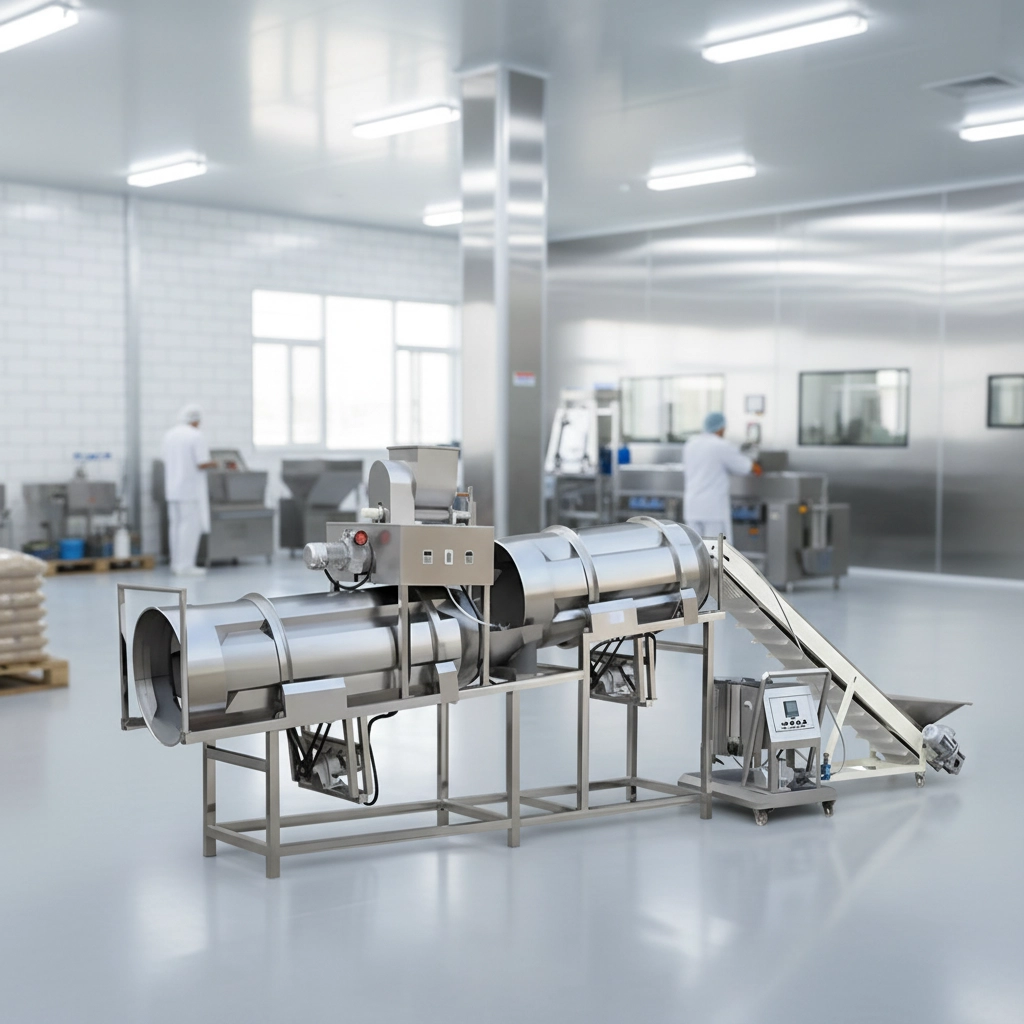
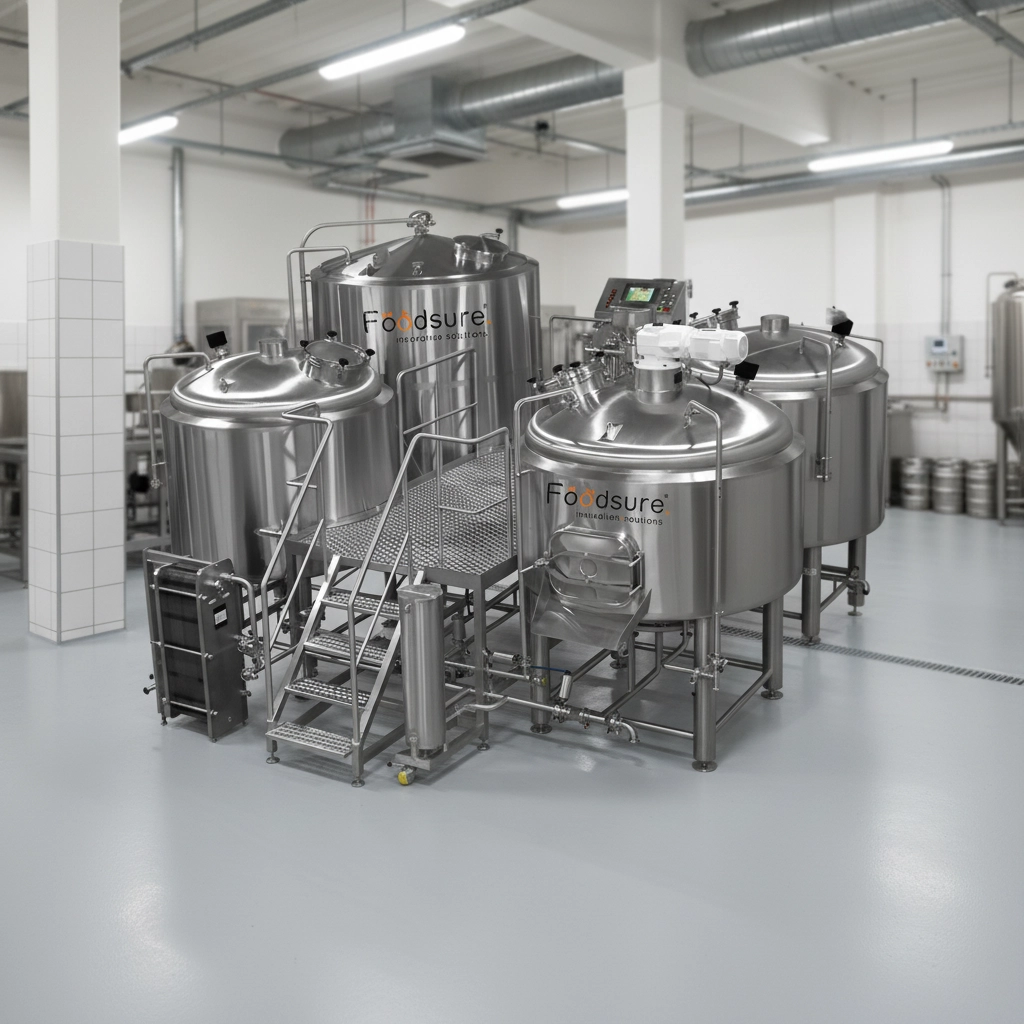
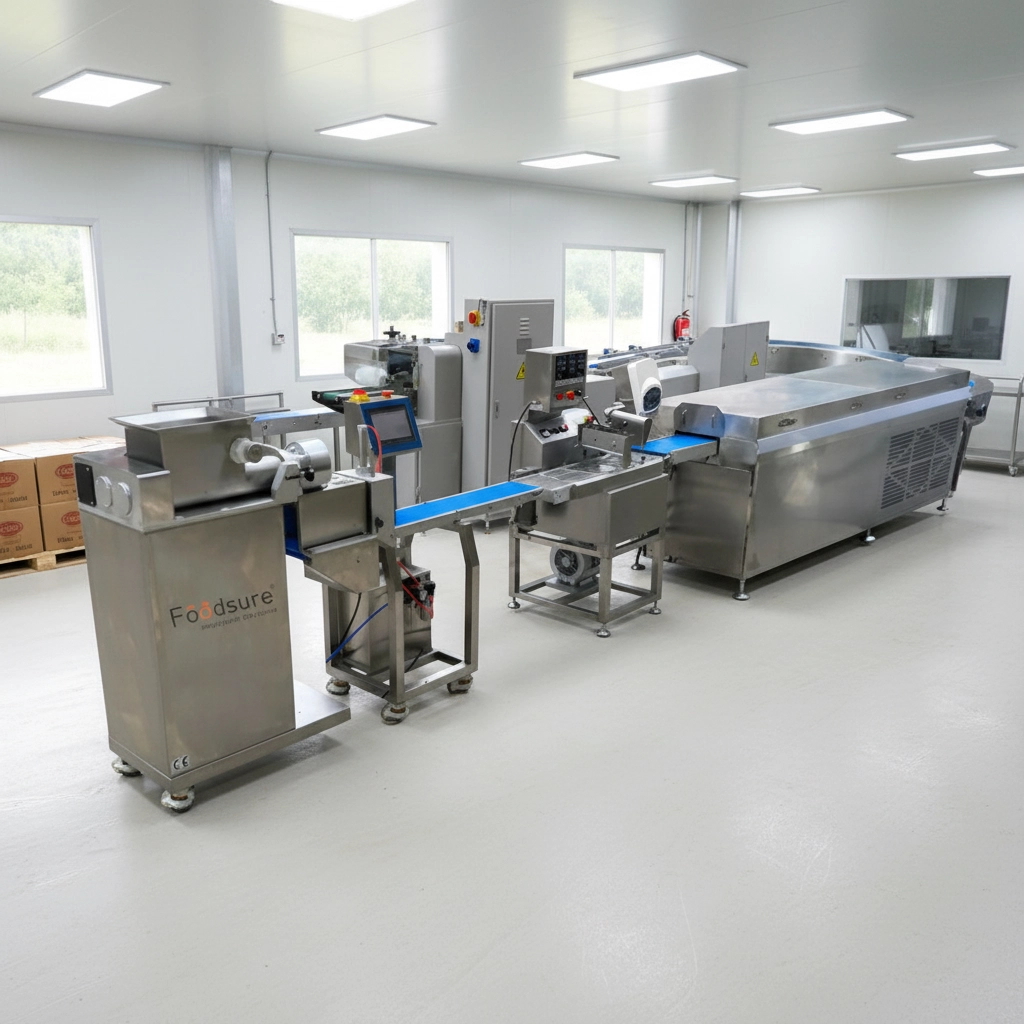
With the growing popularity of protein bars, protein bar makers from both established and startup brands are making heavy use of specialized machinery. Below, you’ve got a breakdown of numerous distinct pieces of equipment that are currently available in the marketplace, and examples of trends in the market for protein bar equipment.
Forming Machines:
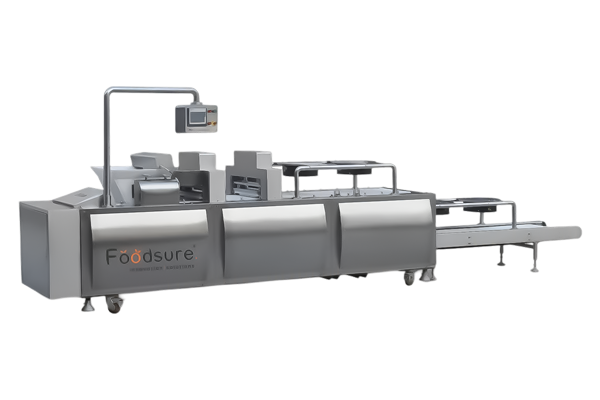
- Most manufactured protein bars are made using extrusion and forming equipment to produce the bar’s size, shape, and density.
- By mixing together the dough(s) or paste-like mixtures and then cooking them through the use of a custom-sized die in conjunction with modern-day manufacturing technology.
- The manufacturer of protein bars can continue to adjust the size and shape of each bar at the time of extrusion.
Cutting Machines:
- After the protein bars have been extruded, cutting and loading equipment is needed to enable the proper sizing and packing of protein bars for sale and display.
- The cutting and forming protein bar equipment for protein bars includes a roller and cutter (where the protein bar is cut and rolled) and conveyor equipment (for transporting the cut protein bars from one location to another).
- All of which allow the protein bar manufacturer to maintain consistent product quality.
Optional Coating / Enrobing Equipment:
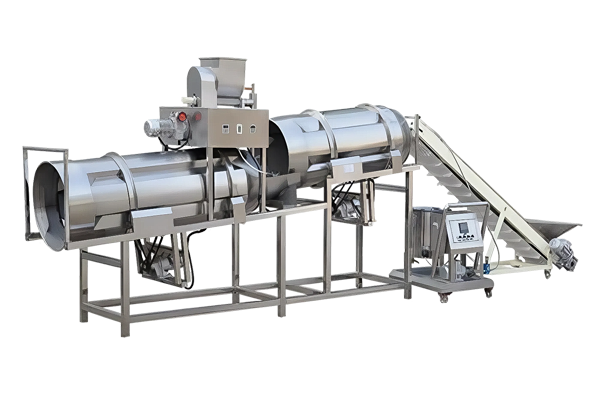
- Other manufacturers may choose to add extra flavour and texture to their products by adding a coating machine or enrobing machine.
- which provides a layer of coating (flavour and texture) on the surface of the protein bars and provides an additional source of protein and/or energy.
Machines for Packaging:
- The packaging of the bars, whether they are wrapped in foil, flow-wrapped, in film, or sealed wrappers, will not only help with the shelf-life but also keep the bar fresh and hygienic.
- This is particularly beneficial when selling to retail stores.
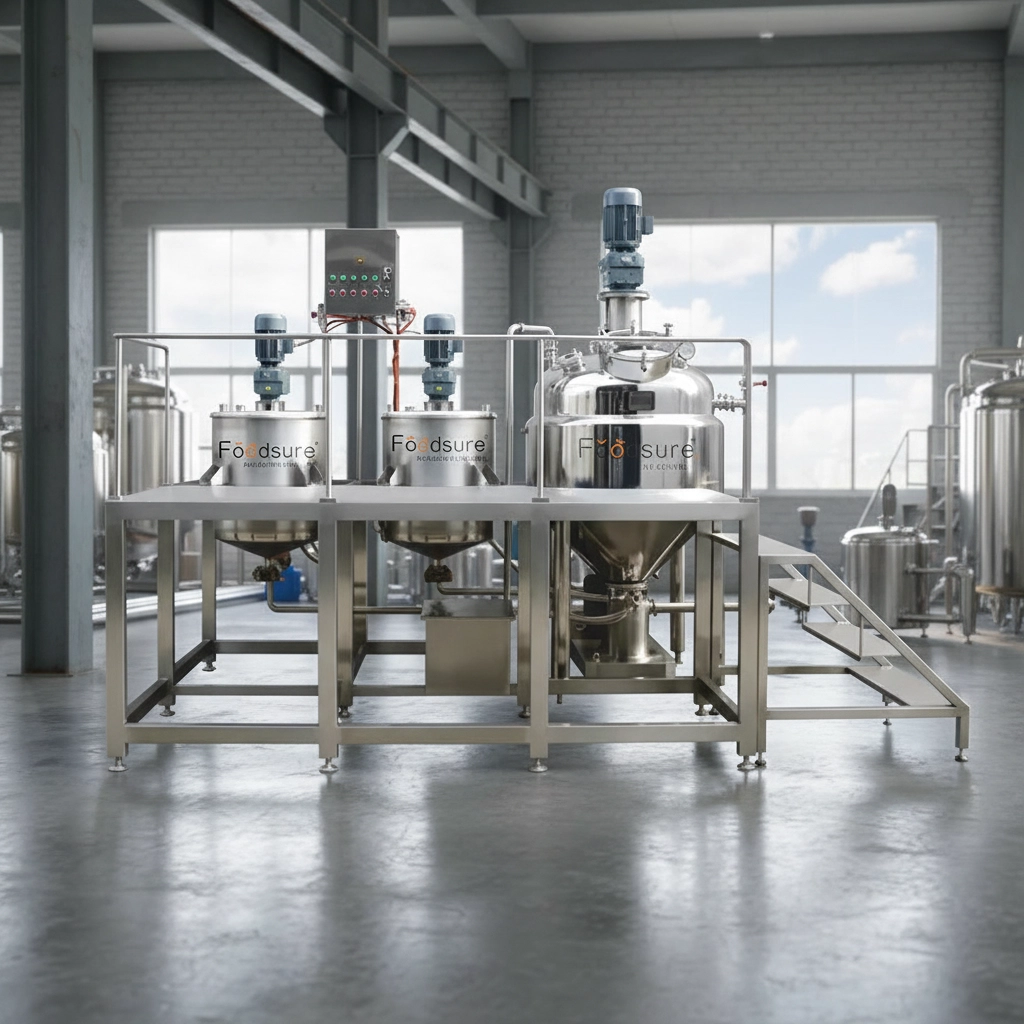
Mixing & Blending Machines (Pre-Processing):
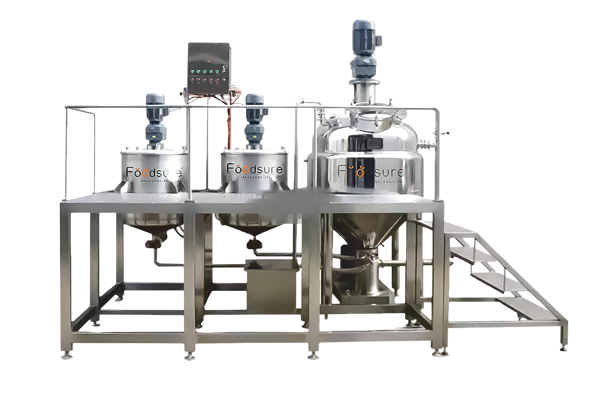
- Before the extrusion process can take place, the ingredients need to be mixed together in a uniform manner so that they are mixed equally and have the same texture throughout the finished product.
- This is why many production lines use a mixing/blending machine in conjunction with the rest of the production equipment.
Read More: Choosing the Best Protein Bar Machine in 2025: A Complete Buyer’s Guide
Latest Innovations in Protein Bar Manufacturing Machines (2025)
- 304 Food-grade Stainless Steel allows for easy-to-clean equipment and improved hygienic properties.
- Horizontal twin screw extruders allow you to process very dense, sticky, and high-protein material (nuts, syrups, filler-loaded dough) without clogging or inconsistency.
- The PLC Touch Screen Interface makes the protein bar making machines easy to operate with a variety of controls and provides the operator with multiple speeds.
- The Modular design of the machines also allows for the addition of Enrobing (Chocolate or Coating), Cooling Tunnels, and Packaging Lines, enabling the Manufacturer to create an entire Production Line over time.
- Custom Moulds and the ability to produce Bars in Different Shapes & Sizes allow Manufacturers to be Flexible in Terms of experimenting with New Manufacturing Formats to meet the Changing Consumer Tastes/Preferences.
Why a Protein Bar Machine Is Key to Production Scale-Up in 2025
When establishing a new brand of protein bar or system, the advantages of starting small with a semi-automatic protein bar machine are twofold: You can get started for a lower investment and test out more recipes before launching them into the marketplace.
- As your brand grows, upgrading to expandable production lines is beneficial for your business; these systems allow for a greater level of production accuracy, provide economies of scale, and remove the need to operate many separate production lines.
- You could potentially use some of the flexibility in your production equipment (e.g., material options and mold size) to place your protein bars in a different category than that of the traditional protein bar.
- Consider hygiene, cleaning, maintenance, compliance, and packaging quality among the key elements of your business from the beginning. Use both the Market Insight data gathered and the capabilities of your production equipment to develop a streamlined, quick-to-market business model.
Read More: Foodsure Machines Launches Automatic Protein Bar Making Line to Power India’s Functional Food Growth
Conclusion
With its clean-label trend and the rise of smart automation, the protein bar market industry has a promising opportunity for future growth in 2025. Foodsure Machines provides exceptional quality, adaptability, speed, and ongoing profitability through the use of automatic protein bar equipment that is reliable and easy to use, which will help you capitalize on these trends and grow your company into a profitable, sustainable business.
FAQ
Q1. What is the protein bar market?
Ans: A global industry producing bars rich in protein for nutrition and fitness.
Q2. What is the market size in 2024?
Ans: USD 3.8 billion.
Q3. What is the projected market size by 2033?
Ans: USD 5.7 billion, growing at 4.8% CAGR.
Q4. What drives market growth?
Ans: Health consciousness, convenience, plant-based diets, and flavor innovation.
Q5. Which regions are growing fastest?
Ans: Asia-Pacific, driven by fitness trends and urban consumers.
Q6. What are the popular protein sources?
Ans: Whey, soy, pea, nuts, and collagen.
Q7. Are protein bars going plant-based?
Ans: Yes, plant-based bars are rapidly increasing in popularity.
Q8. What innovations are shaping the market?
Ans: Functional ingredients, low-sugar bars, coatings, and personalized nutrition.
Q9. Who are the key market players?
Ans: Quest, RXBAR, KIND, Clif Bar, and emerging startups.
Q10. Why are protein bar machines important?
Ans: They enable scalable, consistent, and efficient production.