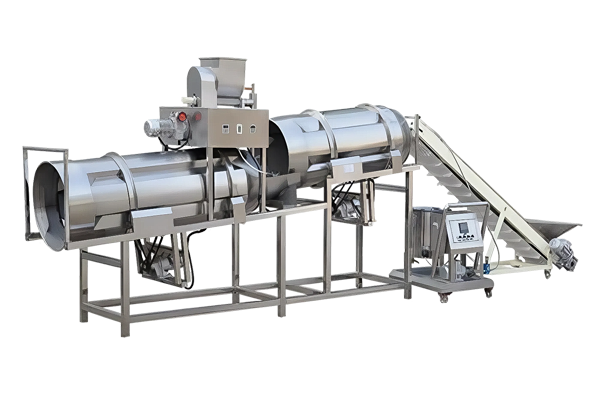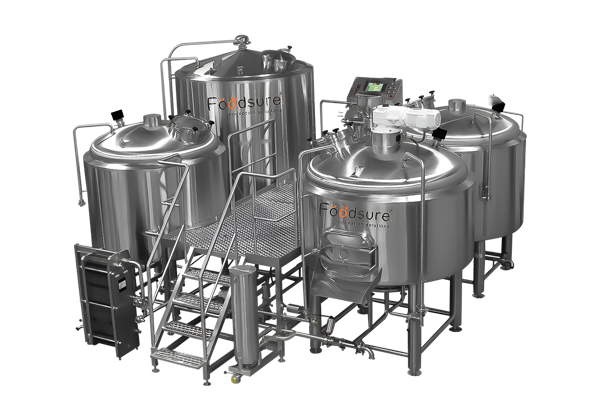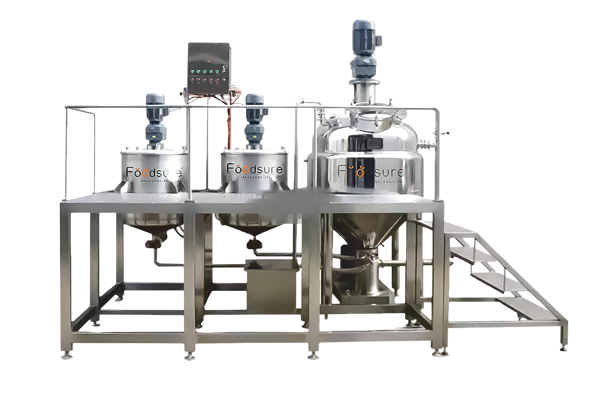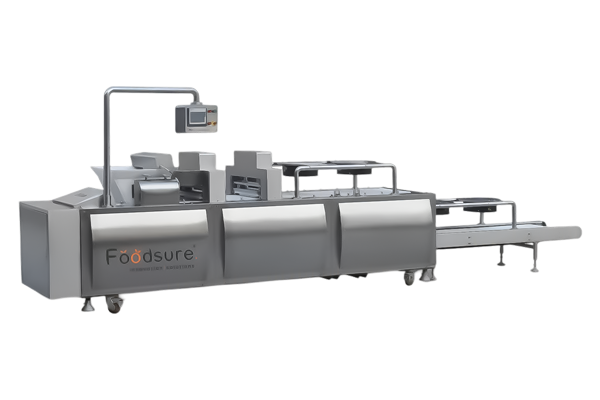
India produces more tomatoes than most countries in the world, yet the majority are sold at wafer-thin margins. For processors, this gap between production and profitability is where tomato sauce and ketchup manufacturing begins to make sense. What looks like a simple product on the shelf actually depends on the right processing machine, correct batch control, and food safety compliance. Many first-time manufacturers invest in tomato sauce machines without fully understanding how to make tomato ketchup at scale, the ketchup manufacturing process, or the realities of a tomato ketchup recipe commercial scale, and realise the mistake only after production starts.
This guide breaks down how tomato sauce businesses actually work in India from choosing the right tomato sauce making machine and understanding plant costs, to compliance, suppliers, and profitability. So you can plan your unit with clarity before investing.
Why Tomato Sauce Demand in India Is Growing Every Year
The processed sauce making machine market in India is on an upswing:
- In 2023, the Indian tomato ketchup and sauces market was a touch above ₹1,200 crore, growing approximately 5-6% CAGR.
- The increase in consumption of fast food, snacks, and semi-prepared food is driving demand for tomato-based condiments, including sauces and ketchup.
- While Indian tomato paste and sauces have already gained traction in the Middle East and Europe, opportunities are also available in Africa.
- Tomatoes are grown throughout India, and the over 21 million tonnes of tomatoes produced each year guarantee growth in the supply chain for processors.
As demand rises, understanding the ketchup manufacturing process and using the right machinery becomes essential to maintain consistency, shelf life, and margins, especially when scaling beyond small batches.
Read More: Tomato Ketchup Market Size, Demand & Growth Trends in India [2026]
Choosing the Right Tomato Sauce Machine for Your Business
The biggest mistake first-time manufacturers make is buying a machine based on price, not production reality. A low-cost machine may not support the actual tomato ketchup recipe commercial scale required for market demand, leading to bottlenecks, hygiene failures, or uneven consistency.
Here’s how to choose the right tomato sauce machine based on where your business actually stands.
Semi-Automatic Tomato Sauce Machines
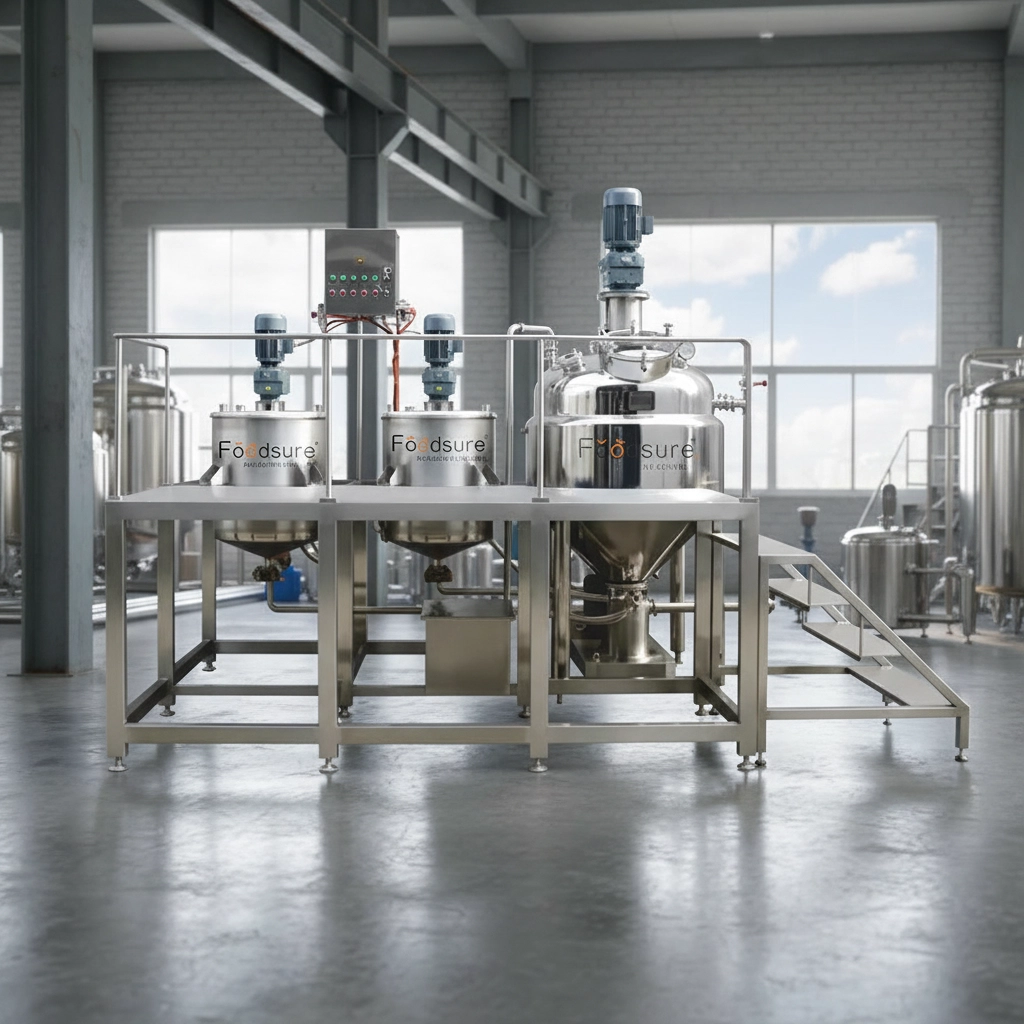
Semi-automatic machines work best for regional brands and first-time manufacturers who are testing demand or supplying local markets. These systems automate cooking, heating, and mixing, but still rely on manual handling for ingredient loading and packing.
They are suitable if:
- Your daily output is limited.
- You want lower upfront investment.
- You are comfortable with some manual labour
The trade-off is scalability. As demand increases, labour dependency and batch inconsistency begin to affect margins.
Fully Automatic Tomato Sauce Production Lines
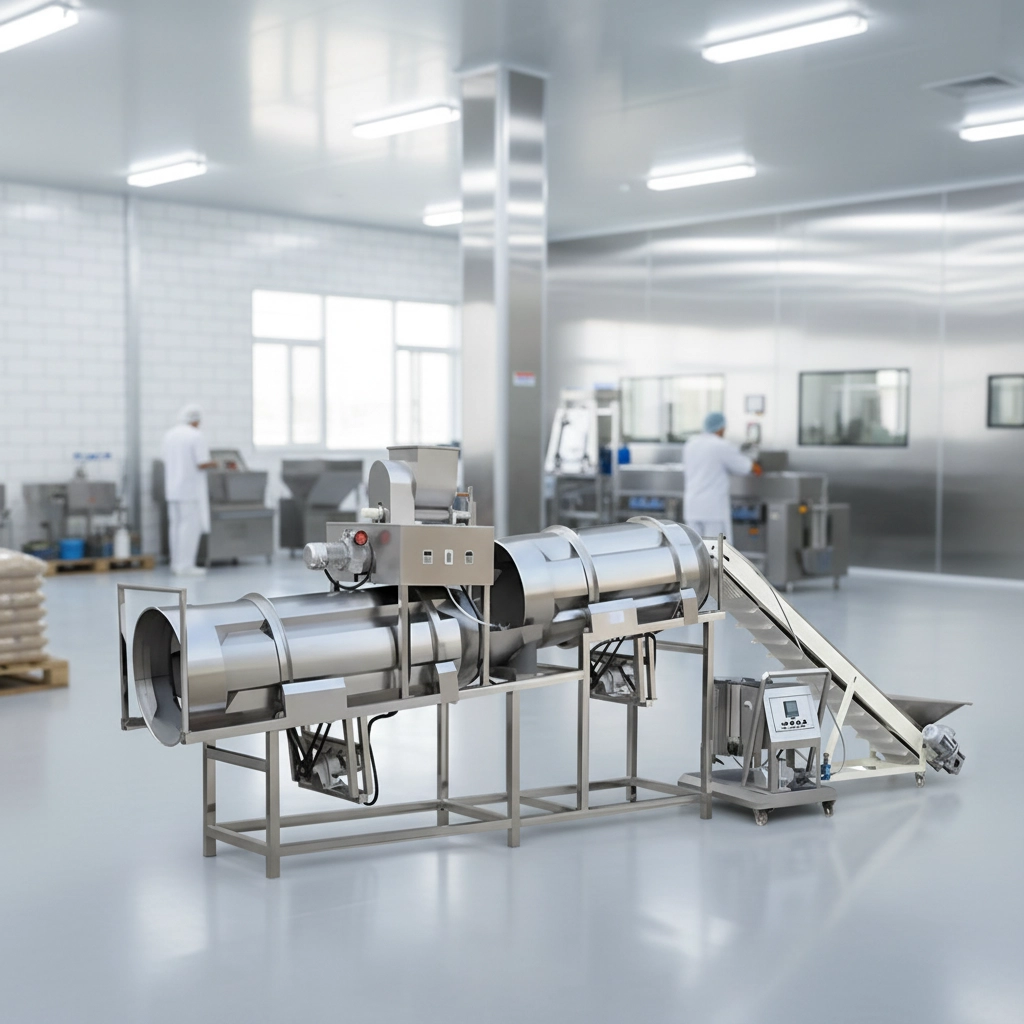
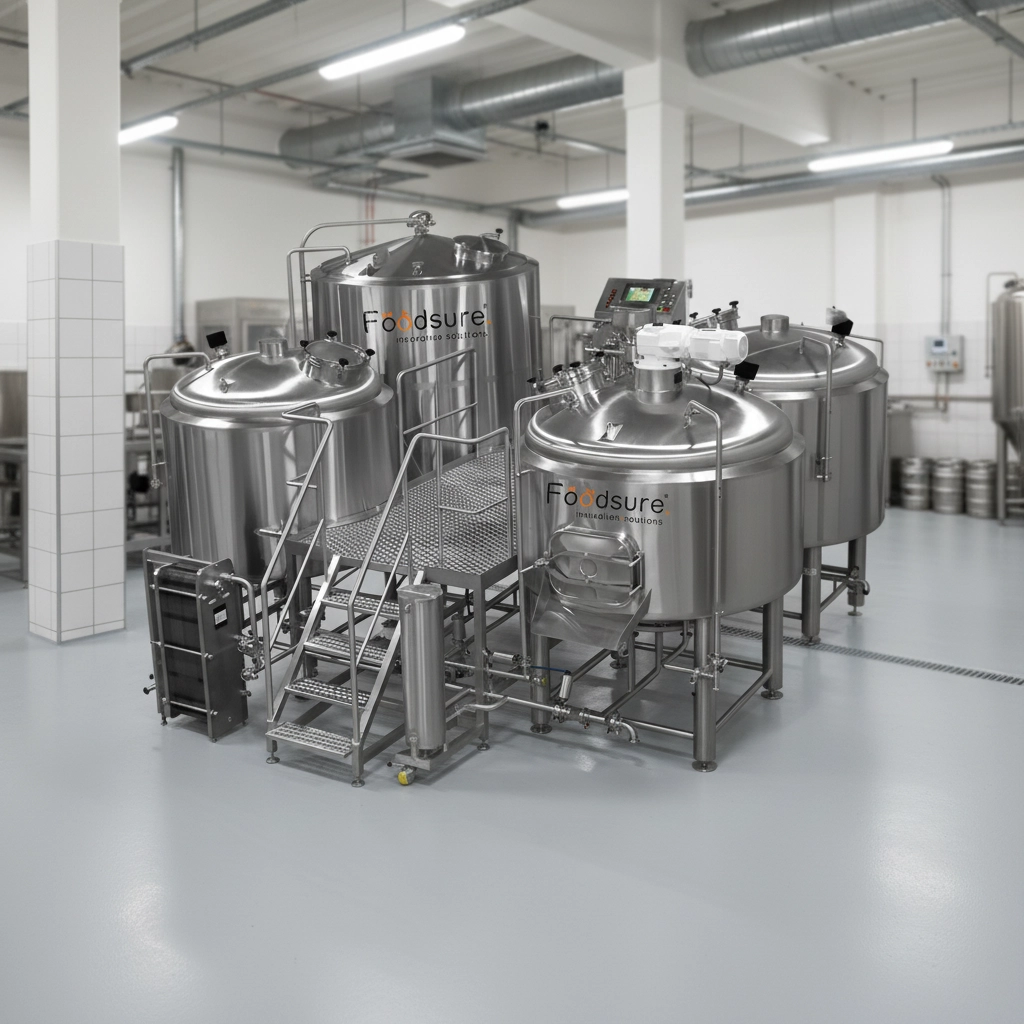
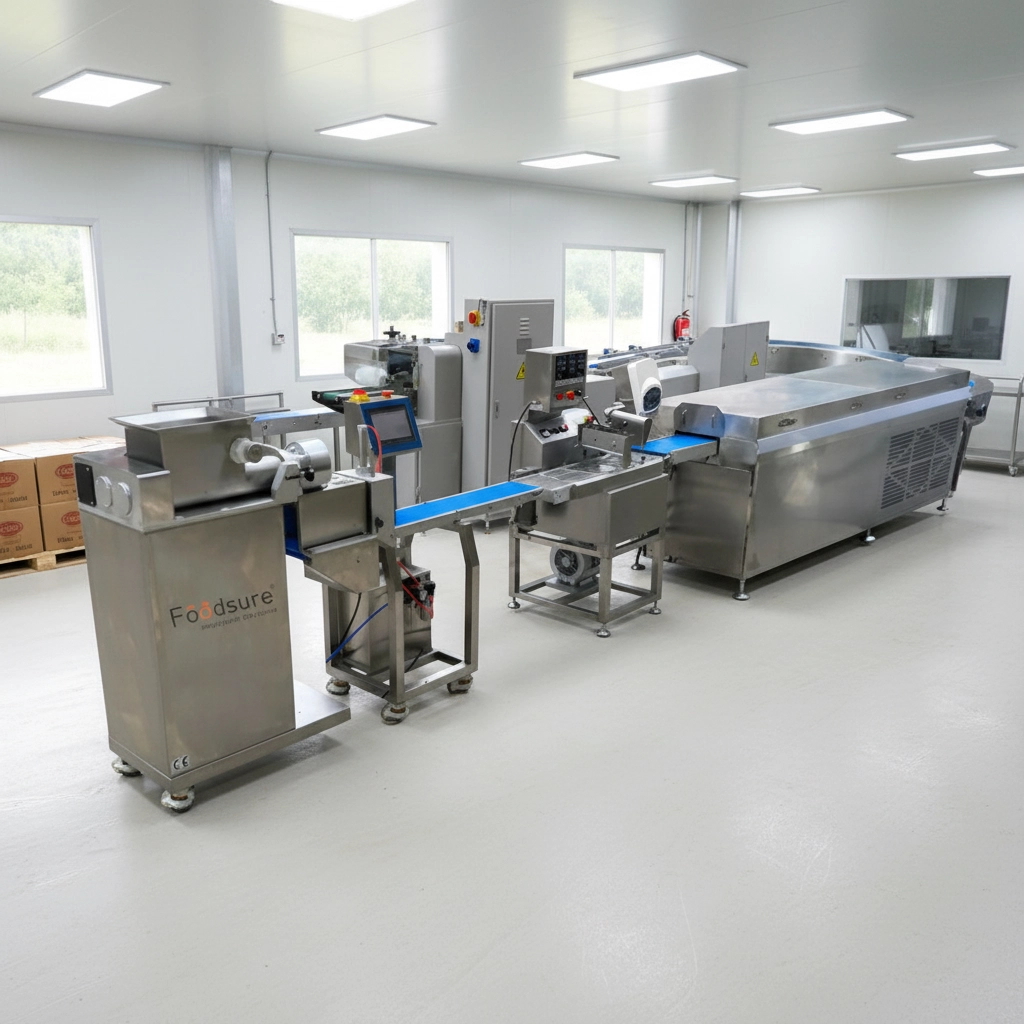
Fully automatic lines are designed for commercial-scale units, exporters, and co-packers. These systems automate tomato processing from washing and pulping to cooking, homogenising, filling, and sealing with minimal human intervention.
They make sense when:
- Output consistency matters.
- Hygiene compliance is critical.
- Labour costs are rising.
- You plan to scale without frequent upgrades.
Although the initial investment is higher, fully automatic plants usually deliver lower cost per unit, better shelf stability, and predictable production over time.
The Practical Rule
If your goal is to stay small, semi-automatic machines control risk. If your goal is to grow, fully automatic lines control cost.
Top Features to Look for in a Tomato Sauce Machine

Food-Grade Stainless Steel
- Every contact surface and every component in contact with food must be made out of SS304 and SS316, which offer hygiene, chemical, and rust protection and are easy to clean. Stainless steel meets not only construction standards and safety standards, but also reduces the risk of contamination.
Uniform Heating and Homogenising
- Machines should have controllable heating options (electric or vapour) that have mixing/homogenising capabilities to provide automated blending of the product and provide a universally blended, lump-free consistency. The importance of uniform consistency is especially important for raw ingredients like tomato sauce and ketchup.
Energy Efficiency
- Tomato ketchup machines should utilise insulated tank heating vessels and motors and processes that are energy efficient. Any reduction in energy consumption will lead to a reduction in operating cost and thus improve the operating profit for the producer.
Automatic Filling and Sealing
- Automatic filling and sealing units are necessary to lower the labour costs of the plant workforce and also increase the speed of output. Increased speed is an absolute must with semi-automatic and fully automatic plants. A tomato sauce manufacturing unit offering the option to fill needs the capacity to dose accurately and also be adjustable, seal cleanly, and seal to a standard to eliminate, to the highest degree possible, pack integrity concerns.
Read More: Affordable Tomato Sauce Making Machine Price That Boosts Your Production and Profits
Licenses and Food Safety Rules for Starting a Tomato Sauce Business
If you are looking to sell tomato sauce in the Indian market commercially, you will require an FSSAI licence (either Registration, State, or Central), depending on the capacity of your plant, to ensure compliance for food safety purposes. You will also require a food safety label on the packaging for your product, which will require adding to the label the ingredients, nutrition information, batch number, expiry date, and food safety and standards information.
Wholesaler or retailer sales will also require GST registration. The processes will ensure you are compliant to trade your product legally and safely, and produce products where you can be confident your consumers & other buyers will trust.
Choosing the Right Supplier for Tomato Sauce Machines
- Quality Assurance: It is important to prevent impurities, ensure long machine life, ensure food safety, and ensure product quality.
- After-Sales Support: A Trustworthy supplier gives after-sales support, which will reduce break time of the machine, servicing, available service parts, and trained operators.
- Scalability: Scalability allows for the supplier to have upgrades and modular solutions for growth and minimise the costs of new equipment.
Working with a supplier tomato sauce manufacturers in India, who has these advantages, a company can conserve operating costs, extend long-term capital investment, and assure consistent product quality.
Read More: Tomato Sauce Manufacturing Machine in India: Your Partner for Scalable Production
Conclusion
Starting a tomato sauce business in India is less about chasing scale and more about setting up the right process from day one. The choice of machine, production capacity, hygiene standards, and compliance directly affects product consistency, operating cost, and long-term profitability. Manufacturers who plan their setup based on real demand and future growth avoid common problems like frequent breakdowns, excess labour dependency, and repeated reinvestment. Understanding machine types, plant costs, and regulatory requirements before investing helps turn tomato processing into a stable, scalable business.
At Foodsure Machines, we work closely with food processors to design tomato ketchup making machine price, automation, and scalability. With the right guidance and equipment, businesses can move from planning to production with clarity and confidence.
Request Your Free Quote Fast
Please reach out to us anytime via phone or email.
FAQs
How do I start a tomato sauce business in India?
You need suitable sauce-making machines, an FSSAI license, basic production space, reliable raw material sourcing, and a sales plan.
What permits are required for a small-scale tomato sauce unit?
FSSAI registration, GST registration, and local municipal approvals are mandatory to operate legally.
Is tomato sauce manufacturing profitable in India?
Yes. Processing tomatoes into sauce offers higher margins compared to selling raw tomatoes.
What is the investment needed to start a tomato sauce business?
Small-scale units typically start at ₹8–15 lakh, while automated plants require higher investment.
Which tomato varieties are best for sauce production?
Roma tomatoes, hybrid processing varieties, and high-pulp tomatoes are best suited for sauce making.
Where can I source tomato paste or concentrate in bulk?
Bulk tomato paste is supplied by food ingredient manufacturers and agri-processors across India.
Do tomato sauce businesses require GST registration?
Yes. GST registration is required for commercial manufacturing and sales.
Can I get funding for a tomato sauce startup in India?
Yes. Funding options include MSME loans, government schemes, and private investors.
What equipment is essential for a tomato sauce production unit?
Essential equipment includes washing, pulping, cooking, mixing, and filling machines.
Is it possible to export tomato sauce from India?
Yes. Indian tomato sauces are exported to markets such as the Middle East, Africa, and Europe.