
Makhana (fox nuts) is ubiquitous, starting as a pond seed and becoming a world snack. Enter a grocery store in London, New York, or Mumbai, and you will see these white and crunchy puffs labelled as the ultimate snack with no guilt. But as millions are delighted by the tasty crunch, not many of them are aware of how it all began: how does makhana become a cloud of snack out of a tough, black seed?
The market statistics are evident; it is not just a trend. The world fox nut market is presently growing with an approximate CAGR of 11.9%, owing to the change in eating habits and gluten-free eating. Be it a home cook who wants to make his evening tea-time tasty or a budding entrepreneur who wants to ride on a multi-billion dollar industry, we will be there. This guide divides the most optimal methods of roasting, flavouring, and making makhana on a large scale.
How is Makhana Made for the Modern Market?
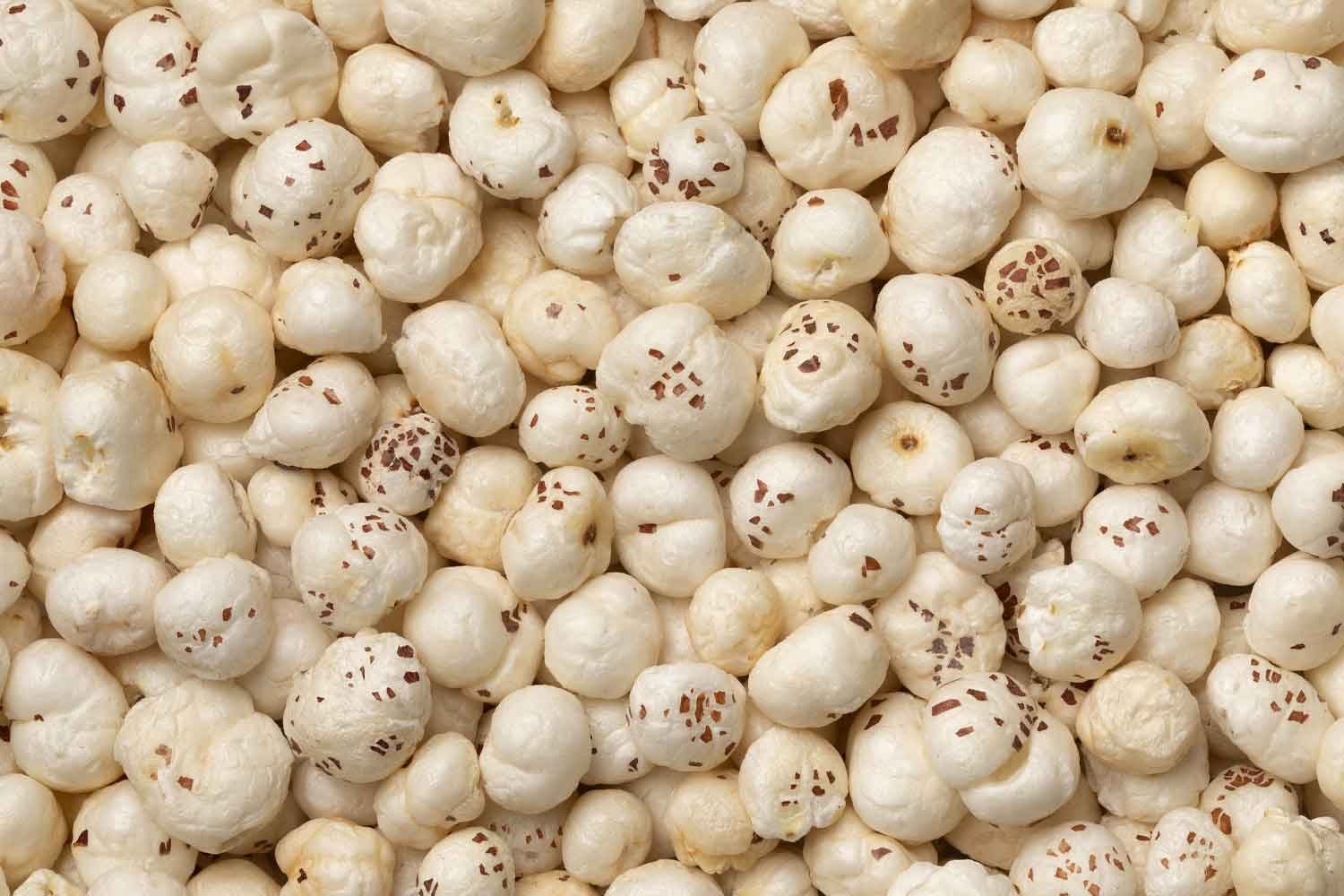
Prior to reaching a seasoning drum, makhana goes through an epic physical change. This is the engineering that we focus on at Foodsure Machines, and which makes this transition possible and profitable.
- Intake & Cleaning Mechanical: The process starts with raw and unprocessed seeds (Gorgon nuts). These seeds are usually accompanied by field dust, silt, and organic debris. To guarantee a Clean Label product, special cleaning equipment is employed to remove these impurities, and the raw material is then 100% pure prior to heat treatment.
- Thermal Expansion Process: It is the magic time of making makhana. The seeds undergo pre-heating to stabilise moisture within the seeds. They are then exposed to high-pressure heat. This is a thermal shock, which instantly turns the moisture within the seed into steam, blasts the tough shell open, and the starch into the fluffy white nut we know.
- Automation vs. Tradition: What is the reason why the industry is moving out of hand-roasting? Statistics indicate that roasting by hand will result in 15% breakage rate and uneven texture. Conversely, automated makhana production minimises the wastage to less than 5%, maximising the harvest and achieving export-grade quality in every nut.
Professional Secrets to Making Makhana Crispy
Moisture is the greatest foe to a great makhana recipe. When your makhana is either chewy or soft, then the snap factor is not present. In order to have that ideal brittle texture, the level of moisture should be maintained at less than 5%.
How to Make Makhana Crispy at Home:
- Slow-Flame Method: This is done in a heavy-bottomed kadai (wok) on low heat. The evaporation of internal moisture can be done through a dry roasting process of 8 -10 minutes, which will not burn the outside.
- The Air Fryer Hack: To get a 360°C crunch, air fry at 160°C approximately 8 minutes. This replicates the miniature hot-air roasting in the industries.
- The Oven Bake: Perfect with bigger home batches. Heat them on a tray and bake at 150°C, and shake halfway during baking so that they become even and uniformly crisp.
Flavour Fusion: 5 Ways to Style Your Makhana Snacks
According to market research, savoury and spicy profiles presently have 65% of the market share in India. Here are 5 ways to take your makhana roasting to the next level:
- Style 1 – The Classic Desi Ghee & Salt: The health-first favourite of the original. Lightly sprinkled with ghee, to enable the salt to cling, is a nostalgic, high-protein snack that outmuscles popcorn on any day.
- Style 2 – Spicy Peri-peri and Turmeric: It is the best-selling flavour among the Millennial and Gen-Z generations. The trick to roasting makhana with spice is to pour the powder when the nuts are still hot, and this way, the flavours will fuse together.
- Style 3 – Garlic White Gold Cheesy: An enormous success in the Kids Tiffin. It brings the pleasure of the cheese puffs, only without the health complications associated with them.
- Style 4 – Tangy Achari (Pickle): Tapping into the Indian palate, this spicy one includes dried mango powder (amchur), cumin, and mixes them to form the mouth-watering, yummy makhana snack.
- Style 5 – Sweet Caramel and Cinnamon: The Dessert Snack category is experiencing growth of 12% per year. Coating the makhana with melted jaggery or caramel, you get a fine snack that can compete with the high-quality snacks in cinema theatres.
Scaling Up: Transitioning from Kitchen to Commercial Factory
At some point, manual roasting is not able to sustain your business objectives. When you are generating over 10-20kg per day, then your labour expenses and breakages will cannibalise your earnings.
- Critical Equipment: Consistency is king in order to sell commercially. The roasting of makhana is done in a specialised machine to maintain the same level of crunch and flavour profile with every batch, and this is important in brand loyalty.
- The Investment: Once considering the price of the makhana roasting machine, the entrepreneur should consider the value addition, as opposed to the price. Raw seeds are priced at approximately ₹500/kg, whereas flavoured, branded snacks can be sold at a price of ₹1,500/kg or more.
Technical Checklist for a Professional Production Unit
- Moisture Control: To avoid sogginess, industrial dehydrators maintain low levels of moisture.
- Nitrogen Flushing: It is as essential as the makhana making process itself; it makes the snacks last up to 12 months.
- FSSAI Standards: SS304 (stainless steel) automated roasters will help you to pass any safety audit easily.
The Foodsure Machines Advantage: Why Automation Wins
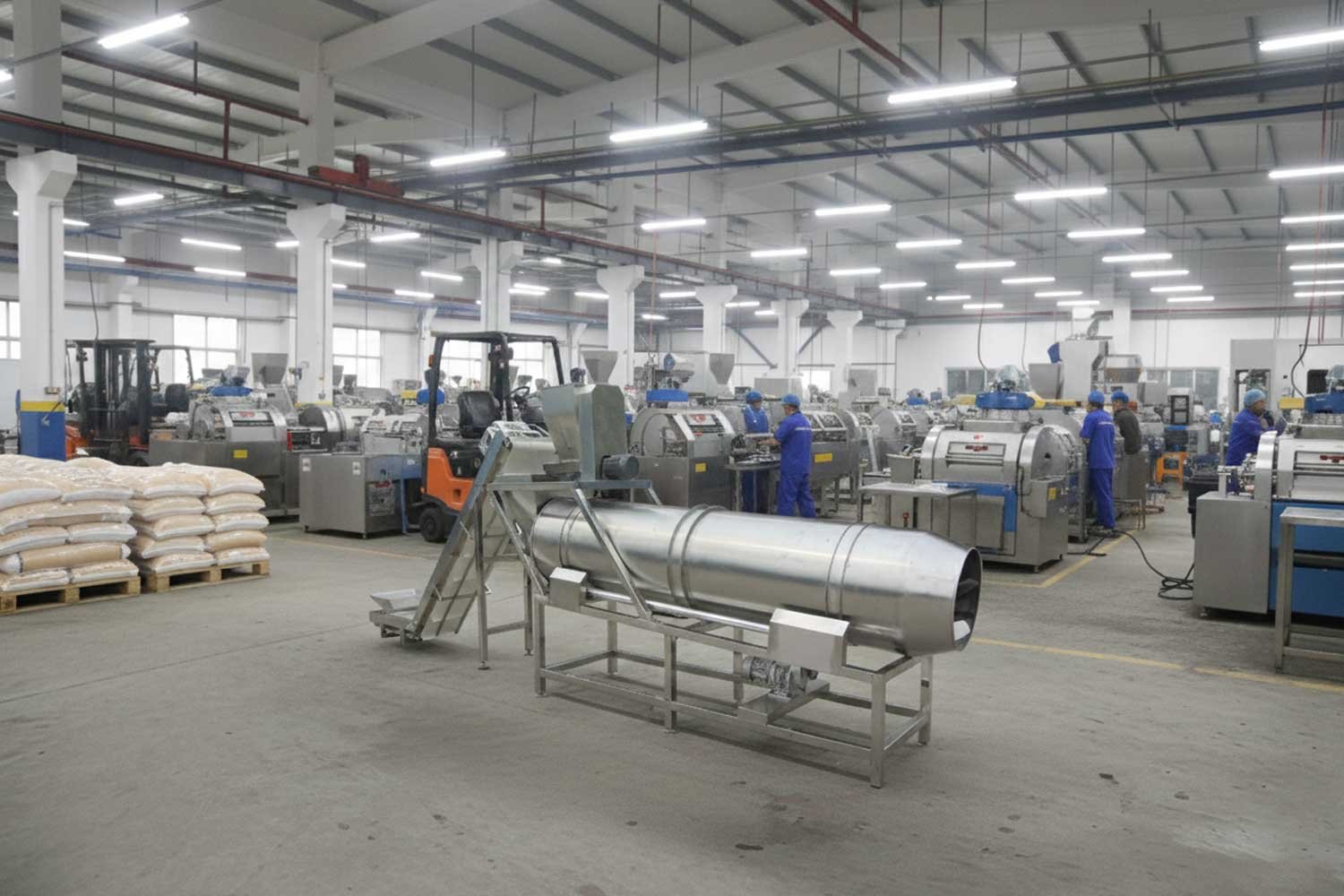
Automation is no longer a luxury in the snack market that is very competitive; it is a survival measure.
- Eradication of Dead Zones: Unlike the local machines, Foodsure Machines are meant to ensure that the foodstuffs do not get stuck in crevices and thus rot and lead to bacterial contamination.
- Cost Efficiency: Our machines cut the total cost of the how is makhana made workflow, through labour dependency and energy waste reduction.
- Zero-Breakage Roasting: Our unique rotary process will make sure that your “White Gold” is whole and quality, so that you make the most profit on each bag.
Are You Ready to Start Your Makhana Journey?
Be it the perfecting of one makhana recipe in your kitchen or a big makhana udyog, the right process is what begins the quality of your snack with. Makhana has grown to be not only a local commodity but also an international business venture. Good flavours and good technology mean the sky is the limit.
Ready to scale beyond manual processing?
Stop losing product to breakage and slow manual work. Get a custom quote on makhana roasting machine price and a complete turnkey factory setup built for scale.
FAQs
What happens to raw seeds to make makhana?
Green seeds are roasted at high temperatures after being pre-heated. This thermal shock bursts the shell and spreads out the starch to a white nut.
How much is the roasting machine for makhana?
Prices change depending on capacity, with entry-level commercial units costing about 1.5 lakh and industrial-level automated systems costing 10lakh plus.
What do you do to get makhana crispy long?
During roasting, you should keep the moisture content to less than 5% and nitrogen-flushed packaging, which will ensure that the nuts do not absorb humidity.
Does it need a license to manufacture makhana?
Yes, food safety requires an FSSAI license, and to sell abroad, you will need an IEC (Import-Export Code).
What will be the most profitable flavour of a new brand?
The highest market share has been taken by Spicy Peri-Peri and Classic Salted, and the most rapidly expanding niche is Sweet Caramel, which is the premium retail.